
The Latest
Three Things To Read This Week
Report: “Community Violence Intervention Investments Have Helped Reverse Chicago’s Shooting, Homicide Trends.”
Three Things To Read This Week
The Council of State Governments published some of the early learnings from a recent convening of four states—New Jersey, Utah, Virginia, and Washington—where state leaders are integrating 911 and 988 emergency response into a single, coordinated system that saves resources and reduces response times for all first responder teams, from law enforcement to mobile crisis response to fire to paramedics.
Three Things To Read This Week
Report: Harvard Examines How Crisis Responder Teams Are Operating Around The Country. Published by the Harvard Kennedy School Government Performance Lab, the new landscape analysis examines 911 and program data from nine crisis response teams in operation around the country. Using de-identified dispatch and operational data, the report examines how the teams are structured, dispatched, and integrated into local emergency systems. Across the report, researchers identify “findings on emerging trends in program model variation” and “on early insights into performance.”
Three Things To Read This Week
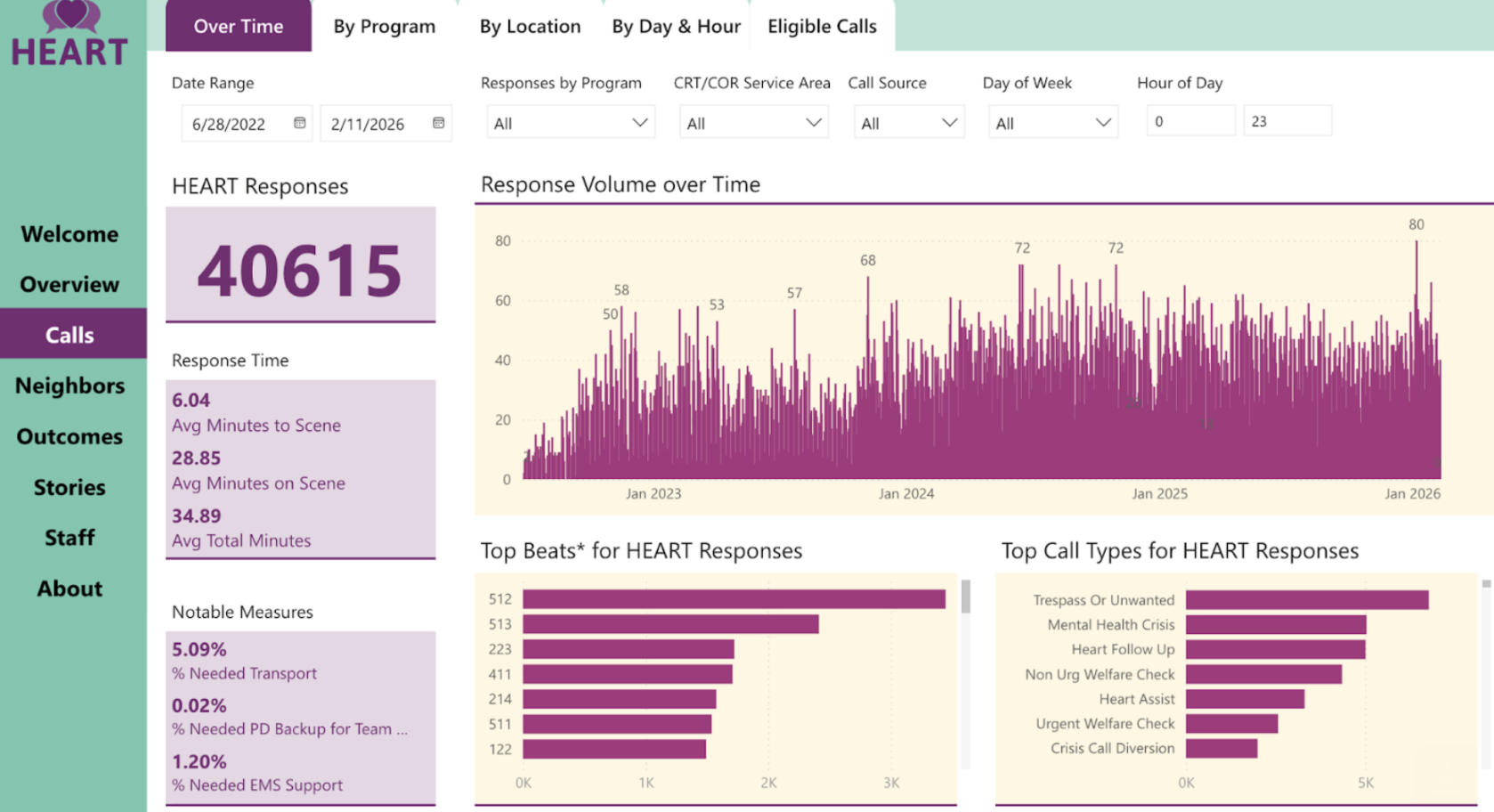
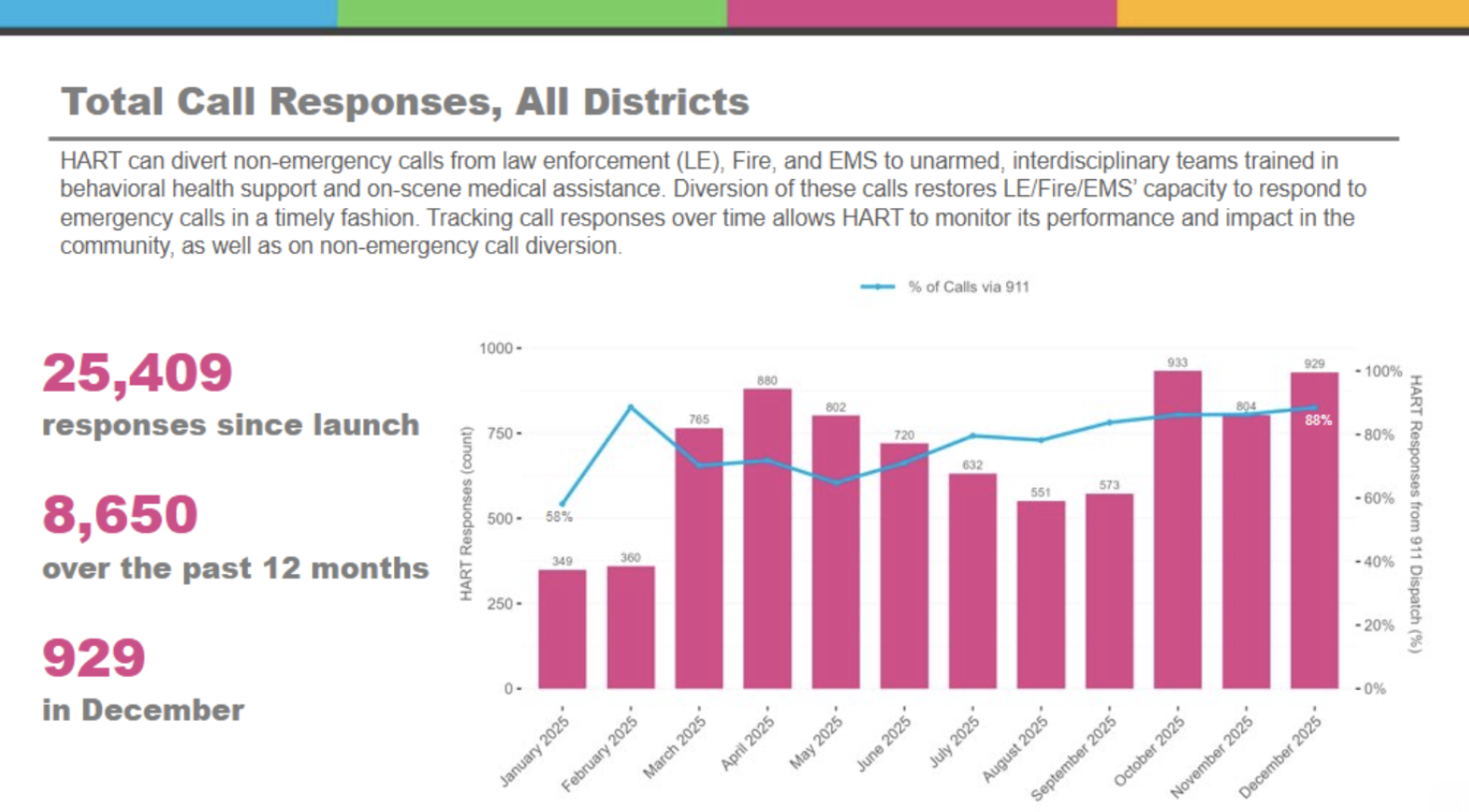
Mobile Crisis Response Teams Expanding—And Freeing Up Police And Fire Resources—Around The Country.

Three Things To Read This Week
Study: Cities Are Building Safer Crisis Response Systems Through Integration Of 988 And 911. A new report published by the Substance Abuse and Mental Health Services Administration presented a practical toolkit for policymakers interested in integrating 911 emergency dispatch and 988 mental health services to “provide actionable steps and tools to promote interoperability. The toolkit detailed ways to help “partners overcome real and perceived risks and obstacles… [in order] to provide a seamless response to individuals experiencing behavioral health crises.”

Three Things To Read This Week
Cities Turning To Safety Ambassador Teams, From Campus To Transit To Downtown.

Three Things To Read This Week
More Cities Embedding Mental Health Experts Into 911 Dispatch Centers.
Three Things To Read This Week
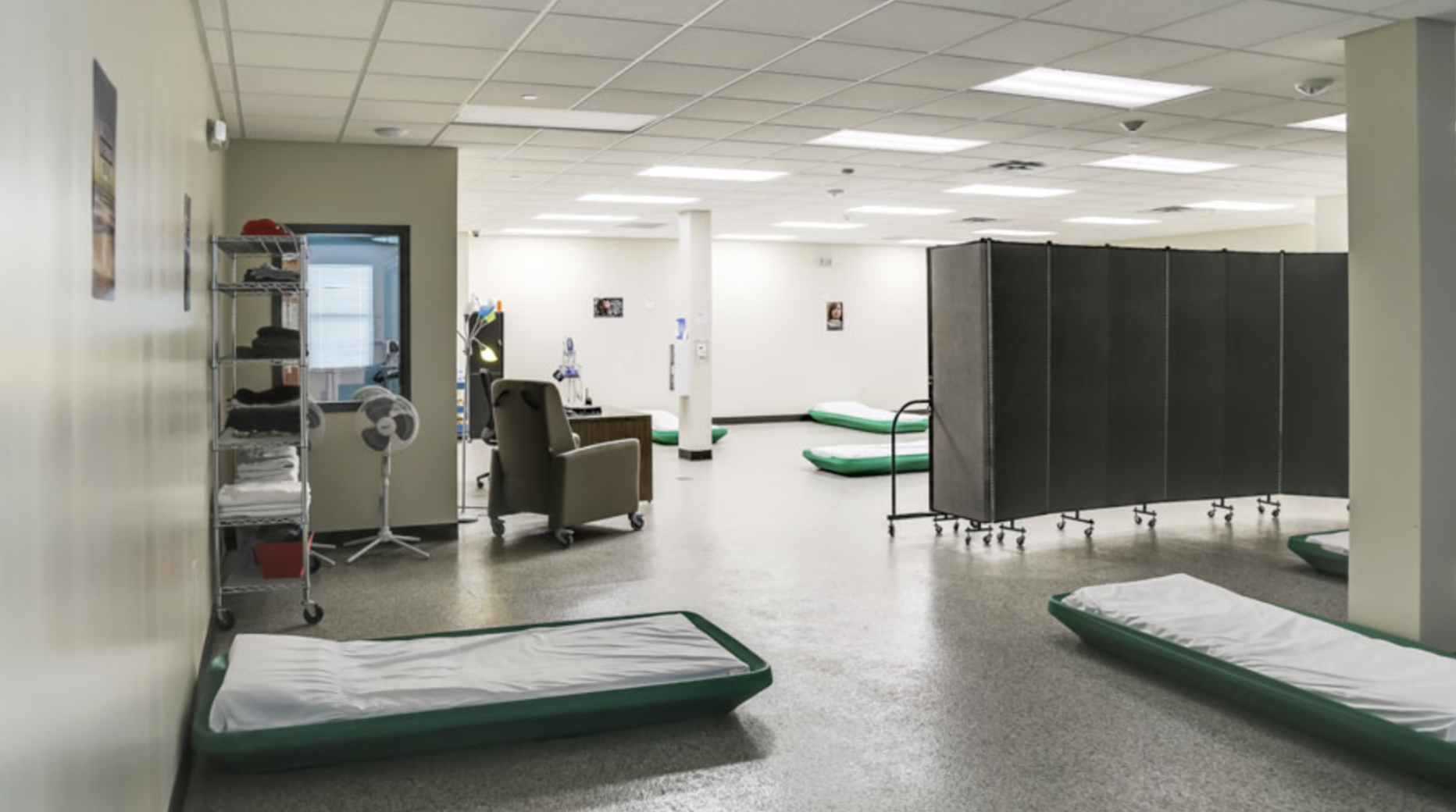
Sobering Centers Reduce Strain On Emergency Rooms, Free Police Time, And Expand Treatment Access. A new report published by California Health Care Foundation synthesizes field practice, statewide policy changes, and the emerging national accreditation standards for sobering centers—places where publicly intoxicated people can rest, get sober and get connected to addiction treatment and other services, instead of going to an emergency room or jail. The researchers detail the “practical tools, financial planning resources, and real-world examples” of working sobering centers, as well as “the fundamentals of sobering care and essential planning considerations” for local leaders interested in implementing sobering centers in their jurisdictions. The report’s authors find that sobering centers offer a “safe, short-term alternative to emergency departments (EDs) and jails” and function as a “24/7 hub for service connection and integration.”

Three Things To Read This Week
In Louisville, Kentucky, “New Report Shows Decrease In Shootings, Homicides,” Mayor Credits Hospital-Based Violence Intervention Program As Key. For WHAS11, Margaret Vancampen reports on Louisville Mayor Craig Greenberg’s announcement that “shootings and homicides are down in the Metro by between 25% to 30%” and that “Pivot to Peace,” the city’s community and hospital-based violence intervention program that the mayor said has “led to a noticeable decrease in violence in areas where the program is active.”

Three Things To Read This Week
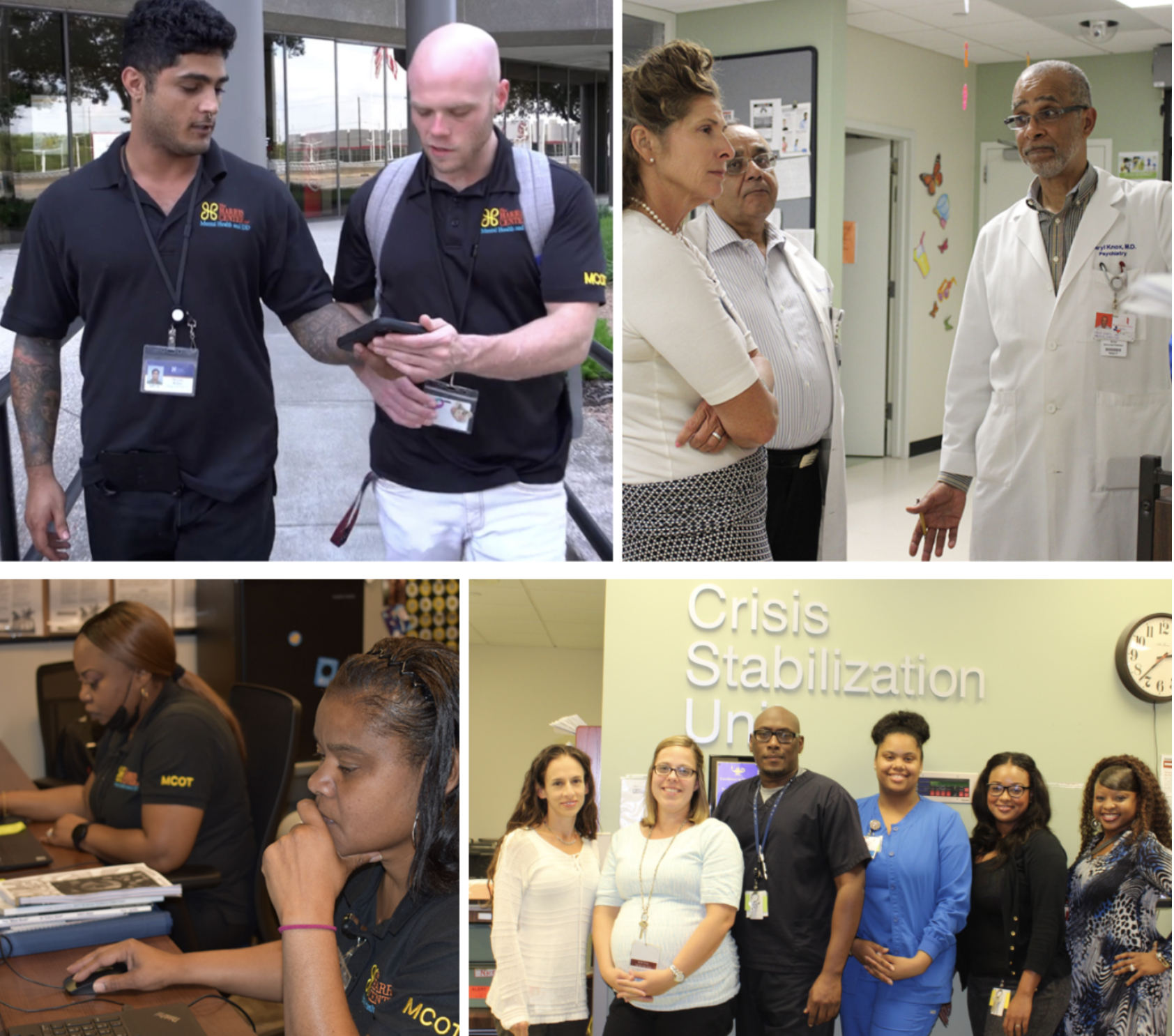
Momentum For Mobile Crisis Response Teams Across The Country.

Three Things To Read This Week
In San Francisco, New Crisis Stabilization Center “Shows Promise in Treating Drug-Fueled Public Breakdowns.”

Three Things To Read This Week
Hospital-Based Violence Intervention Programs “Help Survivors Of Gun Violence Heal—Both Mentally And Physically.”
Three Things To Read This Week
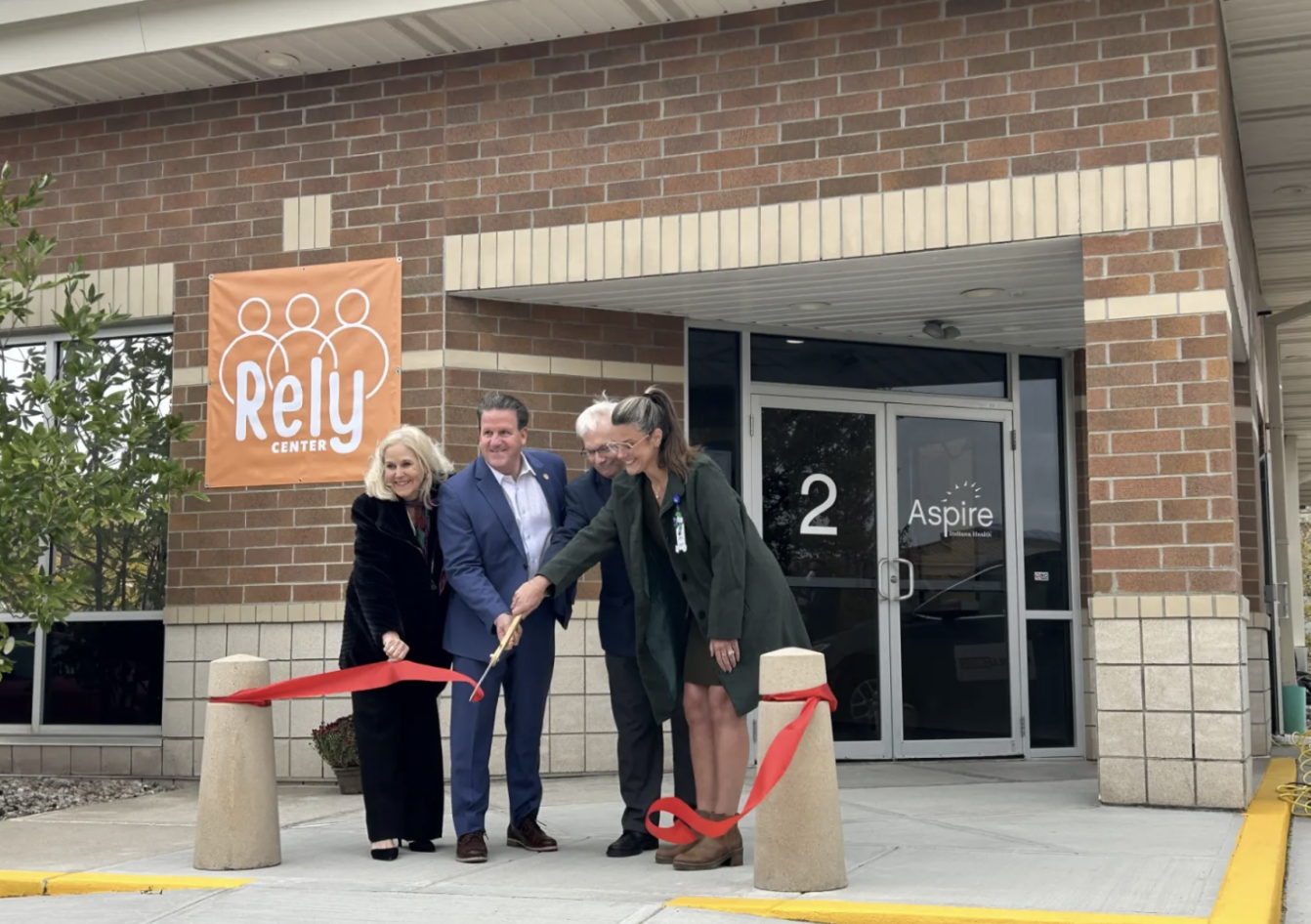
Cities Turning To Crisis Stabilization Centers “Because Too Many People In Our Courts And Jails Are There Not Because They’re Criminals, But Because They’re In Crisis.”

Three Things To Read This Week
Cities Turning To Clean Teams To Clear Needles And Other Safety Hazards From Streets, Parks.

Three Things To Read This Week
A new preprint article from researchers at the University of California, Davis offers one of the most comprehensive overviews yet of America’s growing mobile crisis response field. The authors conducted a scoping review of mobile crisis response studies published over the past decade, analyzing differences in training, staffing, outcomes, and challenges across dozens of programs nationwide.

Three Things To Read This Week
Cities Opening Crisis Stabilization Centers “For People Experiencing A Mental Or Behavioral Health Emergency And Need Immediate Help,” To Reduce Burden On Hospitals And Jails.

Three Things To Read This Week
School-Based Violence Intervention Programs Reducing Violence By “Helping Students Stay In School, Graduate, And Plan For What Comes Next.”

Three Things To Read This Week
More Cities Embedding Mental Health Experts Into 911 Dispatch Centers. Des Moines, Iowa “Embeds Mental Health Clinicians In 911 Dispatch Center To Aid Callers.”
The City of Des Moines now "embedding licensed mental health clinicians inside the 911 dispatch center — a rare approach used by only a handful of departments nationwide.” At the Des Moines 911 emergency call center, “when callers indicate they need mental health services, they are routed to a clinician in the dispatch center who begins the conversation immediately… they [can] determine what the risk is, as well as deciphering who is going to respond to that call.”

Three Things To Read This Week
More Cities Launching Safety Ambassadors To “Assist Visitors And Residents, Build Relationships With Businesses And Keep The Area Clean And Safe.”

Three Things To Read This Week
Earlier this year, local leaders in Lexington, Kentucky, launched the Community Paramedicine team, which responds to mental health and other behavioral health calls for service through a set of discreet, highly trained, and specialized teams that are housed under a single department.
Safer Cities recently spoke with Alexander Jann, a lieutenant with the Lexington Fire Department who oversees the Community Paramedicine team, to better understand how the team is working. Here are three takeaways from our interview with the Lexington Community Paramedicine Team.