Three Things To Read This Week
1. Study: Cities Are Building Safer Crisis Response Systems Through Integration Of 988 And 911.
A new report published by the Substance Abuse and Mental Health Services Administration presented a practical toolkit for policymakers interested in integrating 911 emergency dispatch and 988 mental health services to “provide actionable steps and tools to promote interoperability. The toolkit detailed ways to help “partners overcome real and perceived risks and obstacles… [in order] to provide a seamless response to individuals experiencing behavioral health crises.” SAMHSA produced the report in collaboration with the Bureau of Justice Assistance, the National Emergency Number Association, the National 911 Program, the FCC, and other emergency dispatch-focused groups. The full guidance is worth the time of any policymaker looking to integrate 911 and 988, but here are some topline findings:
Define Roles Clearly To Prevent Confusion Among Responders. “Establishing and defining clear roles and responsibilities amongst 988, law enforcement, and emergency services will be important for laying out specific tasks that each organization is responsible for… Organizations should consider developing decision point matrices to manage call transfer between 988 and 911.”
Build Trust Through Partnerships Across Emergency Responder Agencies. “Partnerships with local law enforcement and emergency services can be assisted with Mutual Aid Agreements or Memoranda of Understanding… outlining expectations of each organization, shared understanding of roles and responsibilities, and how systems will interact and communicate… In the early stages of interoperability, [MOUs can] provide a common understanding before committing to a full, legally binding contract.”
Use Risk-Based Call Triage To Match The Call To The Right Responder: “Effective risk assessment and triage protocols are essential in ensuring timely, appropriate responses to individuals in crisis while minimizing risk and liability… Based on the initial assessment, the crisis is triaged into categories (e.g., low, mild, moderate, higher risk), [which] determines the level of response needed…”
Cities Integrating 911 With Other Experts To Get The Right Responder To The Right Call.
In Santa Clara County, California, Nurses Handle Some 911 Calls For Service. For San Jose Spotlight, Joyce Chu reports on the county’s effort to triage some 911 calls to nurses who “help callers navigate the health care system and determine the appropriate level of care by providing advice on the phone, booking clinic appointments or arranging a ride to the hospital” to ease strain on police officers, medics, and other first responders. Nick Clay, director of the county’s emergency services agency, explained that the program “preserves those highly trained professionals and those pieces of equipment that are really specialized… for the people who really, truly have an emergency… [and] also offers an avenue for folks who don’t necessarily have a high level of emergency, but still need help.”
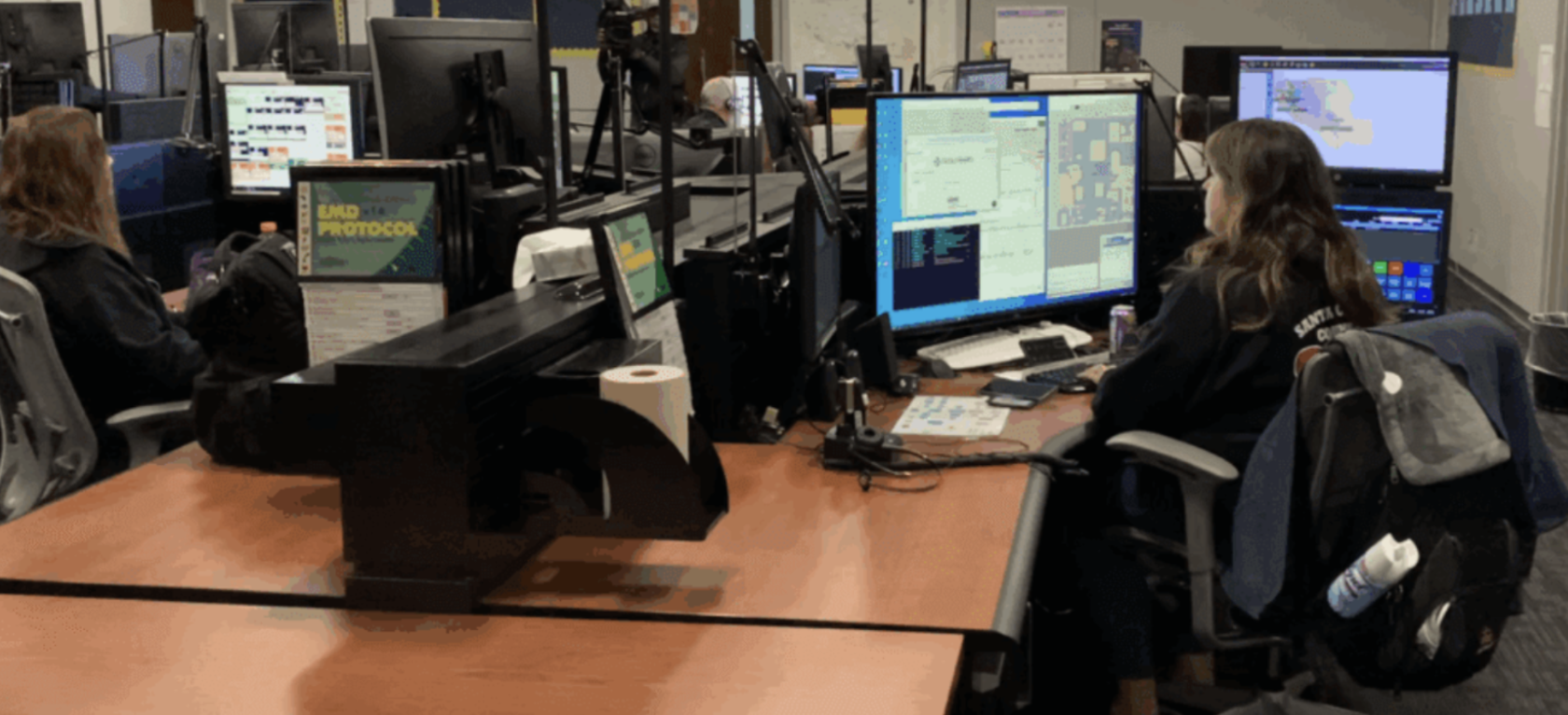
In Suffolk County, New York “Social Workers Will Be Embedded At [The] 911 Call Center To Help Operators With Mental Health-Related Calls… [When] The Situation Does Not Warrant Police Intervention.” For Newsday, Lisa Colangelo reports that the new plan means that when someone calls 911 “in a mental health crisis, a social worker will take over the call and evaluate the situation,” determine the best course of action for mental health related calls so that the county can “free up officers if the situation does not warrant police intervention.” County Executive Edward P. Romaine explained to the newspaper that this effort “aims to get people services [and] free up officers if the situation does not warrant police intervention.” Ultimately, Romaine said, the new program “will make policing more effective, protect our police men and women that serve and ... help people who have some kind of [mental health] difficulty.”
In Austin, Texas, 911 With “Mental Health” Option Transforms How Emergency Calls Are Handled. As Safer Cities has previously spotlighted—when you call 911 in Austin, a dispatcher will ask you: “Do you need fire, EMS, police”—or, the fourth option—“mental health.” Then, they determine the appropriate responder team, based on the needs of the caller. Austin Police Association President Michael Bullock recently testified before Austin City Council explaining the importance of integrating mental health experts into the emergency dispatch system: “it’s time that we work towards getting law enforcement out of mental health. We have never claimed to be [mental health] experts, yet we have been charged with the responsibility of responding to mental health crises… taking these positive steps towards identifying better ways to divert these calls, to have a more robust mental health response system, I believe is a positive step.”
2. Crisis Stabilization Centers Providing Mental Health And Substance Use Treatment, Easing Burden On Emergency Rooms And Jails.
“Game-Changing Crisis Center Opens Its Doors In Buffalo.” For The Buffalo News, Jon Harris reports on Best Response Intensive Crisis Stabilization Center, the “long-awaited facility to serve children, adolescents and adults experiencing a mental health or substance use crisis” finally opening its doors in Buffalo, that local leaders tell the newspaper “will be a game-changer for those in Western New York facing a crisis, but who previously had few options to seek the right level of help.” The new facility “will be open 24/7 and offer children and adults in crisis the ability to stay for up to [24 hours] and receive counseling, medication support and connections to follow-up care,” and helps to “ensure people are getting services in the right setting” by redirecting patients from hospital emergency rooms or jails.
Elizabeth Woike, who oversees the new center, explained that “when someone is in crisis, there are very few options… and not enough places specifically designed to meet people in that moment of crisis… [this] crisis stabilization center was created to fill that gap.” And this center is just the beginning. Robert Moon, deputy commissioner for the state’s office of mental health, told the newspaper that “there will eventually be 26 centers across the state – 13 intensive centers and 13 supportive crisis stabilization centers.”Oak Park, Michigan, Opens New Crisis Stabilization Center “For People Experiencing Mental Health And Substance Use Crises.” For WXYZ, Meghan Daniels reports on the new crisis center that opened its doors in the city offering immediate treatment “for people experiencing mental health and substance use crises, providing an alternative” for first responders to take patients instead of emergency rooms or jail facilities, and “aims to fill a critical gap in mental health services by offering immediate care without long waits.” The trained mental health professionals who staff the facility take “a comprehensive approach to crisis intervention… looking beyond the immediate crisis, screening for social determinants of health and providing ongoing support as people navigate their next steps” after they receive care.
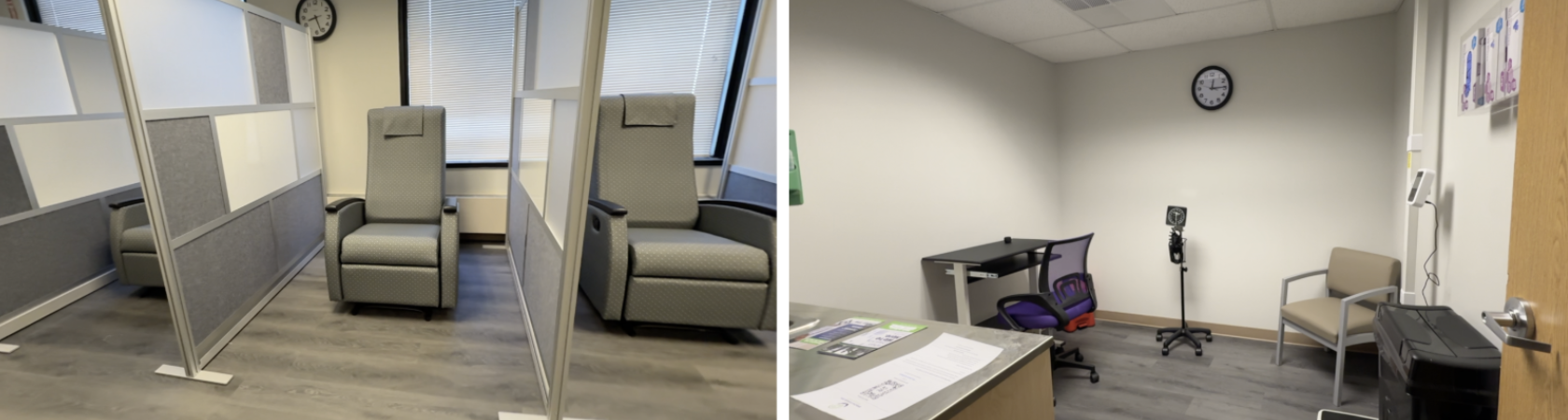
In Prince William County, Virginia, Crisis Stabilization Center “Shows Early Success” With “Better Outcomes For Residents And Our Public Safety And Healthcare Systems.” Prince William Living reports on the new crisis stabilization center, which just opened in late October, already “demonstrating strong early results in supporting individuals experiencing behavioral health crises” serving nearly 200 patients “through its 23-hour observation unit” and transitioning nearly half of them into “short-term residential crisis services that provide therapy, medication support and stabilization.” The facility accepts patient drop-offs and referrals from local law enforcement and other first responders who need a place to take a person in crisis that isn’t an emergency room or detention facility. Lisa Madron, the county’s community services director, explained that, while early, this “model has been very successful, particularly in lowering the out-of-placement for individuals under emergency custody orders and temporary detention orders.” The trained staff at the facility treat the acute crises patients exhibit when they arrive at the facility, and then “connect individuals to the most appropriate level of care, while supporting recovery and community reintegration.”
3. Local Leaders Turn To Clean Teams To “Keep The City Looking Clean And Feeling Safe.”
In Modesto, California, New Team Cleans Up Streets, Provides Paid Jobs For Homeless. For CBS News, Nina Burns reports on the launch of a novel city program “aimed at cleaning up Modesto streets while providing paid work to people experiencing homelessness.” The Clean Team focuses on “litter abatement and community beautification” and, since launching just two weeks ago, has already “removed nearly 2,000 pounds of trash… drawing visible support from residents [with] people honking and showing appreciation” as they pass through the district. Megan Clifford, who oversees the program for the city, said that “this program has the potential to make a real difference: not just in litter abatement, but in people's lives… the goal is to give people real work experience while they continue working with case managers toward permanent employment and housing.”
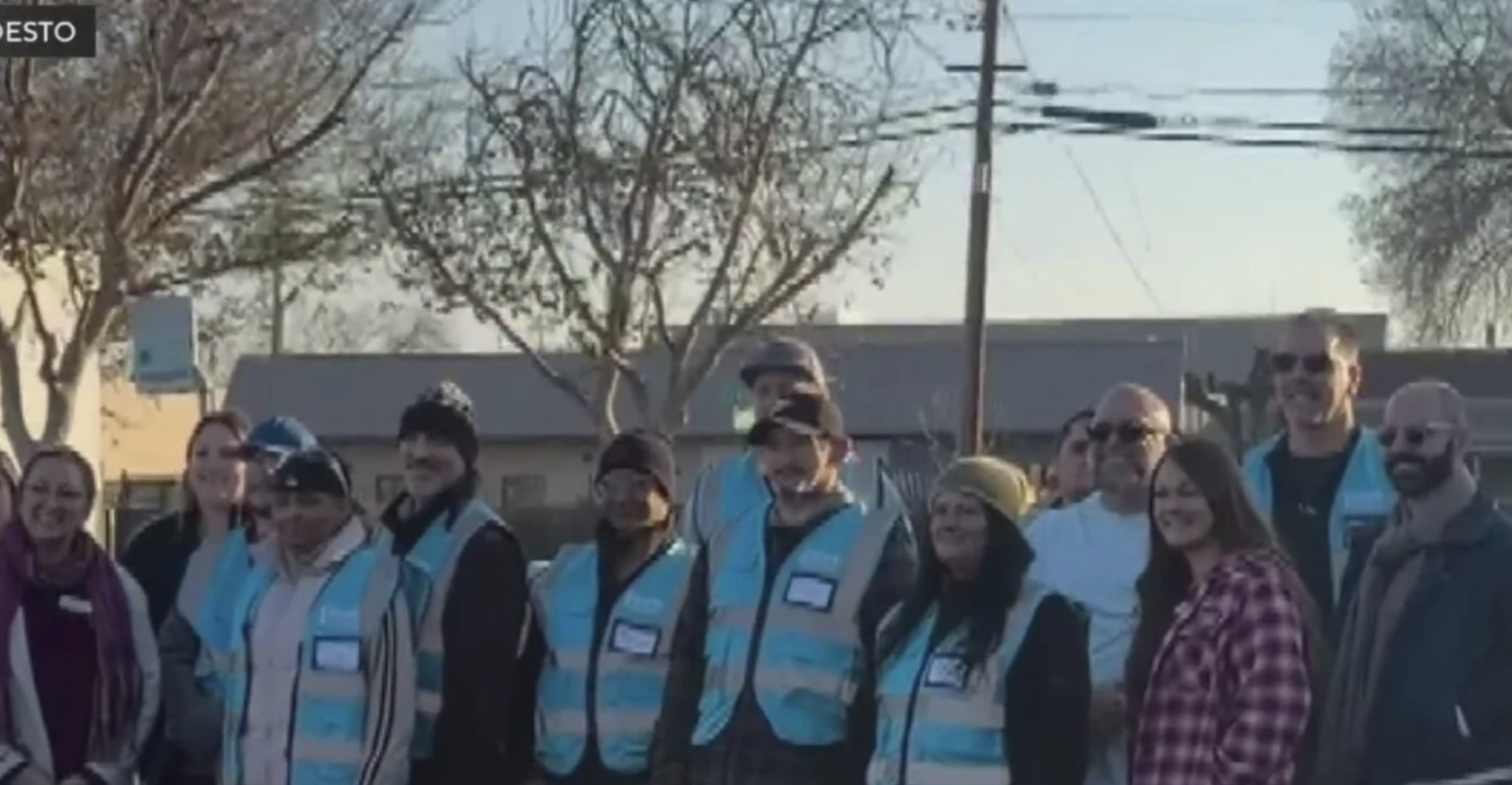
Santa Ana, California, Re-Ups With Successful Clean & Safe Team Which Has “Enhanced Cleanliness… And Safety” Downtown. For New Santa Ana, Art Pedroza reports on the city council’s unanimous approval to renew with the city’s downtown Clean & Safe Team that “provide regular cleaning and security” duties, “assist visitors and businesses” with security and hospitality, as well as provide connection to services to the homeless community in order to make the city’s downtown district “clean, safe and welcoming for residents, businesses and visitors alike.” Teresa Saldivar, a downtown jewelry business owner, explained to the newspaper that she has “seen firsthand how essential the Clean & Safe Program … plays a vital role in keeping the area clean, safe, and welcoming for customers, employees, residents, and visitors.”
Louisville, Kentucky Clean Team “Keeps The City Looking Clean And Feeling Safe.” For WDRB, Ariana Shuka reports on the success of the downtown team who “work year round, seven days a week, to keep the city looking clean and feeling safe.” The team performs multiple functions, from cleaning (“graffiti removal, pressure washing” of the sidewalks and buildings), to hospitality (“escorting” of residents, shoppers, and visitors across streets or to their cars or a local business), to connecting people in the homeless population to services and treatment. Rebecca Fleischaker, who oversees the downtown clean team, explained to the news station that this team “makes the public realm look clean, look colorful, feel good—it’s a series of small steps, but they really matter. Just in their mere presence, they provide a sense of safety and security for people who are in the area where they walk.”