Three Things To Read This Week
1. Report: Sobering Centers Reduce Strain On Emergency Rooms, Free Police Time, And Expand Treatment Access.
A new report published by California Health Care Foundation synthesizes field practice, statewide policy changes, and the emerging national accreditation standards for sobering centers—places where publicly intoxicated people can rest, get sober and get connected to addiction treatment and other services, instead of going to an emergency room or jail. The researchers detail the “practical tools, financial planning resources, and real-world examples” of working sobering centers, as well as “the fundamentals of sobering care and essential planning considerations” for local leaders interested in implementing sobering centers in their jurisdictions. The report’s authors find that sobering centers offer a “safe, short-term alternative to emergency departments (EDs) and jails” and function as a “24/7 hub for service connection and integration.” The full guide is worth your time, but here are some of the key takeaways about Sobering Centers:
Reduce Strain On Emergency Rooms And Jails: “Sobering centers provide a safe, short-term alternative to emergency departments (EDs) and jails for people experiencing acute intoxication,” creating “relief of congestion” and enabling “law enforcement efficiency.”
Create A Gateway Into Treatment, Housing, and Recovery: Sobering Centers provide “navigation to additional services,” “referrals and warm handoffs to aftercare services,” and “connections to substance use treatment and recovery programs.” They operate as “an effective entry point and connection to care recovery options when clients are ready.”
Facilitate Strong Cross-Agency Partnerships—And Deliver Systemwide Benefits: The guide emphasizes “law enforcement collaborations,” “emergency medicine integration,” and “formal partnerships” with hospitals and EMS, noting that collaborative systems allow faster transfers, and “reduce unnecessary [emergency room and jail] visits.”
Momentum For Sobering Centers Around The Country:
“Austin’s Sobering Center Can Soon Help Double The Amount Of Patients.” For KXAN, Brianna Hollis reports on the expansion of Austin’s lauded sobering center which has expanded, “adding a newly renovated second floor” with more beds and “will soon be able to help more patients in need” by early 2026. The new expansion will also allow staff at the center to “separate patients who are still under the influence from those who have sobered up and are awaiting further treatment.”
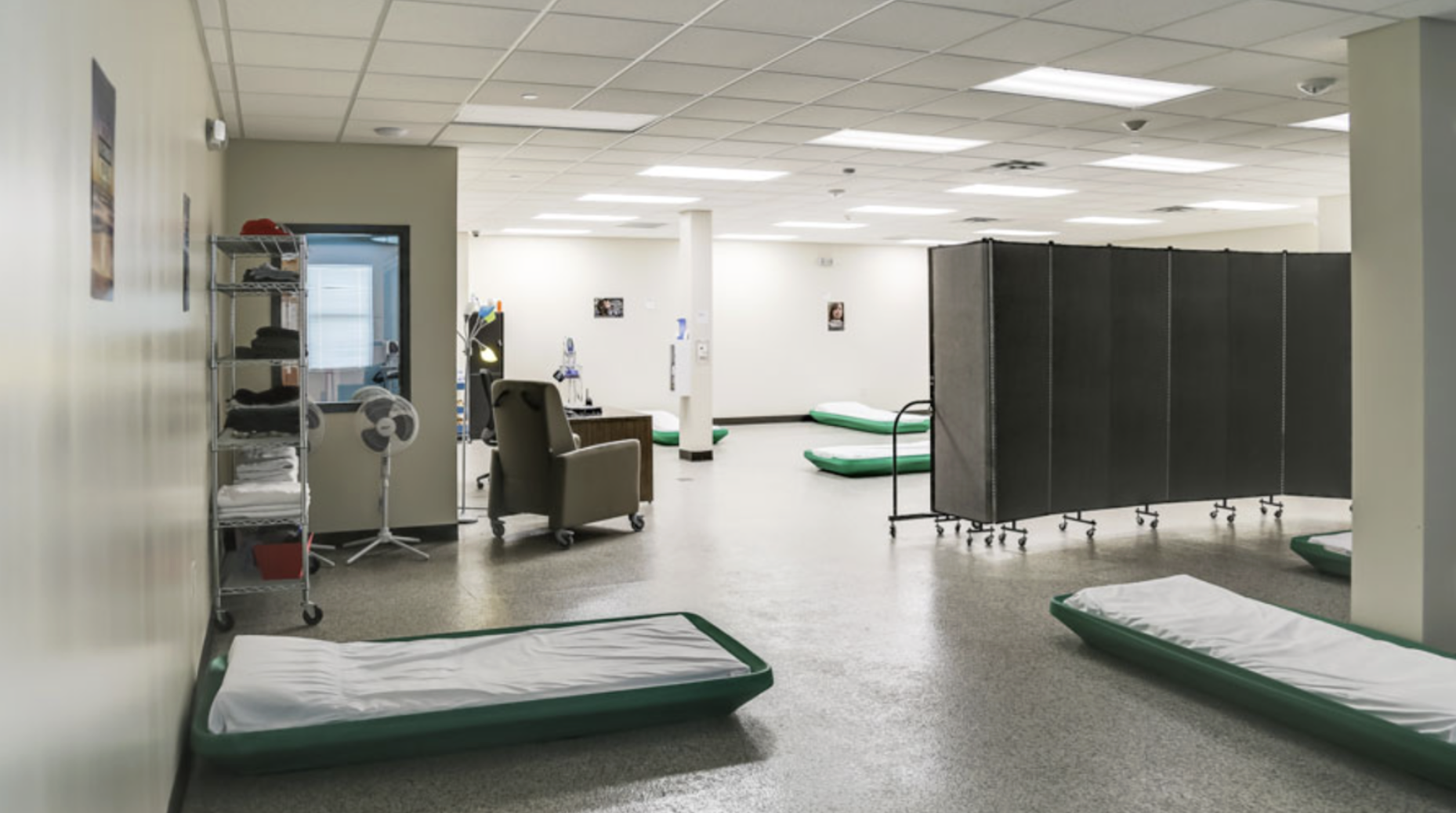
Tucson, Arizona’s “First-Of-Its-Kind” Sobering Center Will Provide “Treatment And Overnight Stay.” For KOLD, Ashley Bowerman reports on the new medical facility, called the Sobering Alternative to Recovery Center, opening in early 2026, that “provides treatment and an overnight stay for individuals experiencing substance use disorder… instead of jail or a crowded emergency room.” The facility will have “15 overnight beds where people experiencing a substance use crisis can be connected to treatment and recovery resources” and trained medical professionals “will be available 24/7 to prescribe medications for opioid use disorders” with patients able to stay up to four days, if needed. Patients can walk in or be brought in by EMS, law enforcement, or transferred from hospitals.
2. Momentum For Clean Teams Around The Country.
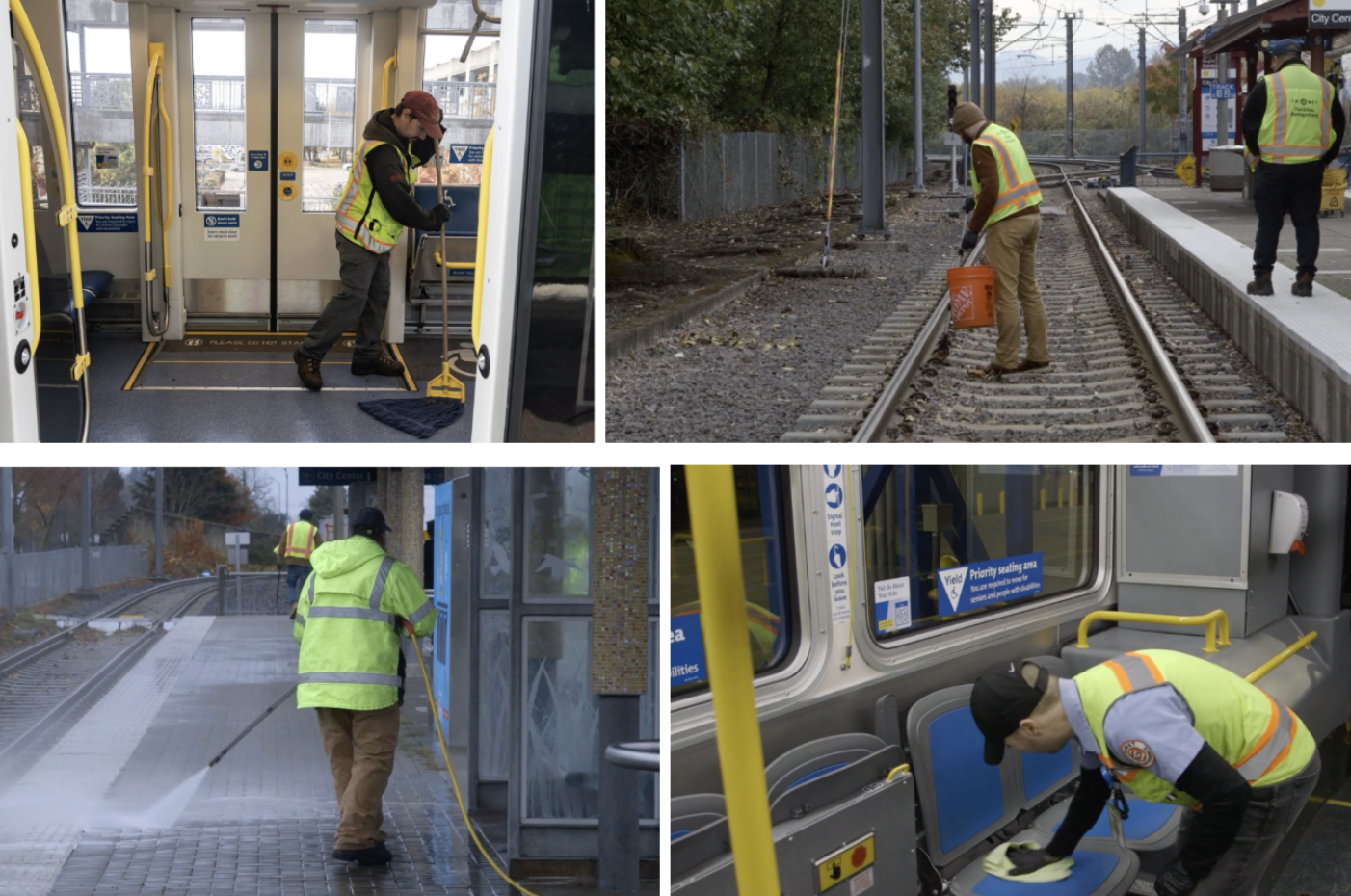
In Portland, Oregon, Transit Clean Team Breaks Annual Cleanup Record, And “Provide Extra Eyes On The System,” Improving “Safety, Helping Riders Feel… Comfortable.” For TriMet News Tyler Graf reports on TriMet public transit’s Clean Team crews breaking an annual record having engaged in cleanups on the city’s public transit system “more than 100,000 times” in 2025. The team works seven days a week removing “trash, graffiti, spills… pressure-washing platforms and cleaning trains throughout the day” and through the night providing “extra eyes on the system to ensure spaces feel safer, look better and remain inviting for riders.” As TriMet details, the clean team, outfitted in highly visible, bright green vests and jackets, has two core functions—first, of course, keeping transit clean and orderly, and second, being “out in force… reinforcing safety through their presence… [which] discourages vandalism, increases visibility and contributes to stronger safety outcomes” for riders and residents.
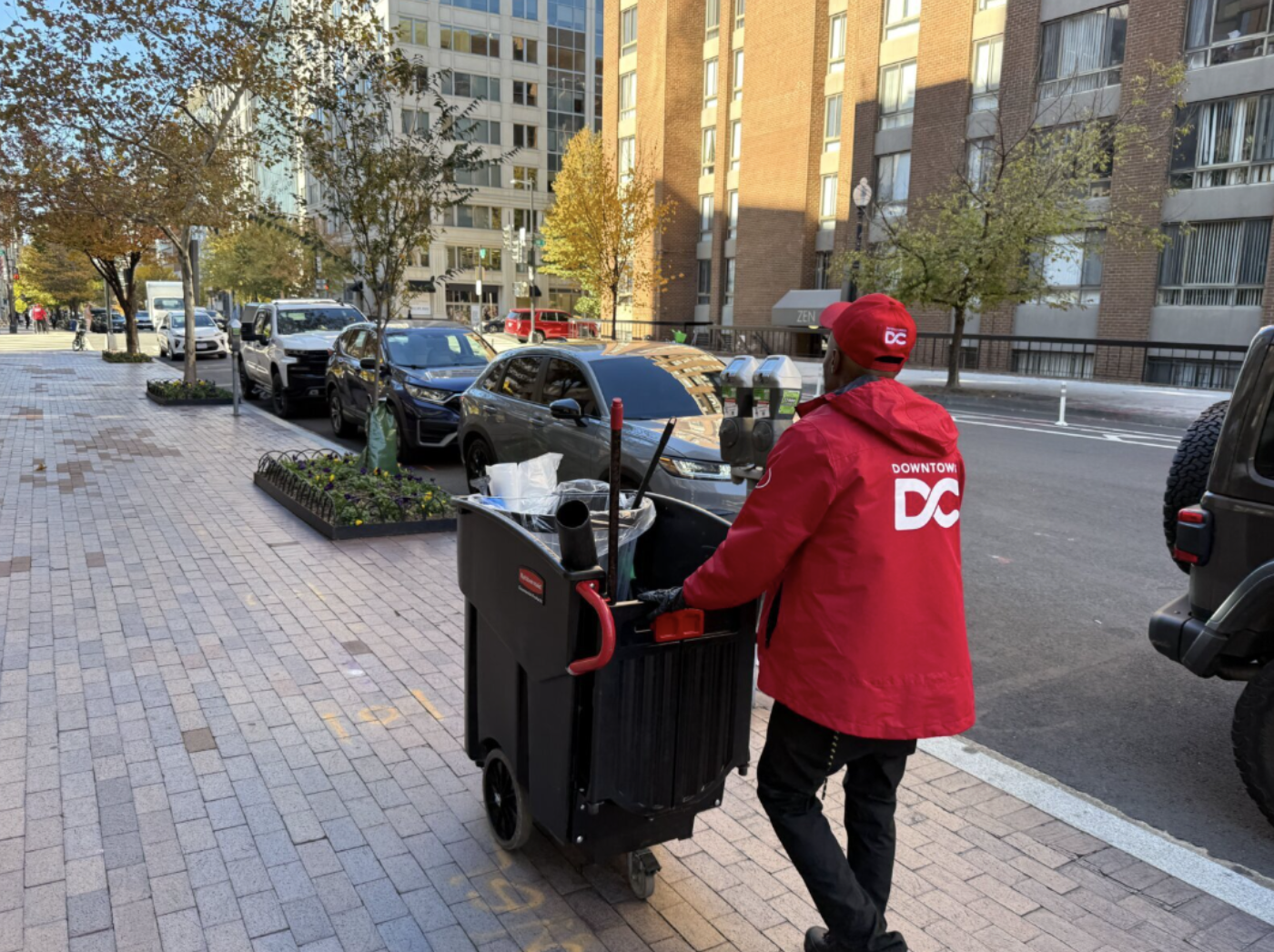
In Washington, D.C., Clean Team Keeps Downtown Safer And Cleaner, “All While Having A Smile On Their Face And Helping Any Visitor That May Cross Their Path.” For WTOP, Luke Lukert reports on the city’s new clean team, outfitted in bright red jackets and hats, who address everything from trash pickup, graffiti removal, street sweeping, needle cleanup to “spots that need more attention and maintenance, like busted street lights or broken benches and masonry in need of repair”—all while keeping an extra set of eyes on local businesses, and helping residents and visitors get to shops and transit safely. Each clean team member works “10-hour shifts… [and] patrols [a] roughly seven or eight block zone” and is equipped with everything “from grabbers and brooms, to leaf blowers and trash bags… [all loaded up on a] mobile trash cart hybrid.”
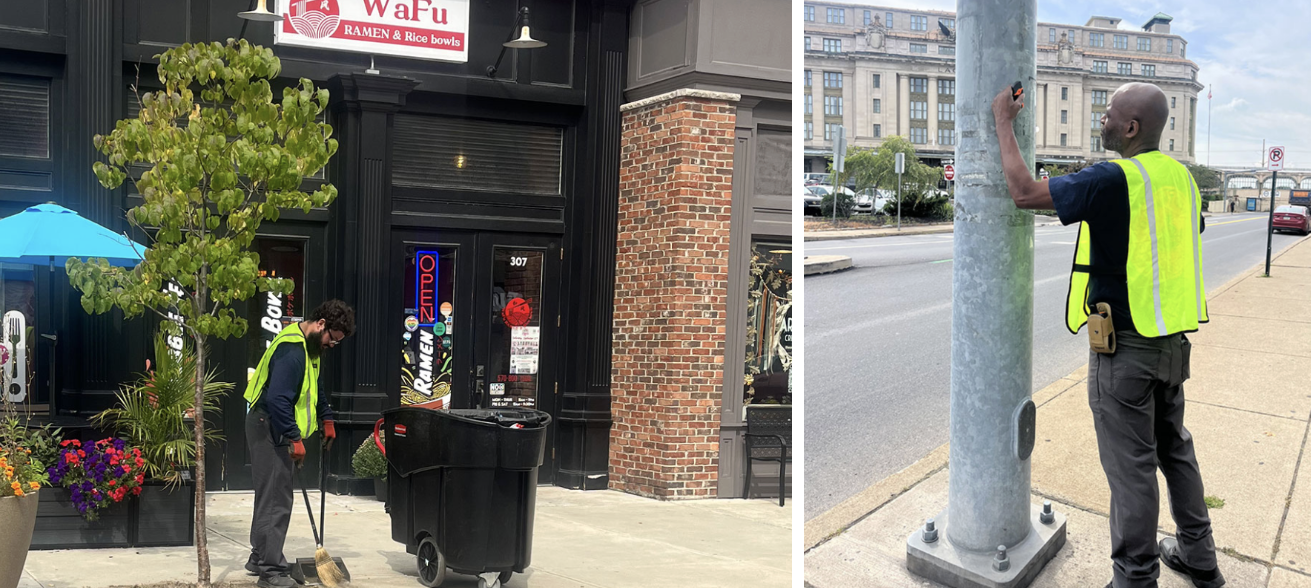
In Scranton, Pennsylvania, Clean Team Playing “Significant Role In How People Perceive The District, Its Economic Stability, And Opportunities For Future Growth.” Discover NEPA reports on the new clean team improving “cleanliness, appearance and visitor experience in the downtown business district.” The team does “sidewalk sweeping, graffiti removal, picking up litter, weed whacking, maintaining planters, snow and ice removal from sidewalk ramps and fire hydrants, event preparation and answering visitor questions about parking and amenities downtown.” Leslie Collins, president of Scranton Tomorrow, which oversees the clean team, explained the vital public safety role the team plays: “It’s a great feeling to glance down the street and see a cleaner landscape void of litter and weeds. The physical appearance of downtown plays a significant role in how people perceive the district in its entirety, its economic stability, and opportunities for future growth.”
3. Cities Turn To Crisis Stabilization Centers To Provide Mental Health Treatment, "As Opposed To Having The Police Take Them To Jail..."
In Augusta County, Virginia, New Crisis Stabilization Center Will Offer “Overnight Clinic, Mental Health Crisis Stabilization, And A Detox Center.” For the Staunton News-Leader, Lyra Bordelon reports on the county breaking ground on its new 20,000 square foot crisis stabilization center which will have “a mobile crisis response unit, community outpatient stabilization and a team that would respond to 911 calls with police where a mental health component is expected” with the goal of being able to “catch anyone in the community that is having a mental health crisis” before it escalates. The facility will offer short term care “where someone in a mental health crisis can go for up to 23 hours,” as well as longer-term care—“up to 15 days”—where patients can receive “crisis stabilization and detox.”
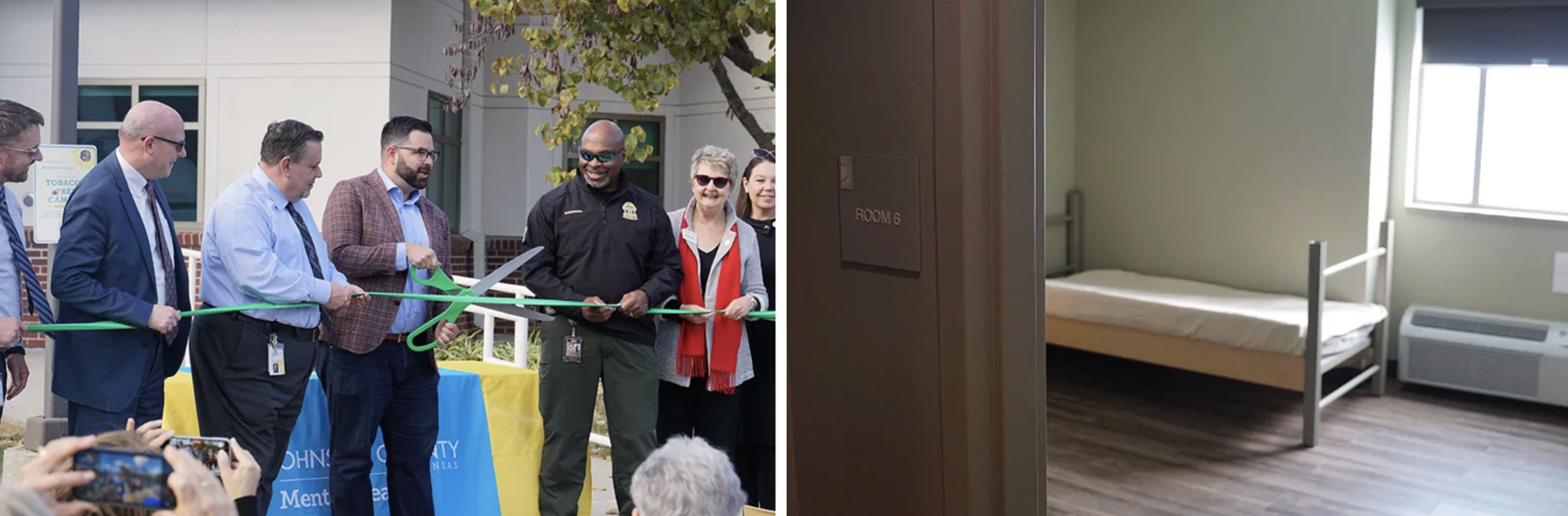
Johnson County, Kansas Opens New Crisis Stabilization Center That “Provides 24-Hour Care For People Facing Substance Use Issues And Mental Health Crises.” For The Johnson County Post, Andrew Gaug reports on the new facility which provides “24-hour crisis observation and stabilization… and treatment for adults experiencing a behavioral health crisis.” Tim DeWeese, director of the county’s Mental Health Center which oversees the new facility, explained to the newspaper that “people don’t … need to be in jail or be in an ER [to receive treatment]. They can call 988, they can connect with a professional, and then these beds are there if they need detox, they can go there if they need crisis stabilization… as opposed to having the police take them to jail… [they can come here now and] we can observe what’s going on and then determine the best course of action.” Local leaders also said that this facility is likely the first of “more adult crisis stabilization centers in the area” with “four full-service facilities” already in the planning stages in neighboring cities.
Flagler County, Florida “Breaks Ground On New Crisis Stabilization Center.” For The Observer, Sierra Williams reports on a new 23,000 square foot crisis stabilization center and residential facility, that county leaders broke ground on last month, that will “function as a 24/7 access point for both law enforcement and the public” where patients can receive mental health care and addiction treatment at no-cost. The facility will ultimately have 48 total beds for patients—“20 for the integrated stabilization unit and 28 for the residential facility.”
Related: NYC Health + Hospitals has launched a “$32.2 million initiative to support patients with complex behavioral health needs after they leave the hospital,” creating new Critical Time Intervention teams that provide “follow-up care for up to nine months.” The teams—“nurses, social workers, care managers, mental health professionals, and peer specialists”—will “accompany patients home on discharge day” and help them secure care, benefits, and stability in the community. Leaders say the CTI and Peer Bridger programs “extend our behavioral health continuum of care beyond the hospital walls” and help prevent people from “continuing to cycle through” hospitals or jails.