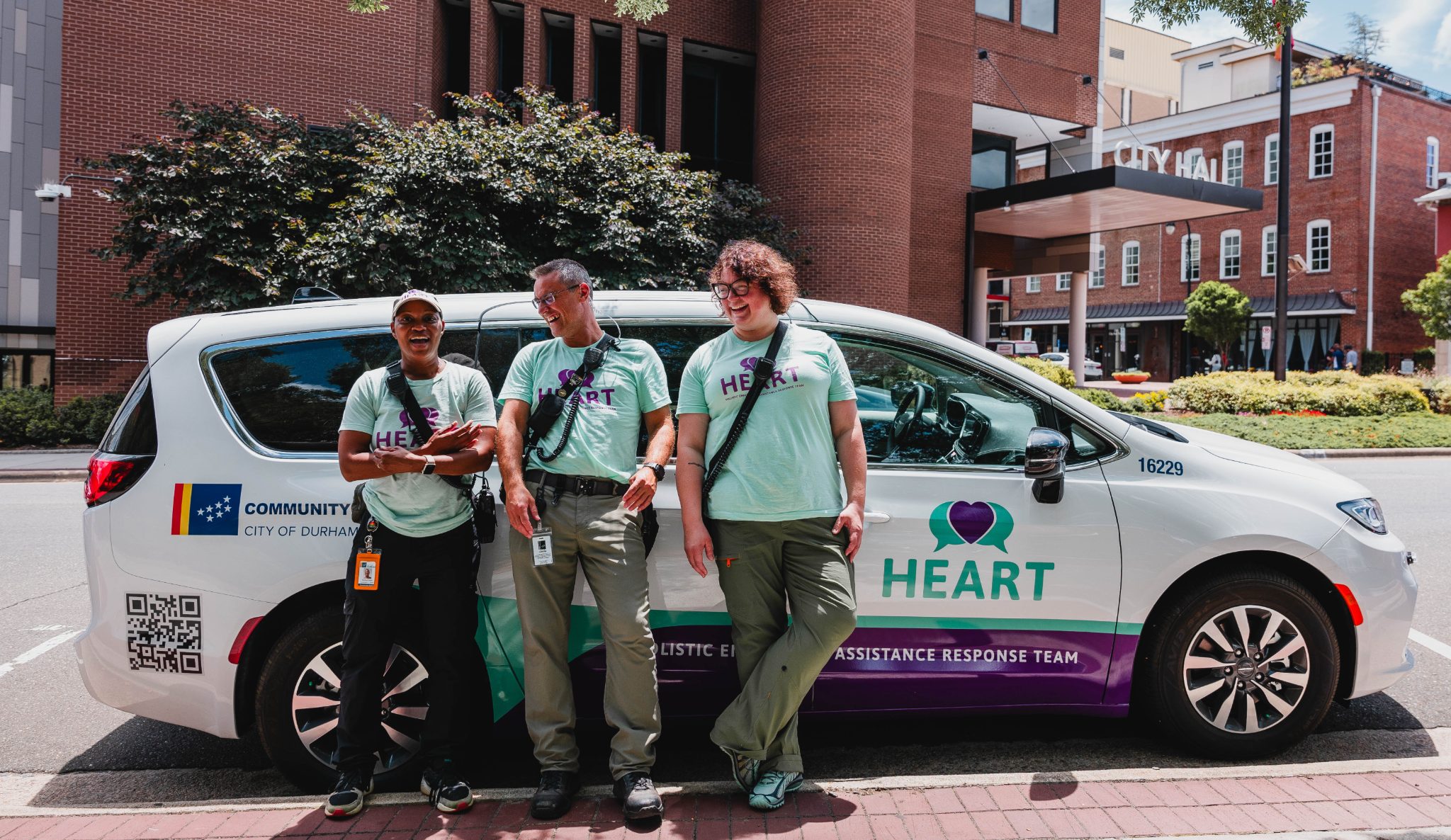
In a new report published by Vera, researchers analyze publicly available New York City 911 call data from January through December 2025 to better understand what residents are actually calling for—and who is responding. Using the NYPD’s Calls for Service dataset, the team developed a classification methodology to distinguish call types into meaningful categories. The analysis focuses on nearly 3.7 million calls assigned to NYPD, offering one of the clearest pictures to date of real-time community needs. Researchers found that “Fifty-eight percent of the 911 calls… did not involve a crime… [and] more than one million calls… involved a range of social and health-related issues.” The authors conclude this data “illustrate[s] the opportunity to expand alternative first response… aligned with evidence on effective crisis response.”
In a new report, researchers examined jurisdictions planning and operating centers, then compared findings on service capacity, staffing, funding, partnerships, evaluation, and implementation challenges to get one of the clearest pictures to date of what it takes to launch and operate a successful Crisis Stabilization Center. Researchers found that these centers are workable, increasingly common, and worth the effort—especially when jurisdictions plan deliberately, braid funding streams for stability, and build strong partnerships across public safety infrastructure—concluding that “the costs of establishing and maintaining a CSU… [are] worth the investment.”
Study: “Consistent, Long-Term Engagement” In Hospital-Based Violence Intervention Program “Can Cut Future Violence In Half.”