Three Things To Read This Week
1. Momentum For Mobile Crisis Response Teams Across The Country.
“Milwaukee County Behavioral Health Services Mobile Crisis Team Celebrates 30 Years” Of Service. For Spectrum News, Blake Dietz reports on Milwaukee County, Wisconsin being “trailblazers for mobile response”—operating one longest running mobile crisis response teams in the country, “dispatching clinicians and other mental health and social services professionals, directly to those who need help,” a model that has taken hold across the country.
The news station interviewed Enjoli Varnado, a psychiatric clinician on the mobile crisis response team for about a decade, who explained that the team “has made a significant impact” around the county: “‘We’ve helped to divert individuals from being criminalized due to their mental health…. We’ve helped to connect families’ … [and] also created safer interactions between law enforcement and those in crisis….” And their work continues to grow. As the Milwaukee Journal Sentinel reports, the mobile crisis response team served more than 6,000 patients last year—a 33 percent increase from the year prior.
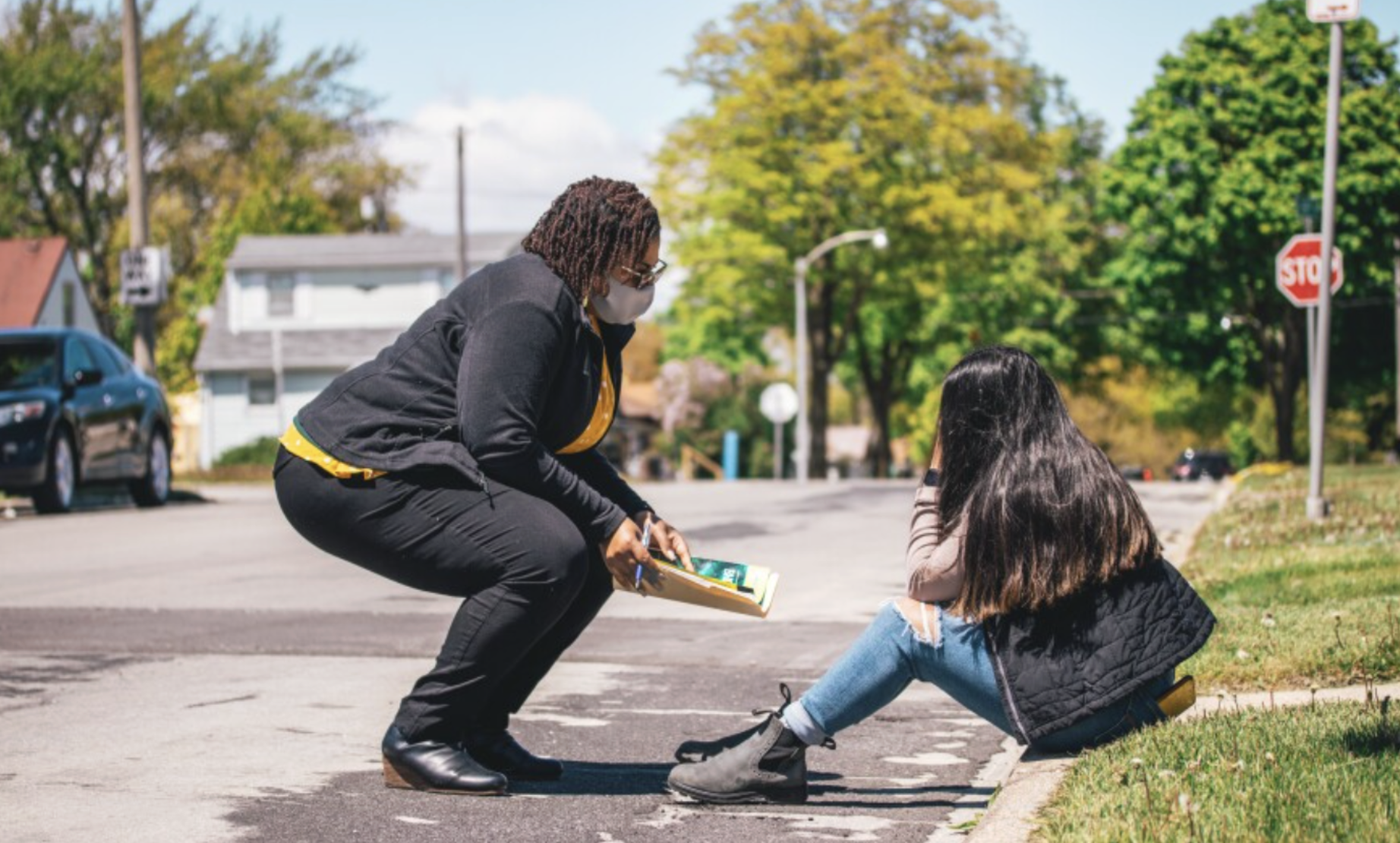
Ohio Youth Mobile Crisis Response Now Operational In All 88 Counties, Statewide At No-Cost. WSAZ in Columbus reports on Gov. Mike DeWine’s latest move to modernize the state’s public safety infrastructure through the expansion of the “Mobile Response and Stabilization Services” team, a no-cost mobile crisis response division providing “immediate in-person assistance to youth suffering from a mental health crisis… available at no cost for children and young adults aged 20 and under who are experiencing mental, emotional, or behavioral diseases.”
The team—composed of “social workers, peer support, and other trained [medical] professionals who work with the young person and their family” during a mental health crisis—has been operational in 56 counties since summer, is “already making a positive impact,” Kennedy Chase reported for Spectrum News. Counties that have been operating the MRSS team have been seeing “better behavioral health outcomes, less juvenile justice involvement, fewer inpatient residential stays for children, and fewer children spending the night in emergency departments because of a behavioral health crisis,” Gov. DeWine explained. The mobile crisis team for youth is now operational “between 8 a.m. and 8 p.m., Monday through Friday, while tele-response teams will be available overnight with an in-person visit the following day.” Here’s how the program works, from Dayton Daily News:When a call comes in to 988—“about 18,000 calls, texts and chats [come in] each month” to the hotline—MRSS attempts to de-escalate the crisis over the phone, or “deploys trained professionals to help [youth] dealing with a behavioral health crisis” wherever they are located. The goal is to dispatch a provider within one hour.
Then, “after they de-escalate the situation, families receive follow up support for six weeks” after the initial call for service, helping to ensure that the young person remains stable and successfully returns to their normal routine.
MRSS can also offer extended “in-home services, and connections [to] peer support, skill-building opportunities, and prevention resources.” The state is planning to invest $51 million to serve anyone under 20 who is in need of mental-health crisis care.
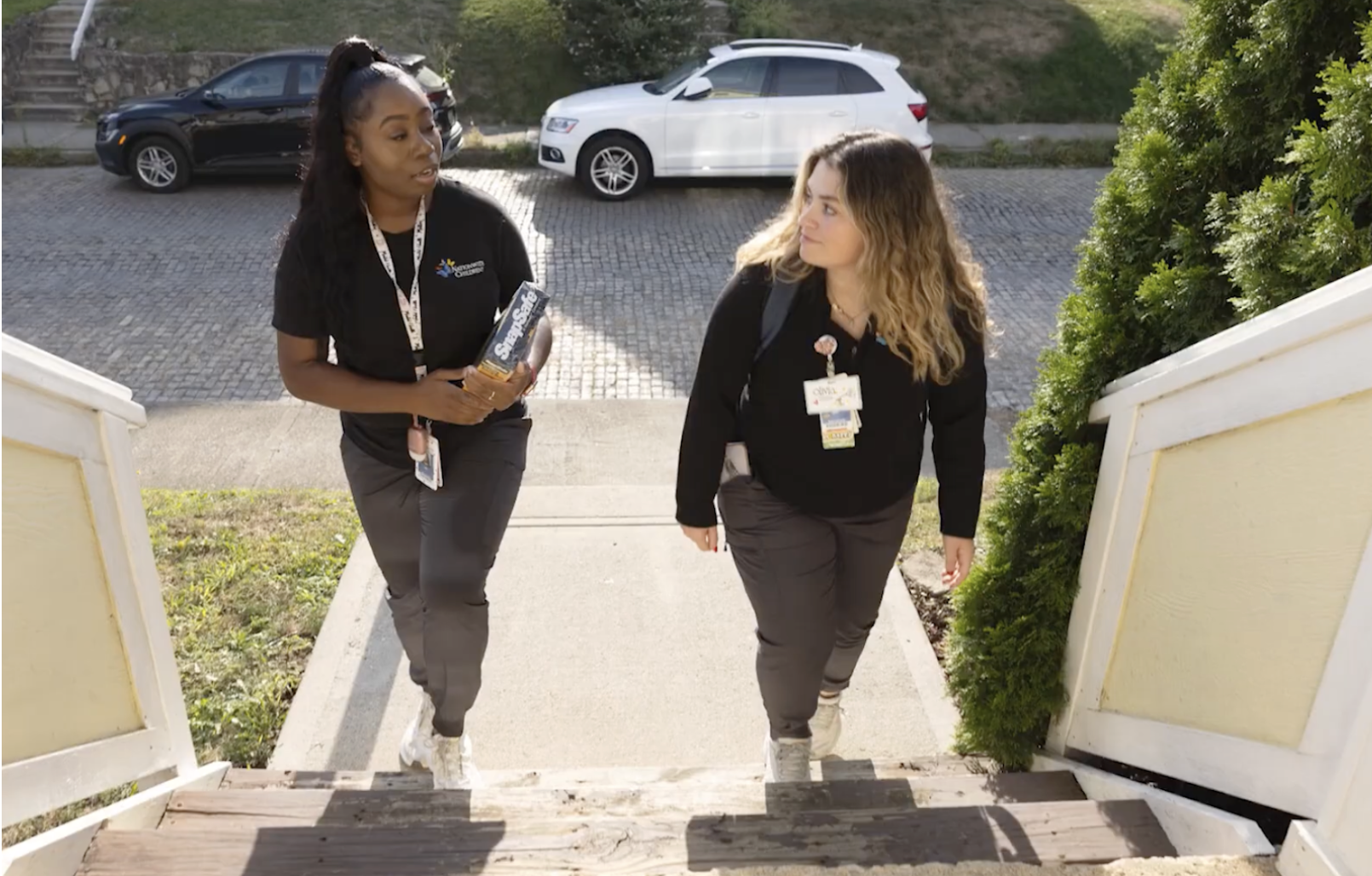
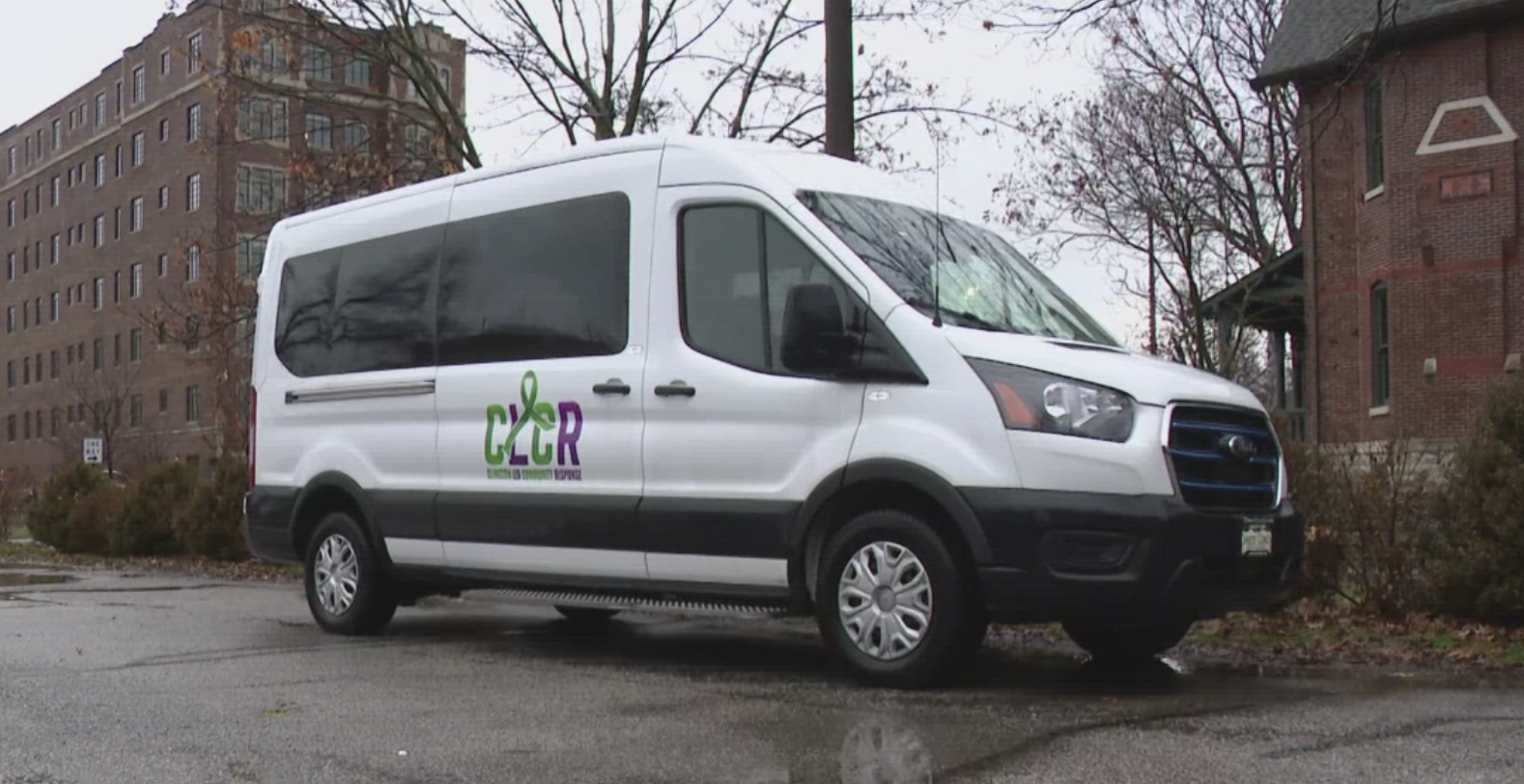
In Indianapolis, “Clinician-Led Mental Health Response Team Expands.” For WFYI News, Benjamin Thorp reports that city leaders have approved an expansion of the Clinician-Led Community Response team, which when launched in 2023 was isolated to downtown, but has since proven to be a valuable third branch of the public safety infrastructure of the city and will “now cover roughly 63% of the city.” When someone calls 911 in the city, “a dispatcher asks them a series of questions, including whether they are in need of support from police, EMS, or mental health services.” If mental health services are needed, the team is deployed and “sends mental health professionals instead of police officers” to “assist with people who do not necessarily need to be entangled with law enforcement because they are having a mental health crisis” instead of “flooding” local jails, “emergency rooms, [and] hospitals” with people who can instead receive immediate care from the CLCR team.
2. Two Studies: Community Violence Intervention Is Key to Reducing Gun Violence In Cities.
“New UVA Research Recommends Gun Violence Prevention Strategies For State, Local Governments.” For The Virginia Mercury, Charlotte Rene Woods reports on new research from the University of Virginia that “explores contributing factors to youth gun violence in Virginia as well as solutions at the state and local levels” and found that “holistic and comprehensive community responses [like Community Violence Interrupters] are effectively and creatively lowering the rates of gun violence.”
The full report—called “In Their Own Voices”—draws on 58 interviews with youth, community leaders, violence interrupters, and law enforcement across Virginia to understand the roots of youth gun violence and the solutions most likely to work. A core theme across interviews is that community violence intervention led by trusted, lived-experience practitioners is one of the most effective tools available. CVI efforts built around credible messengers, supportive relationships, and community-rooted problem-solving consistently emerged as what young people say actually helps them feel safe enough not to carry guns. The full report is worth your time, but here are some key findings on building effective CVI programs:Hire Credible Messengers With Lived Experience: “Employ people with lived experience” or create partnerships with organizations that do…because these adults “help young people choose a safer and wiser path.” Youth described that what works is simple but powerful: “…That’s all they want to hear—I got you. That’s it. That’s all they need. For somebody to tell them, I got you and I love you and you can do it. If you can tell them three things, they’ll do anything in the world for you.” The report also highlights people “with their own lived experience in the criminal justice system who were now trying to give back to their communities—often with scant financial resources—by interrupting the cycle of violence.” Their work focuses on preventing “a life-changing decision that don’t take but a minute…it’ll ruin your life.”
Create Safe Spaces Where Interrupters Can Actually Reach Youth Community: Community members said directly: “We have to create better spaces for kids…create safe spaces for kids…we need more…us as parents, us as adults—we need to do more.” Correspondingly, the report recommends localities “create safe spaces and services for young people” as core infrastructure for intervention.
Use CVI Leaders To Teach Youth How Social Media Fuels Violence: Social media was the most frequently cited cause of violence by youth. The report notes that “social media plays an outsized and dangerous role in turning individual, lower-level conflict into actual shootings” and recommends that community groups “teach youth about dangers of social media.” Interrupters are already confronting online dynamics that “accelerate and aggravate conflict.”
Use CVI To Help Target Hot Spots And Prevent Retaliation: Interviewees explained that “violence…really is happening in limited pockets of our community by certain actors and their associates” and that interrupters are uniquely positioned to understand those dynamics. The report recommends localities “use data to target…interventions” in these regions and deploy community partners who understand.
Study: How Chicago’s Community Violence Intervention Is Helping To Prevent Gun Violence. In a new report—“Why Might READI Chicago Work to Reduce Gun Violence?”—researchers at University of Chicago Crime Lab examined 220 hours of field observation, immersive qualitative interviews with 106 current and former participants, and extensive staff focus groups to understand how Chicago’s READI program—a major community violence intervention that combines cognitive behavioral therapy and paid transitional employment—is impacting individuals at the highest risk of shootings. As the authors explain, READI “successfully identified and engaged individuals at high risk of gun violence” and for key groups produced “unequivocal and substantial reductions in arrests for shootings and homicides.” Here are some of the key findings about what makes READI successful:
A 65% Reduction In Shootings And Homicide Arrests Among READI Participants: READI participants were extraordinarily high-risk: “35% had been previously shot and 98% had been arrested…with an average of 17 prior arrests” before referral. Researchers found that for those engaged through outreach workers, the program produced “unequivocal and substantial reductions in arrests for shootings and homicides,” amounting to “a 65% reduction” compared to control participants.
A Combination Of Employment And Behavioral Therapy Drives The Impact: The authors note that READI’s model is intentionally dual-track: “a combination of previously implemented evidence-based social service interventions – cognitive behavioral therapy (CBT) combined with supported jobs” delivered to men at the highest risk. Researchers note that while “employment programs on their own don’t reduce violence involvement,” READI’s strength lies in how the two components operate together to change decision-making, helping participants slow down and apply “the behavioral component” in real work and life situations.
Building Trust, Relationships With Staff Central To How READI Changes Behavior: Participants said READI staff made them feel “seen, valued, and cared for,” with participants describing the program as a “‘family’…they could reach out to in times of difficulty.” Outreach workers “taught me to communicate… put trust in people” and “made sure that we can trust… another person that’s trying to help you.” Participants emphasized that “the consistency of these elements made [them] feel safer,” with daily grounding exercises helping them “come together as one… and get our day going.”
Related: For Bay City News, Thomas Hughes reports that San Francisco is launching its first-ever violence prevention program in the Tenderloin. The one-year pilot will serve up to 20 youth ages 12–24 and will “feature after-school activities and space to gather, individualized support services, and outreach designed to help at-risk youth make good choices.”
3. Cities Turn To Safety Ambassadors To Enhance Public Safety, Reduce 911 Calls.
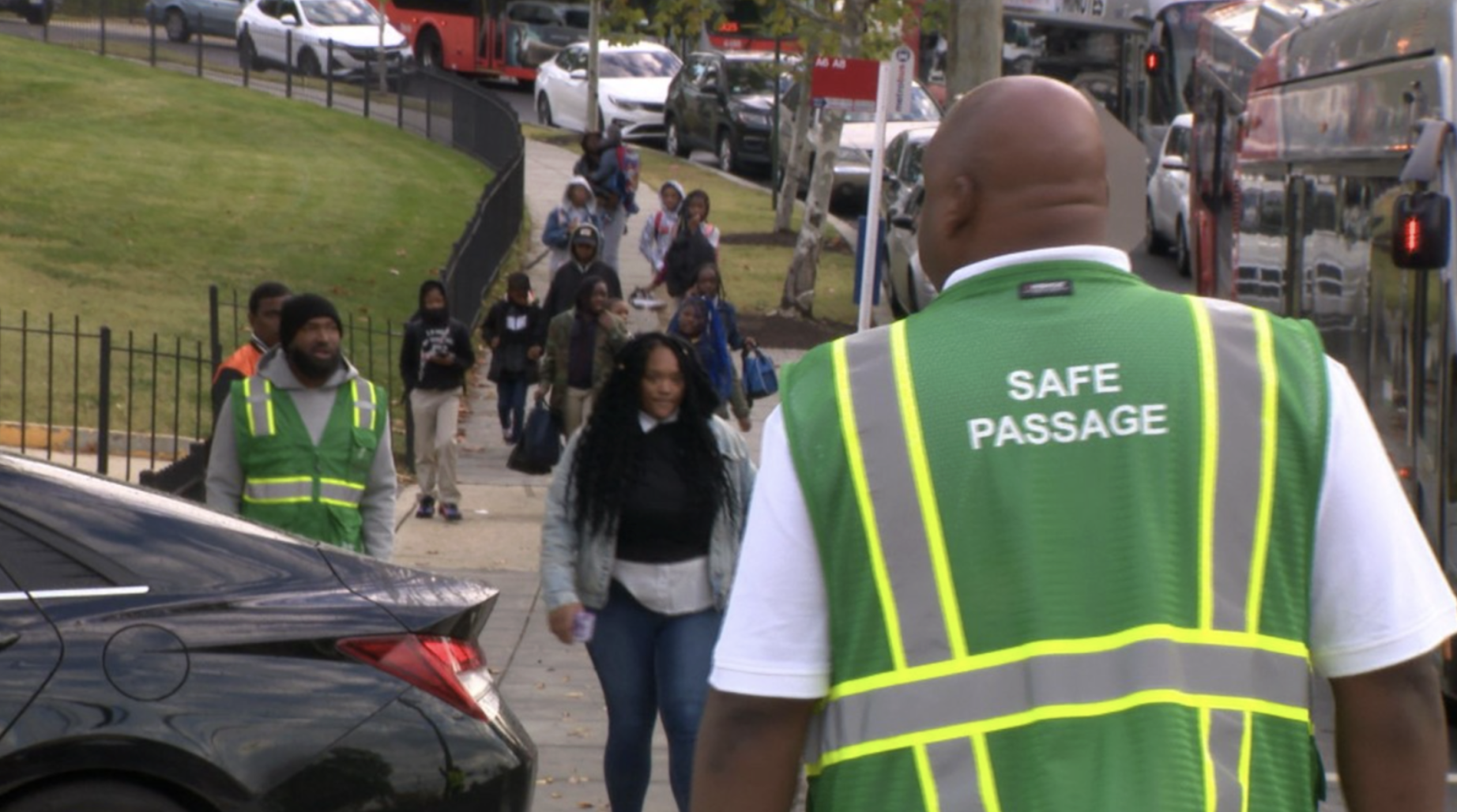
In Washington, D.C., Mayor Launches “Safe Passage Program [To Help Get] Students To School Safely.” For WTOP, Jimmy Alexander reports on the $9 million investment from Mayor Muriel Bowser that “places 200 Safe Passage ambassadors in more than 129 predetermined routes to ensure students can safely travel to and from school.” The safety ambassadors, uniformed in a highly visible “recognizable green vest” are assigned to “a total of 12 priority areas” in the city and “work in partnership with schools, build relationships with school staff, students, families and community members” and patrol “in the morning as kids make their way to school, and three hours after school lets out… all year long, [and] during summer school."
In San Francisco, “Downtown Ambassadors Cut 911 Calls In Half.” For The San Francisco Standard, Jillian D’Onfro reports that “the ambassador program reduced safety-related 911 calls at the stations by 53%... [and] the number of calls related to violent incidents such as fights, assaults, and robberies decreased by 67%,” during a recent 3-month pilot expansion at the Embarcadero and Montgomery BART stations in the city, “helping downtown San Francisco get its groove back.”