- “Game-Changing Crisis Center Opens Its Doors In Buffalo.” For The Buffalo News, Jon Harris reports on Best Response Intensive Crisis Stabilization Center, the “long-awaited facility to serve children, adolescents and adults experiencing a mental health or substance use crisis” finally opening its doors in Buffalo, that local leaders tell the newspaper “will be a game-changer for those in Western New York facing a crisis, but who previously had few options to seek the right level of help.” The new facility “will be open 24/7 and offer children and adults in crisis the ability to stay for up to [24 hours] and receive counseling, medication support and connections to follow-up care,” and helps to “ensure people are getting services in the right setting” by redirecting patients from hospital emergency rooms or jails.
Elizabeth Woike, who oversees the new center, explained that “when someone is in crisis, there are very few options… and not enough places specifically designed to meet people in that moment of crisis… [this] crisis stabilization center was created to fill that gap.” And this center is just the beginning. Robert Moon, deputy commissioner for the state’s office of mental health, told the newspaper that “there will eventually be 26 centers across the state – 13 intensive centers and 13 supportive crisis stabilization centers.” - Oak Park, Michigan, Opens New Crisis Stabilization Center “For People Experiencing Mental Health And Substance Use Crises.” For WXYZ, Meghan Daniels reports on the new crisis center that opened its doors in the city offering immediate treatment “for people experiencing mental health and substance use crises, providing an alternative” for first responders to take patients instead of emergency rooms or jail facilities, and “aims to fill a critical gap in mental health services by offering immediate care without long waits.” The trained mental health professionals who staff the facility take “a comprehensive approach to crisis intervention… looking beyond the immediate crisis, screening for social determinants of health and providing ongoing support as people navigate their next steps” after they receive care.
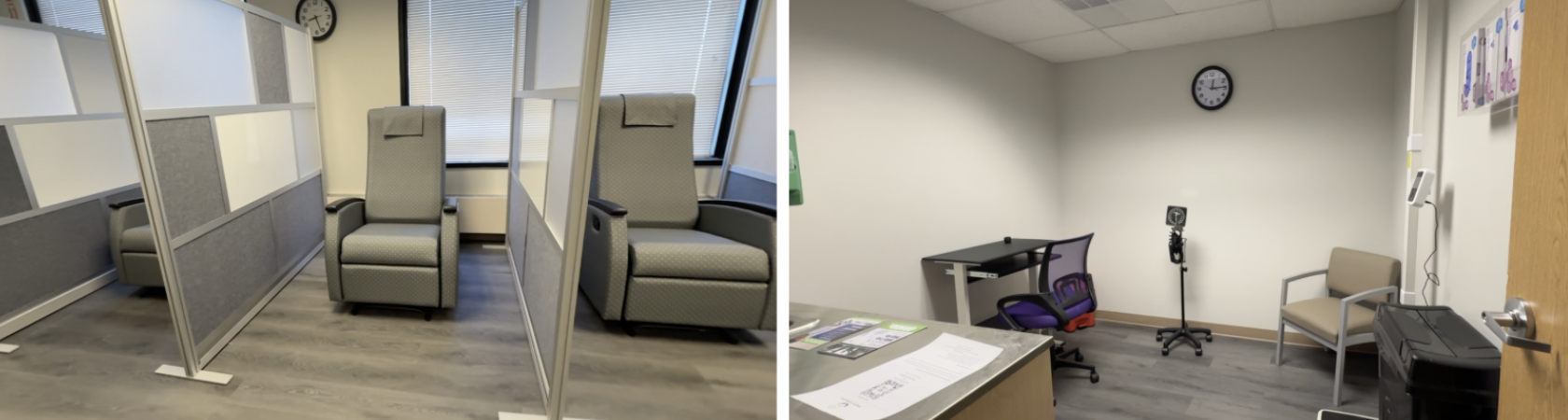
- In Prince William County, Virginia, Crisis Stabilization Center “Shows Early Success” With “Better Outcomes For Residents And Our Public Safety And Healthcare Systems.” Prince William Living reports on the new crisis stabilization center, which just opened in late October, already “demonstrating strong early results in supporting individuals experiencing behavioral health crises” serving nearly 200 patients “through its 23-hour observation unit” and transitioning nearly half of them into “short-term residential crisis services that provide therapy, medication support and stabilization.” The facility accepts patient drop-offs and referrals from local law enforcement and other first responders who need a place to take a person in crisis that isn’t an emergency room or detention facility. Lisa Madron, the county’s community services director, explained that, while early, this “model has been very successful, particularly in lowering the out-of-placement for individuals under emergency custody orders and temporary detention orders.” The trained staff at the facility treat the acute crises patients exhibit when they arrive at the facility, and then “connect individuals to the most appropriate level of care, while supporting recovery and community reintegration.”