Civilian traffic responders are non-police personnel who take on lower-risk roadway duties that do not require the authority of a sworn officer, including directing traffic, investigating routine crashes, assisting stranded motorists, addressing abandoned vehicles and handling other roadway issues. As Safer Cities recently reported, researchers at the NYU School of Law highlighted civilian traffic response as one way cities can avoid “wasting police resources on low-efficacy activities,” shifting appropriate traffic responsibilities to civilian responders while allowing officers to focus on dangerous driving, violent crime and higher-priority calls for service.
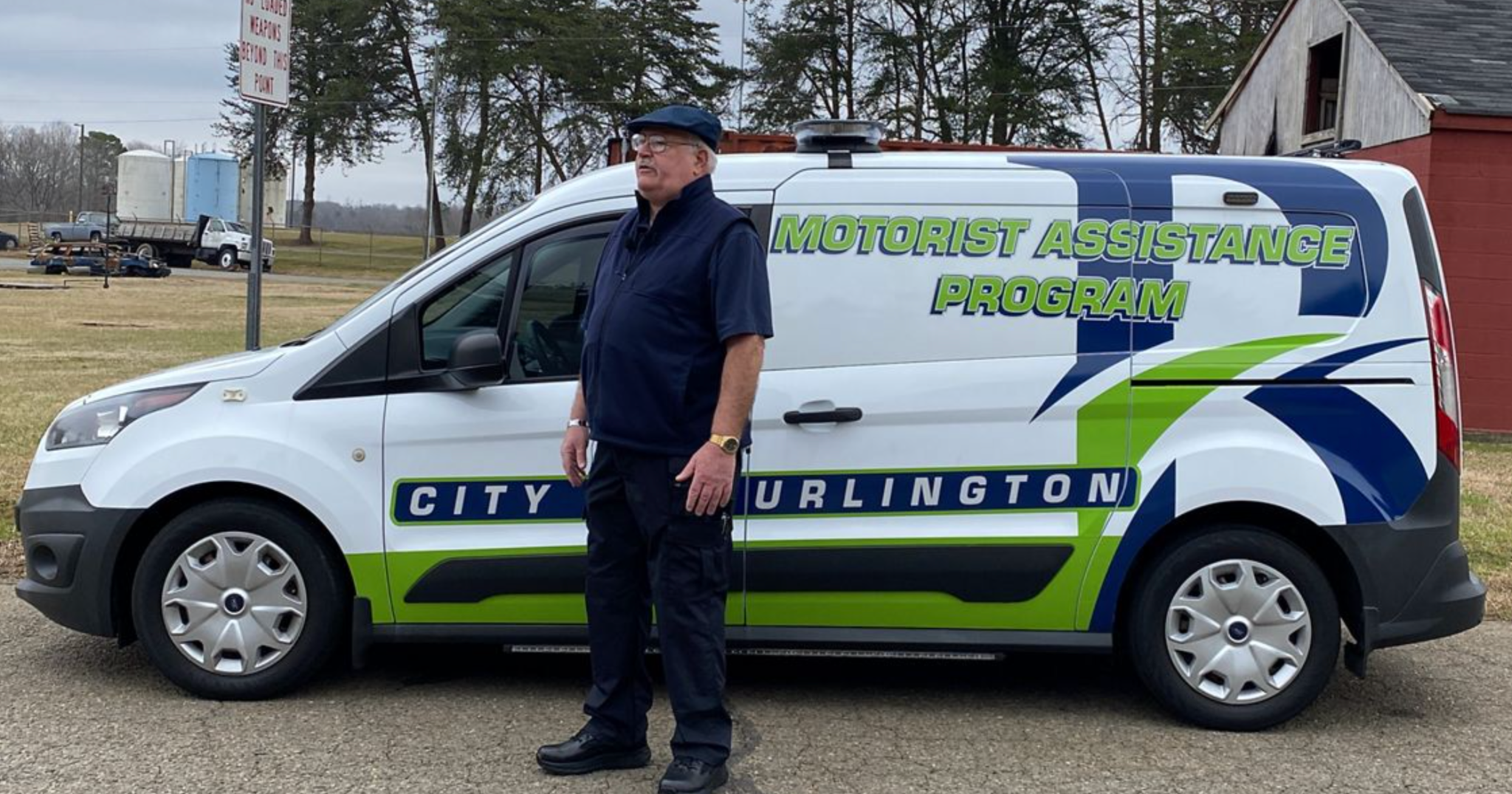
Cities can structure those teams in different ways. Philadelphia houses its Public Safety Enforcement Officers within the Department of Streets, where civilians handle traffic control, special events, abandoned vehicles, illegal parking and other lower-level traffic duties. When the program launched, WHYY reported that the officers were “part of 125 civilians who will take over jobs that had been exclusively done by police officers,” handling “everything from directing traffic to writing tickets and ordering abandoned vehicles removed from city streets.” Burlington, North Carolina, takes another approach, housing its Civilian Crash Investigators within the Police Department itself, similar organizationally to some early civilian mobile crisis response teams that were embedded within police departments, where they investigate routine non-injury crashes, direct traffic and assist motorists while sworn officers remain available for calls requiring police authority.
Safer Cities recently spoke with Philadelphia Streets First Deputy Commissioner Richard Montanez and with Burlington, North Carolina Police Lieutenant David Turner about their two programs:
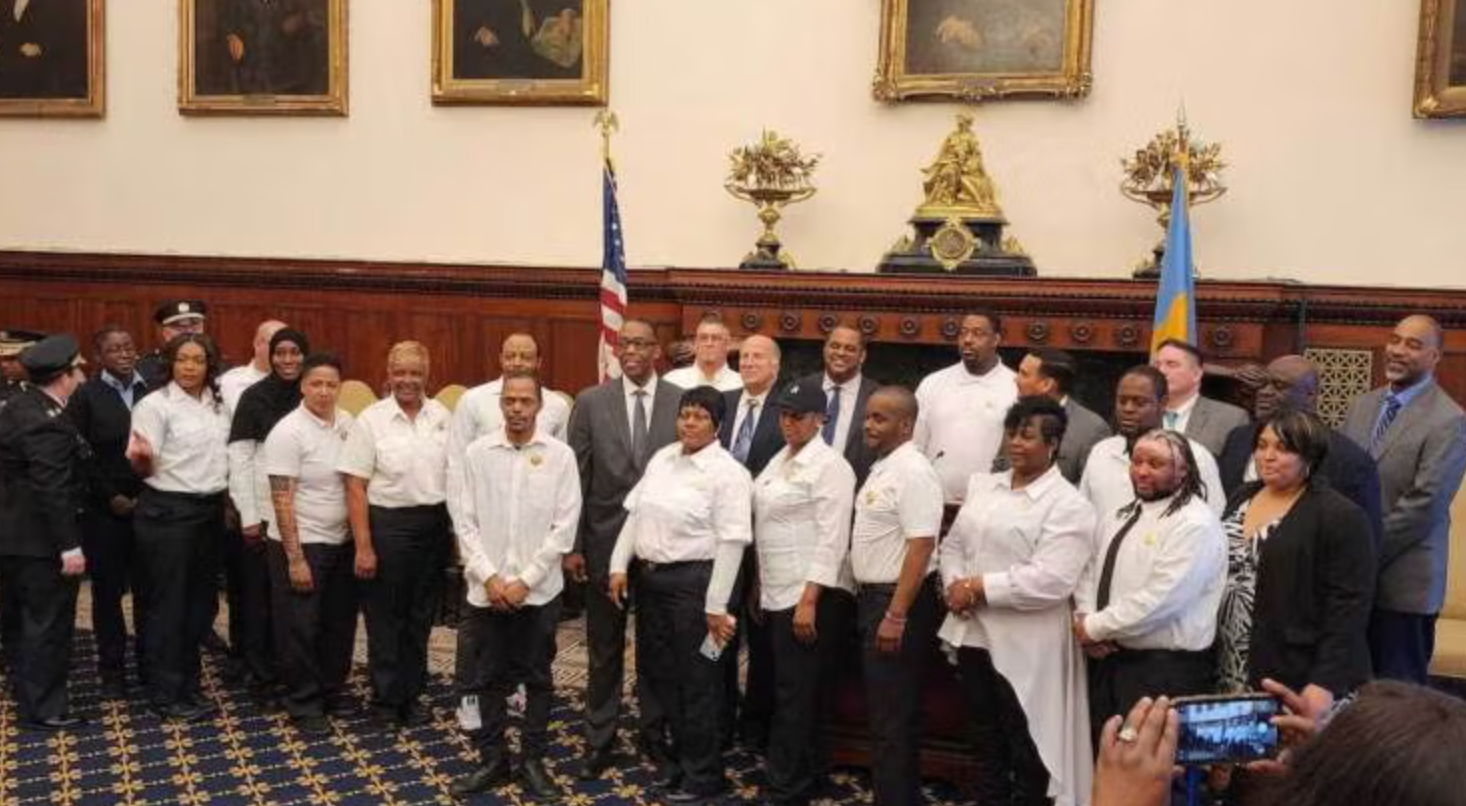
Philadelphia Department Of Streets:
- On Supplementing Police With Civilian Traffic Enforcement: “Philadelphia utilizes Public Safety Enforcement Officers to supplement our Police force… the PSEO’s help with traffic control, crowd control in special events, abandoned cars, illegal parking and other minor issues.”
- On Keeping Traffic Moving Until Congestion Clears: “If our PSEOs notice a traffic backup, they will keep the intersection clear and remain on post until the congestion subsides.”
- On A Growing Partnership With Philadelphia Police: “The relationship has grown, and requests for PSEO have increased. We do work closely with PPD as the PSEOs are a supplement to PPD…”
Burlington Civilian Crash Investigators:
- On Freeing Officers For Higher-Priority Calls: “In 2025, Burlington’s CCI staff investigated 910 crashes, representing approximately 37% of all crashes reported to the department… handling more than one-third of the department’s crashes through civilian personnel clearly represents a significant increase in sworn officer availability and operational capacity.”
- On Providing Faster Service At Routine Crashes: “CCI members regularly dispatch themselves to the call and immediately respond to that location, which decreases the department’s overall response time… Post-implementation of the CCI program has decreased wait time substantially below a half-hour, and there were no reported complaints from community members having to wait extended amounts of time when CCI members are on shift.”
- On Becoming Part Of The City’s Daily Operations: “The CCI / sworn officer relationship within our agency remains fully harmonious… If they see an officer responding to a crash the CCI can investigate, they will call that officer on the radio and volunteer to respond in their place to keep them available.”