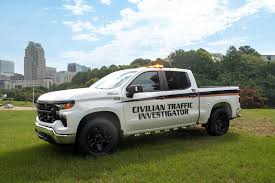
A new report from researchers at the NYU School of Law examines evidence-based strategies for improving roadway safety while reducing overreliance on traditional police traffic enforcement. While the report broadly focuses on roadway safety, municipal finance, and infrastructure design, one section offers several alternative-response models that cities and counties could use to reduce the burden on law enforcement by shifting low-level traffic responsibilities to civilian responders and non-police systems. The researchers find that many communities are “wasting police resources on low-efficacy activities,” noting that officers in some jurisdictions spend tens of thousands of hours on traffic stops that produce “no enforcement action or discovery of contraband or evidence,” and that civilian traffic response teams, repair-voucher programs, and targeted roadway safety strategies could be part of a larger strategy to keep roads safe while allowing officers to focus on higher-priority calls for service. Here are some of the teams and programs that the researchers highlight that could reduce strain on law enforcement while also providing faster response times to motorists:
- Civilian Traffic Responders For Nonviolent, Low-Level Traffic Incidents. The report highlights emerging “civilian enforcement” models where non-police personnel handle certain traffic-related issues that “barely have an impact on roadway safety,” allowing departments to focus sworn officers on dangerous driving, violent crime, and emergency calls. Researchers said communities are increasingly exploring alternatives for handling equipment violations, parking issues, crash documentation, and other low-risk traffic matters without requiring armed officers.
- Vehicle Repair Voucher Programs. Researchers highlighted the “Lights On!” program in Twin Cities, Minnesota, which replaced tickets for broken headlights and similar equipment issues with free repair vouchers that drivers can redeem at participating auto shops. The report notes that some departments now “mail the vouchers instead, so no stop takes place,” while others distribute them during community events. Researchers found that “one in five people surveyed said they would have been ‘unlikely’ or ‘very unlikely’ to repair their equipment without a voucher,” while police agencies supported the program as “a way to build community relationships, achieve safety, and help the people who need it most.”
- Refocusing On Dangerous Driving, Not Administrative Violations. The report found that many agencies spend significant time on traffic stops unrelated to dangerous driving, even though “speeding and not wearing a seatbelt pose far greater safety risks.” Researchers argued that departments should prioritize responses to impaired driving, reckless driving, and high-crash corridors while reducing enforcement activity tied to equipment issues and paperwork violations that consume officer time but have limited roadway safety benefits.