1. Report: Cities Are Building Community Safety Departments To Prevent Violence, Respond To Crises And Improve Public Safety. For The New Republic, Tahir Duckett examines how cities across the country are creating dedicated community safety departments to coordinate violence prevention, crisis response and other services that intervene before law enforcement becomes necessary. From Albuquerque and Seattle to Baltimore and Durham, these agencies are bringing once-scattered programs together into essential public safety infrastructure, with dedicated personnel and greater expectations for coordination, accountability and rapid response. Duckett writes that the approach could fundamentally change how cities build safer neighborhoods: “The reward for this focus could be that, for the first time, local governments could have infrastructure specifically designed to build safety through prevention and early intervention—not just law enforcement and incarceration.” Here’s more from Duckett on how cities and counties can successfully build community safety departments:
- Giving Community Safety Its Own Department, Equal To Law Enforcement, Fire, And EMS. “Community safety interventions are best understood and organized separately from law enforcement—not in opposition to law enforcement but because… relying on enforcement and coercion can undermine the core ethos of community safety. The very point of these agencies is to develop city infrastructure that can intervene before law enforcement becomes necessary.” Cities are recognizing that community safety needs “its own home in the municipal ecosystem—and its own well-trained personnel.”
- Making Crisis Response As Reliable And Rapid As Law Enforcement Response. “These new community safety agencies are often leveraging services that already exist,” addressing “long-standing problems in municipal governance related to siloing and reliable investment in and delivery of services.” Previously, “a trained clinician … may take hours, or days, to arrive.” Now, instead of considering these programs “charitable and ‘nice to have,’” cities are “beginning to build them into the city’s safety infrastructure as critical assets that must be deployed as reliably, and sometimes as rapidly, as law enforcement.”
- Research Shows Fewer Arrests, Reduced Violence And Better Outcomes. “Evaluations of crisis response programs in several cities indicate they reduce arrests, crime reports, and response times while increasing connections to immediate and follow-up services. One multisite study found the likelihood of arrest was 42.5 percent lower in the year following contact with a mobile crisis team.” Meanwhile, “a recent study of Richmond, California’s Peacemaker Fellowship found sustained reductions in firearm violence over the course of 14 years.”

Momentum For Community Safety Departments Around The Country:
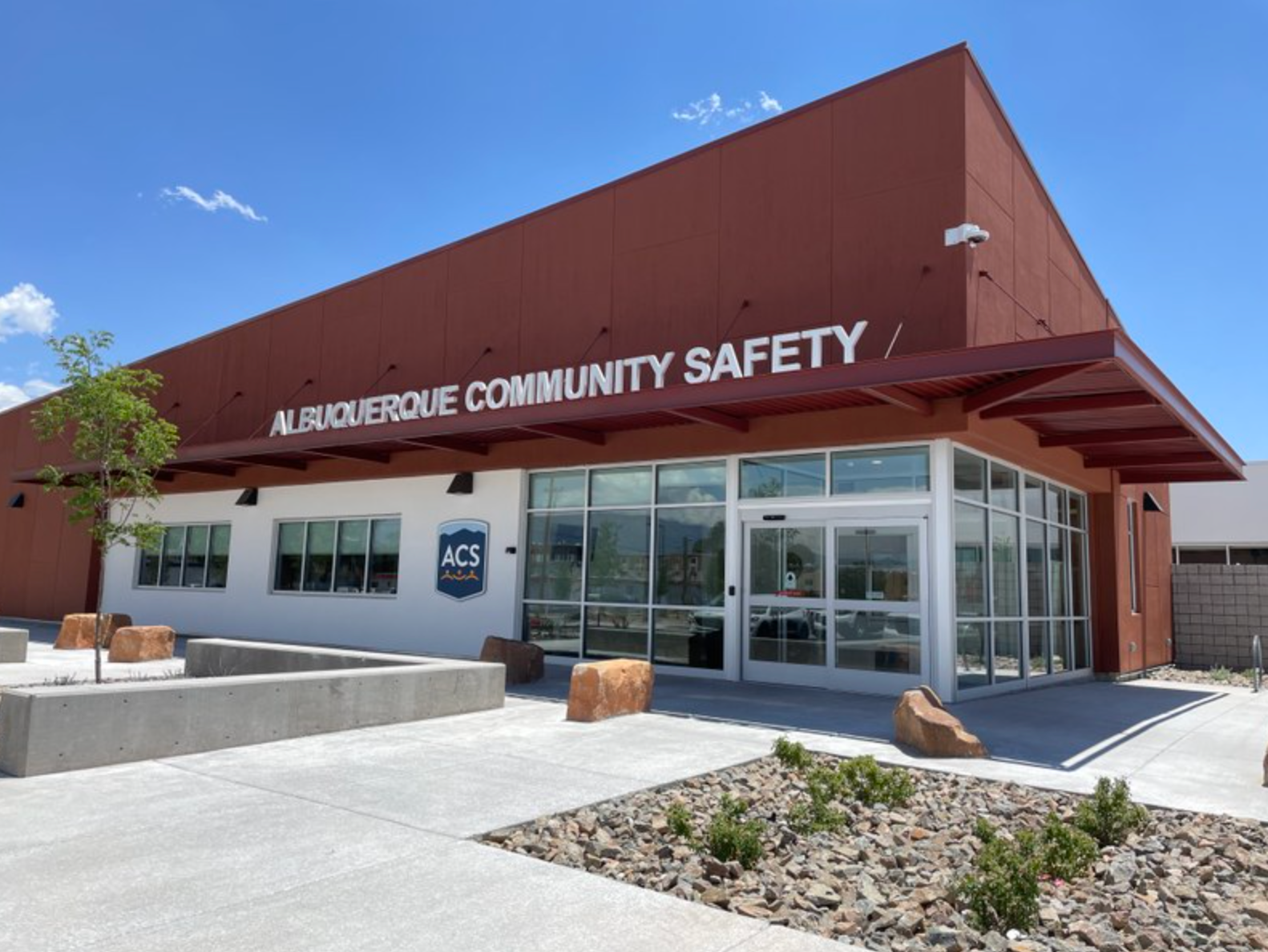
- Albuquerque Expands Community Safety Department’s School-Based Violence Intervention Program To 11 Schools. The City of Albuquerque announced that its Community Safety Department, or ACS, is expanding its school-based violence intervention program to seven additional schools, bringing the total to 11. Intervention specialists provide “on-campus support for students who are navigating violence, trauma, and disconnection from school,” connecting them to “housing, food security and job placement.” Since launching in 2022, the program has seen “GPA increases, higher graduation rates, [and] reduced suspensions.” Mayor Tim Keller said the city is “interrupting cycles of violence, while setting our kids up for future success.”
Launched in 2021 as the nation’s first Community Safety Department, ACS serves as Albuquerque’s third branch of public safety, responding to 911 and 311 calls involving behavioral health, substance use, homelessness and other needs. Since its launch, ACS has responded to more than 156,000 calls for service; in 2025 alone, its responders handled more than 42,000 calls and freed up more than 31,000 hours for police and firefighters. Recently retired Police Chief Harold Medina said ACS “bridges a gap, and provides residents with the response they deserve.” Read Safer Cities’ recent interview with ACS here.
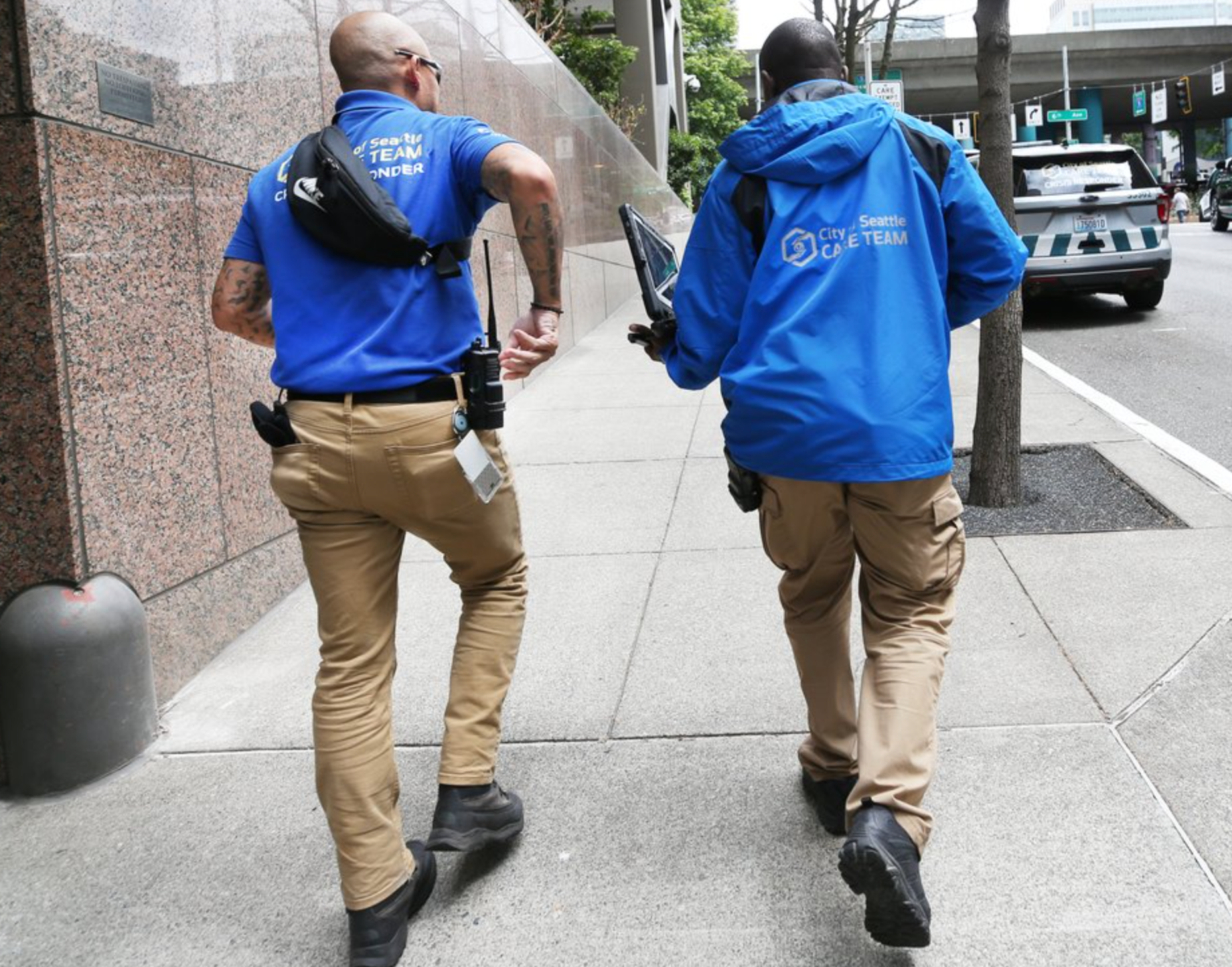
- Seattle Moves To Make Community Safety Department Its Gun Violence Prevention Hub, Bringing Nine Community Organizations Under CARE Umbrella. For Capitol Hill Seattle, Justin Carder reports that Mayor Katie Wilson’s new gun violence reduction plan would make the Community Assisted Response and Engagement Department the city’s “central command center for gun violence reduction,” transferring more than $5 million in contracts with nine community violence intervention organizations into CARE. The programs include “hospital-based support for gunshot victims and their families,” along with “outreach, conflict mediation, hotspot stabilization, and incident recovery.” CARE Chief Amy Barden explained to KUOW that “until now… Seattle’s public safety investments have been scattered around different city and county departments… [so] the main significance is just to have [the community safety] department act as coordinating entity… I’m very happy today that we’ve gotten to this point, because it slows us down to not be working together.”
Launched in 2023 as Seattle’s third branch of public safety alongside police and fire, CARE operates the city’s 911 Communications Center and deploys unarmed behavioral health responders to crises, welfare checks and other calls. Its crisis response team has grown from six to 40 responders, now operating citywide, with an average response time of 13 minutes. By early August 2026, responders had handled 6,279 calls, and are already poised to eclipse the 7,136 handled in all of 2025. Seattle Police Chief Andre Sayles praised the city’s new gun violence plan: “I think the best thing about this is it’s not a police-led initiative… It’s a collaborative initiative, but we’re going to be the backstop to work with all our internal and external partners.”
- Baltimore’s Community Safety Office Uses Data To Help Cut Homicides, As City Moves To Expand It Into Third Branch Of Public Safety. For StateTech, Mickey McCarter reports on how the Baltimore Mayor’s Office of Neighborhood Safety and Engagement, or MONSE, has built a public safety data operation to identify people most at risk of violence, target prevention programs and find gaps in services, as the city recorded just 133 homicides in 2025, down 31% and the fewest in nearly 50 years. After finding that more than 60% of shootings and homicides involved violent groups, MONSE developed systems to track interventions, connect agencies and assess whether residents were receiving services. MONSE Director Stefanie Mavronis explained: “When we can break the cycles of violence, when we can be more targeted in our approaches, get in front of the right people instead of just overpolicing entire communities, we can make an impact.”
Established in 2020, MONSE coordinates Baltimore’s Group Violence Reduction Strategy, ten Safe Streets violence intervention sites, hospital-based violence intervention and victim services. As of September 29, 2026, Safe Streets workers had mediated more than 1,036 potentially violent conflicts and connected more than 425 residents to supportive services, with six neighborhood sites reaching more than a year without a homicide. Baltimore is now proposing to establish a permanent Department of Neighborhood Safety as its third branch of public safety alongside police and fire, expanding MONSE and adding specialized civilian responders for nonviolent 911 calls.
2. Safer Cities Interview With Minneapolis’s Behavioral Crisis Response Team. Mobile Crisis Response Teams give 911 dispatchers the ability to send trained behavioral health experts instead of armed police officers to mental health emergencies, to reduce strain on law enforcement and improve treatment outcomes for people in the throes of a mental or behavioral health crisis.
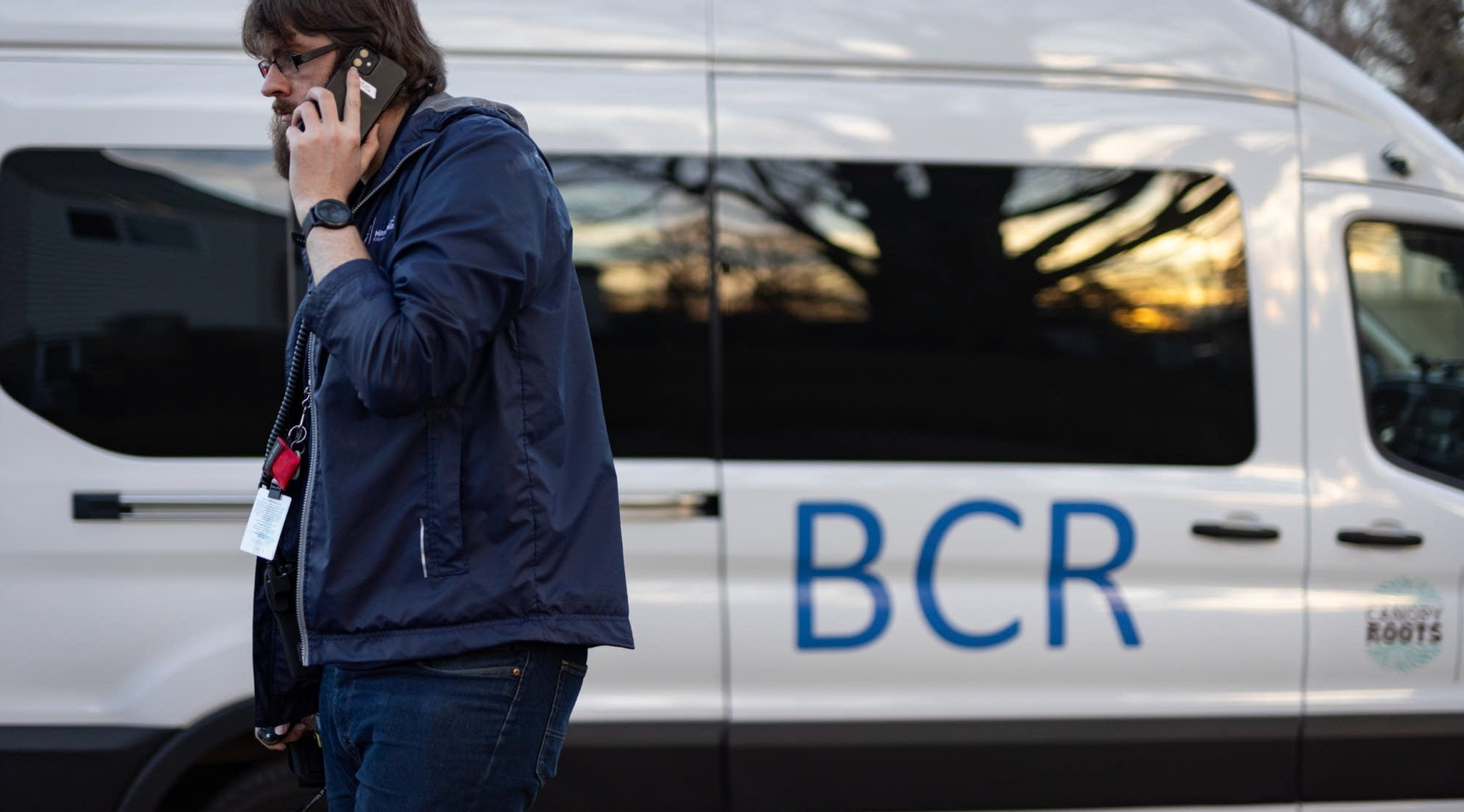
In Minneapolis, the Behavioral Crisis Response program, operated by Canopy Roots since 2021, provides free, 24/7 citywide response, helping people in crisis through de-escalation, counseling, transportation and connections to ongoing care. Since it first launched, the team has responded to more than 44,000 calls without any injuries to service recipients.
A 2026 independent evaluation by the Minnesota Justice Research Center examined nearly 11,000 calls for service and found strong community support for the program: among surveyed residents, 91% supported unarmed crisis response and 88% reported feeling safer knowing the program exists. The program has also earned high praise from law enforcement. Minneapolis Police Officer Christopher Perry told MPR News: “They’re a blessing, that’s for sure — it takes a lot of weight off our shoulders,” adding, “I wish there were more of them.”
Safer Cities recently spoke with Taylor Crouch-Dodson, Director of External Affairs at Canopy Roots, about how the program is changing emergency response, connecting residents to care and working alongside traditional first responders:
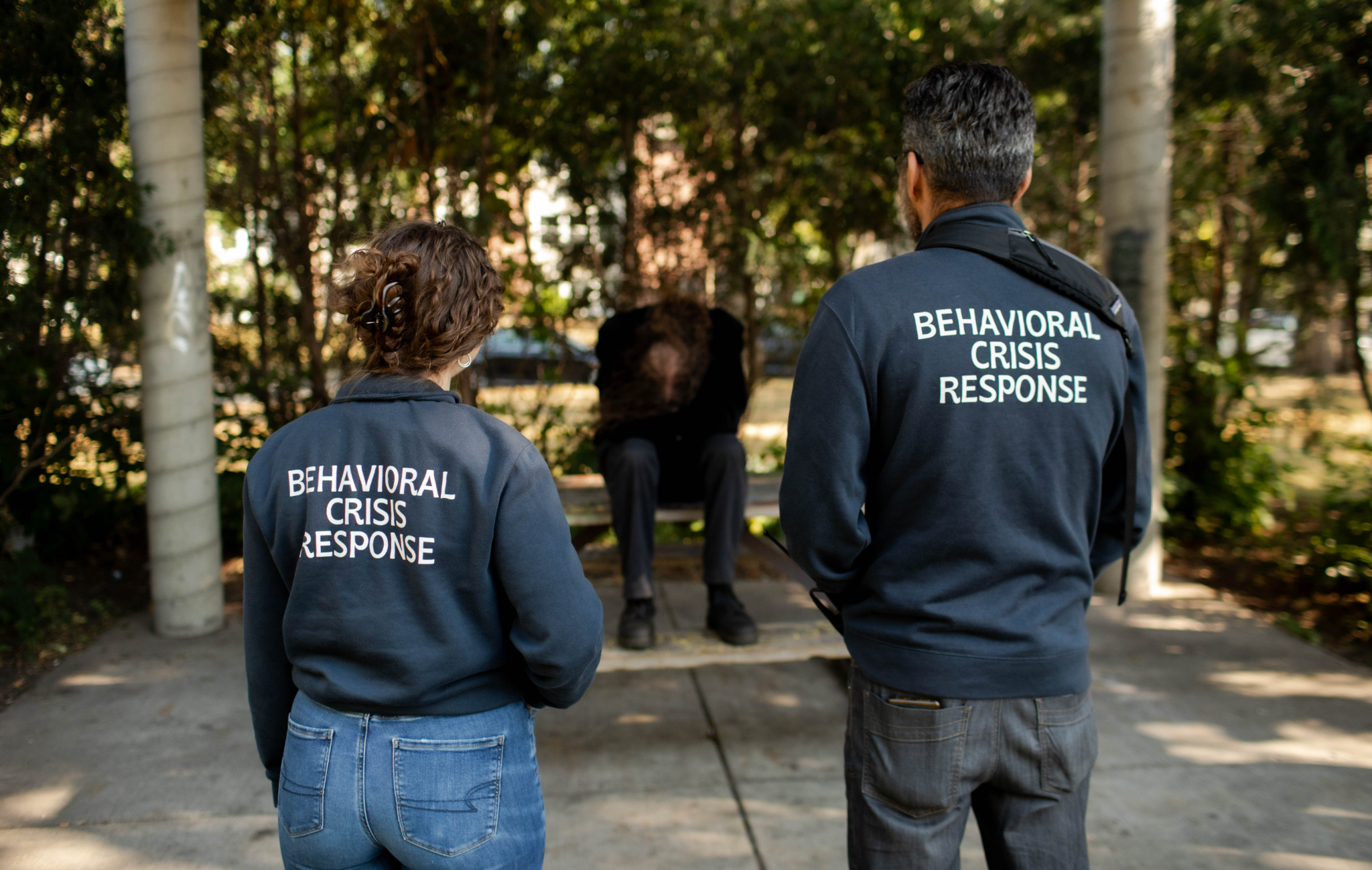
- On Helping Residents Feel Safe Calling 911 For Help: “The impact is not only operational. It also changes what it can mean for a resident to call 911 during a mental health crisis. Many people, particularly those from communities that have experienced disproportionate harm in traditional public safety and healthcare systems, may hesitate to call for help because they are worried about what kind of response will arrive. Knowing that an unarmed behavioral health team can be dispatched creates another pathway into the emergency response system… At Canopy Roots that matters, because for us an effective crisis response system is not only about providing an effective, compassionate response and reducing workload for other first responders; it’s also about making it more likely that people will seek help when they need it.”
- On Connecting People To Treatment Beyond The Immediate Crisis: “A good crisis response does not end simply because the immediate situation has been stabilized… Our Responders assess what the person needs, identify existing supports, and work with them to determine what should happen next. That may include connecting someone to a mental health or substance use provider, shelter or housing resources, medical care, a trusted family member or community support, or providing voluntary transportation to a place where they can receive additional help… When possible, we focus on warm handoffs that reduce the number of barriers between the person in crisis and the next source of support… The goal is for the person to leave the interaction safer, with their dignity intact, and with a meaningful pathway to support that fits what they are ready for in that moment.”
- On Matching The Right Responder To The Right Crisis: “These response options are not operating in separate silos. Police can request BCR when they encounter a behavioral health need and determine the scene is appropriate for our team. BCR can also request law enforcement or EMS if circumstances change or if a situation requires resources outside our scope… Our teams regularly collaborate with these partners to better understand each other’s roles, improve call routing, and make sure the response matches the need… The goal is not to make BCR the response to every call. It is to build a public safety system where the person with the right training and expertise is able to lead the response, and where agencies can bring one another in when the situation requires it.”
3. Counties Launching Crisis Stabilization Centers To Connect People In Mental Health Crises To Treatment Instead Of Jails And Emergency Rooms.
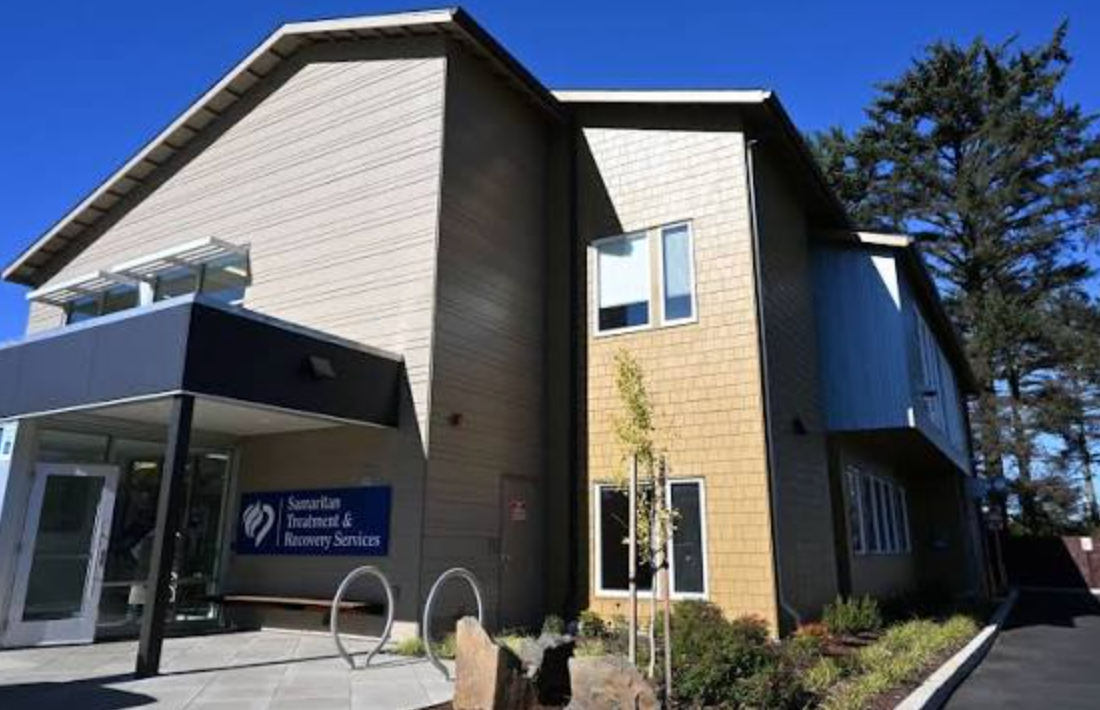
- Linn County, Oregon, Opens New Crisis Stabilization Center To Help People In Mental Health Crises Before They Reach “Already Busy Hospital Emergency Rooms” Or Face Jail Time. For Sweet Home News, Alex Paul reports on the county opening a new crisis stabilization center in Albany to “provide services to people of all ages who are experiencing mental health issues before they show up at already busy hospital emergency rooms, or become engaged with law enforcement, possibly resulting in jail time.” The facility features “individual assessment and counseling rooms, showers, a laundry room, and numerous recliners where people in crisis can rest in a quiet and peaceful environment… services will be provided regardless of anyone’s ability to pay,” and the county’s 14-member Mobile Crisis Team “will be based at the Crisis Center.” Oregon Gov. Tina Kotek, a champion of the center, explained that she wants to expand the program and eventually see a crisis center “in every Oregon county.”
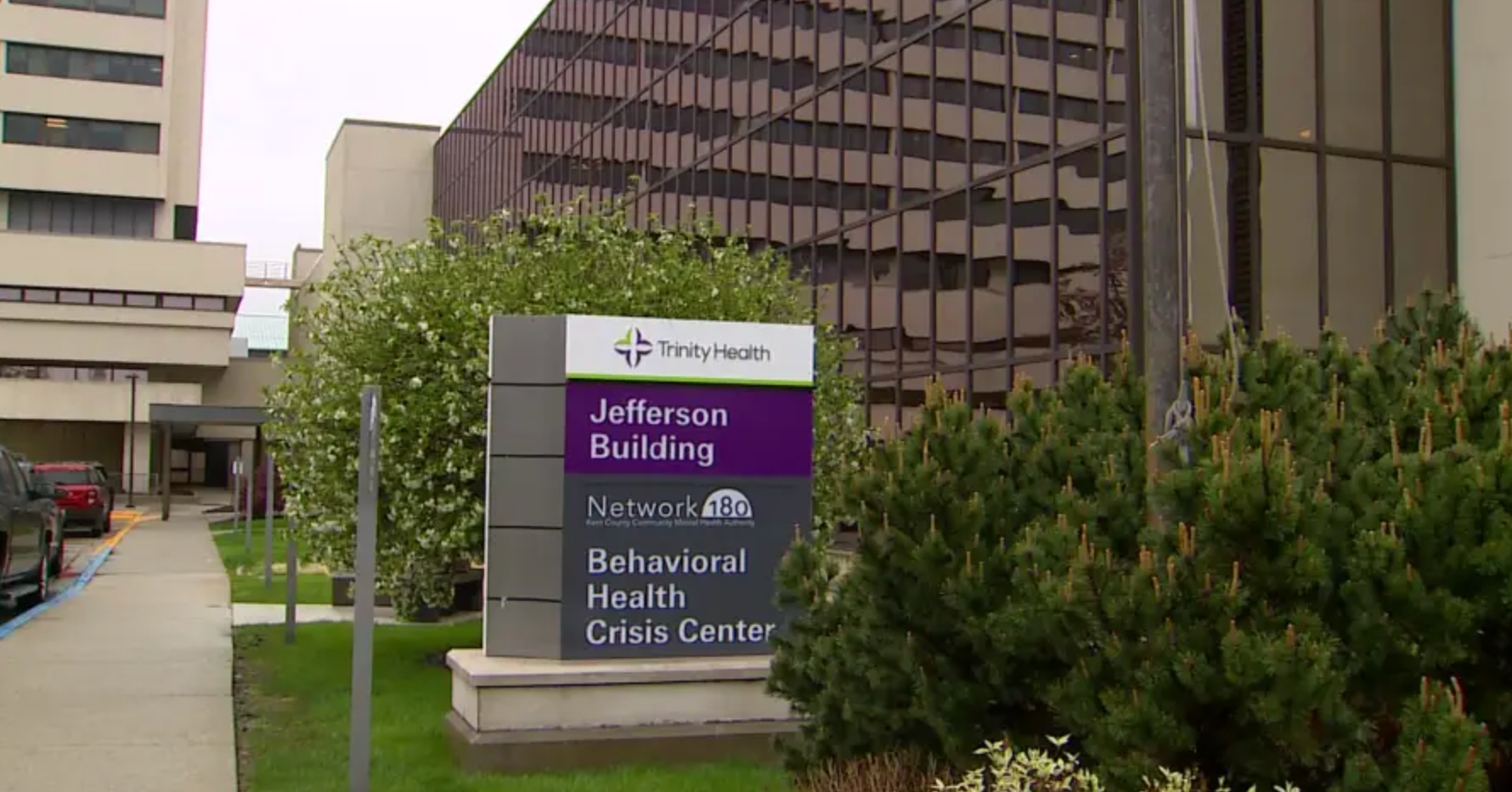
- Grand Rapids, Michigan’s Crisis Stabilization Center Helps Thousands Avoid ERs And Jail, Gets Police Back On The Street In “Five Minutes.” For FOX 17, Zachariah Wheaton reports that Kent County’s Behavioral Health Crisis Center, home to Michigan’s first crisis stabilization unit, has provided interventions to 10,213 walk-ins and admitted 4,650 patients since opening in 2024. “Walk-ins are provided intervention by a nurse and mental health clinician, who assess the appropriate level of care,” while patients can remain in the stabilization unit “for up to 72 hours.” Center Director Mandy Matthews explained: “[We] divert individuals that are in crisis from our local emergency departments, as well as jail. So, we become a place to go where individuals can come in and receive treatment immediately.” Instead of taking people to the ER, police “bring them straight here to us… [and] on average, law enforcement is able to leave within five minutes.”
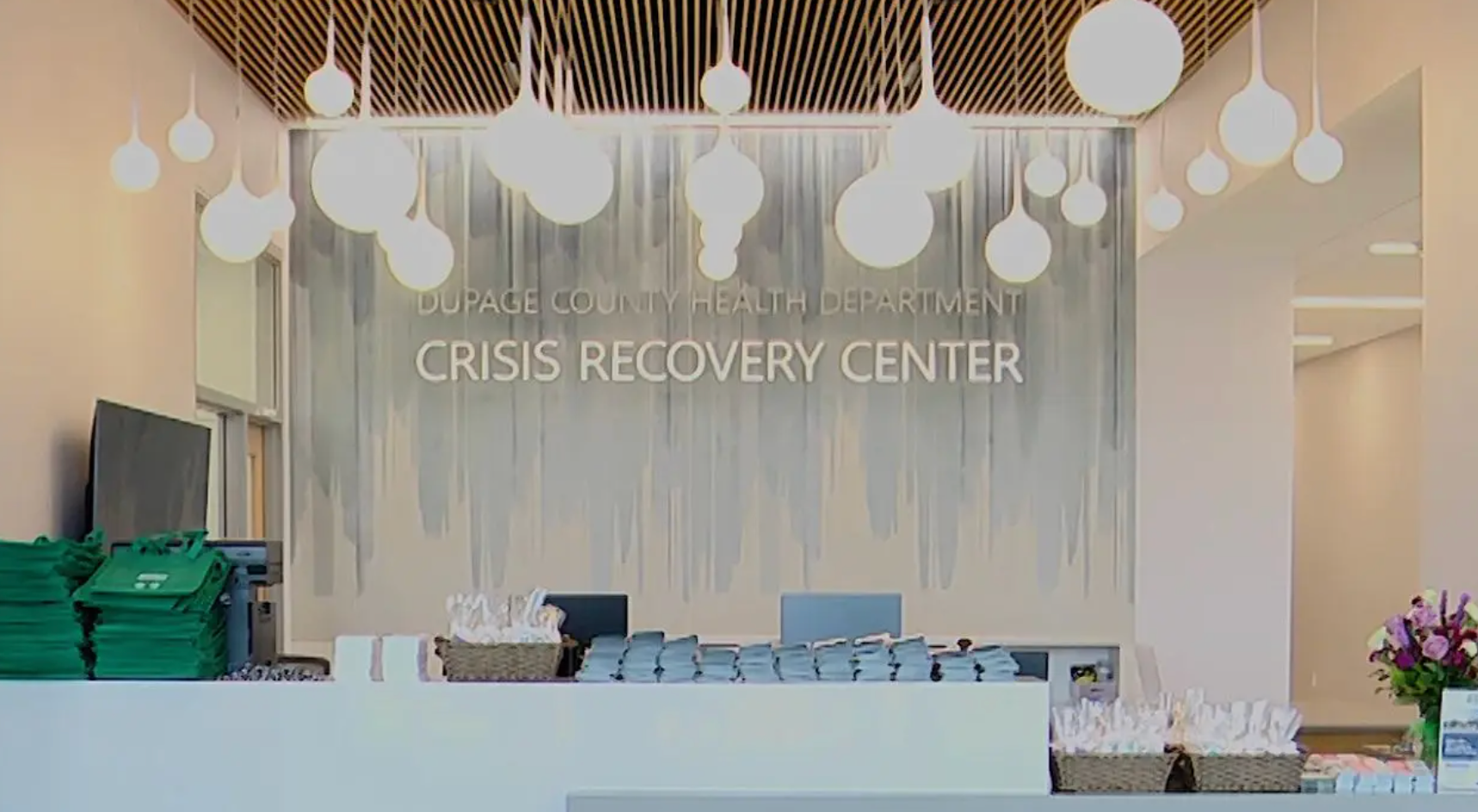
- DuPage County, Illinois, Crisis Stabilization Center Keeps 97% Of Patients Out Of Hospitals, Provides “Alternative To Emergency Rooms And 911.” For NCTV17, Marie Wilson reports that the county’s Crisis Recovery Center handled 2,290 admissions in its first year, with “97% of cases … resolved without the need for hospital admission” or jail. The center provides “immediate mental health needs assessment, stabilization for those experiencing crisis, observation for sobering from alcohol and support for withdrawal management from drugs,” serving people of all ages “regardless of ability to pay.” DuPage County Health Department Executive Director Adam Forker celebrated the results: “Together we built a safe, stigma-free alternative to emergency rooms and 911… and it is working.”