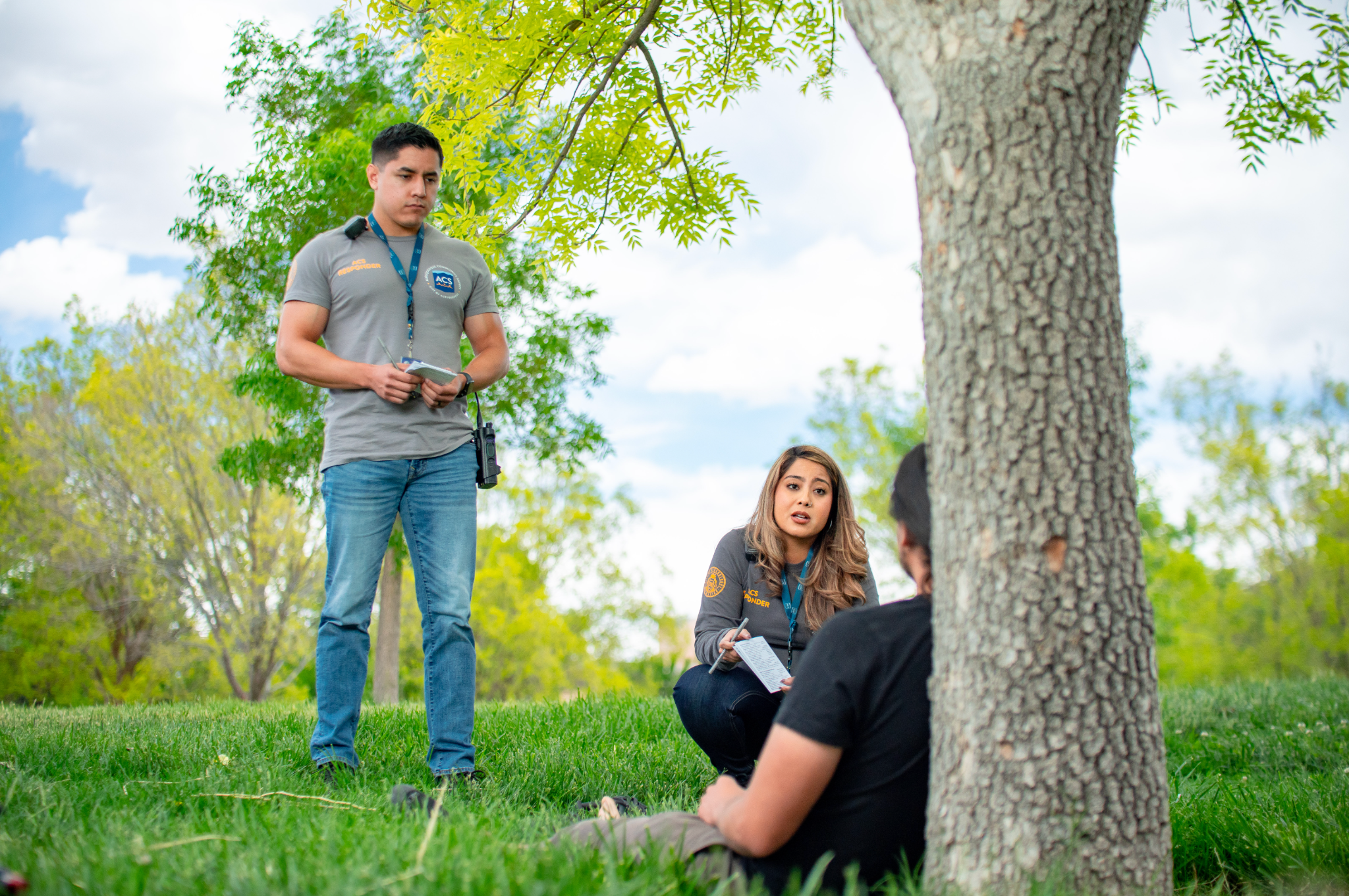
Community Safety Departments centralize a city’s unarmed public safety services. These departments are co-equal to and work alongside other first responder departments, including police, fire and emergency medical services. They can house multiple divisions of trained experts who respond to behavioral health crises, substance use, homelessness and other situations that may be better served by a specialized civilian response, while also supporting violence intervention, street outreach and other programs that strengthen public safety.
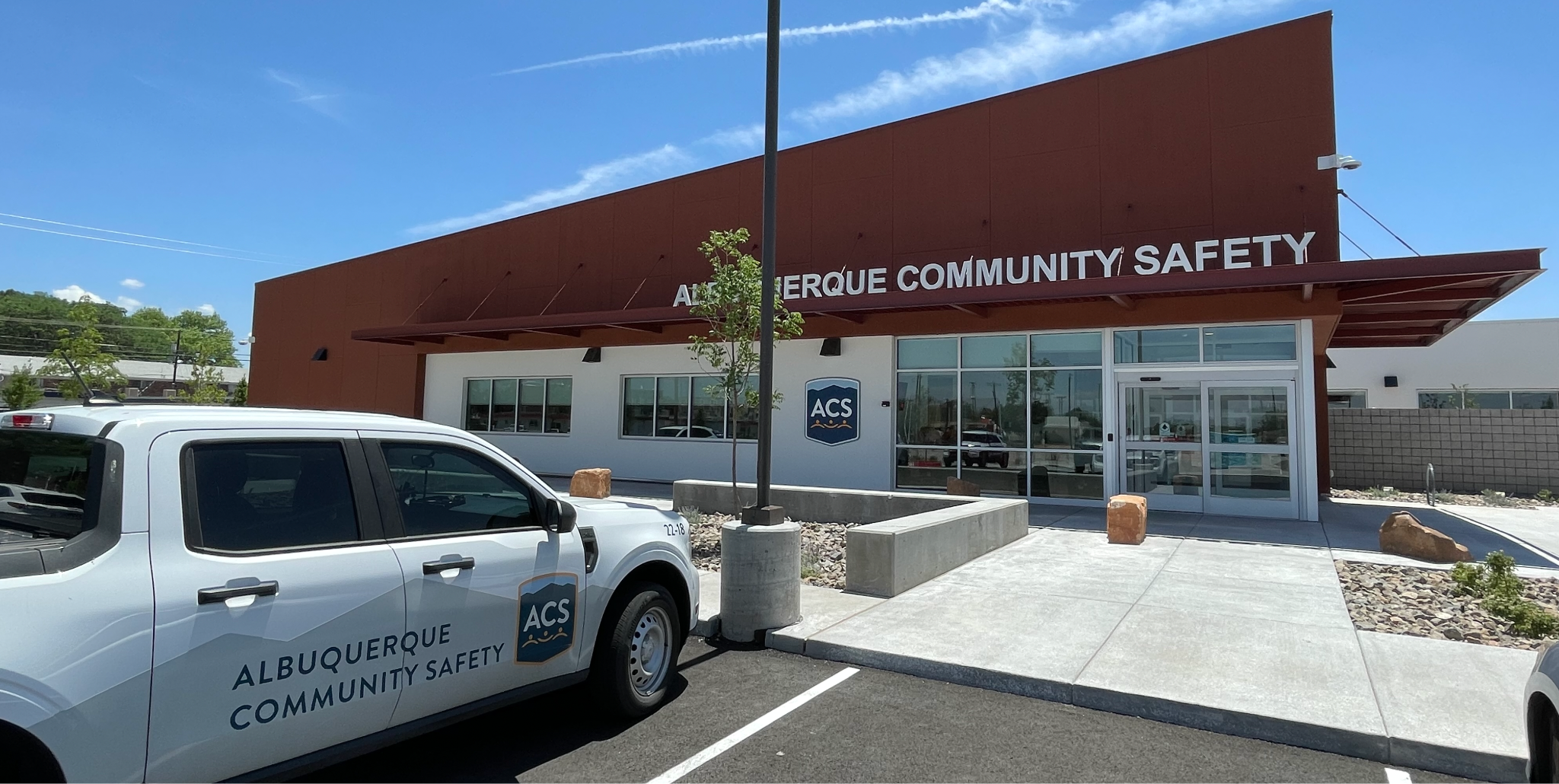
Launched in 2021, the Albuquerque Community Safety Department was the nation’s first Community Safety Department and serves as the city’s third branch of public safety. Its teams respond to 911 and 311 calls involving behavioral health, substance use, homelessness and other non-criminal, non-medical needs; the department also operates street outreach, mobile crisis and violence intervention programs. Since its launch, ACS has responded to more than 156,000 calls for service. In 2025 alone, its responders handled more than 42,000 calls and freed up more than 31,000 hours for police and firefighters to focus on higher-priority emergencies.
The department has also earned strong support from law enforcement. Recently retired Albuquerque Police Chief Harold Medina, a vocal supporter of the department, said the ACS responders “help to free up our officers so they can respond to high-priority calls,” adding: “This third branch of public safety bridges a gap, and provides residents with the response they deserve.”
Safer Cities recently spoke with Jodie Esquibel, Director of Albuquerque Community Safety, about matching each call for service with the right professionals, resolving crises, and connecting residents with long-term support:
- On Getting The Right Response To The Right Call: “Prior to ACS, many of these calls were handled by police officers and firefighters because there was no alternative response available. Those professionals often responded to situations that extended beyond their traditional law enforcement or emergency medical roles. The creation of ACS recognized that some community needs are best addressed through a different approach… [that] helps ensure people receive the right response from the right professionals while allowing police officers and firefighters to remain focused on their primary public safety responsibilities.”
- On Defining Success Beyond The Immediate Response: “A good outcome depends on the situation and the needs of the individual, but generally it means helping resolve the immediate concern while connecting people with the resources and support that can help address longer-term needs. Many of the calls ACS responds to involve complex challenges that cannot be solved during a single interaction. In those situations, success may look like de-escalating a crisis, building trust with an individual, conducting a needs assessment, and creating a pathway to services and support. For someone experiencing a mental health crisis, that may mean providing a calm, trauma-informed response and connecting them to behavioral health resources. For someone experiencing homelessness, it may begin with establishing a relationship and connecting them with shelter, medical, or social service providers.”
- On Why Specialized Training Makes The Difference: “…ACS responders are specifically trained and equipped to address behavioral health, substance use, homelessness, and other social service-related concerns. ACS was created to provide a specialized response for situations that benefit from a different approach. ACS responders receive training in crisis intervention, de-escalation, trauma-informed care, behavioral health response, and community resource navigation.
This training helps them understand the factors that may be contributing to a person’s situation and identify appropriate pathways to support. In practice, that means responders can often spend more time listening, building rapport, assessing needs, and connecting individuals with services. Their focus is not on enforcement or emergency medical intervention, but on stabilization, problem-solving, and helping people access the resources that may improve their situation over the long term.”