1. Report: Mobile Crisis Response Teams Have Expanded To Around One Hundred U.S. Cities, Increasingly Viewed As “A Fourth And Equal Wing Of 911 Response.” For NPR, Meg Anderson reports that in the last six years, mobile crisis response teams have expanded rapidly across the country: “In 2020, there were only six programs in the U.S. that sent unarmed responders… to certain 911 calls instead of police officers… [but] now, these programs… are in nearly 100 cities.” These highly trained teams dispatch clinicians, peer specialists and other expert responders to calls that do not require a law enforcement response, including some mental health-related calls for service, behavioral-health crises, welfare checks, and other quality-of-life calls.
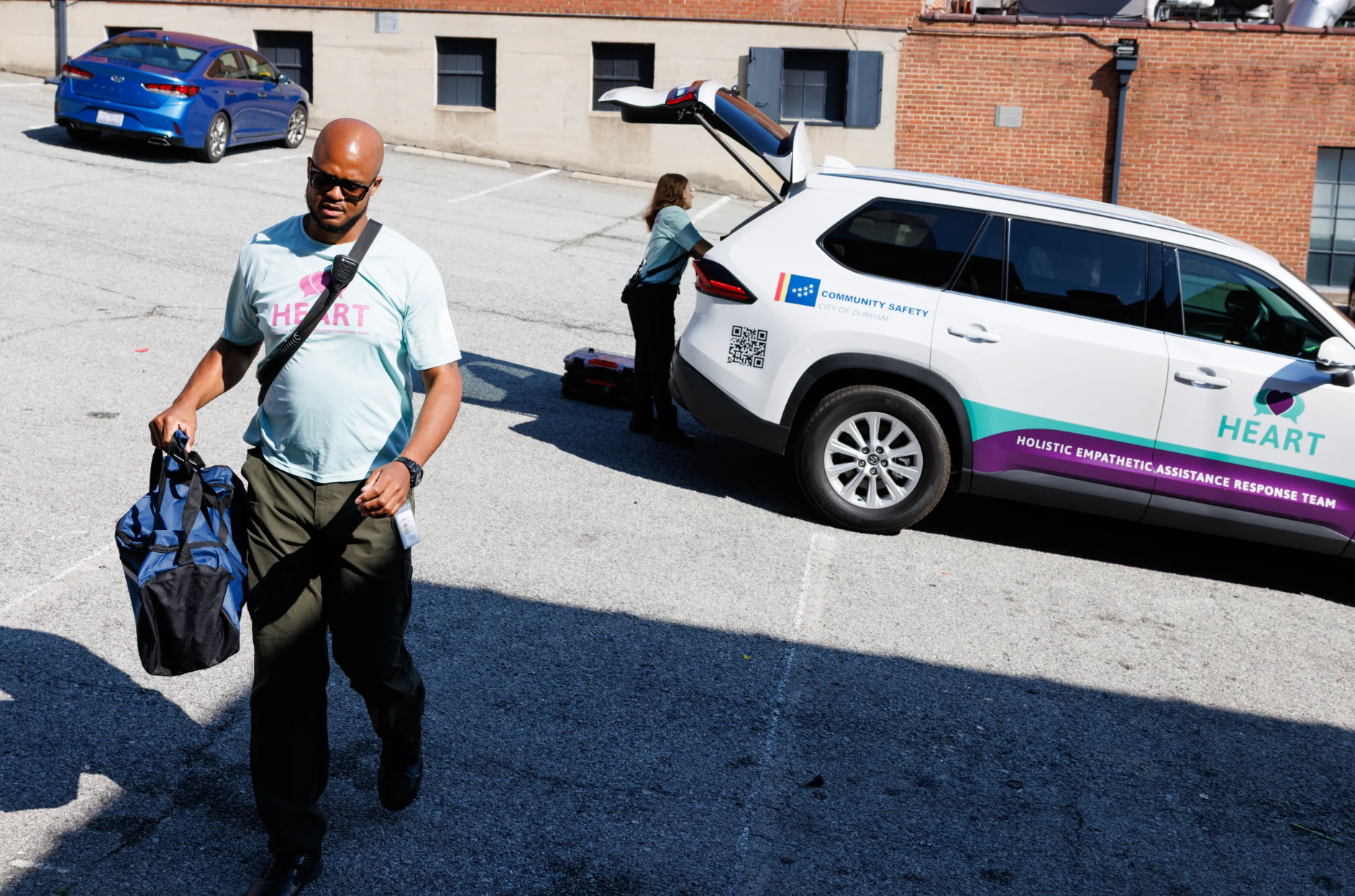
Anderson reports that some of the cities with more mature teams—including Durham, Denver and Eugene, which Safer Cities has covered—now have a growing body of research pointing to fewer arrests, reduced reports of some crimes and greater access to medical care for the people who receive responses from these teams. Former Durham Police Chief Patrice Andrews explained to the news network that officers now see the city’s mobile crisis response team, known as HEART, as “a fourth and equal wing of 911 response, alongside police, fire and emergency medical services… They’re not police officers, but they are a part of the public safety net.” The full NPR report is worth your time, but here are some of the toplines:
- Durham’s HEART Has Handled More Than 25,000 911 Calls For Service. The program “now operates citywide” and includes a mobile crisis response team, a limited police-clinician co-response team and “a mental health clinician embedded in the city’s 911 call center.” Recent RTI research found HEART “is also associated with fewer arrests, that most police officers find it helpful and that police are rarely called for backup.” Durham Community Safety Director Ryan Smith says, “if you can send a social worker to a call that you could send a law enforcement officer and you got the same results, then it’s already a success.”
- Research Finds Fewer Arrests, Less Reported Crime And More Access To Care. NPR reported that “a 2022 Stanford University study of a [mobile crisis response] program in Denver found evidence that it reduced reports of certain crimes by more than a third.” A 2025 study found that Eugene’s [mobile crisis] program “reduced the likelihood of a 911 call resulting in an arrest and increased access to medical care.” In Durham, researchers have also found signs that HEART may be increasing public trust: one preliminary study found the program “has increased 911 calls,” which NPR notes could indicate that more residents are willing to call for help.
- Mobile Crisis Teams Are Expanding Beyond A Base Of Mental-Health Calls. Durham used three years of 911 data to identify nonviolent calls that could be handled by HEART, including “trespassing, panhandling, intoxication, indecency and welfare checks.” According to Amos Irwin, who studies community response programs at the Law Enforcement Action Partnership, “all the leading programs are handling calls like that” now and that “there are all kinds of calls that responders can handle that do not have mental health on the surface,” including aggressive panhandling or someone “loitering around my store, refusing to leave.”
Spotlight On Leading Mobile Crisis Response Teams Across The Country:
- In Durham, North Carolina, HEART Clients Tell Researchers: “Every City Should Have A HEART” Team. In a new preprint study, Duke researchers interviewed 22 HEART service recipients and found that they viewed the program as “a trusted and necessary resource,” with “all participants” describing positive interactions with HEART’s in-field responders. Participants said responders were “calm, compassionate, and respectful,” with one saying HEART staff “don’t really get too frustrated… [they] know how to handle situations, and how to help people in situations.” Participants also praised follow-up support: “They followed up, made sure I was okay… and they helped me to call the shelter and get on a waiting list.” All participants supported expanding HEART’s hours, and many wanted the model replicated elsewhere: “I think every city should have a HEART, because they’re just awesome, really awesome.”
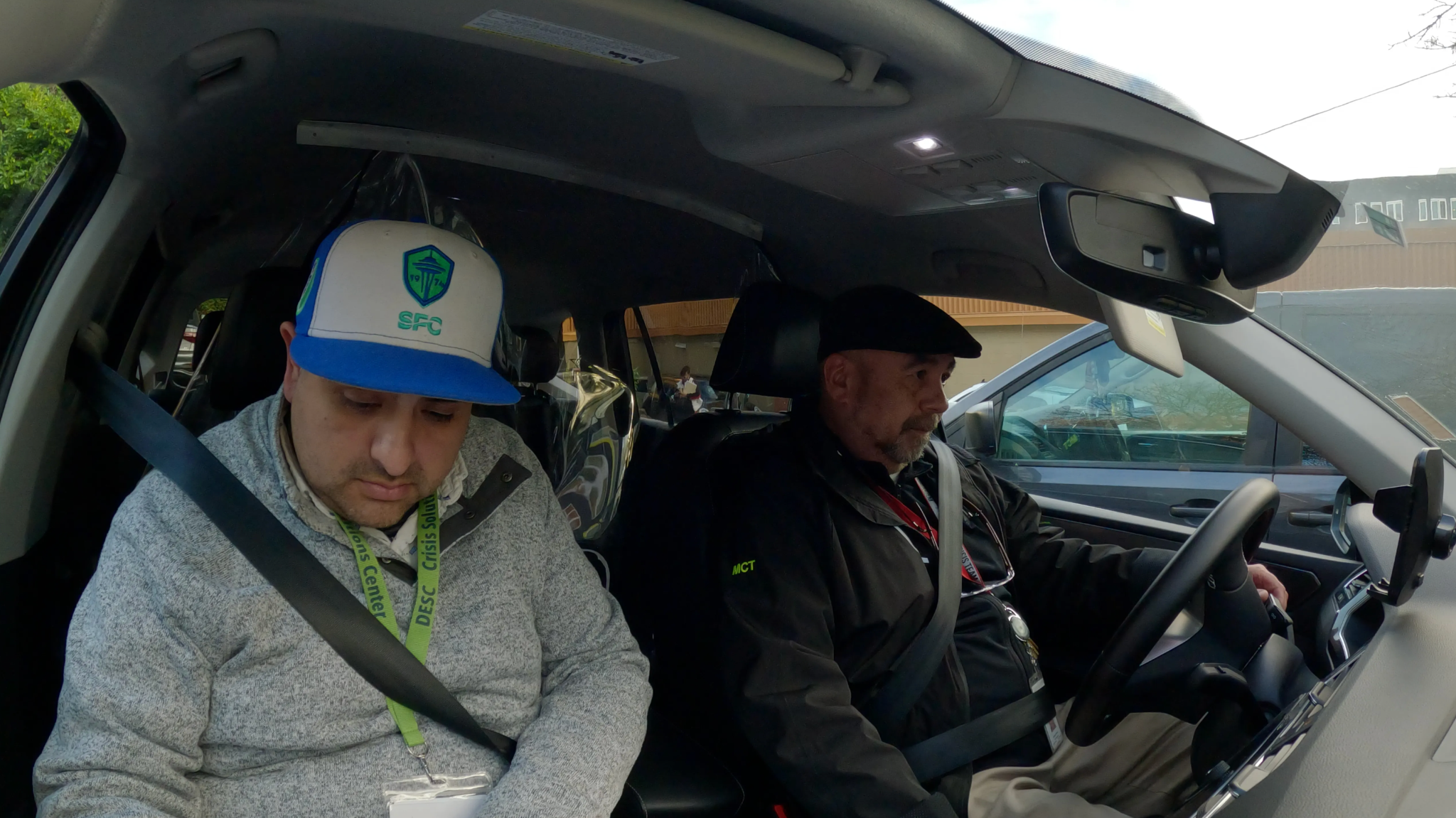
- In King County, Washington, Leaders Invest More Than $2 Million To Expand Mobile Crisis Response Teams. For KIRO 7 News, Tyrah Majors reports that county leaders “recently invested more than $2 million to expand the mobile crisis-response program,” which is designed to connect people with mental health care while “reducing the need for law enforcement involvement in many behavioral health situations.” Susan McLaughlin, King County Director of DCHS, explained to the news station that the county’s “Mobile Rapid Response Crisis Teams are a team of mental health professionals who will come directly out to an individual when they’re in crisis… [and] is really the heart of our mobile rapid response model… [because in] “the majority of crisis situations, a law enforcement response really is not necessary…”
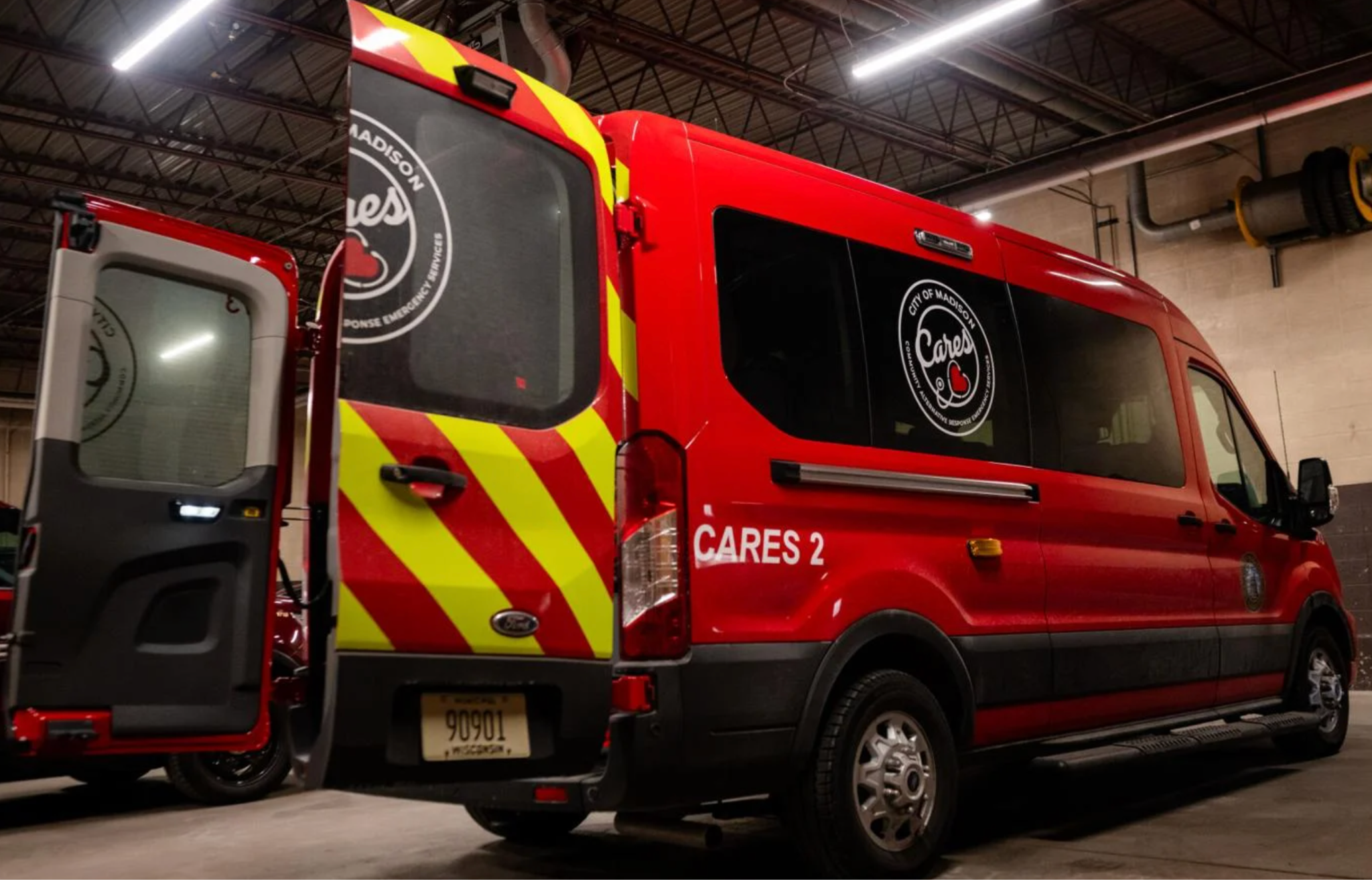
- In Madison, Wisconsin, CARES Team Celebrates Five Years Of Service, Nearly 15,000 Calls, “Reducing Reliance On Police And EMS.” The City of Madison announced that the city’s Community Alternative Response Emergency Services program, or CARES, turned five years old this month, having grown “from one team serving just the downtown area to three teams responding across all of Madison and Sun Prairie.” Since launching in 2021, CARES has handled 14,962 responses and the team “meets client needs on scene or via phone 70% of the time” and avoids ER transportation in 89% of calls, and “once CARES teams arrive on scene, additional police or fire/EMS support was not needed in 93% of calls.” Mayor Satya Rhodes-Conway said the program was created to divert some “behavioral health calls from law enforcement and toward community paramedics and mental health specialists,” an approach that “has proven to be incredibly effective.”
2. Safer Cities Interview With New Orleans’ Office Of Violence Prevention. Community violence intervention programs rely on trusted community members to intervene in conflicts, mediate disputes and connect people at highest risk of violence with support before retaliation occurs.
New Orleans’ Office of Violence Prevention coordinates a broader violence-prevention system that includes Peace Ambassadors who mediate neighborhood conflicts, a Hospital-Based Violence Intervention Program that reaches victims immediately after injury, and a Trauma Recovery Center that provides longer-term support to survivors. That infrastructure has helped put New Orleans among the cities with the nation’s strongest violence-prevention readiness: Community Justice’s 2025 Violence Prevention Index gave New Orleans a 65, placing it among the cities with the ten highest scores. Every city in that group invested in both outreach-based and hospital-based violence intervention.
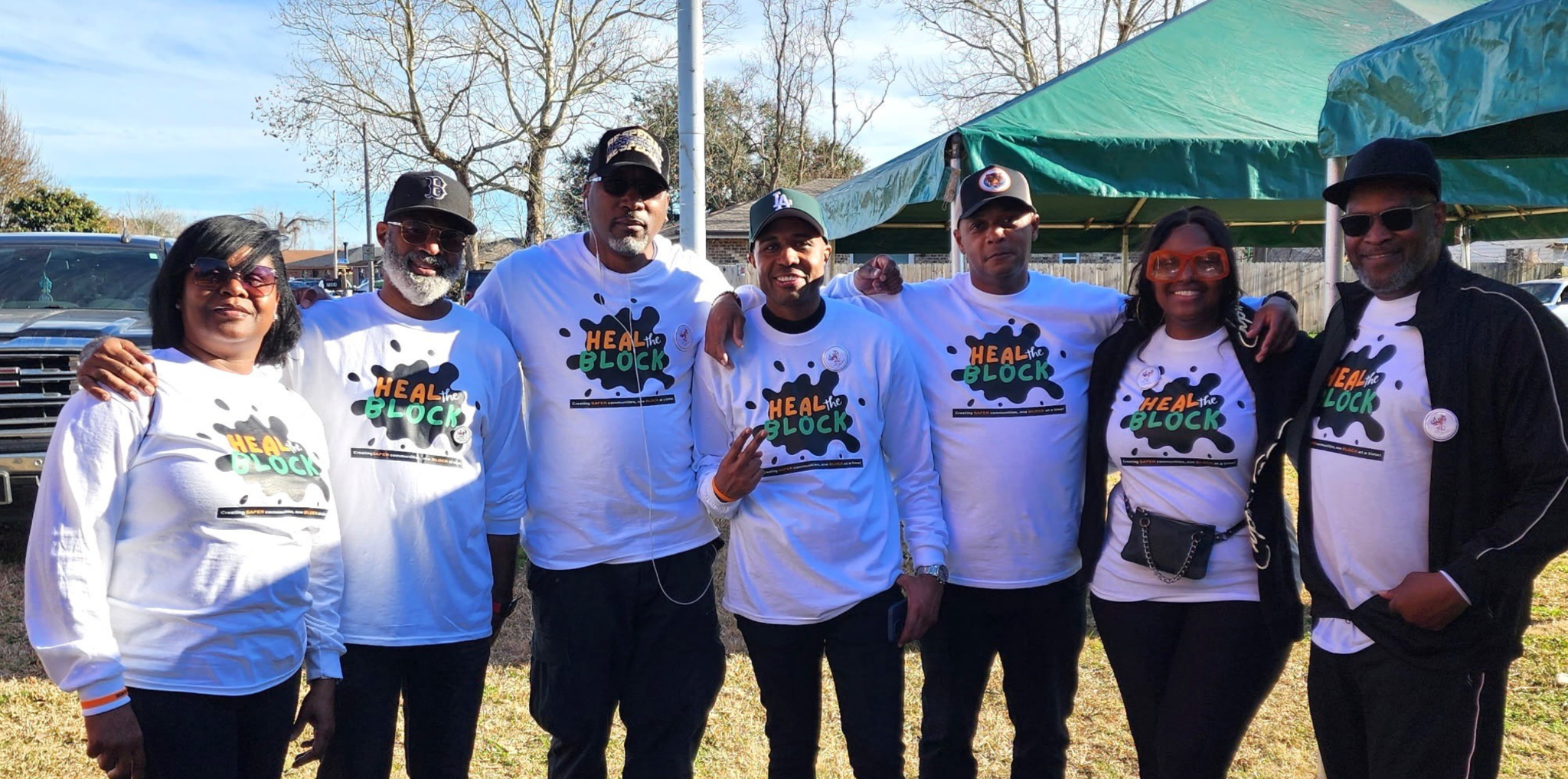
Safer Cities recently spoke with Roberta Dubuclet, Director of the New Orleans Office of Violence Prevention, about why trusted messengers matter, what it takes to prevent violence over the long term, and what the work looks like before violence occurs.
- On Building Credibility, Trust In The Community: “Our Peace Ambassadors and Hospital Based Violence Interrupters come from the communities they serve, which gives them a level of credibility, trust, and understanding that cannot be taught in a classroom. Many of our staff have lived experiences similar to those of the individuals and families we work with, allowing them to build authentic relationships and connect with people during some of the most difficult moments of their lives.
They understand the culture, the challenges, the neighborhood dynamics, and the realities that many residents face every day. Because of those relationships and experiences, community members are often willing to open to our staff in ways they may not with traditional systems or institutions. That trust is what allows us to intervene, de-escalate conflicts, and connect people to support before situations escalate into violence.”
- On Addressing Underlying Instability To Stop The Spread Of Violence: “Stopping violence in the moment is only one part of the work. Long-term success comes from helping people address the underlying challenges that contribute to violence and instability. Through our Peace Ambassadors, Hospital Violence Prevention Team and Trauma Recovery Center, we provide ongoing support with employment, education, housing stability, mental health services, victim support, life skills, mentoring, transportation assistance, and connections to community resources. The long-term support is critical because people need more than a single intervention; they need opportunities, stability, and hope. We have helped individuals secure jobs, maintain housing, reconnect with school, access counseling, and build positive support networks. When people feel supported and have pathways to success, they are less likely to return to cycles of violence.”
- On The Work That Happens Behind The Scenes To Stop Violence Before It Can Occur: “One of the biggest misconceptions is that this work is simply about responding to violence after it happens. Much of the work happens behind the scenes and before violence occurs. We spend countless hours building relationships, mediating conflicts, mentoring youth, supporting victims and families, canvassing neighborhoods, connecting people to resources, and helping individuals navigate difficult life circumstances…
Our Peace Ambassadors bring valuable insight, credibility, and a deep commitment to helping others avoid the challenges they once faced. The work they do on the ground goes beyond what their titles suggest. This work requires compassion, patience, professionalism, and courage. Our staff are not only violence interrupters, but they are also mentors, advocates, trusted messengers, and community leaders working every day to create safer and healthier neighborhoods throughout New Orleans.”
3. More Cities Integrating Mental Health Response Into 911 Emergency Dispatch.
- Baltimore Is Building A $16.8 Million 24/7 Alternative 911 Response System. For the Baltimore Sun, Chevall Pryce reports that the city is creating a new agency to send “clinicians, social workers, and other responders to thousands of 911 calls now handled by police,” including roughly 22,000 emergency calls a year involving “trespassing, welfare checks, public nuisance and public intoxication.” Under the proposed system, “911 dispatchers would determine whether a call should be handled by a clinician, a co-response team involving a police officer and mental health clinician, a 988 mobile crisis team or a team of trained non-law enforcement responders such as social workers and peer recovery specialists.” The city plans to spend $12.4 million on a new Computer-Aided Dispatch system that “would redirect non-violent 911 calls to the new agency,” with another $4.42 million for training and implementation. The goal, officials said, is to “bring together public health and public safety” while giving police and EMS “another option for calls that do not require their involvement.”

- Memphis Adds Mental Health As A “Fourth Option” For 911 Emergency Callers. For WREG, Brayel Brown reports that Memphis has added “mental health” alongside police, fire and EMS as an option for people calling 911, where dispatchers receive about 25,000 mental health calls each year. Police Chief C.J. Davis said the approach “makes sure the right people are sent with the right support… [and] also cuts down on response times when you make sure everyone is there at the same time.” And if callers select the wrong option, “dispatchers will be able to redirect the call and get them the help they need.” Mayor Paul Young explained that “the 4th option… gives callers a way to identify a mental health need at the beginning of a 911 call,” and that depending on the call, “a paramedic and/or a clinically licensed social worker could respond, or an ambulance could be dispatched to the scene.”
- Austin’s Mental Health Clinicians Embedded Into 911 Call Center Handled 90% Of Eligible Crisis Calls This Year, Reducing Strain On Law Enforcement. For the Austin Free Press, Shelby Ligon reports that Austin’s 24/7 Center Crisis Clinicians program deflected 90% of eligible 911 mental-health calls from January through April 2026, reducing reliance on law enforcement who would have otherwise been the responder to these calls. The program “places clinicians in the 911 center, gives them access to computer-aided dispatch and operates around the clock in partnership with APD and the Travis County Sheriff’s Office.” Since December 2019, the clinician-led team has received 34,157 calls through 911, with 86% of eligible calls meeting the criteria for deflection to mental health response, instead of another first responder like police or paramedics.