Trauma Recovery Centers help survivors of violent crime and their families recover from traumatic events, connecting them to mental health treatment, housing, financial assistance, legal resources, and other services that help them regain stability.
In New Jersey, the Newark Community Street Team’s Trauma Recovery Center provides free mental health treatment, advocacy, and victim services to survivors of violent crime ages 10 and older throughout Essex and Hudson counties, including survivors of shootings, sexual assault, domestic violence, and human trafficking. The center is designed to reach survivors who might not otherwise seek help from traditional law enforcement or medical institutions.
Newark’s broader approach to public safety was evaluated by UCLA in a study that examined how the Newark Community Street Team (NCST) combines violence prevention, case management, and victim advocacy. Researchers found that NCST helped change police reporting practices that had prevented crime survivors from accessing victim services and compensation. Mayor Ras Baraka described the broader public safety vision: “We want to keep people out of jail while we create opportunities where they can grow.” A newer 2025 UCLA evaluation specifically highlighted the Trauma Recovery Center’s role, concluding that “untreated trauma is intertwined with violence” and that violence prevention “cannot be separate from the work of the TRC.”
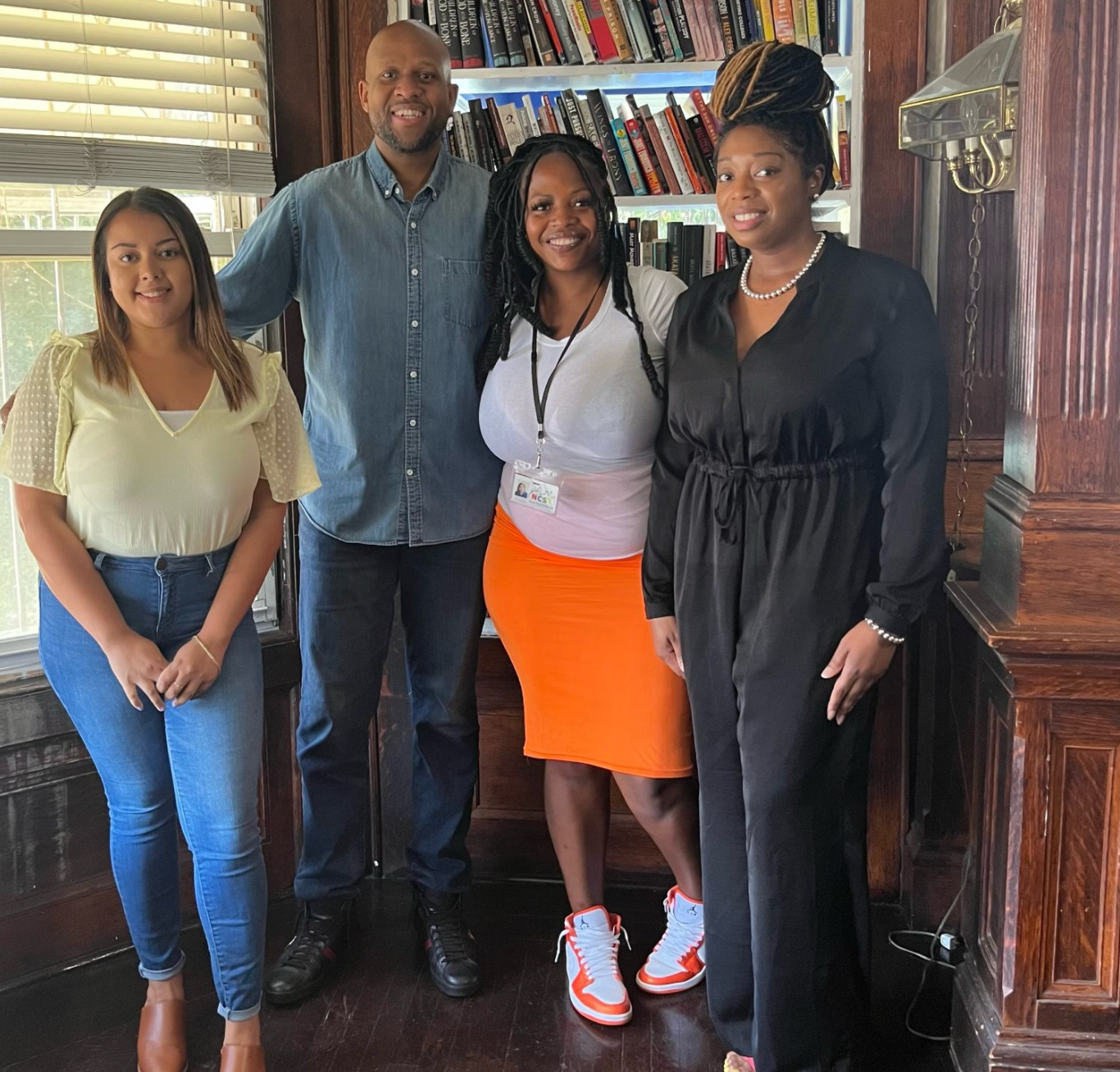
Safer Cities recently spoke with Angelica Maury, LSW-SIFI, CCTP, Program Director of the Newark Community Street Team Trauma Recovery Center, about how the program helps survivors heal, builds trust, and brings services directly into communities:
- On Helping Survivors Recover By Addressing Needs Beyond Mental Health Treatment: “One of the things that makes our Trauma Recovery Center unique is that we recognize healing doesn’t happen in a vacuum. Trauma doesn’t just affect someone’s mental health—it often impacts every part of their life … That’s why our model integrates clinical treatment with intensive case management and victim advocacy. Our clinicians and case managers work side by side to help clients access safe housing, apply for Crime Victims Compensation, connect to legal and immigration resources, obtain employment, secure public benefits, enroll children in school, and navigate systems that can often feel overwhelming after a traumatic event… At the Trauma Recovery Center, healing means addressing both the emotional impact of trauma and the practical challenges that often stand in the way of recovery.”
- On Building Trust And Community Partnerships To Remove Barriers To Care: “We also know that no one organization can meet every need on its own, which is why we’ve built strong partnerships throughout the community. We work closely with organizations such as the Essex County Family Justice Center, the American Friends Service Committee to support immigration-related needs, affordable housing providers, legal service organizations, food assistance programs, and many other community partners … Many have experienced systems that have failed them or left them feeling unheard, so building trust is at the center of everything we do. We meet people where they are—both literally and emotionally. Our services are provided at no cost, regardless of insurance or immigration status, and we strive to make care as accessible as possible.”
- On Bringing Trauma Recovery Services Directly To Survivors Who Might Never Seek Help: “Rather than waiting for people to come to us, we intentionally go where they are. As part of the Newark Community Street Team, we’re embedded in the communities we serve. Our staff participate in neighborhood events, resource fairs, school and community presentations, healing events, and initiatives like Heal the Block, where we engage residents in conversations about trauma, mental health, and available resources in a setting that feels welcoming and accessible… Our collaboration with outreach workers and credible messengers within NCST is especially valuable because they often have established relationships with survivors immediately following a violent incident and can help bridge the gap between crisis and care… Outreach doesn’t stop after the referral. We make every effort to reduce barriers to engagement by offering flexible scheduling, telehealth and in-person services, ongoing follow-up, and helping clients overcome practical obstacles like transportation or childcare.”