1. Cities Launching Sobering Centers To Help People Access Treatment While Reducing Arrests, Reliance On Jails. Sobering Centers give people who are intoxicated a safe place to recover, while connecting them to detoxification, mental health care, peer support and ongoing treatment. Research from multiple cities suggests these programs can help people struggling with substance use get care while reducing reliance on law enforcement and jails. A study of Houston’s sobering center found that “48% of all clients [] accepted a referral to services, requested housing assistance, or enrolled in treatment upon discharge,” while public intoxication jail admissions declined 95% between 2012 and 2017 following the city’s diversion initiative. Another recent study examining sobering centers in five cities found public intoxication arrests declined 20% in Tulsa and 24% in Austin, beyond broader arrest trends, and estimated that the five centers could avert nearly 3,900 jail days annually if admissions replaced jail stays. Researchers found that officers agreed sobering centers were “the best option for most individuals because it provides protective care, the opportunity for additional resources and treatment, and avoids the costs and consequences of being arrested.”
Momentum For Sobering Centers Across The Country:
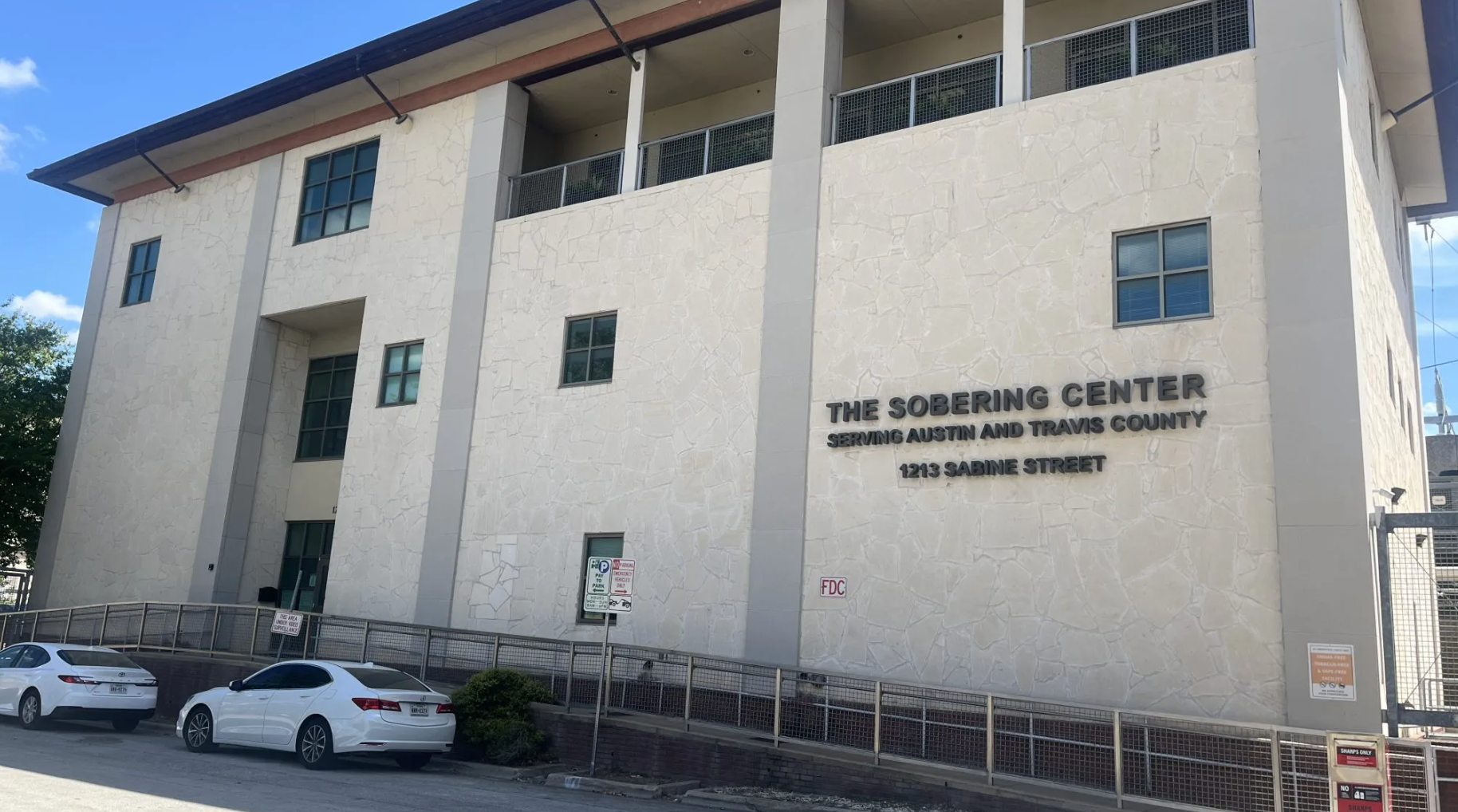
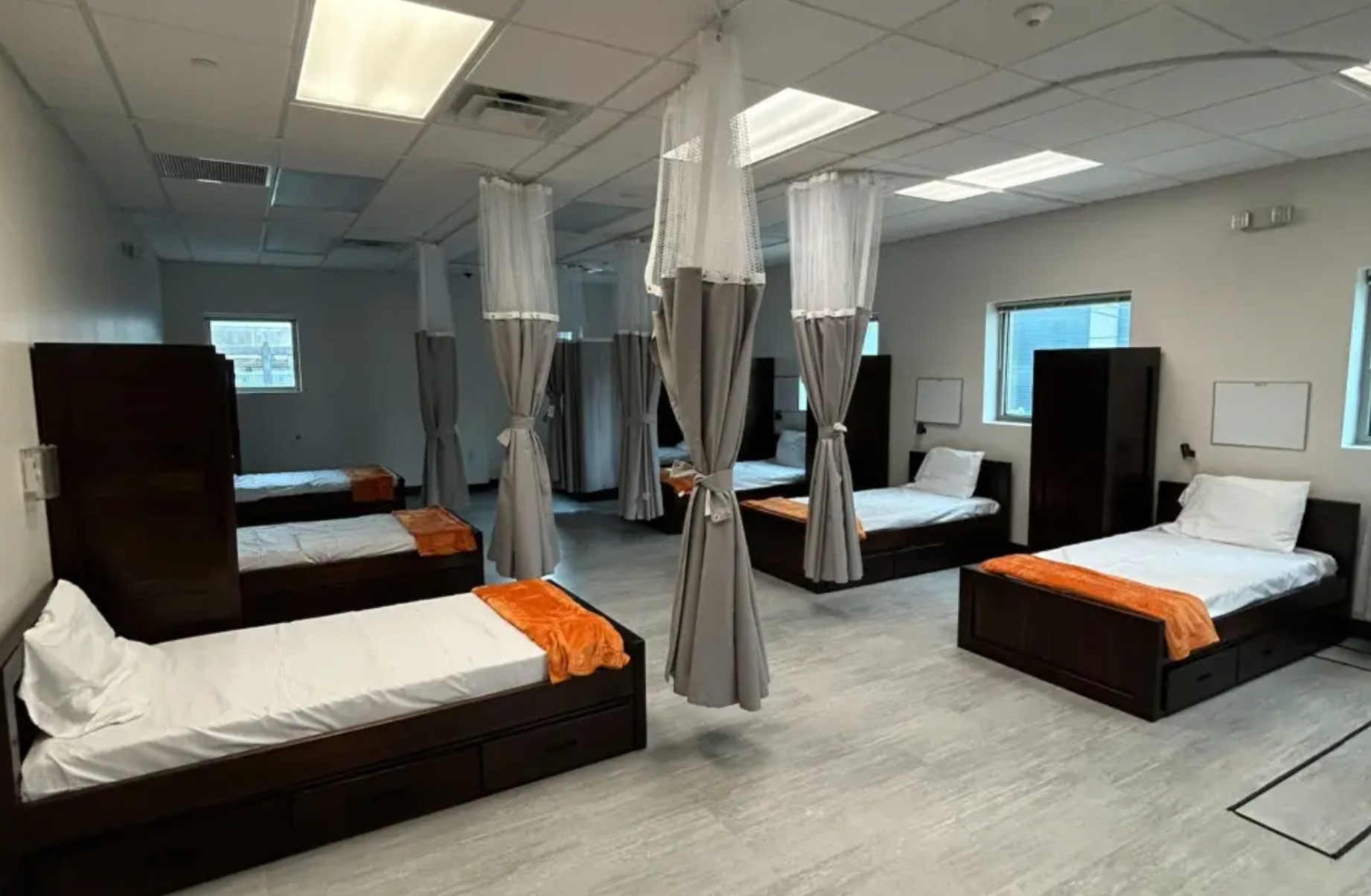
- In Austin, Sobering Center Expands To Connect More People With Treatment. For Austin Free Press, Shelby Ligon reports that “[i]n August, The Sobering Center expanded its holdover program by opening a second floor” with “14 beds for medically and psychiatrically stable patients who are interested in treatment.” The program “allows some patients to remain at the facility while seeking long-term treatment.” According to the center’s most recent impact report, “90% of clients who sought treatment were connected with care,” and “702 were diverted from jail and 1,385 avoided hospital visits.” Central Health, which helps oversee the Sobering Center, explained to the news site that “the goal is a system where someone in crisis can get care instead of being drawn into the justice system, and can stay connected to care afterward.”
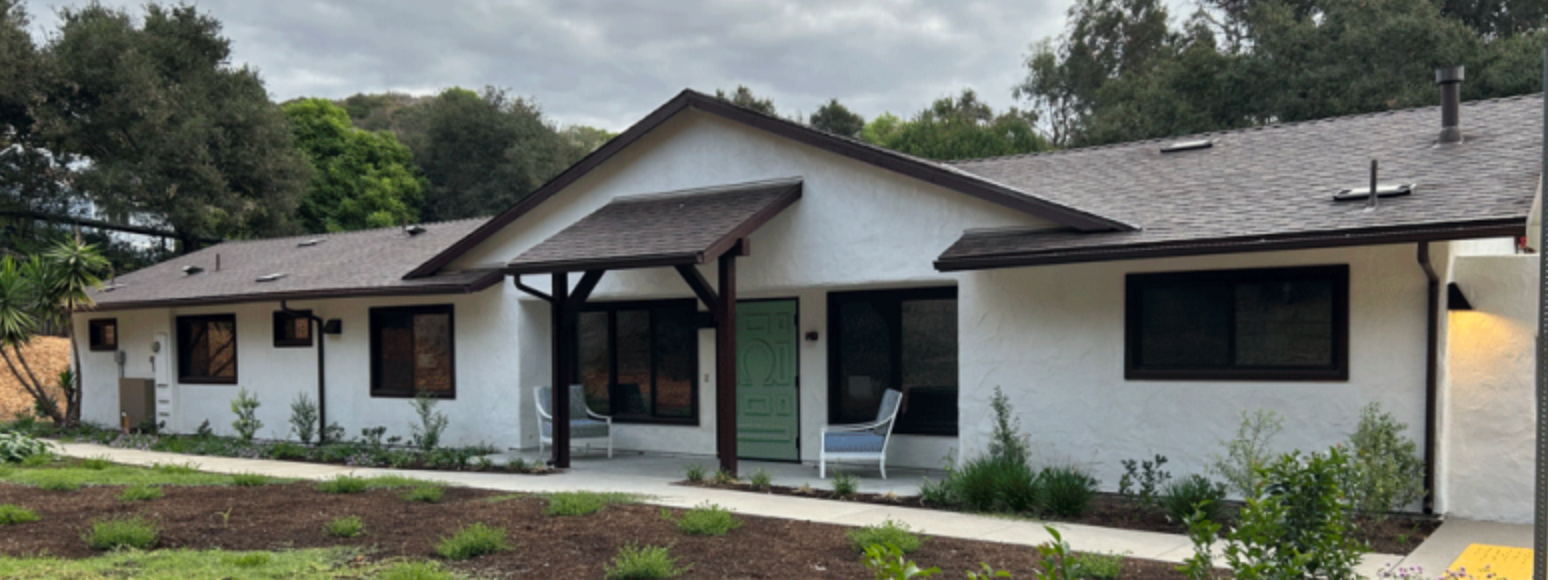
- Santa Barbara County Opens New Sobering Center To “Offer People The Right Support At The Right Time.” For KSBY, Gianella Ghiglino reports that “the 14-bed Sobering Center, operated by Good Samaritan Shelter, provides a safe place for people to stabilize while under the influence of alcohol or other substances.” The center is located next to Tecolote House, “a 12-bed residential facility providing supportive housing for adults living with serious mental illness,” with both facilities “expanding access to mental health and substance use services at the same location in Santa Barbara.” County Behavioral Wellness Director Toni Navarro, a champion of the new sobering center, explained to Noozhawk that “a strong behavioral health system is one that offers people the right support at the right time.”
- In Albuquerque, City Allocates $1.4 Million To Sobering Center. For KOAT, Alyssa Munoz reports that the Albuquerque City Council “approved a resolution allocating $5.2 million in opioid settlement money to local prevention, treatment and recovery programs” with “$1.4 million [to] support the Medical Sobering Center, where people who screen positive for opioid use disorder will be referred for medication-assisted treatment.”
The center, which opened in October 2025, is “a connection point to longer-term substance abuse resources” with “specialized medical and peer support staff who build trust with clients.” The facility “[provides] medically supervised care for up to 50 people per day, giving first responders a safe, clinically appropriate alternative to emergency department transport for alcohol-related calls,” and “[accepts] referrals from EMS, APD, ACS [Albuquerque Community Safety], and community partners.” For New Mexico News, Jesse Jones highlighted the sobering center as “what went right” this year in the city, reporting that the center “had 2,212 admissions during the fiscal year.”


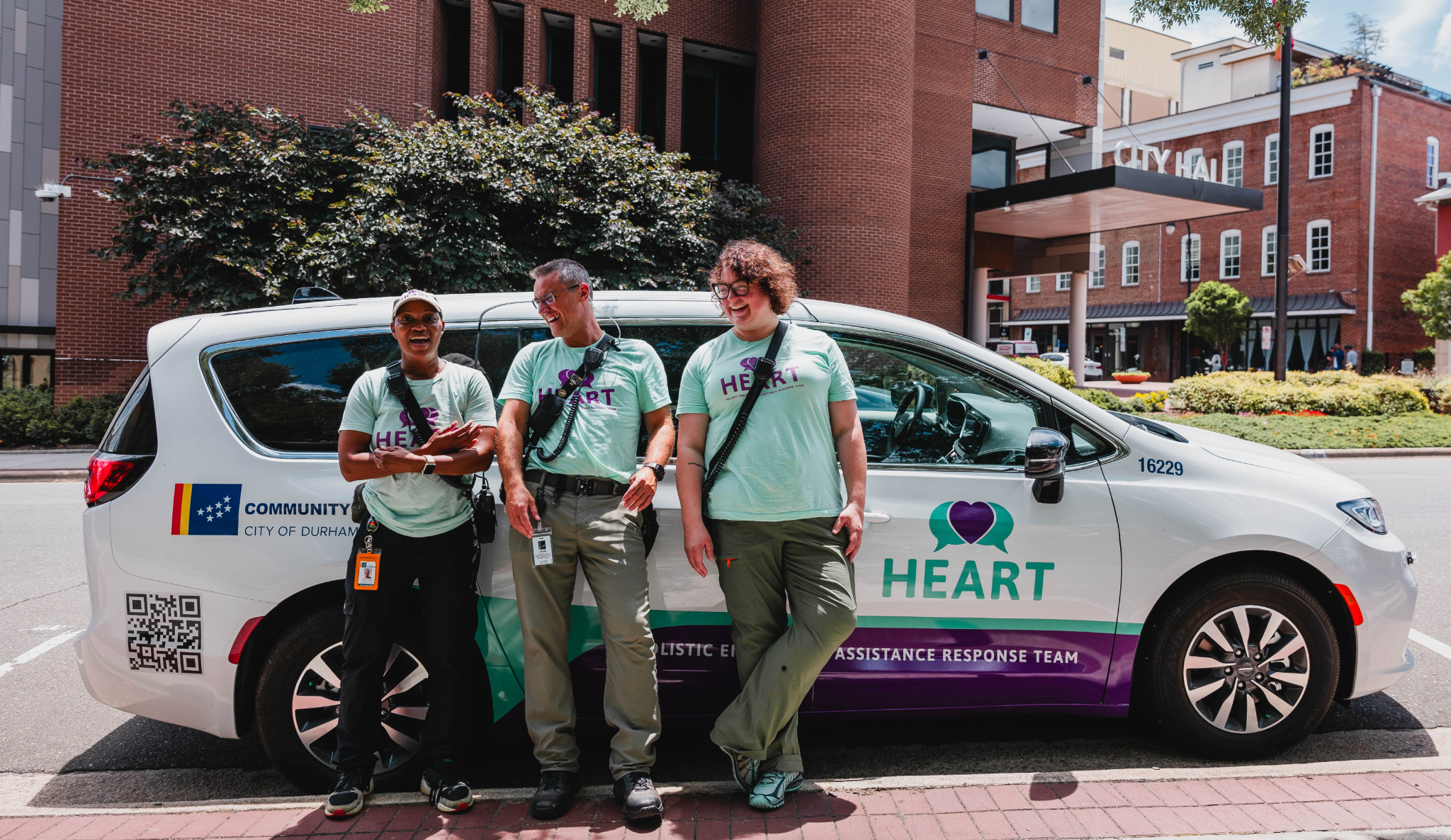
2. Safer Cities Interview With Durham’s Community Safety Department. Community Safety Departments serve as a third, co-equal branch of a city’s public safety infrastructure alongside police and fire, bringing together specialized teams to respond to a broad range of community needs. Established in 2021, Durham’s Community Safety Department provides services ranging from housing and street outreach to reentry support, gun violence survivor care and behavioral health crisis response. Among its standout programs is the much-lauded Holistic Empathetic Assistance Response Team, or HEART, which embeds clinicians in 911 dispatch and sends teams of mental health professionals to emergencies. A recent evaluation by RTI International found that HEART’s unarmed Community Response Teams were associated with “significantly lower rates of offense reports, arrests, and citations relative to patrol-only responses” to comparable calls. Researchers concluded the model was “a good investment for the city.”
Safer Cities recently spoke with Leigh Mazur, Assistant Director of Durham’s Community Safety Department, about connecting residents to care, matching emergencies with the right responders and building effective multidisciplinary teams.
- On Connecting People To Services: “The biggest opportunity has been meeting people where they are with support that fits what they’re actually going through. Often, our teams can connect a neighbor with exactly what they need in their moment of crisis, whether that’s a safe place to stay, a link to treatment, or simply someone who listens and helps them through. And because we’re the ones answering these calls now, we see community needs firsthand and can document them, which gives us an opportunity to push for change across the larger system… Sometimes we sit with a neighbor while they call local shelters and learn there isn’t a single open bed, and all we can offer that night is a hygiene kit and a blanket… But every one of those calls tells us something about what our community is missing, and it’s why we keep advocating for system change.”
- On Integrating HEART Into 911 To Send The Right Response To The Right Crisis: “HEART is built directly into Durham’s 911 system. Our Crisis Call Diversion clinicians work inside the Emergency Communications Center, right alongside 911 call-takers and dispatchers. When someone calls about a behavioral health concern, a welfare check, or a quality-of-life issue, the call can be routed to one of our clinicians, who can often help resolve it over the phone… When someone needs an in-person response, each call is assigned a call type, and CAD uses it to automatically recommend which team should go. That makes the decision clear and consistent from call to call.
If there’s no sign of weapons, violence, or a serious medical emergency, our Community Response Team can respond without police. When there’s more risk involved, our Co-Response team pairs a clinician with an officer. Our goal is to send the response that best fits the need, so people in crisis get care, and police and fire can focus on the calls only they can handle.”
- On Building Effective Teams Through Shared Purpose And Training: “It starts with shared purpose. Our teams bring together mental health clinicians, peer support specialists, and EMTs, and each sees a crisis through a different lens. One notices the mental health need, another the medical risk, another what it’s like to have lived through something similar. What connects them is a commitment to meeting neighbors with care… From there, it takes intentional investment. We cross-train so everyone understands what their teammates bring and where each role’s limits are. We build shared protocols so the whole team knows what to expect on a call. And we invest in supervisors and leaders who can help teams debrief and learn together after hard calls.”
3. Safety Ambassador Teams Making Downtowns Safer, Cleaner, And More Welcoming.
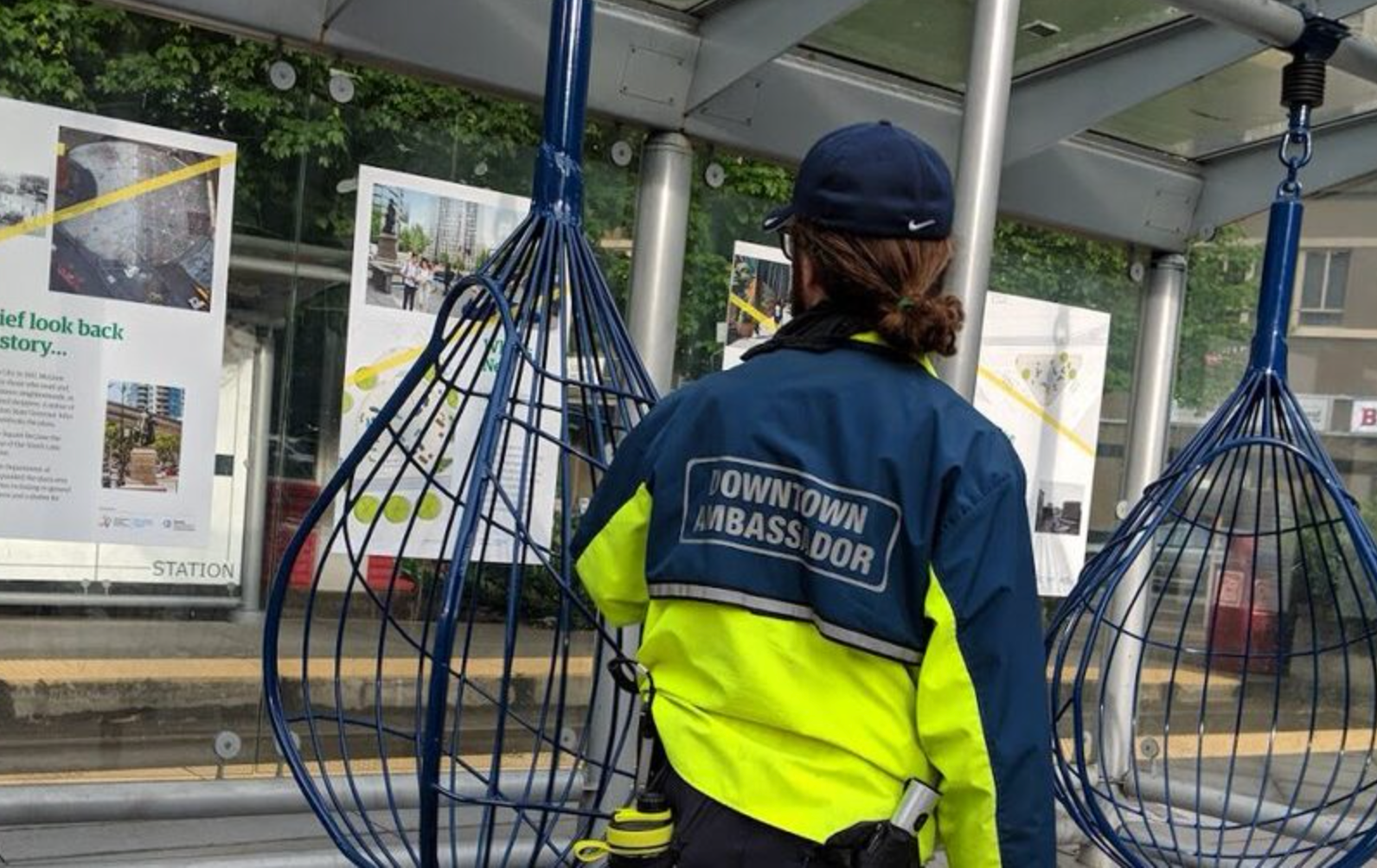
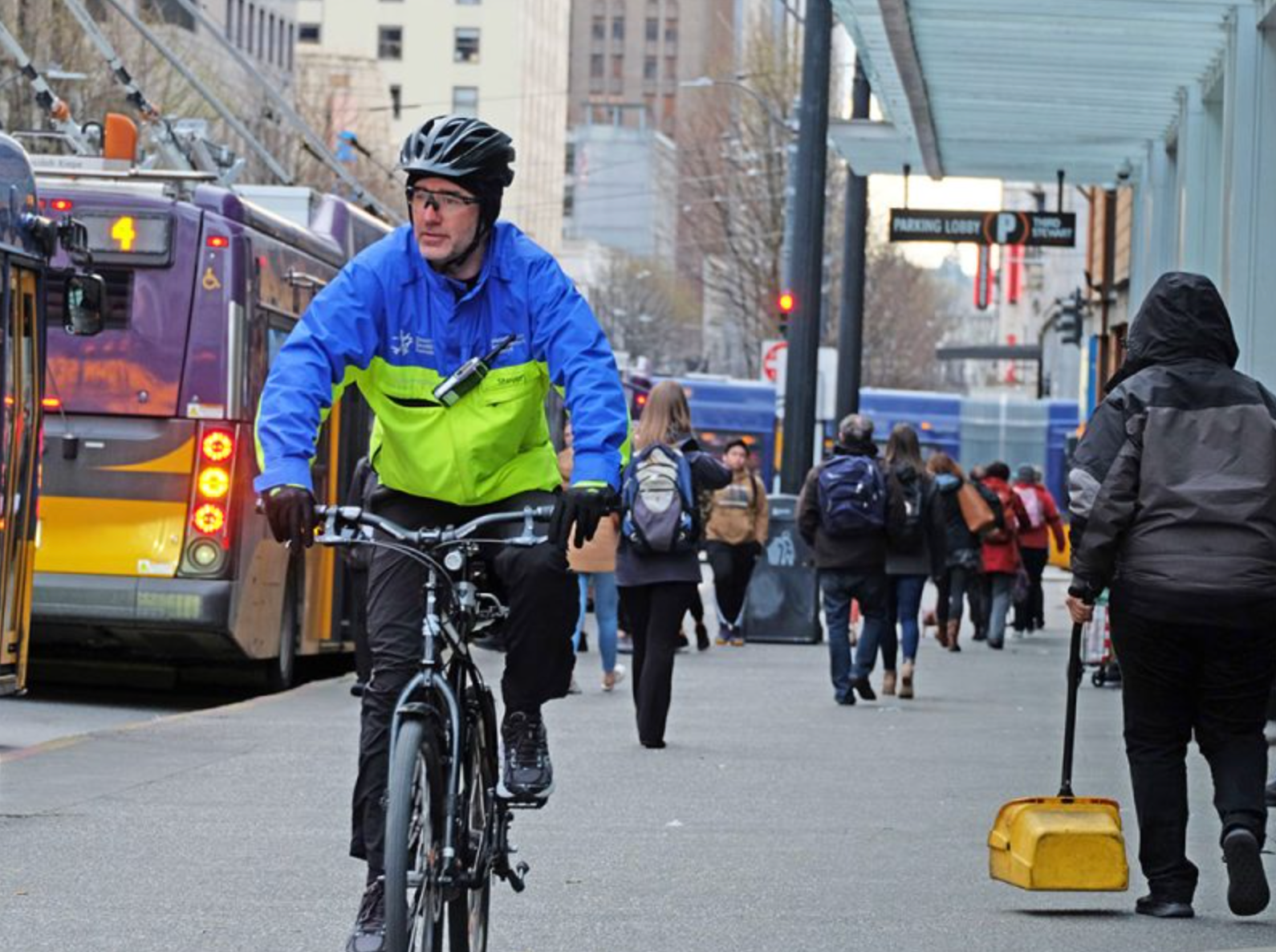
- In Seattle, 150 Downtown Ambassadors Are Helping The Community To Feel Safer. The Downtown Seattle Association announced that its now 150 Downtown Ambassadors are serving “a 300-square-block area 362 days a year to support community environment, safety and hospitality” and are making an impact, helping businesses, visitors, and residents to feel safer “by advancing solutions to address the city center’s unsheltered homelessness, behavioral health and drug crises.” The ambassador team, which Seattle plans to continue to support as part of its 10-year strategic public safety plan, “monitor the streets for cleanliness, help people with behavioral health issues, help steward the public spaces.”
For Maria Beck, who opened a new Freya Bakery location downtown, “one of the most immediate benefits from the work [downtown Seattle] is doing comes from” the ambassadors. When considering “the safety and comfort of her employees and guests,” Beck “turned to the [ambassadors] for help.” Today, “Beck says she feels safer because she sees these Ambassadors every day.”
- In Arvada, Colorado, New Safety Ambassadors Team Helps Make Historic Downtown Safer And More Welcoming. For the Jeffco Transcript, Rylee Dunn reports that the team “will be stationed in Olde Town starting on Oct. 1, as part of Arvada’s effort to address safety and cleanliness concerns in the historic district.” The ambassadors, provided by Block by Block, will work “Wednesdays through Sundays” with responsibilities that “include trash removal, collecting misplaced shopping carts, power washing streets, and connecting unhoused residents with navigation services.” Deputy City Manager Allison Scheck explained to the news site that the presence of the team helps “to increase a sense of safety for visitors and businesses, keep the area clean, and … to connect members of our homeless community to navigation services, while providing a friendly and safe presence for all members of our community.”
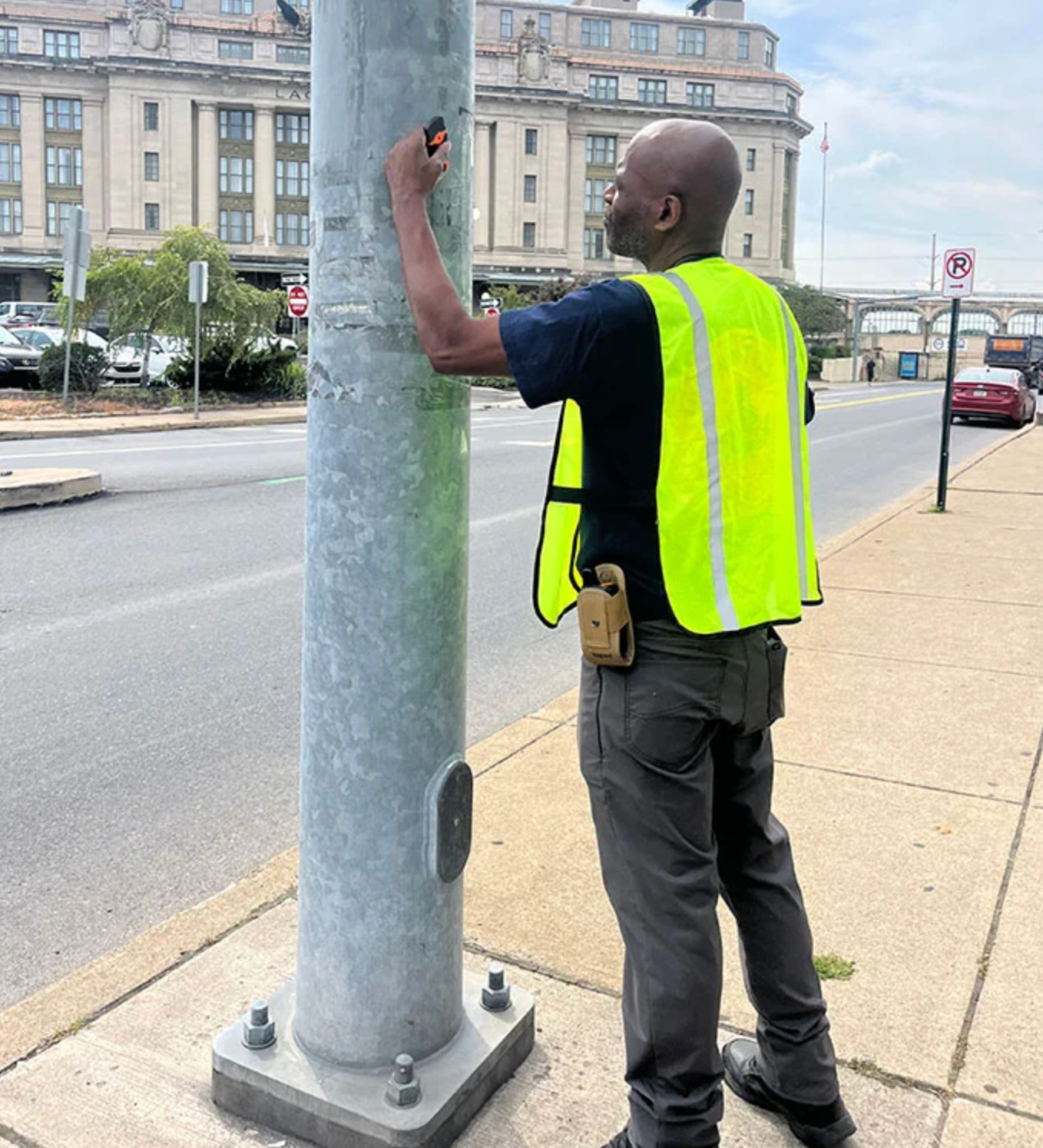
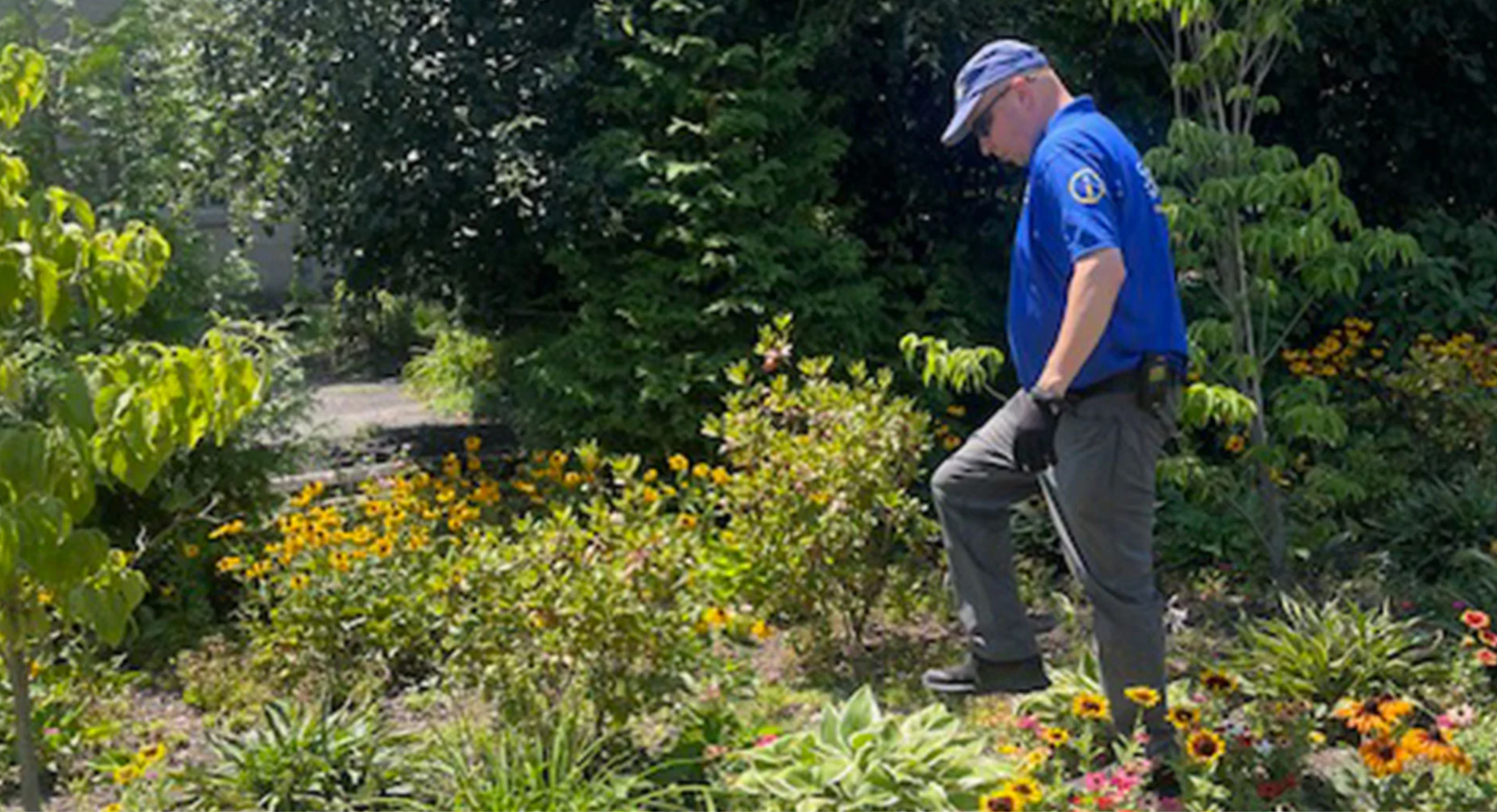
- In Scranton, Pennsylvania, Downtown Ambassadors Remove More Than 18,500 Pounds Of Litter In First Year. Discover NEPA reports that the Downtown Ambassadors marked their first year of service after launching last year and are already making a big impact “removing 18,534 pounds of litter… clearing 101 graffiti tags… [and] eliminat[ing] 719 stickers.” The highly visible, uniformed team patrols Monday through Friday “sweeping sidewalks, erasing graffiti, picking up litter, maintaining planters, weeding, removing snow and ice from sidewalk ramps and fire hydrants, giving directions and answering questions from visitors.” Operations Manager Jeff Mead explained that the team makes a difference because they are “out there before the city wakes up to get downtown ready for the business day… We take pride in what we’re doing. We notice the difference it makes every day and other people are noticing, too.”
Related: Tucson, Arizona, Looks To Albuquerque’s Transit Ambassadors As Model For Safer Buses. For KVOA, News 4 Tucson reports that “a delegation of Tucson officials recently traveled to New Mexico to study” Albuquerque’s Transit Ambassador program. Tucson leaders have allocated “$375,000 to launch a similar transit ambassador program locally” and are “training six new transit ambassadors” to provide “community resources, and de-escalation and conflict resolution.” Council Member Miranda Schubert said: “I’m grateful I was able to learn about the challenges and benefits of Albuquerque’s Transit Ambassadors through the exchange and bring that knowledge back to the people I serve.”