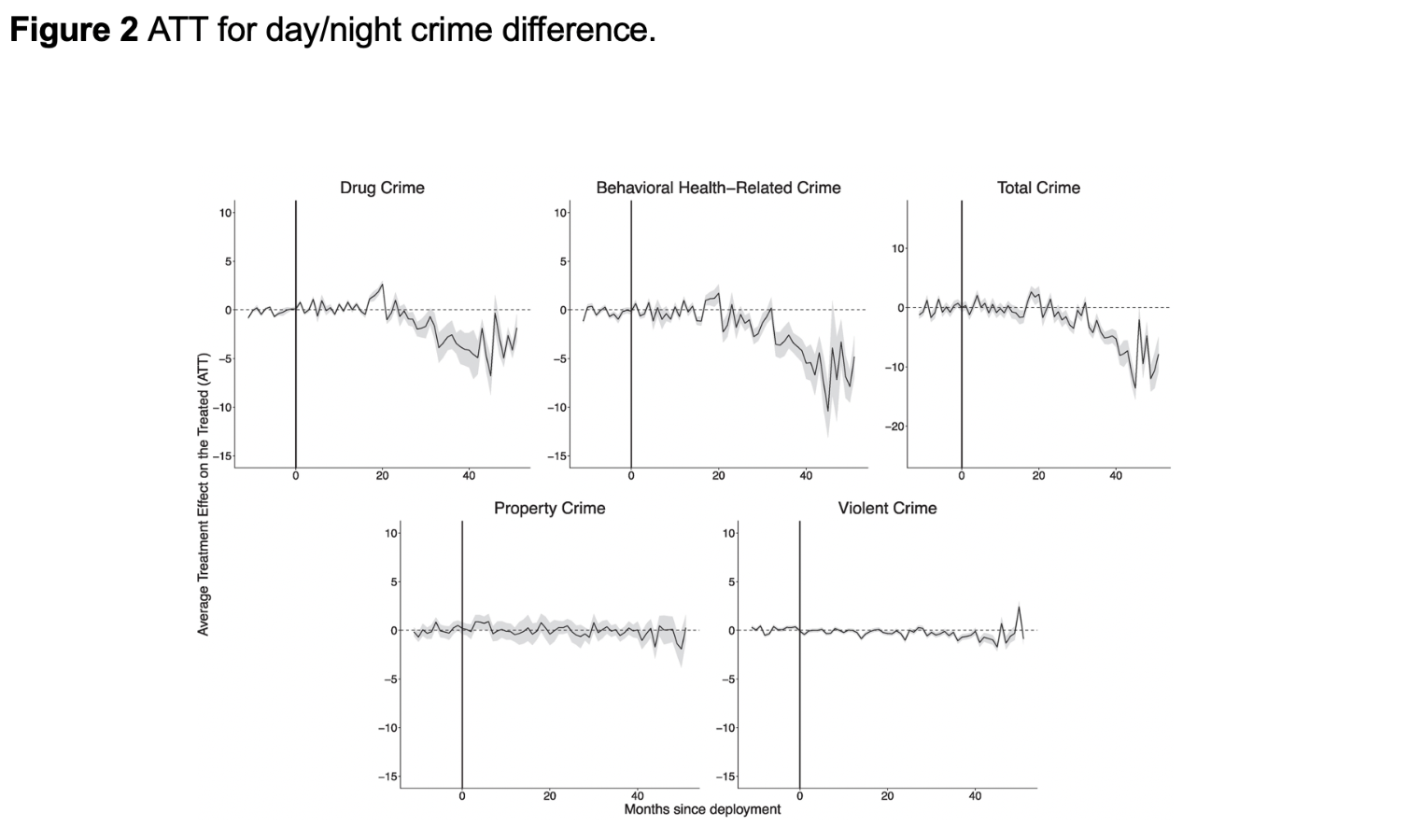
A new study published in PNAS Nexus by researchers at Stanford University, Penn State and Northwestern University found that unarmed safety ambassadors can help reduce crime and disorder in public spaces. Researchers examined San Francisco’s Urban Alchemy program, which deploys unarmed teams to high-need intersections to clean streets, de-escalate conflicts, prevent disruptions and connect people to services. Using a quasi-experimental design, researchers analyzed police incident reports from hundreds of intersections between 2018 and 2023, comparing dozens of locations with safety ambassadors to hundreds more without, including comparisons of operating and nonoperating hours. The study found significant reductions in total and behavioral health-related reported crime, smaller declines in drug and violent offenses and no measurable change in property crime. The researchers describe the model as “a practical, humane strategy to reduce disorder, strengthen community trust, and expand economic opportunity.” Here are key findings:
- 20% Fewer Reported Crimes And 27% Fewer Behavioral Health-Related Incidents Where Safety Practitioners Were Deployed. “Deployment was associated with roughly a 20% reduction in total crime and a 26.7% reduction in behavioral health-related incidents across treated intersections. To illustrate magnitude, a 20% drop in total crime equates to about 74 fewer reported incidents per month at program peak… We also find modest but significant declines in violent crime, addressing concerns that nonpolice safety models might invite serious harms.”
- Safety Ambassadors Build Trust And Prevent Crime Through A Consistent Presence On The Streets. Ambassador teams “are deployed 12 h per day (7 AM to 7 PM), 7 days per week. Working in teams of two to four per intersection … [teams] typically stay at the same post for 6–12 months to build relationships and local knowledge… During the first hour, teams clean sidewalks and public spaces, removing debris, feces, and drug paraphernalia while conducting wellness checks on unhoused individuals and encampments. For the remainder of the shift, they build trust and prevent disruptions by greeting passersby, checking in with businesses about recent issues, and referring individuals to social services and shelters.”
- Safety Ambassadors Report More Than 10,000 Conflict De-Escalations And Roughly 800 Overdose Reversals Annually. Ambassador teams “are trained and equipped with naloxone nasal spray, which they use to reverse roughly 800 overdoses per year. They reportedly conduct over 10,000 conflict de-escalations annually… [and] are explicitly recruited for lived experience with poverty, homelessness, substance use, and the criminal legal system… they draw on lived experience, local knowledge, and sustained relationships to influence behavior and maintain order.”
Momentum For Safety Ambassador Teams Around The Country:
- Youngstown, OH, Downtown Ambassadors Celebrate First Year With More Than 2,000 People Assisted. Mahoning Matters reports on the city’s safety ambassador team which is “celebrating their first anniversary” and has provided a “consistent, visible presence throughout downtown while supporting businesses and helping visitors and residents enjoy downtown.” Since launching in September 2025, the team has picked up 2,469 gallons of litter, assisted or engaged 2,036 patrons, supported 135 events and engaged with businesses 1,757 times. Mayor Derek McDowell said, “The Downtown Ambassadors are the boots on the ground when it comes to the downtown experience … [They’ve] immediately become an integral part of our downtown community.” Ambassadors “regularly interact with business owners and employees to share information, respond to concerns, and serve as an additional connection between businesses and the City” and help visitors with “navigation, safety escorts, downtown information, and other needs.”
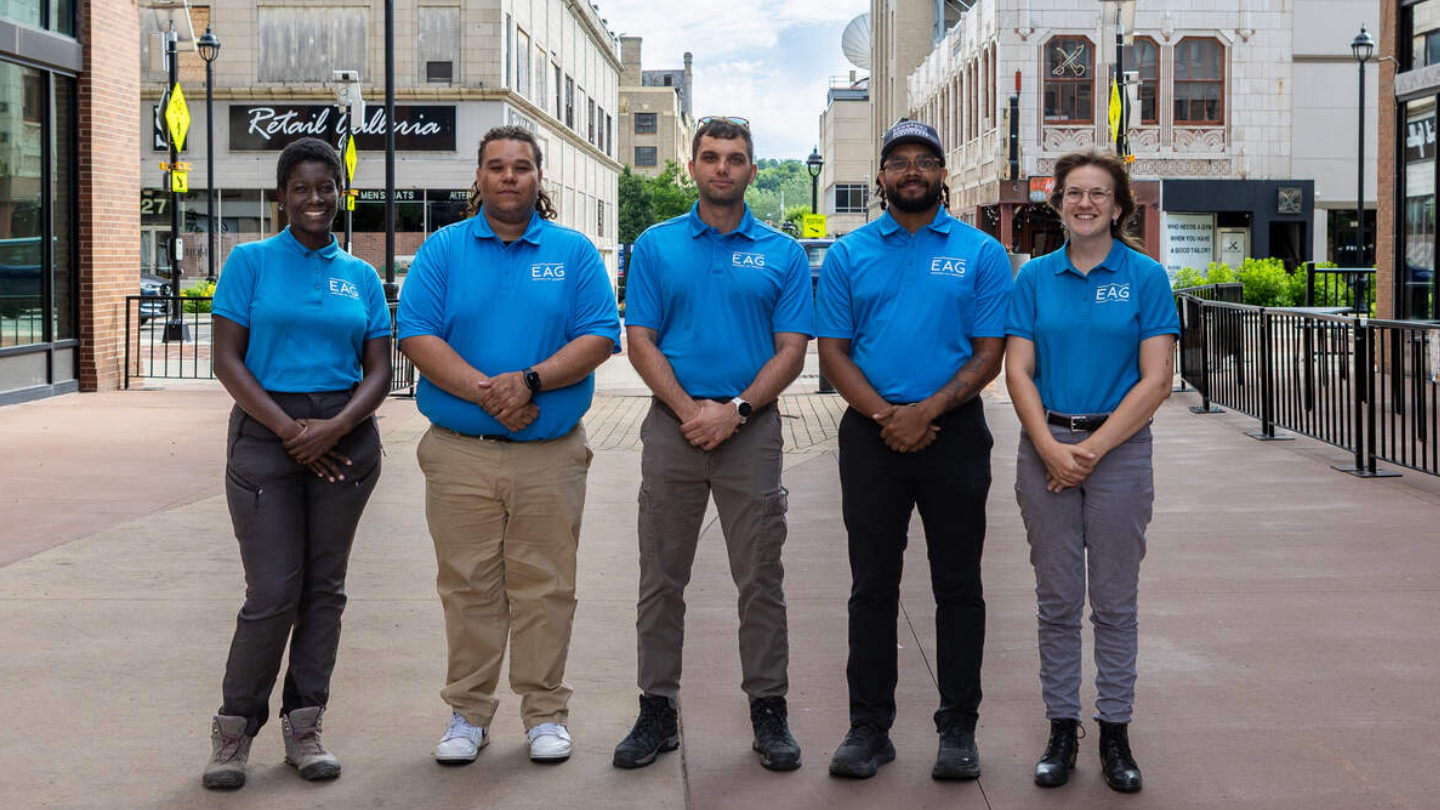
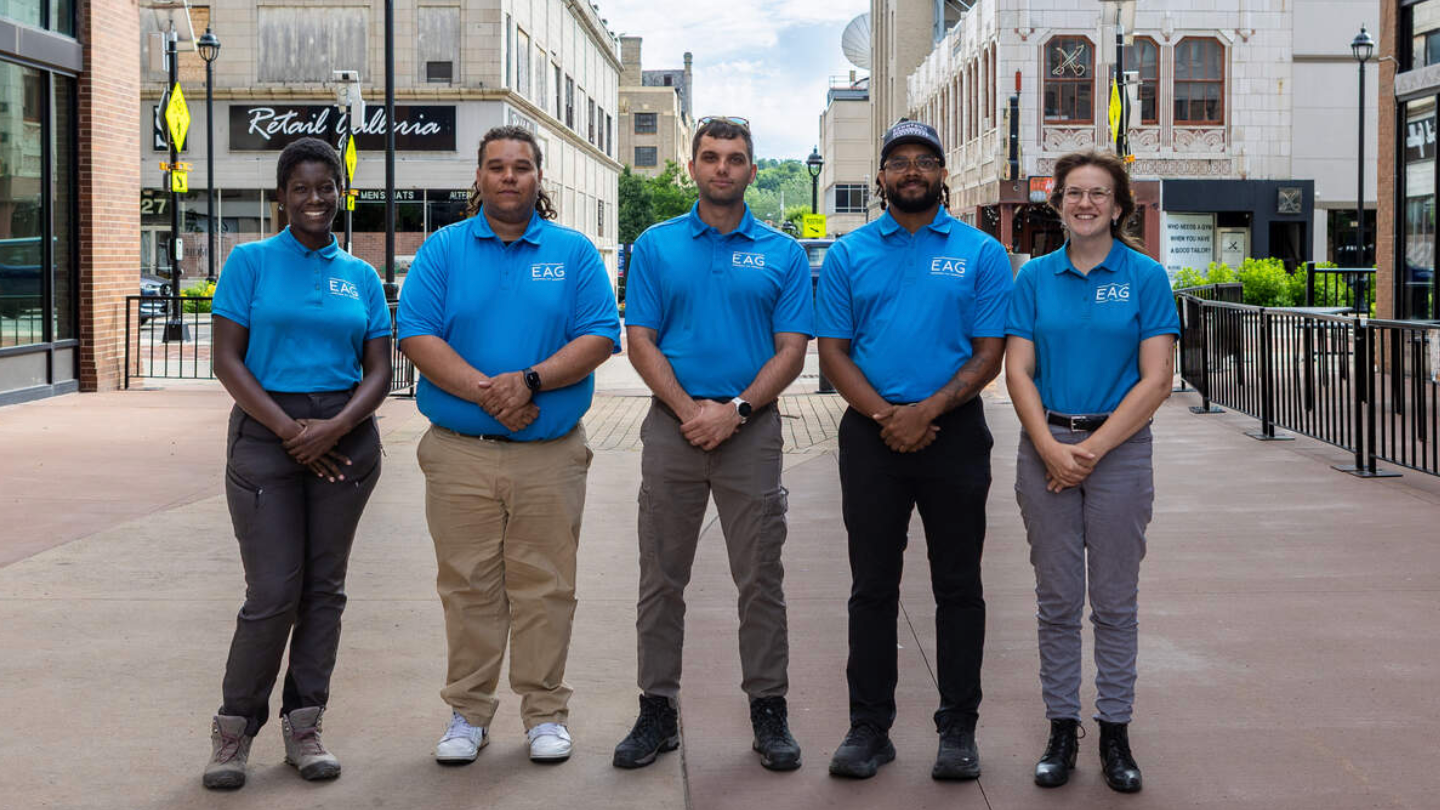
- Columbia, Missouri Expanding Downtown Safety Ambassadors As Police Praise Team’s Role In Preventing Problems From Escalating. For KOMU8, Matthew Gustafson reports on the city’s move to “expand the group’s role just over three months after it was introduced to the city.” Columbia Police Assistant Chief Mark Fitzgerald said the ambassadors’ role is “to be a de-escalator, to have excellent relationships with the bars and the business owners, to get to know their door guys, to solve some of the lower-level problems before they escalate to a problem that needs police involvement.” The Police Department “provided the ambassadors with de-escalation training” and “meets with the ambassadors’ supervisor monthly.”
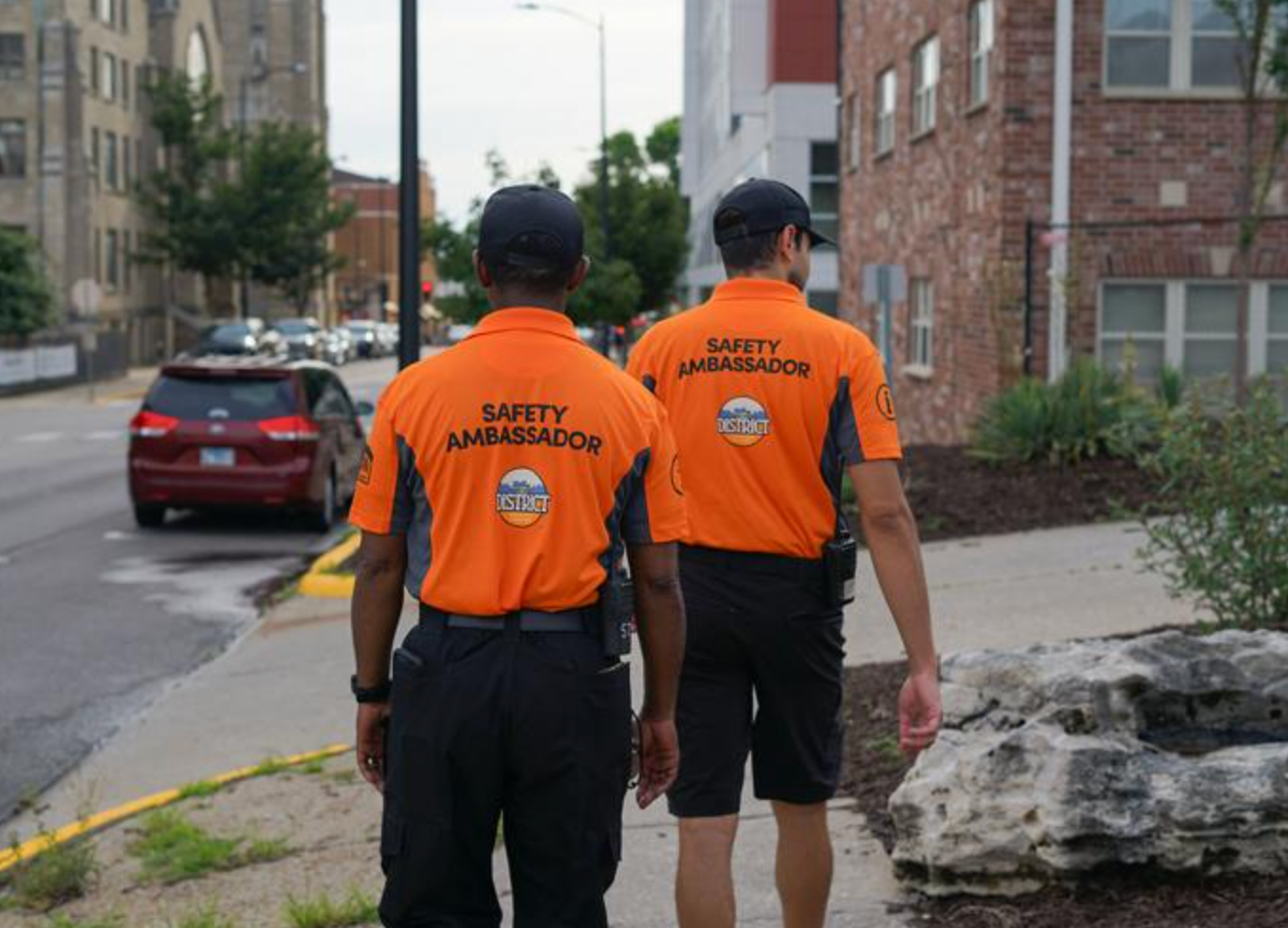
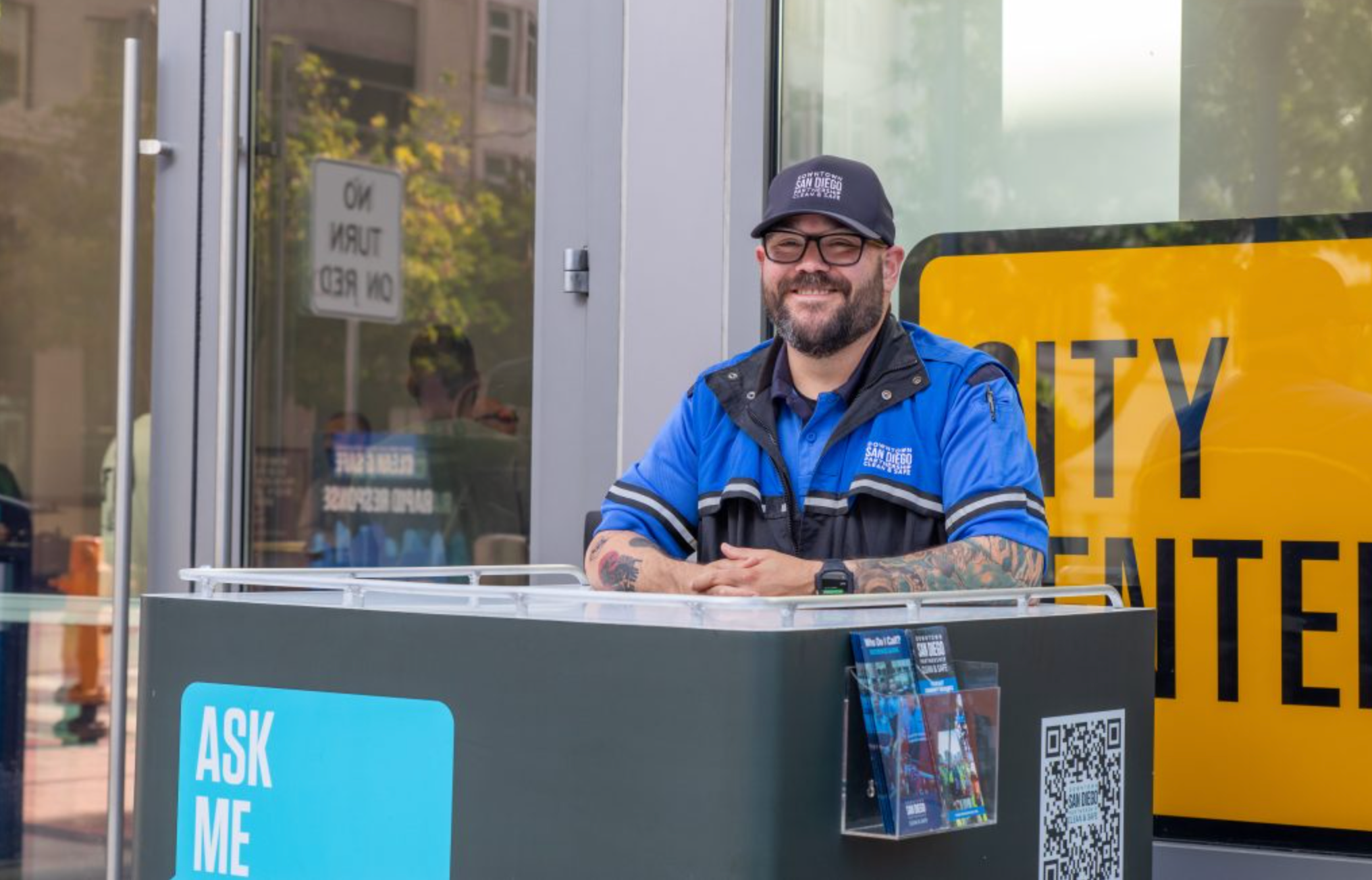
- San Diego, California, Safety Ambassadors Mark Major Milestone—More Than 77,000 Patrols, 52,000 Contacts Across 280 Downtown Blocks. The Downtown San Diego Partnership announced that its safety ambassador program recorded more than 77,000 safety patrols, 52,000 proactive contacts and 4,000 reports through the city’s app last year, providing “enhanced services beyond those otherwise available to keep 280 blocks of Downtown neighborhoods clean, safe, and thriving… [ambassadors] are additional eyes and ears for Downtown neighborhoods… conduct welfare checks, provide safe walks home, give directions to those who need them and check in on businesses when business owners can’t be there in person.” The city also noted that the team “work closely with our unhoused care team to connect people with resources they need and expert assistance should they be experiencing a mental health or substance use crisis.”