A three-part white paper series published in May by Georgetown Law’s Center for Innovations in Community Safety and its Alternative Response Research Collective lays out what it takes to make community crisis response (CCR)—which can include mobile crisis teams, mediation responders, and other unarmed teams handling welfare checks and substance use-related calls for service—a lasting part of a modern city’s public safety infrastructure.
Drawing on two years of research with nine pioneering programs nationwide—including interviews with program leaders and responders, site visits, program data and ongoing collaboration—the papers examine how cities integrate unarmed crisis teams into emergency response and systems of care, recruit and train the right workforce, and secure funding beyond initial pilots. The central finding from researchers is that these programs are becoming a permanent part of how cities respond to people in crisis. As Durham Community Safety Director Ryan Smith puts it, “The more we establish community crisis response as a standard branch of public safety, across more cities, the more it becomes accepted—and the more sustainable it becomes collectively.” The full set of white papers is worth your time, but here are some of the toplines:
- Mobile Crisis Team Integration Into 911 Can Turn Police And Fire Into Strong Advocates For These Teams. In the white paper titled “No Longer Alternative,” researchers found that “for many programs, integration into 911 dispatch systems has become central to this work [of making law enforcement and fire champions for these teams]… Frontline officers and dispatchers often become some of the strongest advocates for CCR programs once they trust the response model. Rochester, New York’s Crisis Services Intervention Unit initially responded to only three mental health-related call types. Within two years, officers were requesting the team so frequently that the program expanded to twelve call categories, and the Fire Department began seeking their support on additional calls as well.”
- Matching The Right Responders To The Right Crises Can “Free Up Capacity And Reduce Costs Without Sacrificing Quality” Of Service. In the white paper titled “Who Responds Matters,” researchers found that it’s vital that cities “match [their] responder profiles to [their] actual call volume and community need, not an idealized model… Licensed clinicians are a scarce and expensive resource. Deploying them on every call, regardless of acuity, is neither sustainable nor necessary. Programs that reserve licensed clinicians for the situations that genuinely require their skills … free up capacity and reduce costs without sacrificing quality. Community crisis responders, peer specialists, and other professionals bring real skills to the full range of calls that don’t require licensure, and programs that recognize this build more resilient, cost-effective teams.”
- Stable City Funding, Supplemented By Other Sources, Can Make Crisis Response Programs Last. In the white paper titled “Building What Lasts,” researchers found that “sustainable programs often braid multiple funding streams (municipal budgets, public health funding, Medicaid reimbursement where applicable, and philanthropic support) to reduce reliance on any single source… Among [] program partners, city general funds are overwhelmingly considered the ideal funding source for CCR programs. … Relationships with the Police and Fire Chiefs can also help build support for funding. In many jurisdictions, the Chiefs are some of the strongest allies of CCR programs.”
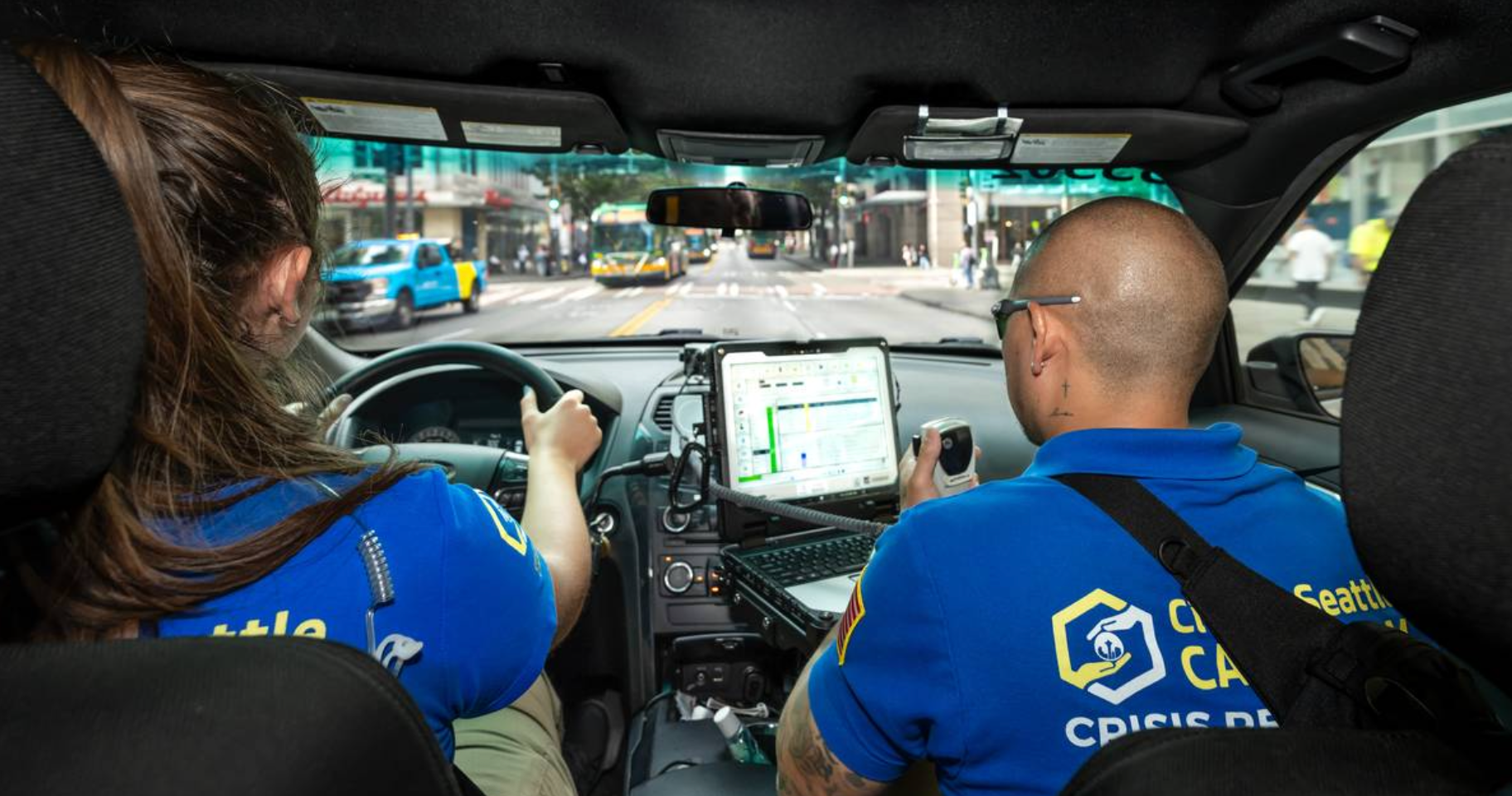
Mobile Crisis Response Teams Launching Across The Country:
- Cleveland, Ohio, Launches New Crisis Response Bureau To Send Mental Health Responder Teams To Emergencies. For Spectrum News 1, Mariam Abaza reports Cleveland is launching a new Community Crisis Response Bureau within EMS to “facilitate unarmed community crisis response services for behavioral health and substance use emergencies.” The bureau “will deploy teams that include behavioral health clinicians, paramedics, peer supporters and other qualified professionals” and work across “911 operations, healthcare providers, behavioral health organizations [and] social service agencies” to establish “coordinated pathways and specialized care response.” For Axios, Sam Allard reports the bureau “represents a big shift in how Cleveland handles nonviolent crisis calls,” with a “phased rollout” beginning this fall. The bureau’s first deputy commissioner, Maureen Malavé, said, “Our goal is to build a sustainable system rooted in empathy, equity, accountability and evidence-based care.”
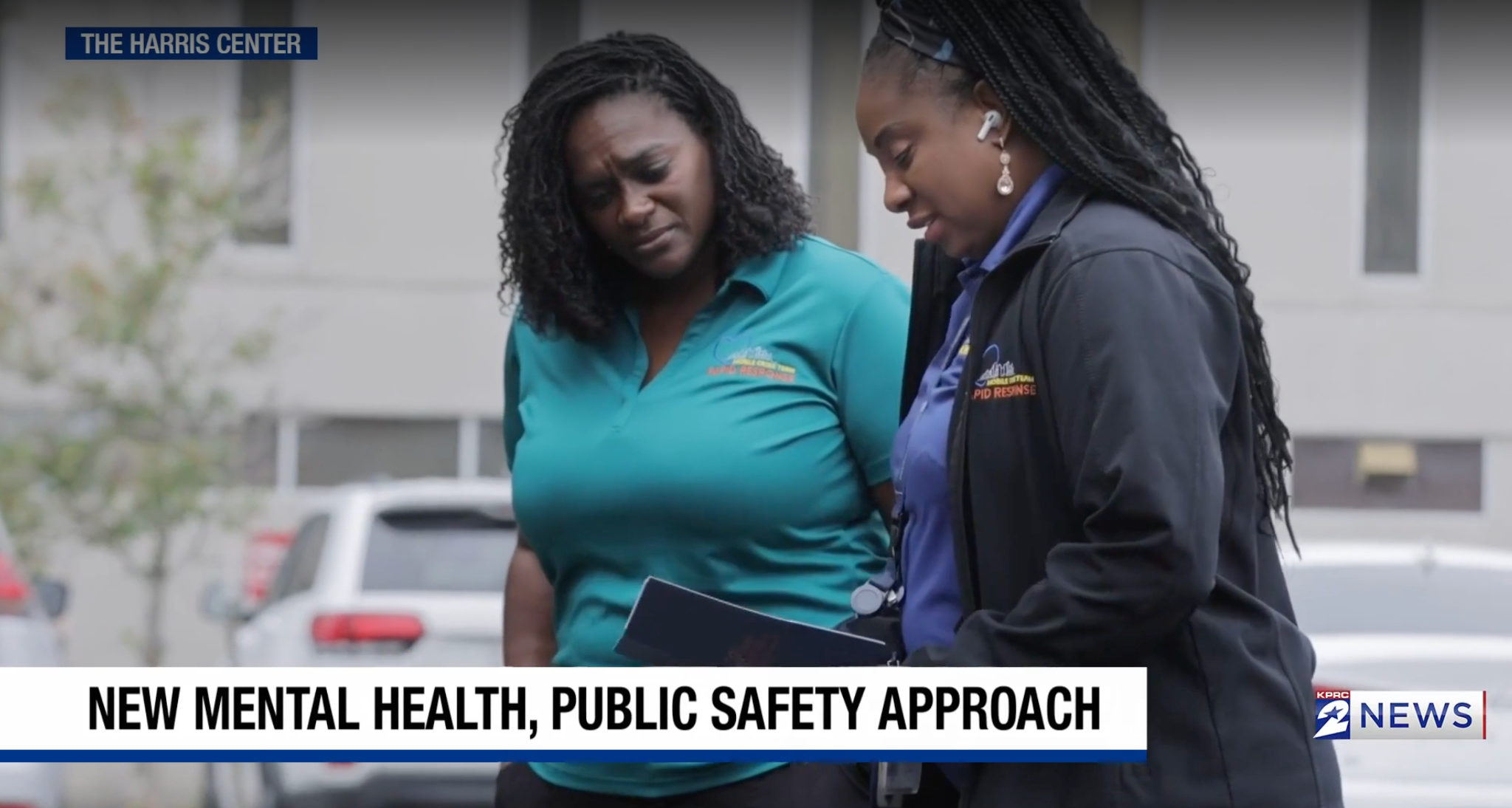
- Harris County, Texas, Launches 24/7 Youth Mobile Crisis Response Team To Bring Mental Health Care Directly To Families, Reducing Strain On Law Enforcement. For KPRC 2, Andy Cerota reports on the Harris Center for Mental Health’s new Youth Crisis Outreach Team that “brings mental health professionals directly to young people and their families, with the goal of addressing a crisis before it escalates into a public safety emergency.” Supported by a five-year state grant, “the program has about 18 team members and provides 24-hour coverage… [where] a clinician works alongside youth peers and family partners,” including team members with “lived experience with mental health challenges, substance use and the justice system.”
Sarah Strang, the center’s director of mobile and youth crisis outreach teams, said sending mental health professionals instead of police “can be huge,” explaining that young people otherwise may be taken to “either the detention center or a psychiatric hospital.” Instead, “We’re coming into their home and trying to really see what’s going on and how can we help.” Once the immediate crisis is addressed, “families can be connected with longer-term services, including counseling, psychiatry and other support.”
- Springfield, IL, Launches New Crisis Response Team To Reduce Strain On Police, Jails. For NewsChannel 20, Emily Jordan reports on the city’s new BEACON program that addresses “mental health, substance use, and opioid related emergencies,” deploying the Springfield Fire Department “alongside local behavioral health experts… without [] needing law enforcement present.” A new ambulance, Rescue 1, “serves as a mobile response and stabilization vehicle” for the team. Fire Chief Nick Zummo explained that the city has “‘seen a huge uptick in calls in the last five years… [involving] mental health [and] drug addiction,’” and that “not every 911 call can be resolved through a trip to the emergency room or a night in jail.” Taryn Ellison, behavioral health coordinator for SIU Addiction Medicine Clinic, said, “If we’re able to help people who need extra support, get it before they’re at their breaking points, before they’re at a psychiatric emergency, that can really help them to get stabilized” and avoid “legal consequences” or hospitalization.