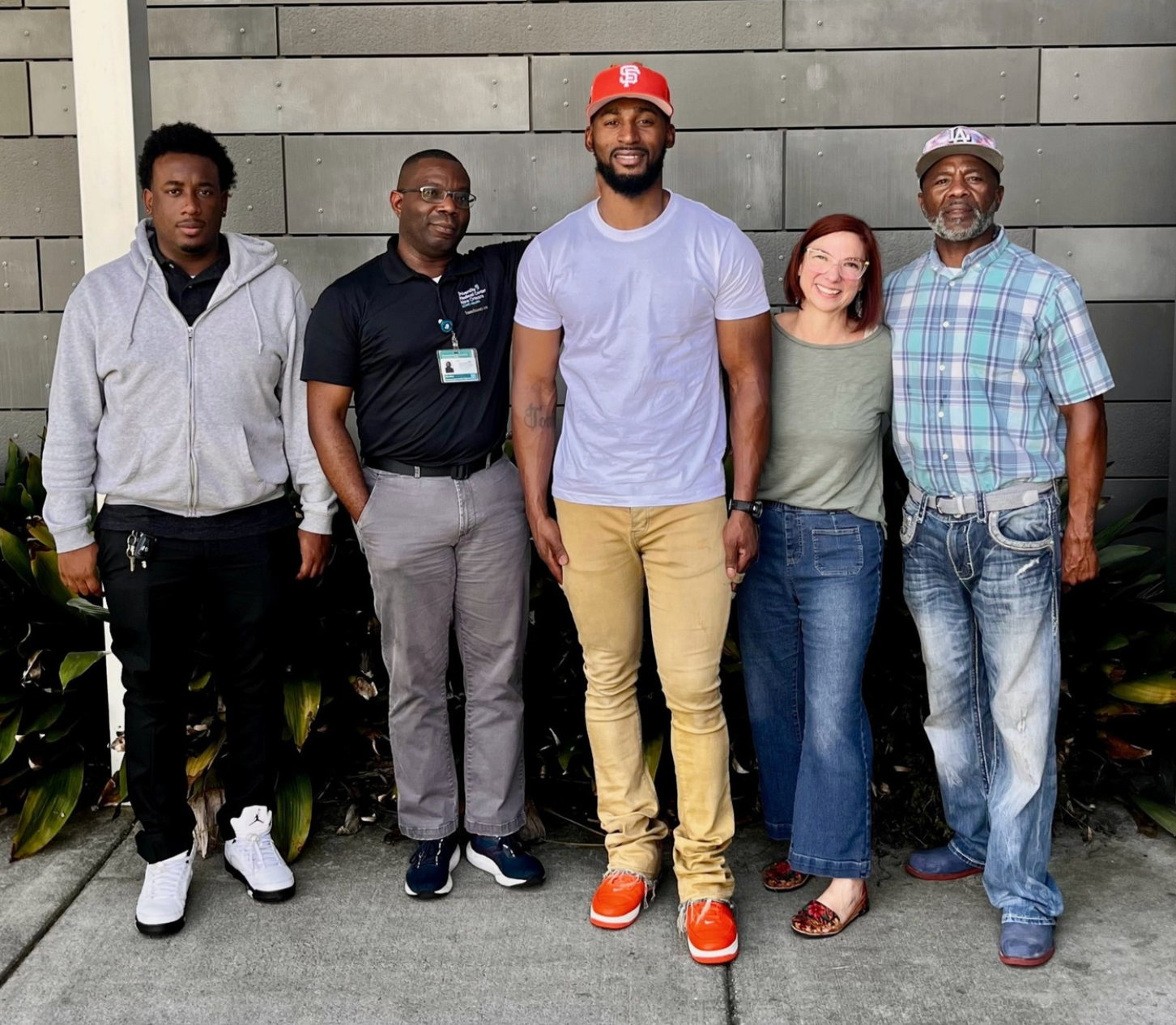
Community violence intervention programs rely on trusted community members to intervene in conflicts, mediate disputes and connect people at highest risk of violence with support before retaliation occurs.
New Orleans’ Office of Violence Prevention coordinates a broader violence-prevention system that includes Peace Ambassadors who mediate neighborhood conflicts, a Hospital-Based Violence Intervention Program that reaches victims immediately after injury, and a Trauma Recovery Center that provides longer-term support to survivors. That infrastructure has helped put New Orleans among the cities with the nation’s strongest violence-prevention readiness: Community Justice’s 2025 Violence Prevention Index gave New Orleans a 65, placing it among the cities with the ten highest scores. Every city in that group invested in both outreach-based and hospital-based violence intervention.
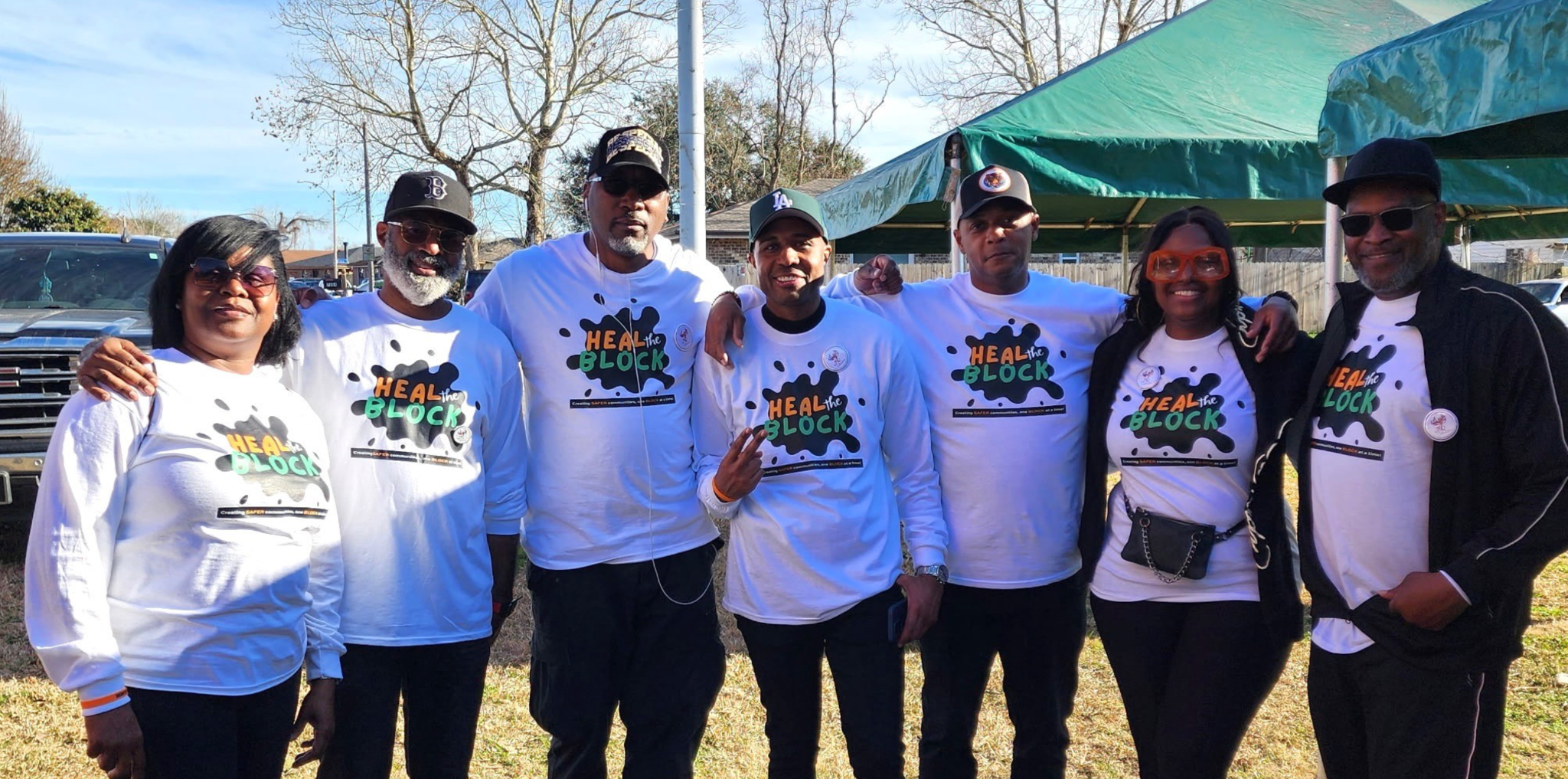
Safer Cities recently spoke with Roberta Dubuclet, Director of the New Orleans Office of Violence Prevention, about why trusted messengers matter, what it takes to prevent violence over the long term, and what the work looks like before violence occurs.
- On Building Credibility, Trust In The Community: “Our Peace Ambassadors and Hospital Based Violence Interrupters come from the communities they serve, which gives them a level of credibility, trust, and understanding that cannot be taught in a classroom. Many of our staff have lived experiences similar to those of the individuals and families we work with, allowing them to build authentic relationships and connect with people during some of the most difficult moments of their lives.
They understand the culture, the challenges, the neighborhood dynamics, and the realities that many residents face every day. Because of those relationships and experiences, community members are often willing to open to our staff in ways they may not with traditional systems or institutions. That trust is what allows us to intervene, de-escalate conflicts, and connect people to support before situations escalate into violence.”
- On Addressing Underlying Instability To Stop The Spread Of Violence: “Stopping violence in the moment is only one part of the work. Long-term success comes from helping people address the underlying challenges that contribute to violence and instability. Through our Peace Ambassadors, Hospital Violence Prevention Team and Trauma Recovery Center, we provide ongoing support with employment, education, housing stability, mental health services, victim support, life skills, mentoring, transportation assistance, and connections to community resources. The long-term support is critical because people need more than a single intervention; they need opportunities, stability, and hope. We have helped individuals secure jobs, maintain housing, reconnect with school, access counseling, and build positive support networks. When people feel supported and have pathways to success, they are less likely to return to cycles of violence.”
- On The Work That Happens Behind The Scenes To Stop Violence Before It Can Occur: “One of the biggest misconceptions is that this work is simply about responding to violence after it happens. Much of the work happens behind the scenes and before violence occurs. We spend countless hours building relationships, mediating conflicts, mentoring youth, supporting victims and families, canvassing neighborhoods, connecting people to resources, and helping individuals navigate difficult life circumstances…
Our Peace Ambassadors bring valuable insight, credibility, and a deep commitment to helping others avoid the challenges they once faced. The work they do on the ground goes beyond what their titles suggest. This work requires compassion, patience, professionalism, and courage. Our staff are not only violence interrupters, but they are also mentors, advocates, trusted messengers, and community leaders working every day to create safer and healthier neighborhoods throughout New Orleans.”