- Minneapolis “Tests Civilian Crash Responders To See If It Can Ease Police Workload.” For KSTP, KaMaria Braye reports that the city is using part of a $2.5 million federal grant to pilot civilian responders who can be dispatched through 911 to meet drivers, document non-injury crashes and take photographs when needed. Will Christenson, the Office of Community Safety’s director of design and implementation, explained why a program like this is vital to public safety: “Some of these traffic collisions, even if there is no injury, take a long time to document, and an officer is there filling out paperwork where they could be responding to a higher priority call.” The Minneapolis Police Department supports the new team and explained to the news station that “without a doubt, the program supported by this grant will free up officers to respond to higher priority 911 calls… [and] there’s a high probability that this will also help reduce response times to higher priority 911 calls.”
- North Carolina Cities Launching Civilian Traffic Responders, Freeing Officers For Higher-Priority Calls And Improving Response Times. For WRAL, Sarah Krueger reports that cities across North Carolina are increasingly using civilians to handle lower-priority, non-injury crashes. In Durham: the civilian responder averages 50 calls a month and police officers say the program has “significantly reduced their workload,” improved response times and boosted job satisfaction, and two more investigators are in training. In Raleigh: its five-person team responded to 3,171 calls and completed 2,519 crash reports in 2025, with police saying the unit is “making a huge impact.” And in the City of Apex: its part-time investigator handled 48 crashes, or 18% of non-injury crashes, in the program’s first months.
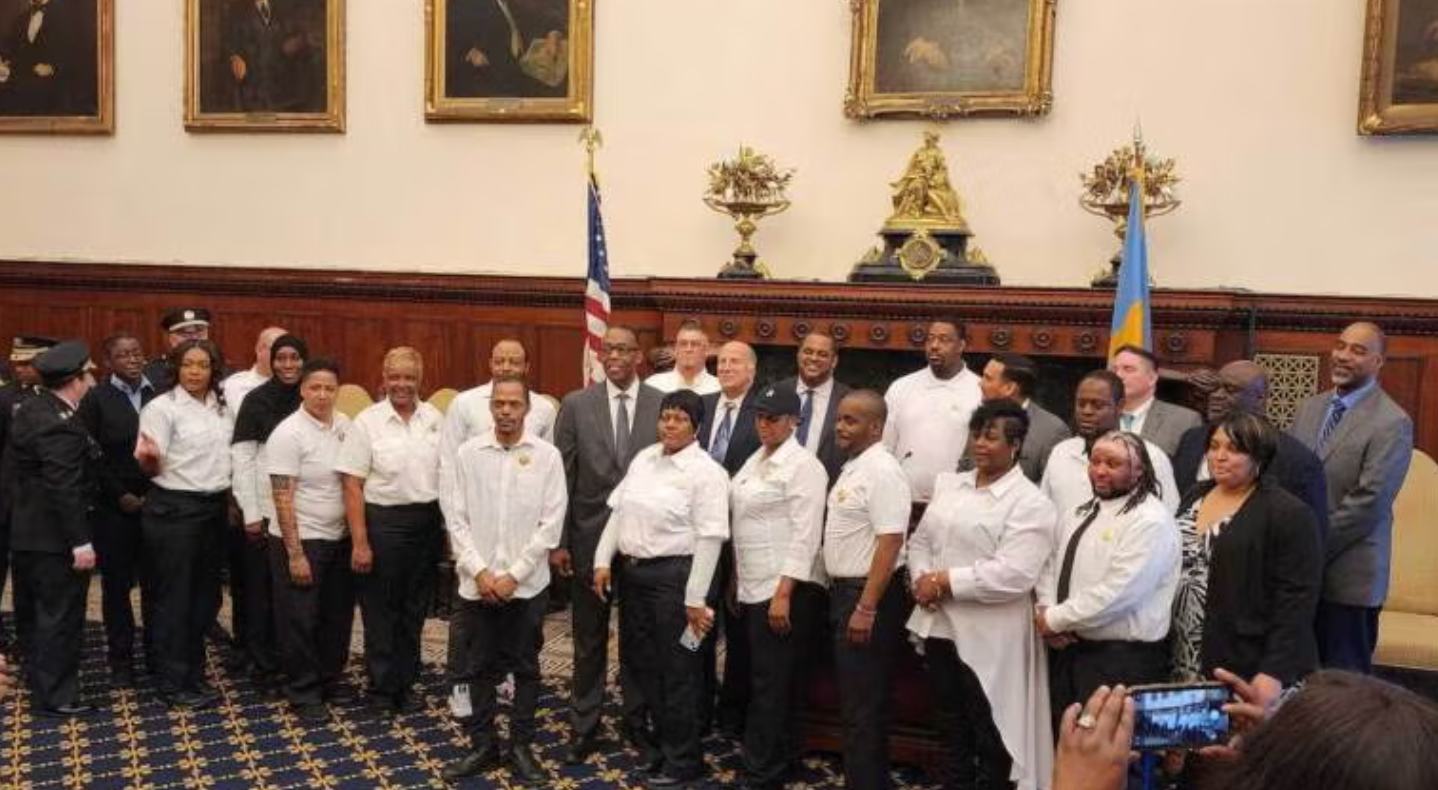
- Philadelphia Builds Out Its Civilian Team To Handle Traffic Duties Traditionally Performed By Police. The Philadelphia Streets Department’s latest budget lays out the latest expectations of the Public Safety Enforcement Officers, a civilian team that directs traffic at key intersections, issue tickets for non-moving violations and report abandoned vehicles, with the city planning for 29 positions this fiscal year. When the program first launched, WHYY’s Tom MacDonald reported that the civilian officers were taking on work previously performed exclusively by police, including traffic direction and ticketing, helping to reduce the load on law enforcement in the city.