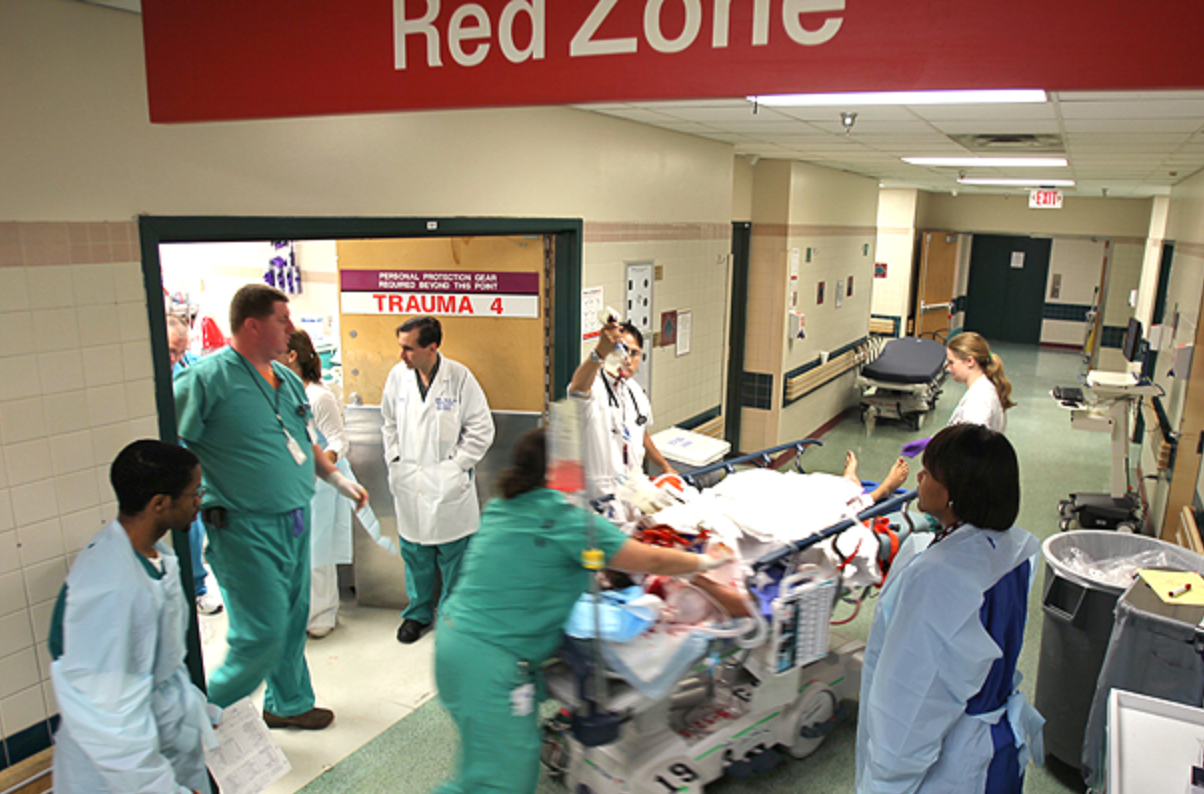
Trauma Recovery Centers help survivors of violent crime address the psychological and practical consequences that can follow victimization, pairing trauma-focused mental health treatment with case management and connections to housing, financial, legal and other support with the aim of reducing cycles of violence and instability that can follow traumatic injury.
In Atlanta, Grady Memorial Hospital’s Trauma Recovery Center is embedded within the hospital’s trauma system and provides patients with “16 weeks of free psychotherapy and supportive case management services.” A 2025 study of Grady’s program screened records for 3,238 adult patients and found that among those completing TRC intake, 68% screened positive for probable PTSD, 45% reported severe anxiety and 24% severe depressive symptoms—researchers concluded the model “helps increase access to trauma-focused care for those who may not otherwise receive it.”
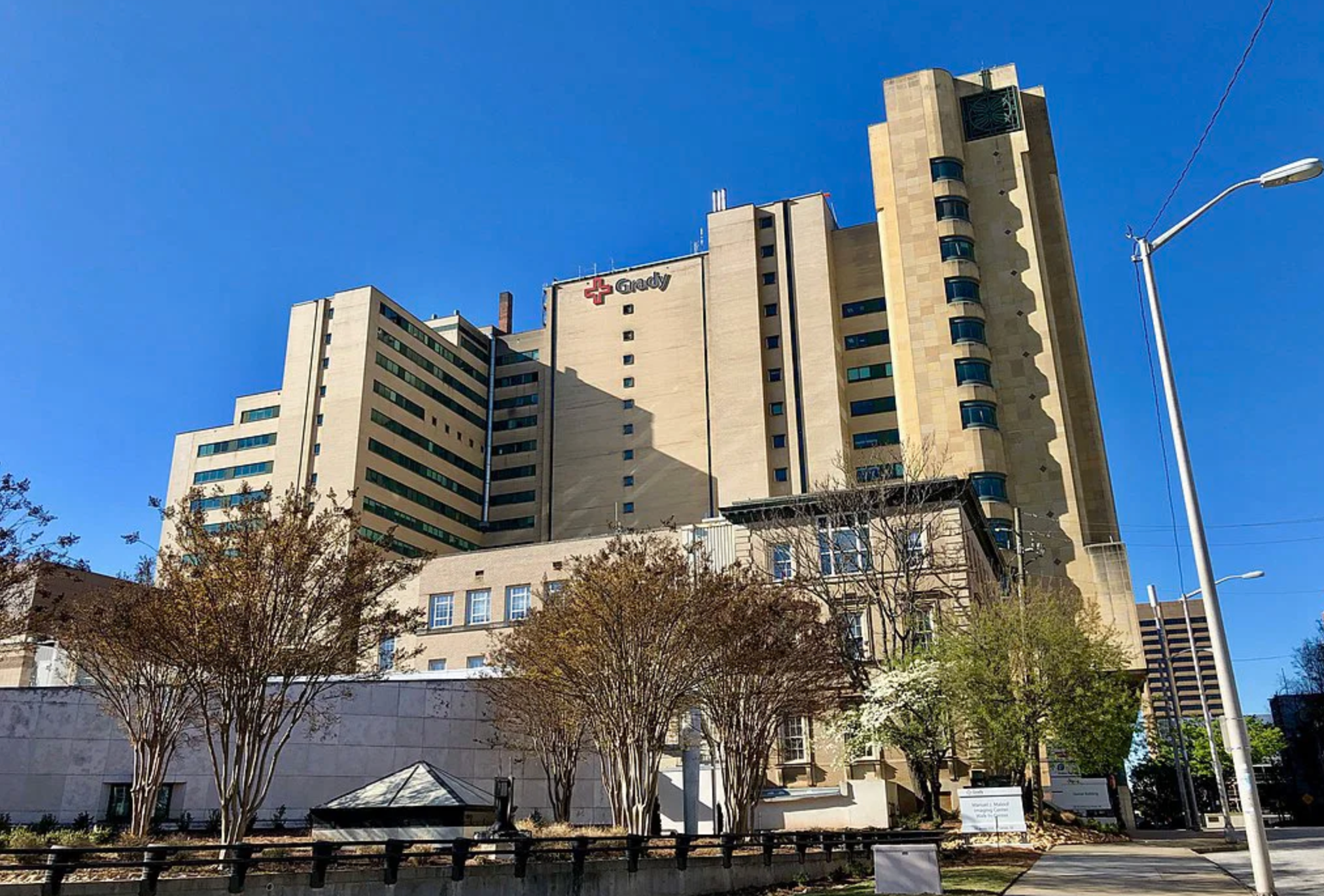
Safer Cities recently spoke with Diana Cortina-Rodriguez, LMFT, RPT, Director of Grady’s Trauma Recovery Center, about helping survivors move beyond physical survival, addressing the practical barriers that can impede recovery, and reaching people who might otherwise never connect with treatment:
- On Helping Survivors “Transcend The Act Of Physically Surviving”: “At the TRC, we are committed to helping patients and their families transcend the act of physically surviving their violent injuries and embrace a future of resilience and empowerment. We provide a holistic array of mental health and support services rooted in respect, compassion, and evidence-based care.
By tailoring our approach to each individual’s unique needs, we effectively foster healing and empower survivors to thrive. … Patients often come to the TRC following a recent violent crime and are navigating the complex physical, emotional, and practical impacts of trauma. Many are experiencing symptoms of post-traumatic stress disorder (PTSD), anxiety, depression, grief, sleep disturbances, hypervigilance, and chronic stress.”
- On Why “Recovery Requires More Than Treating Symptoms”: “At Grady’s Trauma Recovery Center, we recognize that trauma recovery does not occur in a vacuum. Many of the survivors we serve are simultaneously navigating challenges such as housing instability, financial hardship, food insecurity, transportation barriers, immigration concerns, unsafe living situations, and distrust of healthcare, legal, or government systems. For many of our patients, these practical barriers can become just as significant an obstacle to recovery as the trauma itself… Recovery requires more than treating symptoms; it requires helping survivors regain safety, stability, access to resources, and a sense of control over their future. By addressing both trauma and the practical challenges that accompany it, we help survivors move beyond crisis and toward lasting recovery.”
- On Making “Assertive Outreach” A Defining Feature Of The Model: “Assertive outreach is one of the defining features of the Trauma Recovery Center model. We recognize that many survivors of violent crime are unlikely to seek traditional mental health services on their own due to trauma symptoms, fear, transportation barriers, distrust of institutions, financial limitations, or simply not knowing that services exist.
Rather than waiting for survivors to find us, the TRC actively seeks to engage individuals where they are. Our outreach efforts begin in the hospital, where staff screen patients admitted for violent injuries and conduct bedside outreach to introduce services during a critical window of opportunity… TRC clinicians and case management staff use persistent, compassionate engagement strategies that include phone calls, text messages, telehealth visits, home visits, community-based meetings, and accompaniment to appointments when needed.”