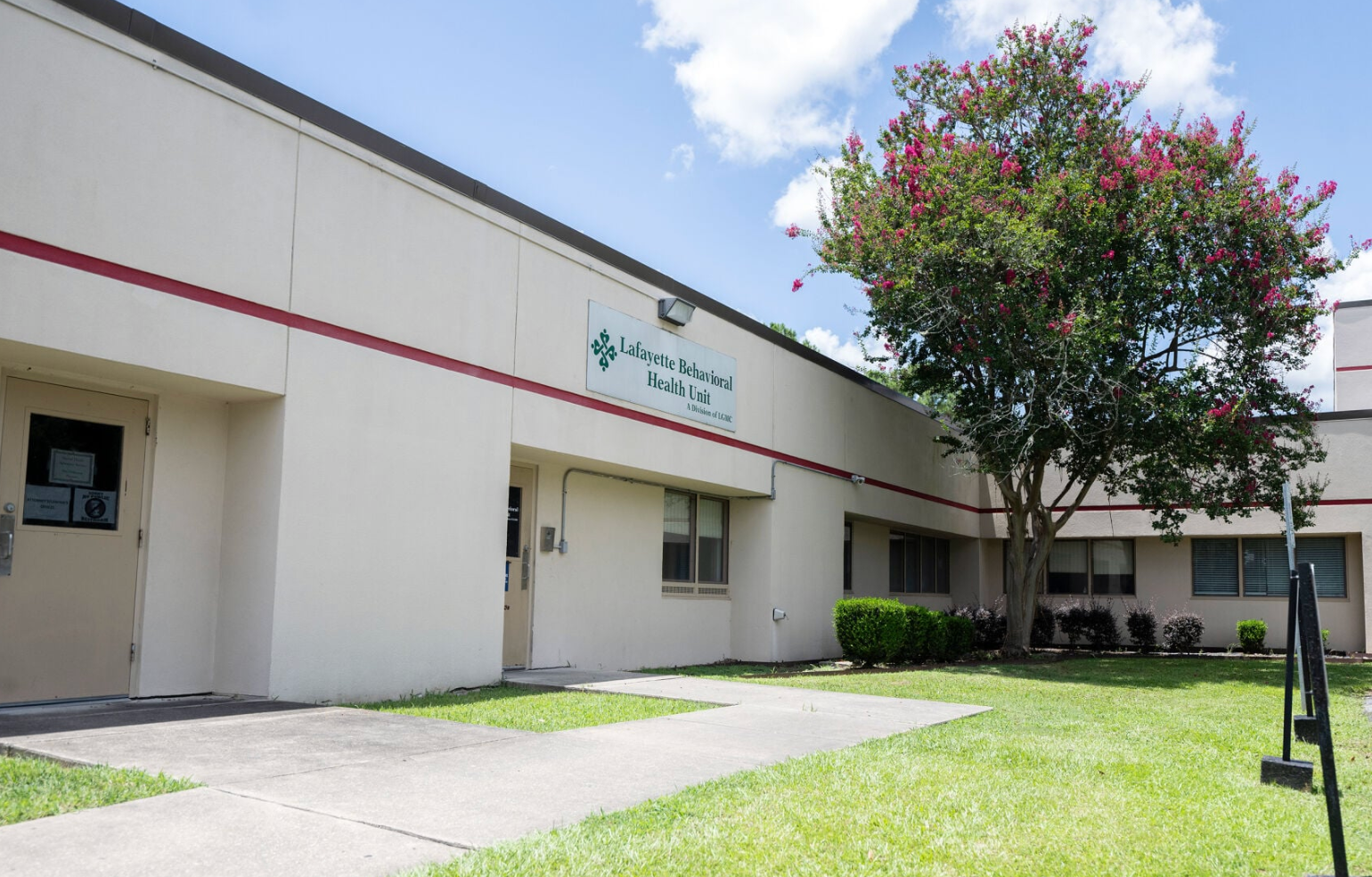
- Lafayette, Louisiana, Is Building A 24/7 Crisis Center To Give People In Mental Health Crisis An Alternative To “Emergency Rooms And Jails.” For The Current, Camden Doherty and Alena Maschke report that the new crisis stabilization center will “divert [patients experiencing a mental health crisis] from emergency rooms and jails to treatment by specialized mental health providers.” The Advocate reports that the former 24-bed psychiatric facility could include 12 stabilization rooms, 12 beds and group therapy space, providing “the right clinicians and medical personnel” to stabilize and de-escalate patients before further xtreatment. Lafayette has committed nearly $2 million in opioid settlement funds to support the facility.
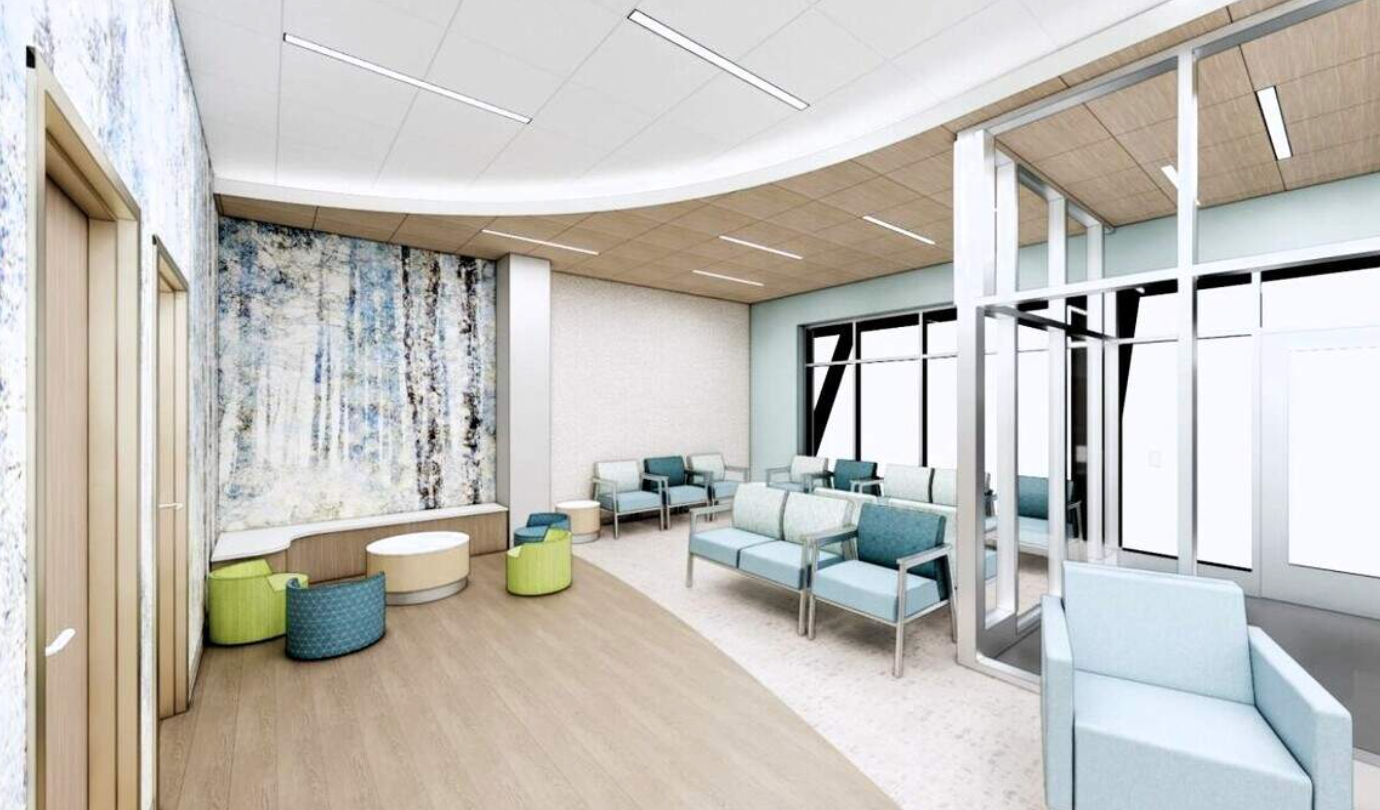
- Orange County, North Carolina, Approves A 24/7 Crisis Stabilization Center For Treatment Instead Of “Jail And Long Waits In A Hospital Emergency Room.” For The News & Observer, Tammy Grubb reports that the new $29.4 million facility will include a 12-bay behavioral health urgent care unit, a 16-bed crisis unit and a peer living room and resource center, serving up to 365 people each month. Chapel Hill Police Chief Celisa Lehew said, “Every call doesn’t require a law enforcement solution,” noting that after officers stabilize an immediate crisis, “we find ourselves asking the same question—now what?” Now, law enforcement and other first responders have a facility to take people in crisis. Crisis Division Manager Sarah Belcher said the center will provide ongoing treatment and follow-up care, ensuring that people receive “the right care at the right time in the right place.”
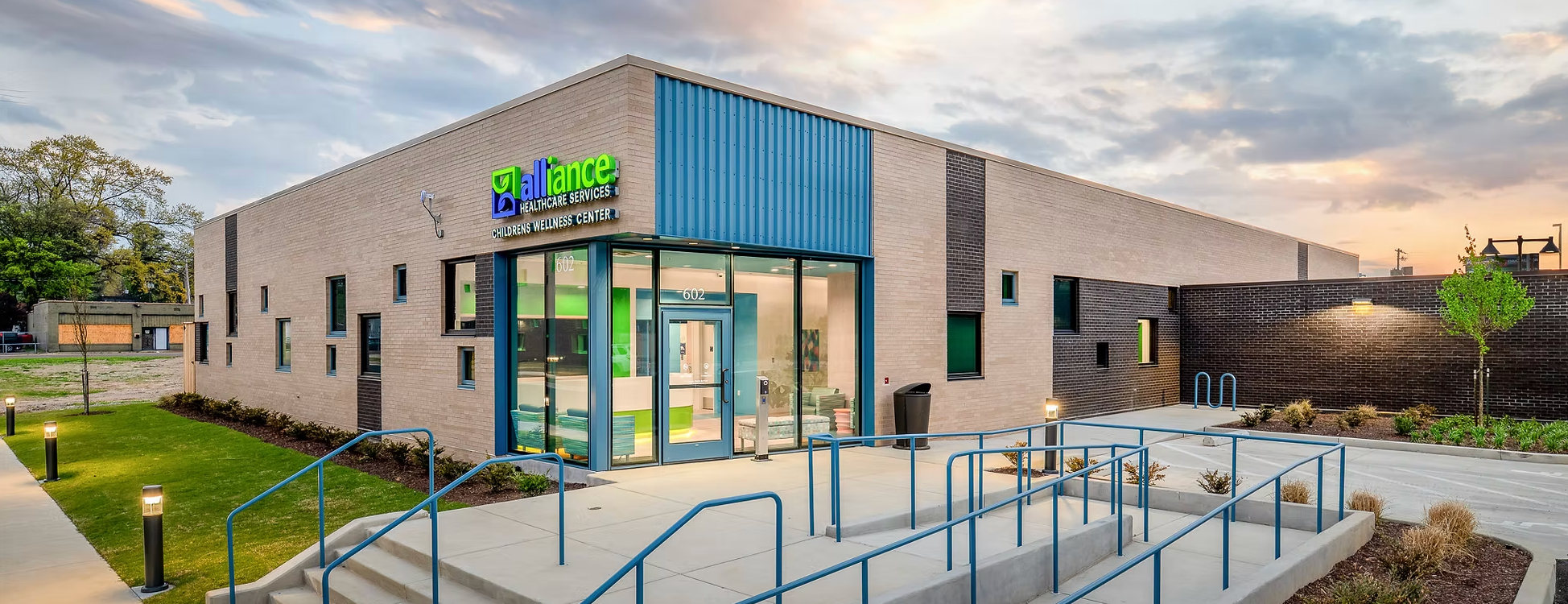
- Memphis, Tennessee, Opens West Tennessee’s First 24/7 Walk-In Youth Crisis Center. For FOX13, Mandy Hrach reports that the Children & Youth Wellness Center will provide around-the-clock care for children ages 4 to 17 experiencing “a mental health crisis or a substance abuse issue,” after many families previously had “few options outside of emergency rooms” and youth detention facilities. Designed to feel “safe and welcoming instead of intimidating,” the center offers crisis assessments, individual and family therapy, trauma support and connections to community resources. Children’s Medical Director Dr. Mallory Mitchell said, “Early intervention can really change the trajectory of a child’s life,” and no child will be turned away because of insurance status or a family’s ability to pay.