1. Policy Brief: Three Counties Integrating 911 Call Centers With Mental Health Experts, Connecting People In Crisis To “The Right Care” While Reducing Burden On Law Enforcement. The National Association of Counties published a new brief examining how counties are coordinating 911, 988 and behavioral health systems to improve responses to people in crisis. Using a case-study approach, the brief combines national data trends from 911 call centers and behavioral health-related calls with three operational examples from counties experimenting with some form of 911-988 integration that is helping to “connect individuals in crisis to the right care while directing emergency resources where they are needed most”: Boone County, Missouri; Ramsey County, Minnesota; and Henrico County, Virginia. The full brief is worth your time, but here are some toplines from the approaches that these three counties are taking to modernizing their public safety infrastructure and response:
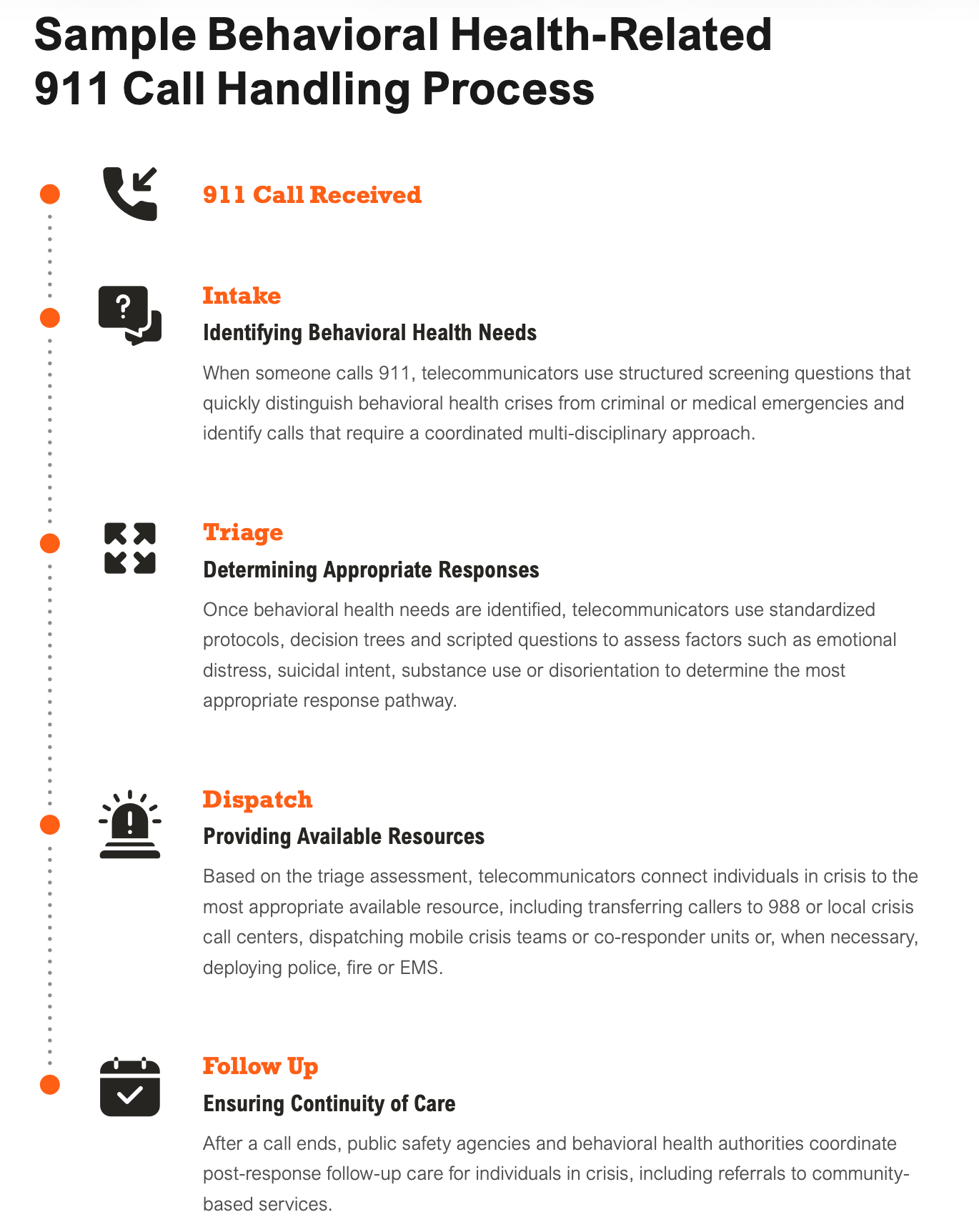
- Boone County, Missouri’s 911-To-988 Warm Transfers Connect Lower-Acuity Callers To Specialized Crisis Support Instead Of Dispatching Emergency Services. In 2024, Boone County Joint Communications and Centerstone “established a formal partnership to improve responses to behavioral health-related 911 calls and reduce strain on 911 telecommunicators.” The partners “identified a list of call types eligible for transfer to 988” and developed a protocol for “redirecting lower-acuity behavioral health calls to specialized crisis support instead of dispatching emergency services.” When a caller is eligible, a telecommunicator “bridges the call to a regional 988 center, introduces the caller, provides relevant context to the crisis specialist and then releases the call to their care.” The partnership can provide “cost-effective early intervention… [resulting in] fewer hospital stays and reducing unnecessary law enforcement and EMS responses.”
- Ramsey County, Minnesota’s Embedded Mental Health Professionals Resolved 78% Of Behavioral Health Calls By Phone, Reducing Strain On Law Enforcement. Ramsey County’s Emergency Communications Center partnered with its Social Services Department “to embed social workers directly into the 911 call center,” allowing “most behavioral health-related calls to be resolved internally without transfer to 988 or other crisis lines.” Since May 2023, telecommunicators have transferred more than 10,200 calls to embedded social workers, who made first-attempt contact with 8,249 callers—“resolving 78% of calls over the phone, referring 12% to mobile crisis services and routing only 10% to a traditional law enforcement response.” According to Emergency Communications Director Nancie Pass, bringing the professionals “under one roof has transformed our work… strengthened trust, deepened coordination and increased confidence in alternative response options across the entire ECC.”
- Henrico County, Virginia’s Four-Level Triage System Uses Call Acuity To Match Each Behavioral Health Crisis With The Most Appropriate Response. Henrico County integrated “a four-level behavioral health triage framework into its Emergency Medical Dispatch platform,” allowing calls “to be classified by acuity and matched with the most appropriate response.” As telecommunicators enter information, the system “automatically assigns an acuity code using standardized criteria and generates a recommended response pathway,” improving consistency in call handling. From July 2024 through June 2025, the county processed 1,588 calls through the framework, with responses including “coordination with 988, dispatch of a Mobile Response Team, deployment of the Prevention Services Unit… or response by Crisis Intervention Team-trained patrol officers.” A bi-monthly working group bringing together “911, 988, behavioral health, law enforcement and county leadership” drives “ongoing review and refinement of the system.”
More Cities Integrating Mental Health Experts Into 911 Crisis Response:
- Skokie, Illinois, Is Integrating 911 And 988 To Route Mental Health Calls To Crisis Counselors While Preserving Police, Fire And EMS For Immediate Safety Threats. For Patch, Rachel Barnes reports that starting this month, Skokie telecommunicators are transferring mental and behavioral health calls without an “immediate life-safety or scene-safety concern” directly to a live 988 mental health expert. Dispatchers will “remain on the line long enough to provide information and make sure the transfer is completed,” while 988 counselors can “listen, de-escalate, assess crisis needs” and coordinate an in-person Mobile Crisis Response Team. Calls involving “a weapon, crime or serious medical emergency” will continue to receive police, fire or EMS response, and 988 can transfer calls back to 911 whenever emergency assistance is needed.
- Orange County, California, Routes 911 Mental Health Calls To Clinicians So Deputies Can Focus On Public-Safety Emergencies. PublicCEO reports that Orange County has launched a new program that will route 911 calls involving “no violation of law or threat to public safety” to licensed clinicians instead of sheriff’s deputies. Sheriff Don Barnes, a champion of the new program, explained that people in a mental health crisis who “pose no threat to the community do not need law enforcement coming to their door” and deputies should remain “focused on public safety and available for emergency calls.” Sheriff Barnes told MyNewsLA that the new policy grew from an internal review of data from sheriff’s department responses to calls for service that led to use of force, which showed that “in some cases a deputy shouldn’t have been dispatched at all and that a social worker would have been a better-trained professional to address the crisis.”
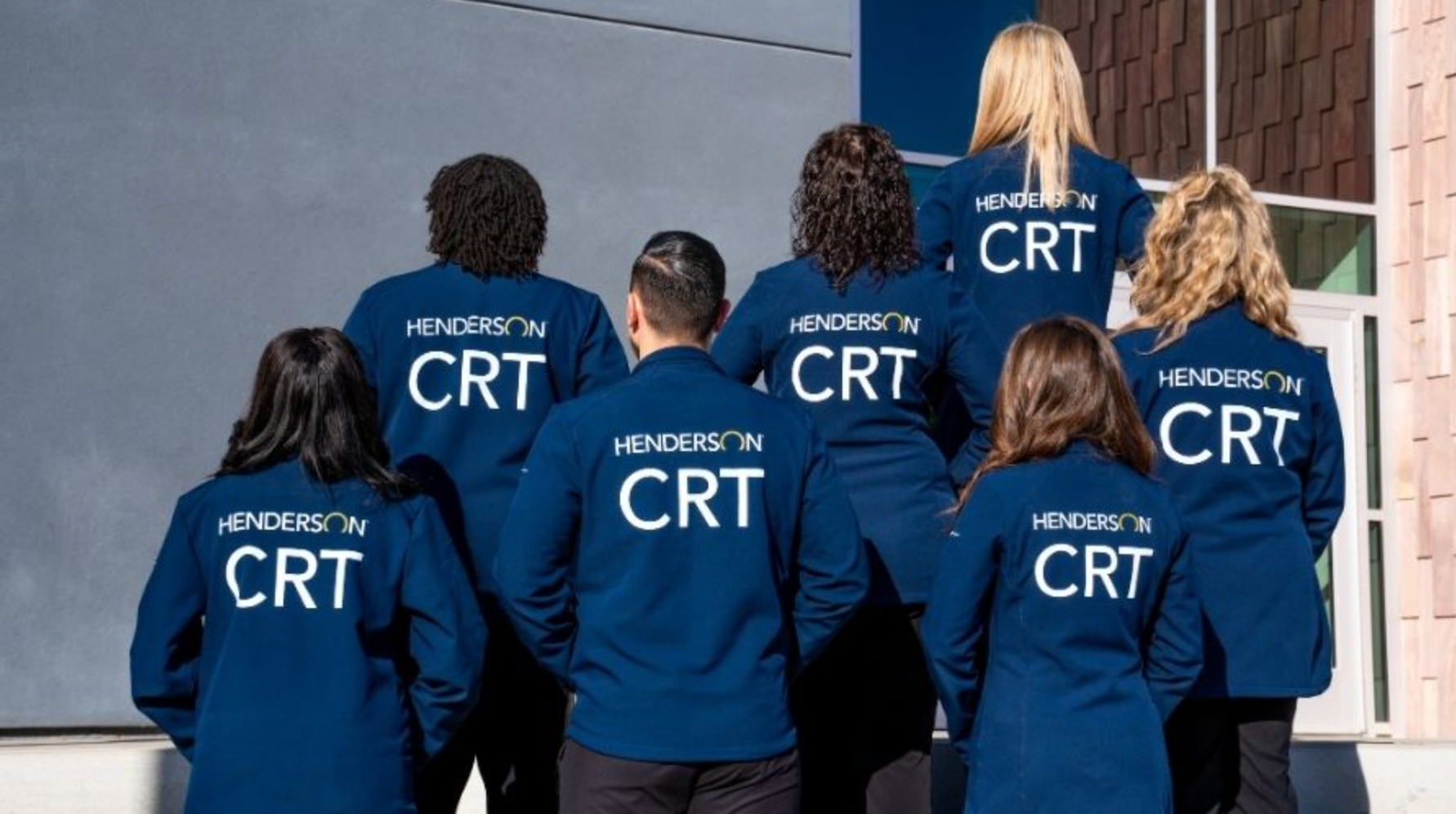
- Henderson, Nevada, Becomes First City In The State To Dispatch Its Crisis Response Team Through 988. The Las Vegas Review-Journal reports that the clinician-led team—Nevada’s “first and only program” designated to provide in-person support for both 911 and 988 calls. 988 call-takers can assess a person’s needs and deploy clinicians to the scene when necessary, much as 911 dispatchers determine whether to send police, fire or EMS. Hayley Jarolimek, director of Henderson’s Department of Community and Neighborhood Programs, said the model allows officers and firefighters to handle calls “that align more with their missions” while helping “prevent the criminalization of mental illness.” FOX5 reports that after the immediate crisis, the team can make a “warm handoff” to services and continue following up for as long as 90 days.
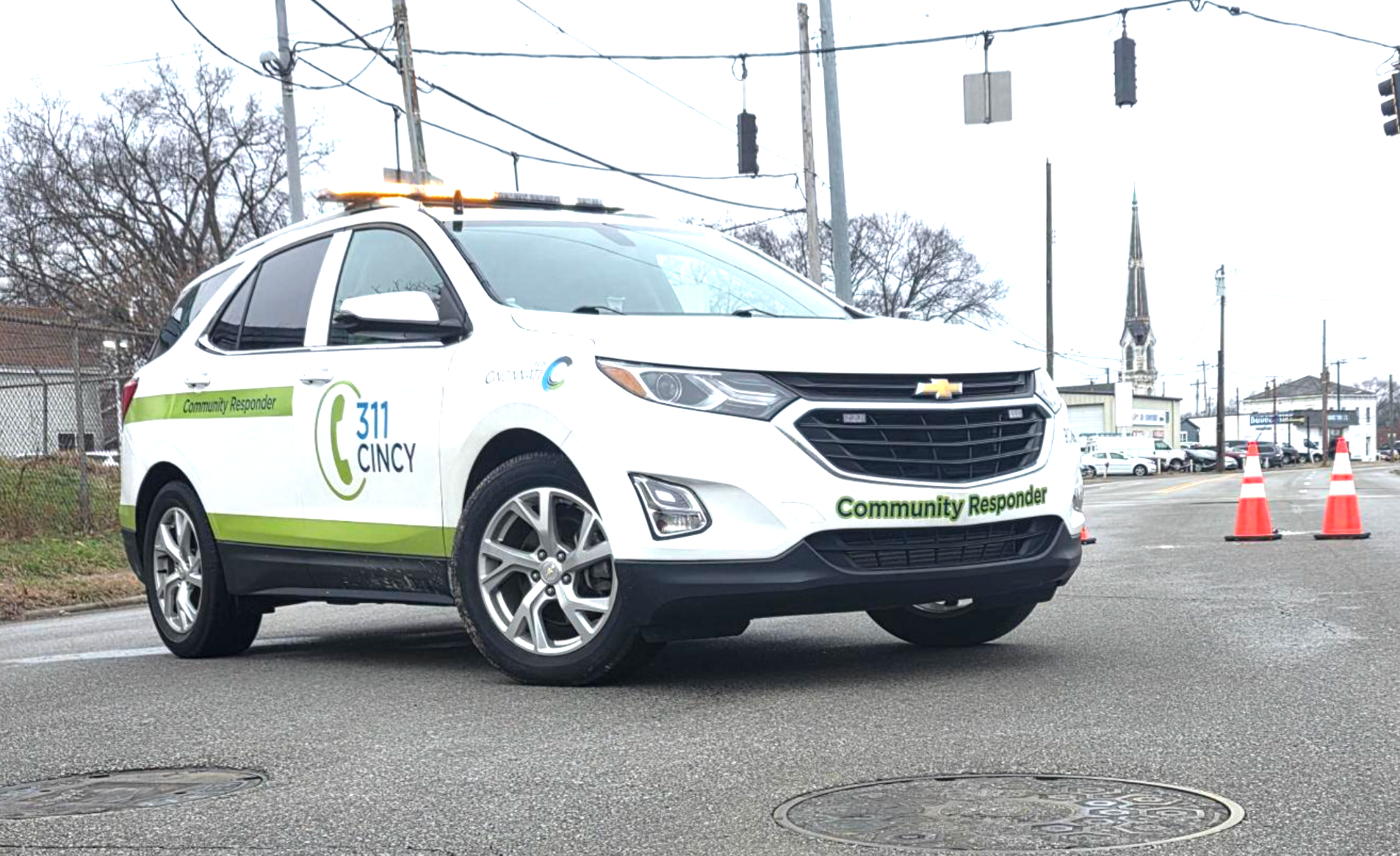
2. Safer Cities Interview With Cincinnati’s Community Responders Team. Community Responders give cities a professional response option for everyday calls that require someone to assess a problem or assist a resident but do not require police, fire or emergency medical services. These teams can be dispatched through 311 and 911 to handle specific calls that would otherwise consume public-safety resources. Similar to other cities’ safety and transit ambassadors but with a broader set of duties, they also serve as the “eyes and ears of the city.”
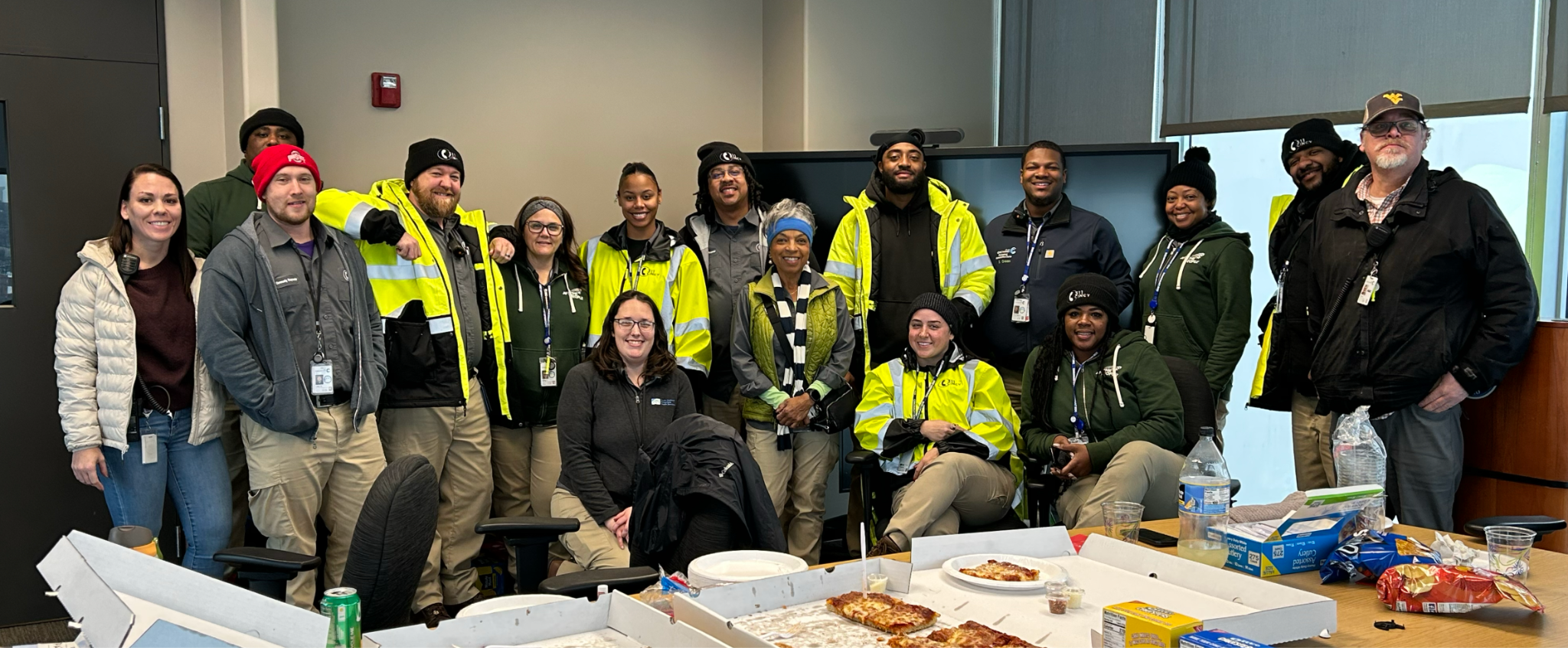
Cincinnati launched its Community Responder program in 2025 as an expansion of the model used to create the city’s Alternative Response to Crisis team, which responds to mental health and behavioral health calls for service that don’t require a law enforcement response. Community Responders handle “non-emergency, non-crisis issues” such as disabled vehicles, minor non-injury crashes, traffic hazards, and even malfunctioning signals, helping “[free] up police to handle urgent law enforcement matters.” They also perform many of the community-facing functions associated with safety and transit ambassadors: maintaining a visible presence in neighborhoods and Metro Transit Centers, assisting riders with fares and route navigation, building relationships with students, connecting people experiencing homelessness to services and reporting concerns through 311 before they become larger problems. The city describes the team as “an ambassador to the community on behalf of all City of Cincinnati agencies.”
Safer Cities recently spoke with Sophie Wong, Interim Deputy Director of the Cincinnati Emergency Communications Center, which oversees the Community Responder team, about how they handle their calls, support the city in public spaces, and address public safety concerns before they escalate.
- On Helping Residents Navigate City Services And Addressing Problems Before They Grow: “Community Responders serve as a visible, proactive presence throughout Cincinnati neighborhoods and public spaces, including Metro Transit Centers. They help residents navigate City services and help connect them to appropriate resources or programs … Community Responders also support the City’s proactive approach to customer service. By identifying concerns and reporting issues through 311 before they become larger problems, they help improve quality of life for residents and visitors.
In addition, Community Responders and ARC field staff regularly engage with individuals experiencing homelessness, connecting them with support services, outreach organizations, and other resources that can help meet their needs. … Community Responders help citizens navigate the transit network and often help resolve issues with fare payments or route navigation. CRs relay information on Transit Center conditions, and interactions between riders and Metro staff to bus operators and Metro Supervisors.”
- On Building Trust With Students And Public Transit Riders: “Community Responders are present during the busiest periods at transit centers, when students, commuters, residents, and visitors all converge in a shared space. Their effectiveness comes from building relationships and establishing trust with the people they see every day … At Metro Transit Centers, Responders have built strong relationships with Cincinnati Public Schools students who rely on Metro to get to and from school.
They encourage safe and respectful behavior, and help create a welcoming environment during some of the busiest times of the day… They understand the importance of being a consistent, trusted presence for residents and especially young people who may be looking for guidance, support, or simply a positive connection during their daily routine… These positive interactions help create a sense of trust and community while encouraging students and riders to make good choices and stay engaged.”
- On De-Escalating Conflicts: “When conflicts or misunderstandings arise, Responders can step in to help de-escalate situations, mediate disagreements, and resolve certain issues. They are trained to contact partners in emergency response when they identify someone in need of additional support or when a situation may become dangerous. … Responders must also be adaptable, observant, and quick-thinking. They routinely work alongside public safety partners and need to assess situations, provide accurate information, and connect people with the appropriate resources … Whether helping students stay focused on getting to school and home safely, connecting someone with community services, or assisting a visitor with directions, Community Responders combine compassion, professionalism, and strong interpersonal skills to serve as effective ambassadors for the City of Cincinnati.”
3. Cities Turning To Crisis Stabilization Centers For Mental Health Treatment, Instead Of “Jail And Long Waits In A Hospital Emergency Room.”
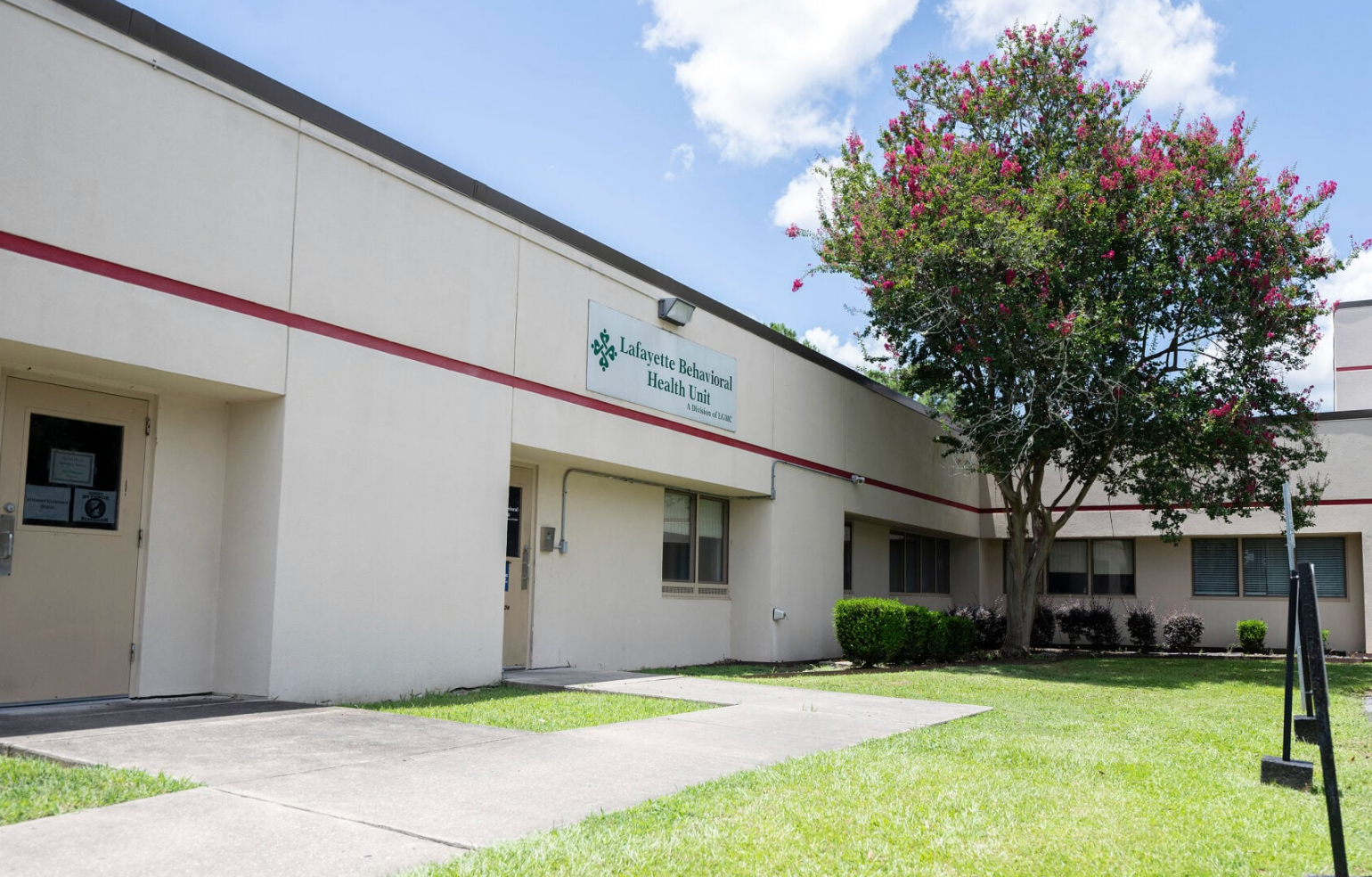
- Lafayette, Louisiana, Is Building A 24/7 Crisis Center To Give People In Mental Health Crisis An Alternative To “Emergency Rooms And Jails.” For The Current, Camden Doherty and Alena Maschke report that the new crisis stabilization center will “divert [patients experiencing a mental health crisis] from emergency rooms and jails to treatment by specialized mental health providers.” The Advocate reports that the former 24-bed psychiatric facility could include 12 stabilization rooms, 12 beds and group therapy space, providing “the right clinicians and medical personnel” to stabilize and de-escalate patients before further xtreatment. Lafayette has committed nearly $2 million in opioid settlement funds to support the facility.
- Orange County, North Carolina, Approves A 24/7 Crisis Stabilization Center For Treatment Instead Of “Jail And Long Waits In A Hospital Emergency Room.” For The News & Observer, Tammy Grubb reports that the new $29.4 million facility will include a 12-bay behavioral health urgent care unit, a 16-bed crisis unit and a peer living room and resource center, serving up to 365 people each month. Chapel Hill Police Chief Celisa Lehew said, “Every call doesn’t require a law enforcement solution,” noting that after officers stabilize an immediate crisis, “we find ourselves asking the same question—now what?” Now, law enforcement and other first responders have a facility to take people in crisis. Crisis Division Manager Sarah Belcher said the center will provide ongoing treatment and follow-up care, ensuring that people receive “the right care at the right time in the right place.”

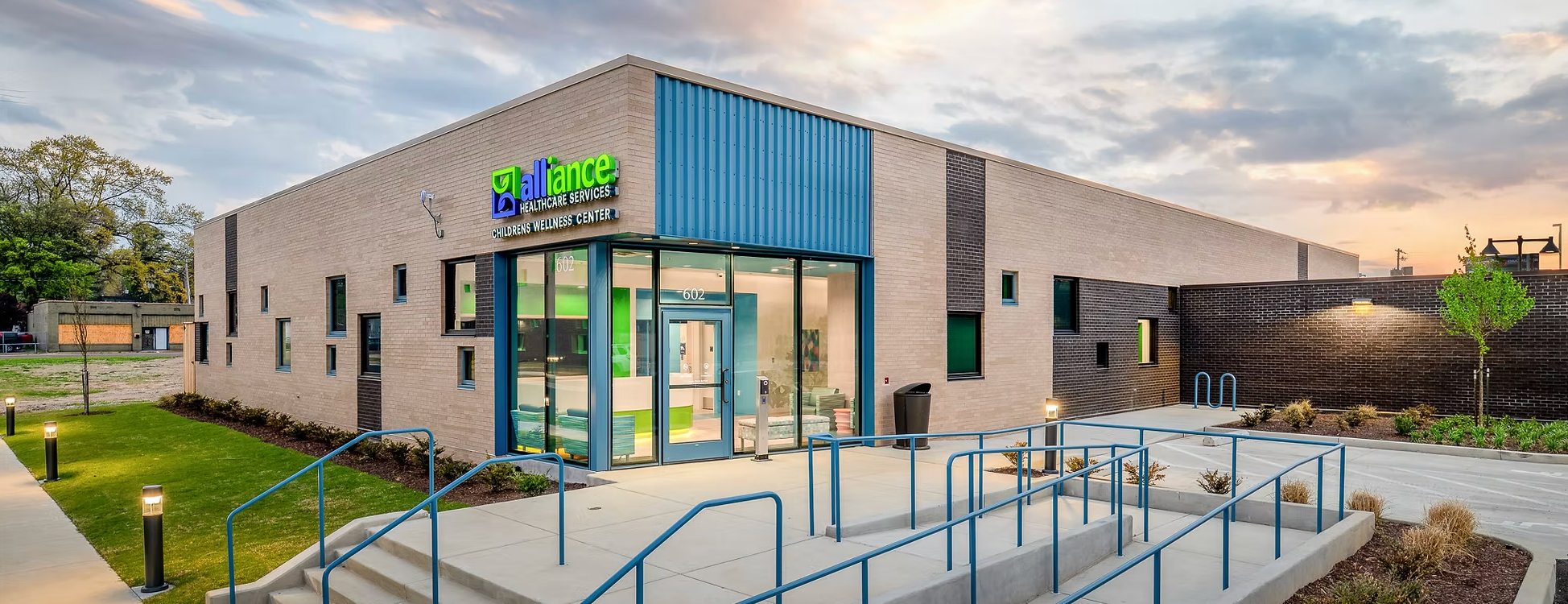
- Memphis, Tennessee, Opens West Tennessee’s First 24/7 Walk-In Youth Crisis Center. For FOX13, Mandy Hrach reports that the Children & Youth Wellness Center will provide around-the-clock care for children ages 4 to 17 experiencing “a mental health crisis or a substance abuse issue,” after many families previously had “few options outside of emergency rooms” and youth detention facilities. Designed to feel “safe and welcoming instead of intimidating,” the center offers crisis assessments, individual and family therapy, trauma support and connections to community resources. Children’s Medical Director Dr. Mallory Mitchell said, “Early intervention can really change the trajectory of a child’s life,” and no child will be turned away because of insurance status or a family’s ability to pay.