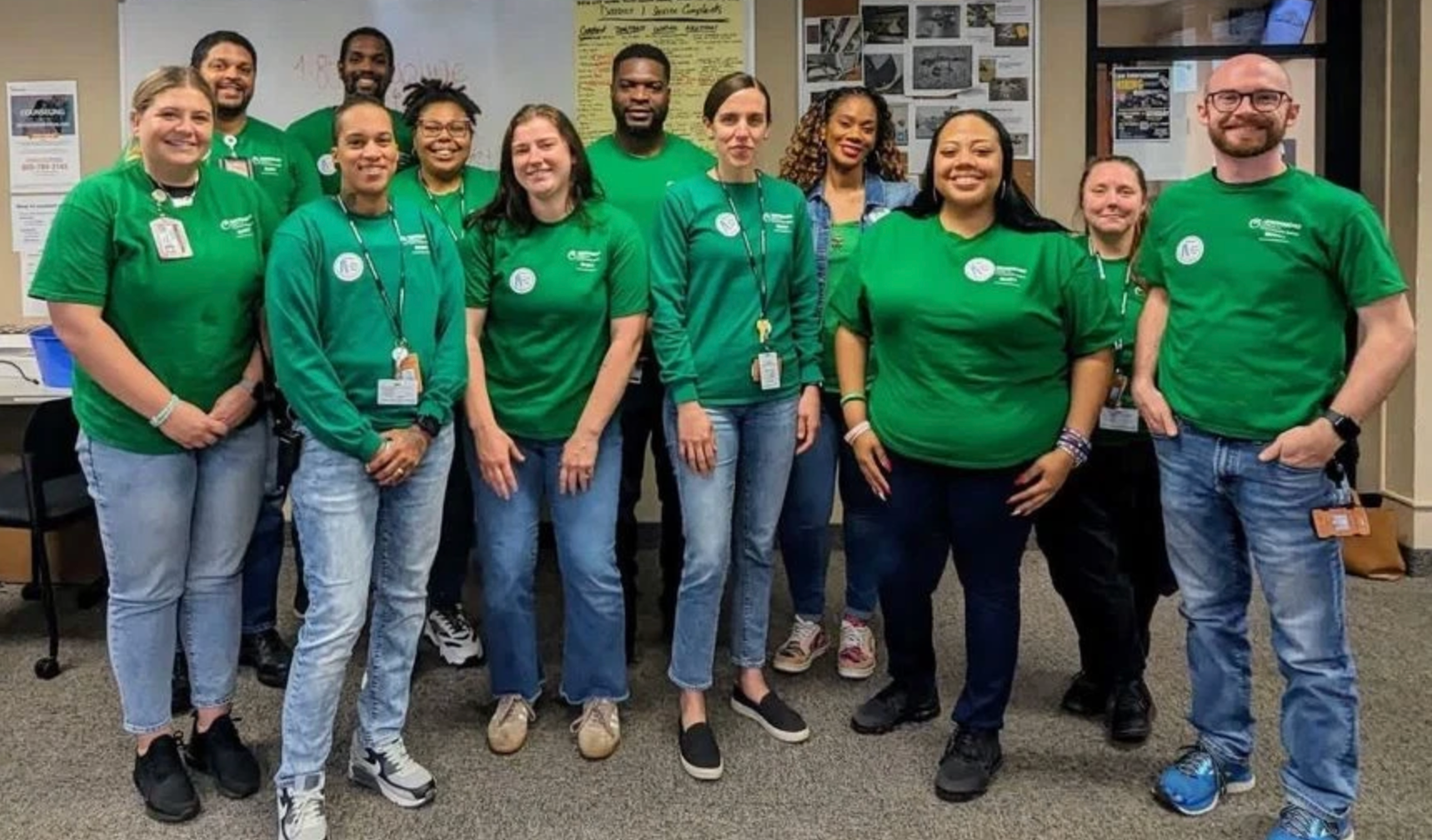
Researchers from the University of Louisville published a new study in Psychological Services examining the first 12 months of Louisville, Kentucky’s Crisis Call Diversion Program, which routes qualifying behavioral health crisis calls from 911 to crisis clinicians and mobile response teams, instead of law enforcement. Using qualitative interviews and focus groups with 52 participants—including 911 call-takers, police officers, and alternative responders—the researchers examined what helps mental health crisis response systems function effectively in practice.
Their central finding was simple: crisis response systems work best when first responders from all of the public safety branches understand one another’s roles and build trust through experience. As one responder put it, “we just need to get used to each other and learn each other’s process a little bit better.” The researchers found that cross-training, shadowing, and opportunities to work together helped responders gain confidence in the system and one another.
The study highlights three practical lessons for communities building alternative crisis response systems:
- Trust In Mobile Crisis Responders Grew Through Exposure To Them And Their Approach To Crisis Response. The researchers found that officers became more confident in mobile crisis response teams as they gained firsthand experience working with them. While many officers felt prepared through Crisis Intervention Team training, they also recognized the limits of a law enforcement response. As one officer explained, “most [behavioral health crisis] runs are not officer issues … it’s not a crime to be mentally ill.” Another noted that “[officers] are not mental health professionals. We can get through it to a certain point, but it’s not what we were officially training to do.” As officers learned more about the role of clinicians, trust increased. One officer concluded that mobile crisis responders “are very good at talking to people because that is why they do it … I would take them over me any day of the week [in a mental health response]…”
- Mobile Crisis Responders Understanding Law Enforcement—And Vice Versa—Helped Build A More Seamless Response System. The study found that role confusion was one of the biggest barriers to implementation. Officers said they were often unsure why some calls were routed to mobile crisis teams while others were not, while alternative responders wanted a better understanding of how police operate in the field. As one responder explained, “I really would like to shadow police officers,” while another said, “it’s not just about them kind of rising to our level, it’s about having a clear understanding of what it’s like to work with that other person.” Researchers found that responders consistently called for more cross-training, shadowing, and opportunities to learn each other’s roles.
- Seeing Alternative Responders In Action Built Confidence In The Model. Across responder groups, participants said their understanding of alternative response deepened through direct experience rather than formal training alone. One call-taker recalled being “terrified when [mobile crisis response] first came out… I did not listen to anybody out there that was not wearing a gun,” but changed her view after meeting crisis responders and seeing them work in the field: “Once I met … the people out on the street [on the mobile crisis team] … and I realized that they can take care of themselves, and how they work with people and how calming they are with people… they’re knowledgeable… I felt much better about it.”
Momentum For Mobile Crisis Response Teams Around The Country:
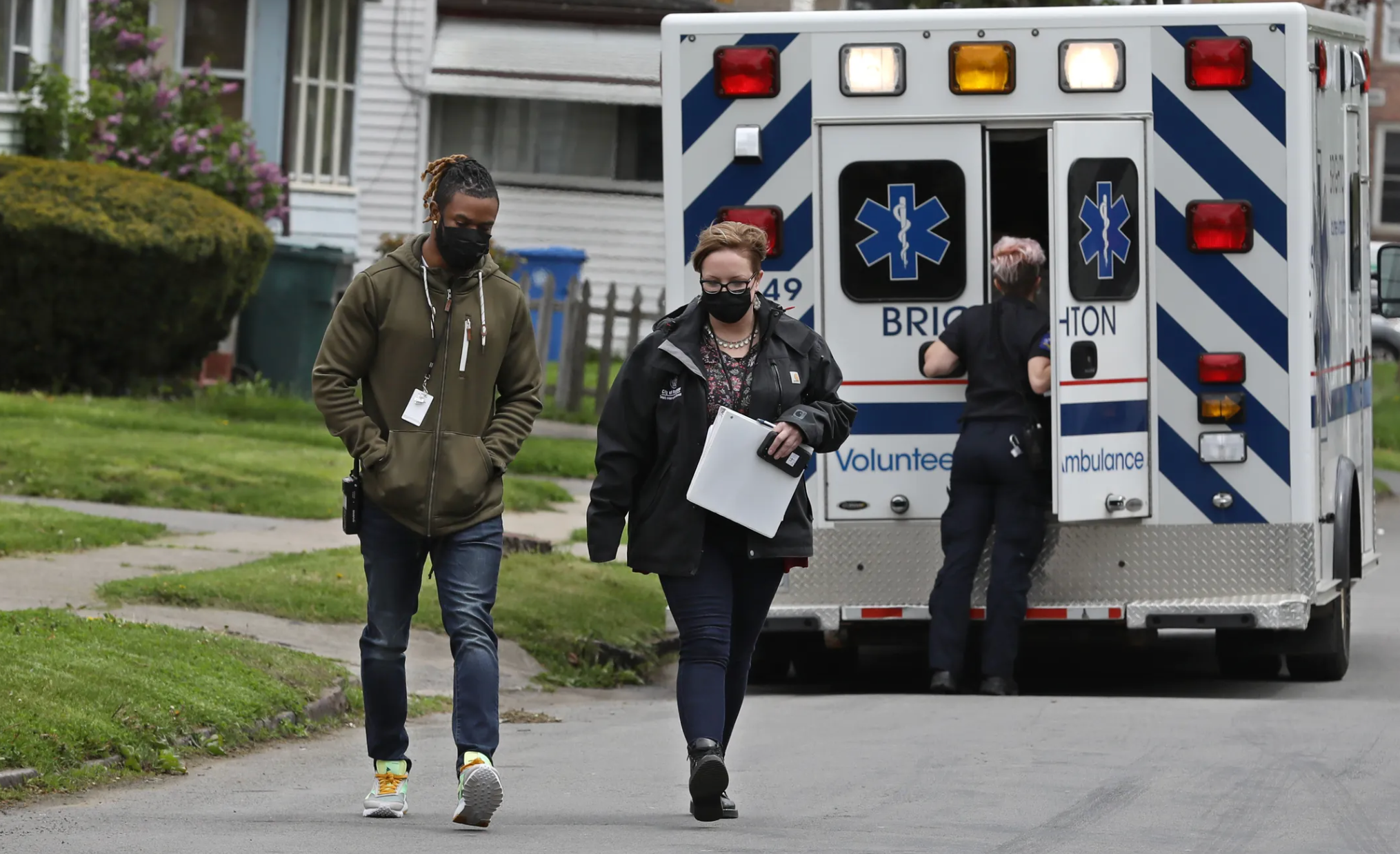
- Rochester, New York, Expands Its Mobile “Person In Crisis” Team, After It Has “Lowered Number Of Arrests [And] … Emergency Room Visits.” For WXXI News, Gino Fanelli reports on the city’s expansion of its lauded Person In Crisis team with seven new peer navigators, using a $2 million state investment after the team has successfully “lower[ed] the number of arrests for those having a crisis, as well as lower[ed] hospitalizations or emergency room visits.” The new positions will be filled by peer navigators, people with lived experience who can help connect with individuals experiencing mental health and substance use crises. As PIC manager Alia Henton-Williams explained, peer navigators bring “something different and special to [the team], because they can directly relate to a lot of what we see community members are dealing with.” Since launching in 2021, the team has responded to more than 30,000 calls with “the vast majority [] originated from 911 calls.”
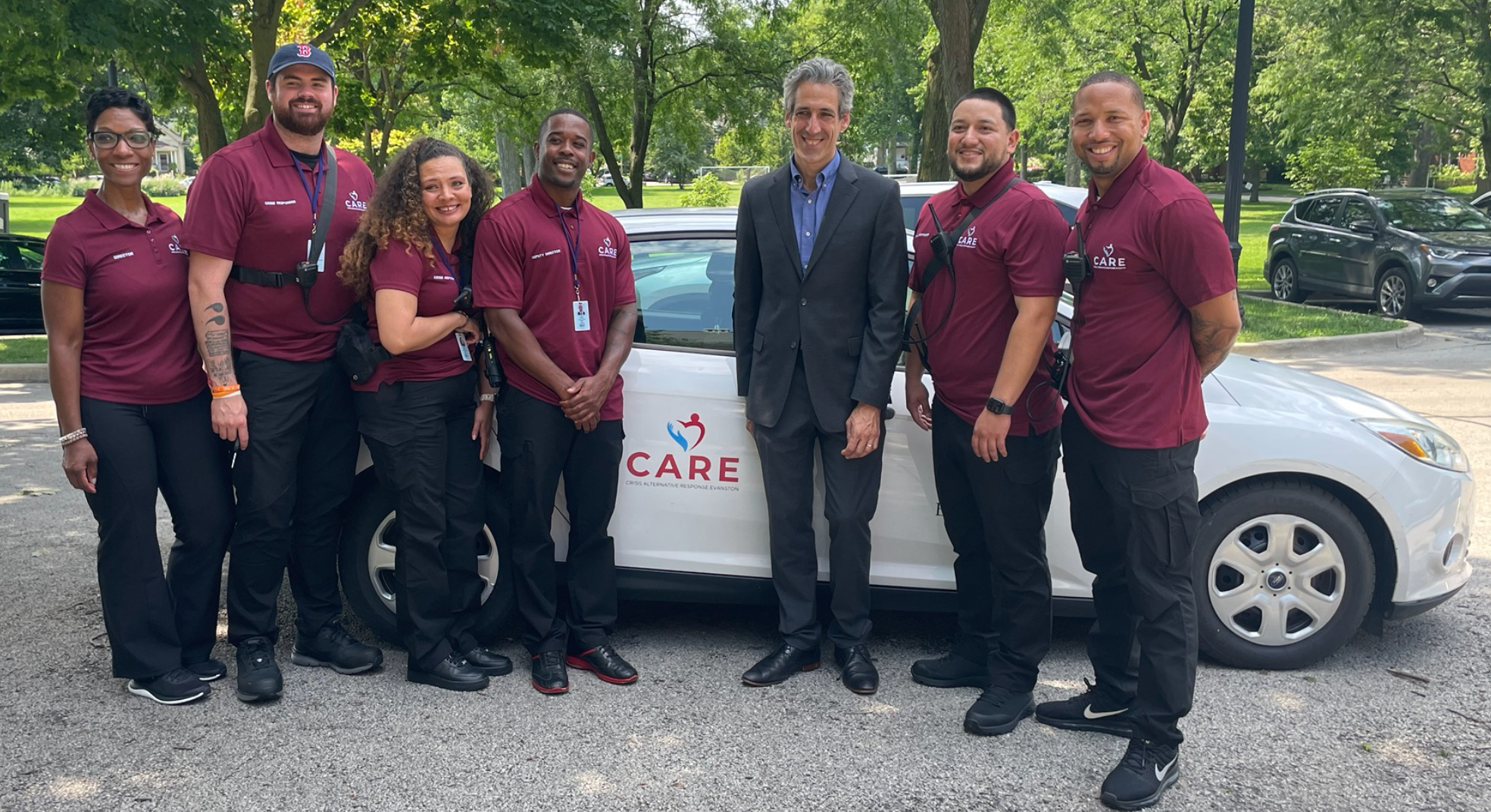
- Evanston, Illinois, Expands Its CARE Team After Becoming One Of The Nation’s Busiest Alternative Response Programs. For CBS Chicago, Megan De Mar reports that Evanston’s four-person Crisis Alternative Response Evanston, or CARE, team has responded to more than 3,500 calls and now ranks seventh nationally in call volume per resident among nearly 100 community responder programs. The mobile crisis team “responds to calls that [] would have been lumped into police calls,” but now go to mental health experts, Jeron Dorsey, the city’s deputy director explained: “Our trained civilians go out and fill in the gap to reduce that burden [on law enforcement], which is, which is really amazing.” Following the program’s early success, the city approved a budget increase of more than 50% to add staff, vehicles, and expanded operating hours.
- Greensboro, North Carolina, Expands Clinician-Led Response Program After A Pilot “Saved More Than 60 Patrol Responses.” For The Rhino Times, Scott D. Yost reports that Greensboro has expanded its Clinician Alternative Response program, which sends two behavioral health clinicians—rather than police officers—to certain low-risk 911 calls involving mental illness, substance use, homelessness, and other crises. The city describes the initiative as part of its effort to provide “the right responders at the right time in the right situations” while reducing “unnecessary interaction with the criminal justice system.” The expansion arrives as the city found that in a three-month period, mobile crisis clinicians responded to dozens of calls that “saved more than 60 patrol responses,” allowing police officers “to remain available for criminal investigations and emergencies.”