1. Inside Alabama’s Highest-Volume Crisis Stabilization Center—How Birmingham’s Craig Center Is Keeping People Out Of ERs And Jails, And Improving Outcomes Through Behavioral Health Treatment.
In 2023, Birmingham’s Craig Crisis Care Center first opened its doors to create a new destination for people experiencing a mental health or substance-use crisis beyond “the emergency room… or jail,” offering “immediate care” and rapid stabilization services.
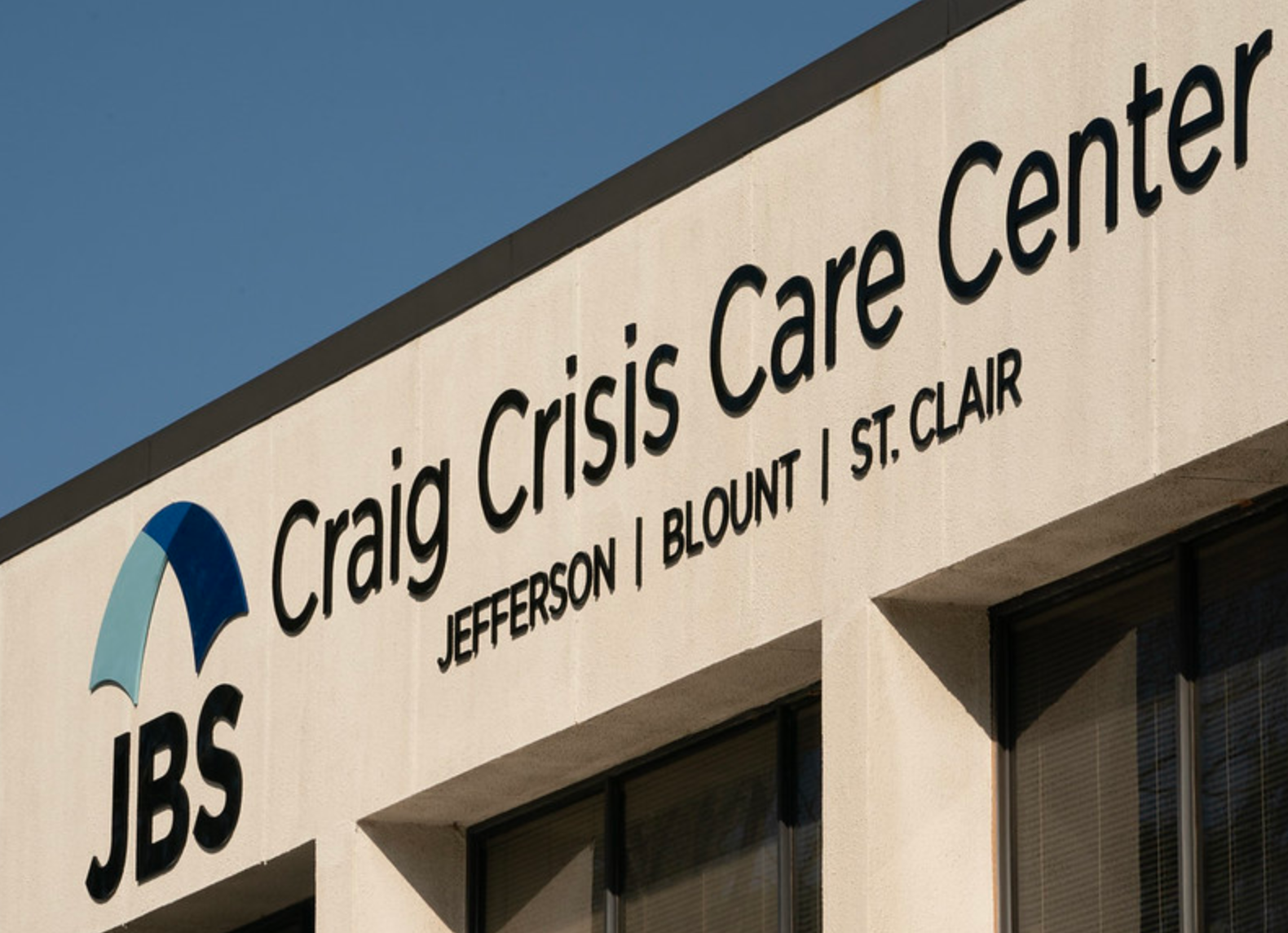
The state-funded facility opened with beds for people needing temporary observation or extended-care, with leaders describing it as a long-envisioned effort to quickly stabilize people in crisis and connect them to community services, “relieving a lot of pressure from law enforcement and hospitals” by giving people “the place that they need to be.” Now, more than three years later, the facility has become “the highest volume crisis care center in the state of Alabama,” and provides treatment to thousands of people, annually.
Safer Cities recently spoke with Jim Crego, Executive Director of the Jefferson Blount St. Clair Mental Health Authority, which oversees the Craig Center, about lessons from operating one of the state’s busiest behavioral-health hubs:
- Building An Off-Ramp From Emergency Departments: “The pilot project was designed to directly identify individuals currently presenting to the ED who require psychiatric care or substance use treatment and who may otherwise experience prolonged wait times… The initiative prioritizes rapid identification and timely connection to the most appropriate level of care… Overall, this initiative represents a significant system-level improvement by reducing ED boarding, improving access to crisis services, and strengthening coordination between hospitals and the crisis continuum of care.”
- Treatment, Instead Of Jail: “The CCCC has actively engaged with Birmingham PD Community Service Officers to identify opportunities for collaboration that prioritize diversion to appropriate psychiatric or substance use treatment rather than arrest or emergency department utilization… [staff] have participated in roll-call briefings… and are working to establish an ongoing presence at its Police Academy… to provide clear guidance on referral processes that support evaluation and treatment at the crisis center as an alternative to incarceration or hospitalization when clinically appropriate.”
- Preventing Repeat Crises Through Follow-Up: “All recipients meet with a Provider, Clinician, Peer and Case Manager prior to discharge… Case Managers and Peer Support Specialists collaborate with recipients and community stakeholders to identify appropriate placements aimed at reducing the risk of future crises, relapses, or readmission due to instability… These coordinated efforts also address contributing factors such as chronic homelessness, unemployment, medication non-compliance, and lack of stable housing… [with] follow-up… for up to 45 days… recidivism rates [were] only 2.29% in 2025 and just over 3% in 2026.”
- Growing Demand: “We continue to provide short-term, walk-in psychiatric/substance use-related crisis assessment, evaluation, and brief intervention services… available regardless of ability to pay… We have a prescriber on site able to admit individuals in crisis 24/7/365 … The Craig Crisis Care Center is the highest volume crisis care center in the state of Alabama… In the calendar year 2025 we performed 3,005 evaluations and had 2,513 admissions… In the first 4 months of calendar year 2026, we have [already] completed 1,152 evaluations and had 989 admissions.”
2. Study: How To Build A Successful Mobile Crisis Team—Lessons From The Front Lines. In a recent study published in Health Affairs Scholar, researchers from the University of California-San Francisco and University of California-Berkeley examined the early development of a county-led mobile crisis program in Northern California. Researchers conducted a series of interviews with healthcare leaders, local governments, police departments, fire departments, community organizations, and frontline staff to better understand what actually determines whether mobile crisis programs succeed once cities move from concept to implementation. What they found offers a practical blueprint for city and county leaders looking to build crisis systems that can work alongside existing emergency infrastructure while getting people in crisis to the right care faster. The full study is worth your time, but here are some of the topline findings:
- Build Broad Cross-Agency Coalitions Early: Stakeholders said “broad outreach in the beginning and broad input was really critical” so “key constituencies were aligned”… while researchers found that a “collaborative design process involving cross-sector stakeholders enabled broad buy-in and tailoring to community needs.” Cities that brought together community groups, healthcare leaders, and public safety partners built stronger systems from the start.
- Partnerships With Police Work Best When Roles Are Clear: Researchers found that coordination “benefits from strong foundational relationships and can be improved through clear role definition and protocols.” Officers themselves reported: “people are happy to have mobile crisis response respond to a person who’s in crisis, where they don’t need the police. That makes total sense.”
- Building A Successful Crisis Workforce Meant Building A Workplace People Want To Join: Researchers found staffing shortages “can be overcome through creating desirable workplace culture.” Leaders expanded staffing through “flexible hiring and staffing measures”… while frontline staff credited “management right now that really wants us to have our own self-care and a work life balance” and leaders “who really wants us to have our own cups… full.”
Momentum For Mobile Crisis Response Teams Across The Country:
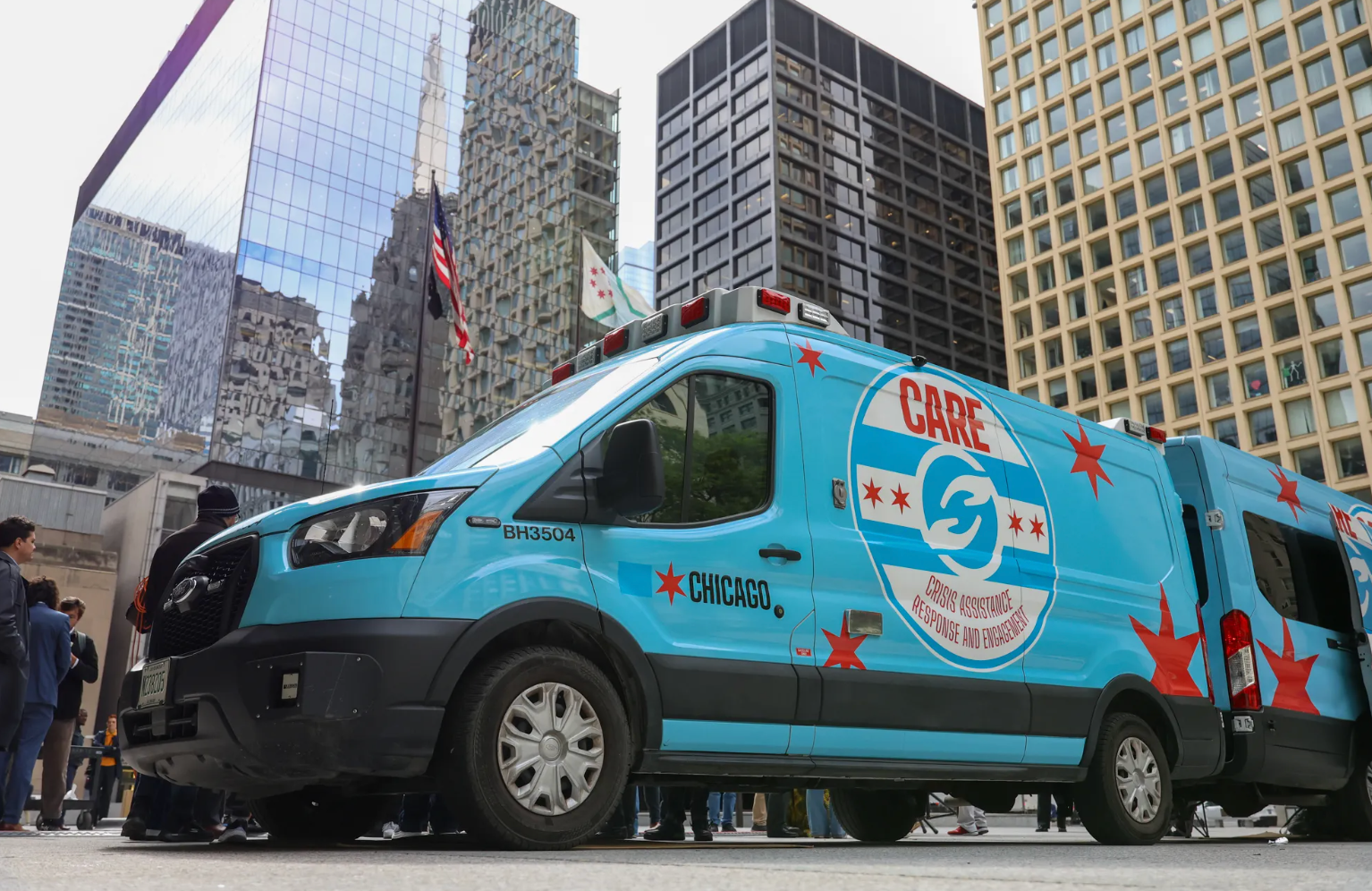
- In Chicago, “Mental Health Emergency Response Program Expands Citywide.” For Block Club Chicago, Quinn Myers reports that Chicago’s CARE program—which dispatches mental health professionals instead of police to certain behavioral-health calls—is expanding from six districts to all 22 police districts citywide, marking a major scale-up of the city’s non-police crisis response infrastructure. CARE teams provide “on-site mental health assessments and basic medical care” and connect people to longer-term supports, while responses are limited to “non-violent, non-medical situations where there is no active threat.” Mayor Brandon Johnson explained to the news site that the expansion means “no matter what neighborhood you live in or what you’re going through, our CARE teams can respond… and connect you to a range of support throughout the city.”
- In Indianapolis, Indiana, Mobile Crisis Teams Expand Countywide To Provide “24/7 Access.” For WISH-TV, Gregg Montgomery reports that Indianapolis leaders expanded their Clinician-Led Community Response program to all of Marion County, providing residents with “24/7 access to a mobile team of clinicians and peer specialists trained to deescalate high-risk mental health crises.” Launched in 2023, the program has already responded to more than 2,000 calls, helping connect people in crisis with mental health and behavioral healthcare. City leaders explained that the expansion is part of their broader effort to get people experiencing mental health crises “out of the justice system and into [treatment].”
- In Washtenaw County, Michigan, Mental Health Crisis Team Expands, After Producing “Big Results” In “Reducing Arrests And Hospitalizations.” For Concentrate Magazine, Jaishree Drepaul reports that Washtenaw County’s expanded Mobile Crisis Team is helping serve more people in crisis while reducing reliance on hospitals and arrests. Officials say the county’s Mobile Crisis Team now handles roughly 8,000 monthly calls, and about 30% of calls that continue to go to the Sheriff’s Office are now being connected to behavioral-health teams. Melisa Tasker, who helps oversee the mobile crisis team, explained that this expansion is part of a statewide effort to increase access to mobile crisis response teams: “The state of Michigan has mandated that every [Community Mental Health Facility] have some level of crisis response, some kind of mobile crisis team… it’s really an acknowledgment that crisis response is an evidence-based practice that communities want and need.”
3. Cities Turning To Sobering Centers To Provide Substance Use Treatment And Mental Health Care, With Goal Of “Keeping People Out Of The Criminal Justice System.”
- In Washington State, A First-Of-Its-Kind Sobering Center Will Create A New “Healing Campus” For Substance Use Recovery. For Cascadia Daily News, Owen Racer reports that the Lummi Nation is opening the state’s first tribally owned and operated withdrawal management center on tribal land, a 16-bed sobering center that will accept voluntary and involuntary admissions “24 hours a day, seven days a week” and provide medication-assisted treatment. State and local leaders described the project as a response that was decades in the making and part of a broader “healing campus” designed to create pathways into treatment, housing, and long-term support. Medical Director Dr. Teresa Jackson explained that services are “geared toward patients with acute withdrawal conditions who are at the beginning of their sobriety journey… ‘if a patient presents and is unhoused and says, ‘I need a place to live… they have a place to go… if that patient then says, ‘I need medical care,’ there’s a clinic… if someone is too sick to start as an outpatient, they can do inpatient treatment.”

- In Tucson, Arizona, New Sobering Center Aims To “Connect [People] To Treatment… [And] Keep People Out Of The Criminal Justice System.” For KVOA, Monica Garcia reports that Pima County has invested nearly $2 million into a new sobering center designed to “keep people out of the criminal justice system and connect them to treatment.” The center is unique in that it has the capacity to allow patients to receive care beyond the first 24 hours, and instead stay for up to four days, keep their belongings, and “even bring their pets.” Just three months into the pilot, the center had already served more than 130 people, with “nearly all” leaving with referrals for continued care.
- In Bucks County, Pennsylvania, “First-Of-Its-Kind” Sobering Center Opens Its Doors For 24/7 Treatment. For Bucks County Courier Times, Lacey Latch reports on the new Bright Path Center which will provide a new 24/7 destination for people experiencing mental health and substance-use crises—a 22,000-square-foot facility that includes on-site sobering and detox services and residential units designed as an “alternative to hospitalization or unnecessary incarceration,” with a dedicated law-enforcement drop-off space allowing officers to connect people to care “instead of incarcerating them.” County leaders said they expect the facility to serve around 7,000 people annually and that its opening advances the county’s modernization of their public safety infrastructure by ensuring residents have “someone to call” through 988, “someone who can come out” through mobile crisis teams, and now “somewhere to go.”