Last week, Safer Cities introduced our coverage map, which curates many of the innovative programs that we’ve covered from crisis stabilization to mobile crisis response teams, from Narcan access to trauma recovery centers. This week, we’re introducing short explainers on four key issues that we’ve covered:
- Narcan Access: Against the backdrop of overdose deaths hitting a record high in the United States last year, there is an emerging bipartisan consensus among elected officials that cities need to get Narcan—a nasal spray proven to reverse opioid overdoses—into the hands of as many people as can responsibly administer it.
- Overdose Response Teams: As overdose deaths reached record highs in America last year, cities are turning to Overdose Response Teams to combat the overdose epidemic.
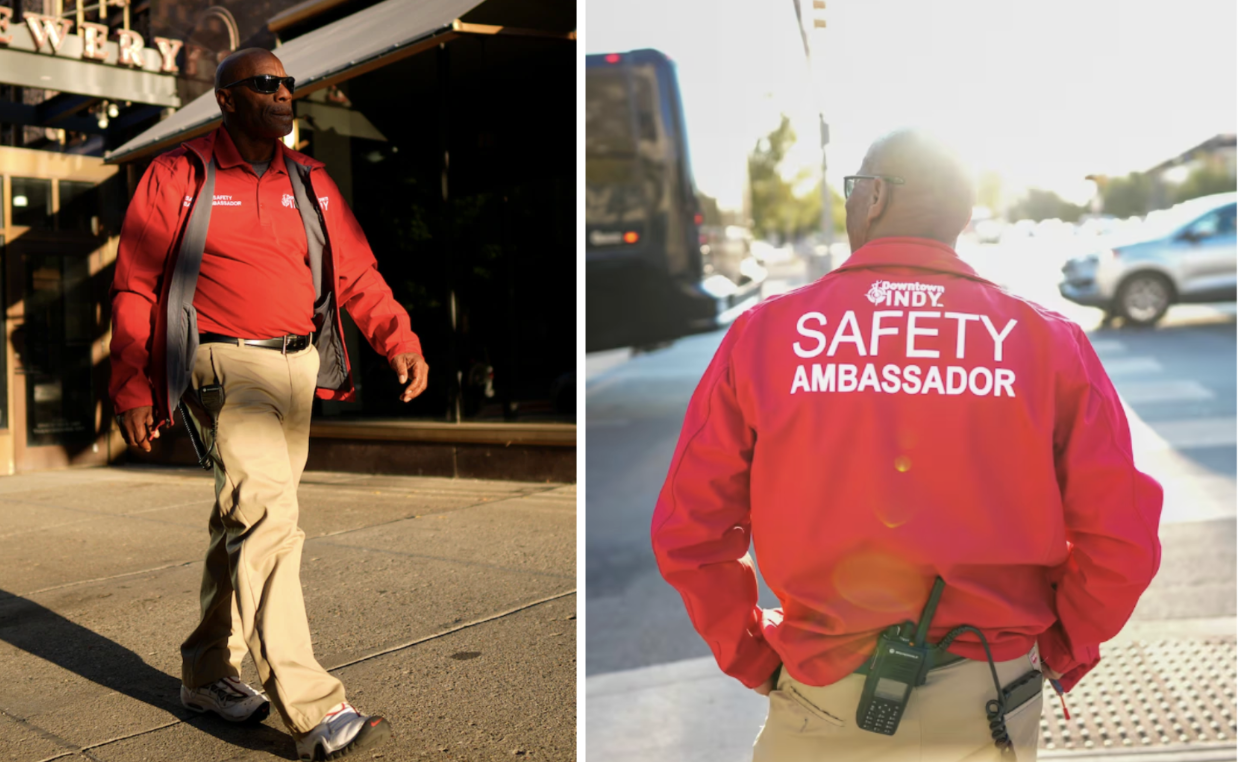
- Security Ambassadors: Security Ambassadors are a “highly visible uniformed presence at the street level” deployed along major streets, downtown areas, or residential neighborhoods. By serving as “eyes on the street,” security ambassadors deter crime while also making residents safer.
- Hospital-Based Violence Intervention: Hospital-Based Violence Intervention programs combine the medical expertise of the hospital staff with trained community experts who work together with victims of violent crime while they are recovering to reduce the odds that a victim of a violent crime will commit, or suffer from, violent crime in the future.
The goal of these explainers is to provide a short and accessible overview for each topic and to provide examples of where these programs exist and are working. We’ll build on this initial set of