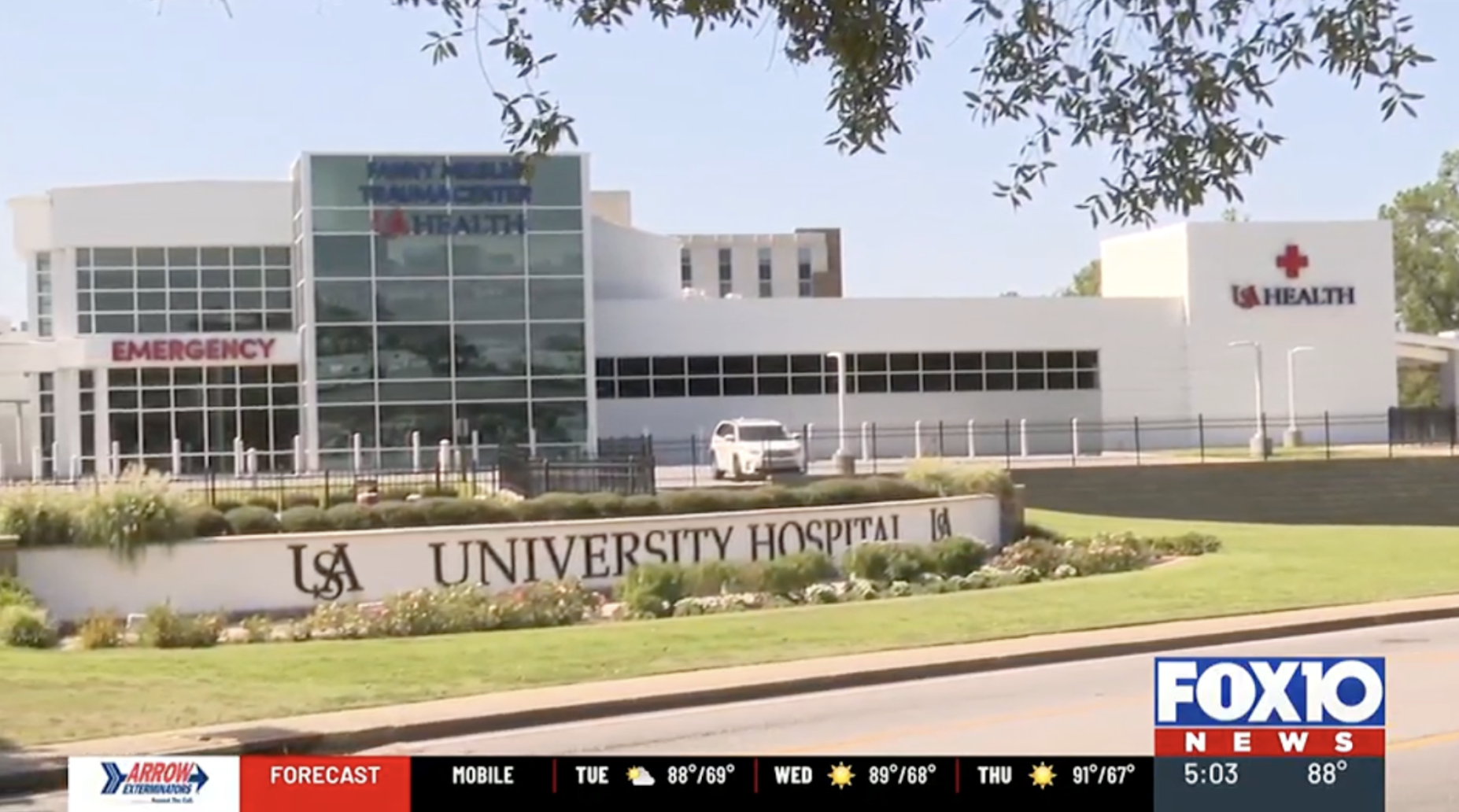
- Mobile, Alabama Intervention Program “To Help Break The Cycle Of Violent Crime While Helping Victims Heal.” For Fox10, Daeshen Smith reports on Mobile’s new hospital-based violence intervention program, called HALO—”a collaboration between the city, University Hospital and the Mobile County Health Department.” As physicians are providing the medical care the patient needs, the program also deploys a “violence intervention specialist … [to] gunshot victims right there in the hospital… to learn more about the situation [and] prevent things from escalating… [to] make sure they don’t become either another victim or a perpetrator of this type of violence.” Ashley Williams, who oversees the team in the hospital, explained to the news channel. As the patient recovers, the intervention specialists “identify any other needs the victims have including financial needs and help with transportation to and from follow up appointments… ‘there’s the emotional component from sometimes dealing with PTSD, and depression so it’s extremely important this isn’t a one-time what can we do to help you. This is a journey.’”
- In Atlanta, “Less Than 3% Of [Hospital Intervention] Participants Have Come Back Into The Hospital With A Violent Injury.” For 11Alive News, Aisha Howard, Akilah Winters, Gabriella Nunez, and Darrell Pryor report on Atlanta’s hospital-based violence intervention program, called IVVY, now two years old, where “doctors do more than treat trauma victims; they are on an [a] mission to prevent violence before it begins… addressing crime as a public health crisis.”
Dr. Randi Smith, a trauma surgeon at Grady’s Marcus Trauma Center who helps to oversee the hospital-based violence intervention program in the city, explained that the program “provides critical support for gun violence victims ages 14 to 34… by employing a bedside-clinic-community model… ‘In lots of places, people are just patched up and sent right back out into the neighborhoods and circumstances that led to the injuries in the first place… we are understanding the root causes … [and are] focused on addressing those social drivers of health that impact how patients do when they leave the hospital.” In the last two years, IVYY physicians have “worked with more than 650 participants and their families, providing food, housing assistance, and mental health support.” Dr. Smith added that the program is already showing promising results with “less than 3% of participants have come back into the hospital with a violent injury this year.” - In Austin, New Hospital Program Helping “Prevent [Gun Violence] Victims From Being Reinjured Or Committing A Violence Themselves.” For The Austin American-Statesman, Nicole Villalpando reports on Travis County’s hospital-based violence intervention program that launched just last year and has already “served more than 350 people.” When a patient arrives in the emergency room “who has come in with evidence of violence — either a gun shot, a stab wound or signs of abuse,” a clinician with the violence intervention program “gets notified by nurses or doctors” to connect them to “wraparound services, mentorship, job training, trauma recovery services [,] housing, food security, employment and community support” that help provide “a path toward a different life… preventing the victim from being reinjured or committing a violence-based crime themselves.”