- In Tennessee, “Hamilton County’s Overdose Response Team Hits The Streets To Save Lives.” For News9, Katie Glanton reports on the county’s new “Overdose Prevention Team,” a first-of-its-kind in the state, which is deployed to overdose-related calls for service to help people “struggling with opioid addiction get immediate, on-the-ground treatment and recovery support.” The team, composed of “a paramedic and a certified peer support specialist,” respond to calls across the county in “Quick Response Vehicles, they deploy directly into neighborhoods” with “medication and assisted treatment to any willing participant at no cost, with personalized connections to local resources for recovery” after the initial overdose crisis has been resolved.
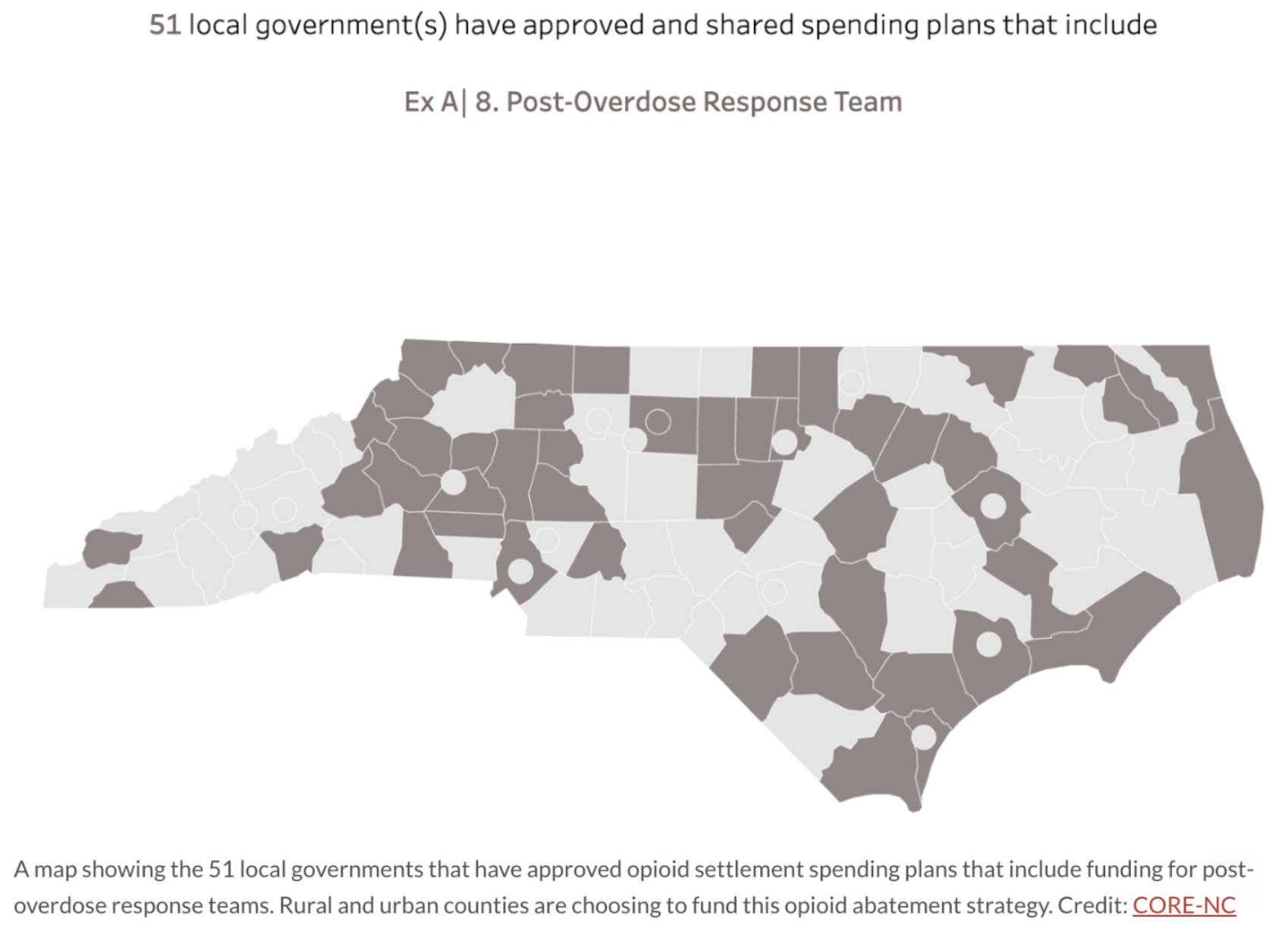
- In North Carolina, “Counties Across [The State] Are Deploying Post-Overdose Response Teams.” For North Carolina Health News, Rachel Crumpler reports on a new effort gaining steam in more than 50 counties across the state—when an overdose call comes in, 911 dispatchers are deploying post-overdose response teams, who “provide dedicated follow-up support to people with substance use challenges — sometimes in their homes, sometimes at the doctor’s office or even at a gas station” and provides them with the resources they need, connection to “detox programs, recovery meetings, medications for opioid use disorder and more — all tailored to each person’s needs.”
In one county, Carteret, which has had a post-overdose response team in operation for nearly three years, the results are clear: “Since the team began operating, overdose metrics in the county have improved a lot… a 77 percent decrease in overdose deaths and about a 90 percent decrease in overdose 911 calls from 2022 to 2024… [and] more than half of the individuals the team has worked with have entered some form of treatment.” It’s “a major shift from the county’s previous approach” to overdoses which saw police, EMS, or other first responders deployed and transport the patient to a hospital. But “many people who survive overdose… who go to the emergency room may not get their withdrawal symptoms treated or receive medications for opioid use disorder. Without further support, repeat overdoses — and even deaths — are common.”
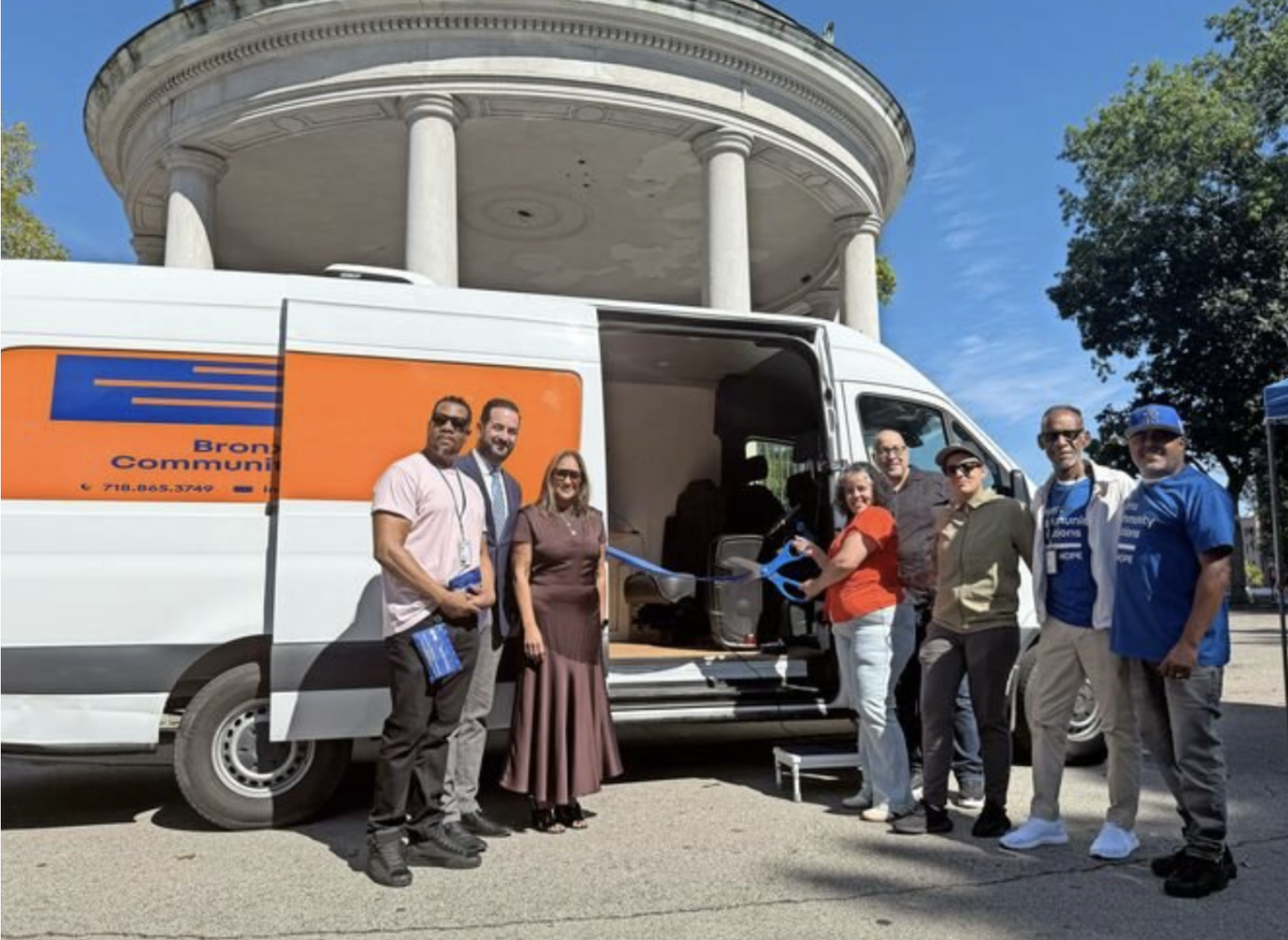
- In The Bronx, “Mobile Overdose Response Van Launches.” For The Riverdale Press, Olivia Young reports on the borough’s new Mobile Overdose Response van—“a resource designed to target areas of high drug use, or hotspots”—on patrol with trained staff who connect people experiencing an overdose with Narcan and connection to “rehabilitation and other services in place of jail time.” The van provides “a private space where staff can ask a client intimate questions… while offering clothes, food and other necessities” to patients who need additional care and services. With the van on patrol, or stationed outside various NYPD precincts, the van has allowed for “response [that] can now be immediate.”
Arlene Machado, a case manager with the overdose response program, explained to the newspaper that “Instead of having the NYPD wait for us to get there [following an overdose call for service], we’re right outside… [and] get this person service right now. This person needs to go to the emergency room … or this person is in active withdrawal — we can help.”