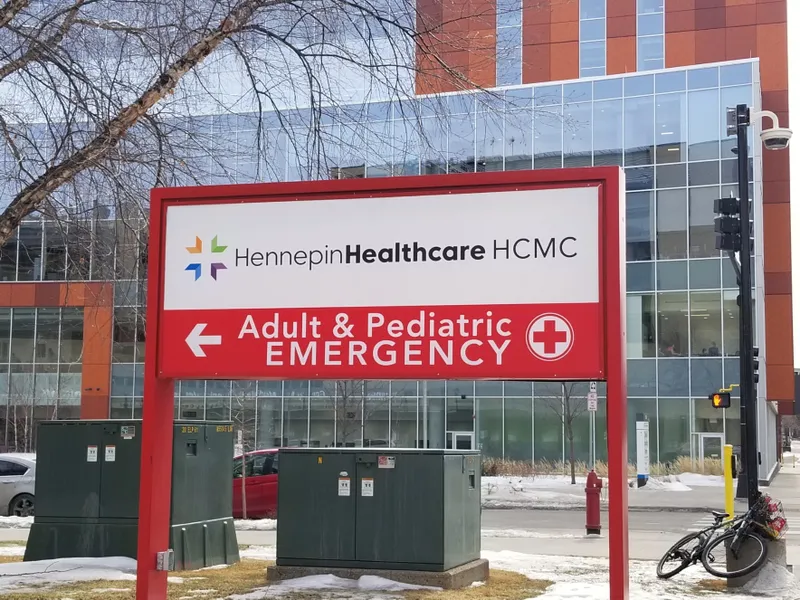
- In Hennepin County, Minnesota, Next Step Is “Reducing Re-Injury And Re-Hospitalization” From Gun Violence. For WCCO, Susie Jones reports on Next Step, a hospital-based violence intervention program that combines efforts from healthcare professionals, who provide medical and trauma services while the person is hospitalized, as well as mental and behavioral healthcare professionals, who help victims obtain ongoing trauma counseling. The effort has helped nearly 1,000 survivors of gun violence “reduce re-injury and re-hospitalization… helping survivors heal—both mentally and physically”
Kentral Galloway, the director of the program, explained to the news station that “survivors [of gun violence] often face challenges… people are traumatized, so helping them deal with their trauma… [everything from] victims having a hard time sleeping or eating…. [to] not wanting to leave their house [or] go to certain areas of the city… [to working with their] families to make sure they have cooler heads, and don’t go back out in the community and do something irrational” is part of the work of the experts in the program.
WCCO detailed the story of Sophia Forchas, a 12-year-old who “was shot in the head” during the August mass shooting at Annunciation Catholic Church and School in Minneapolis, who is a patient in the program and whose recovery “many didn’t think was possible.” But the program’s experts helped Sophia to do just that, and “last week, she went home from the hospital… now that recovery goes from being able to survive, to being able to fully function physically, to the mental healing from such a traumatic experience.” - In Milwaukee, Project Ujima “Helps Wisconsin Families Heal.” For Spectrum News 1, Haley Kosik reports on the city’s hospital-based violence intervention program that is embedded into the “emergency department of Children’s Wisconsin” and “connects children and their families to resources that help them overcome the traumatic effects of violent events… breaking the cycle of youth violence and trauma.” The team at the hospital, composed of physicians, “social workers, public health nurses, mental health support staff, and volunteer peer counselors” are deployed when a young patient is admitted to the hospital because of violence. The team treats the physical wounds and then connects them with “services like therapy, medical follow-up, home-based counseling, and support for grief and trauma… [as well as connections to] affordable housing, food and employment.”
Lamicka Lovelace, who oversees the program, explained to the news station that as soon as a patient who has been a victim of violence comes into the ER, the intervention staff are paged and go into action immediately: “They will meet the family right there in the emergency room to talk about services and resources. It’s letting them know that, yes, you did go through this traumatic incident, but hoping that through our resources and interventions, you can get through this.” - In Cincinnati, Ohio, New Hope And Shield Violence-Intervention Program Reports “Early Results” To City Health And Safety Leaders. Citizen Portal reports on the Hope & Shield Network—a hospital-based violence intervention program that University of Cincinnati Medical Center and Children’s Hospital network launched about a year ago—and its “early results” that physicians presented to the city council at a Public Safety and Governance Committee hearing. The physicians explained to city leaders that in the first six months of the hospital-based violence intervention program, they enrolled 50 patients who received specialized care and “none of the 50 enrolled patients had a documented repeat injury in the six-month window to date.”
The hospital network program “provides in-hospital bedside engagement and post-discharge wraparound services—case management, job readiness, housing navigation and food assistance—targeting victims of intentional violence” throughout the city. The physicians in the program carry specialized “trauma pagers so they can be notified when an injured patient arrives and can immediately engage with patients and families during inpatient stays and at outpatient follow-up.”
Related: For WYPR in Baltimore, Wambui Kamau reports on a first-in-the-nation effort at Sinai Hospital that is “testing a new way to stop violence before it reaches the emergency room: the Digital Violence Responder.” The digital responder, a staff member at the hospital who is trained in de-escalation, “monitors social media for credible threats and alerts a call center that sends trained mediators to defuse the conflicts.” The digital responder model, violence experts explained to the news station, “builds on community-based violence interrupter efforts, where nonprofits use trusted messengers — and now digital tools — to intervene early.”