- In San Francisco, New Crisis Stabilization Center “Shows Promise in Treating Drug-Fueled Public Breakdowns.” For The New York Times, Heather Knight reports on the Crestwood Geary Stabilization Unit in downtown San Francisco, an “urgent care clinic” showing “early success” treating “people experiencing mental health breakdowns in public.” The unit’s success, Knight reports, “may serve as a model for other communities trying… to address drug addiction and mental health issues on the street.”
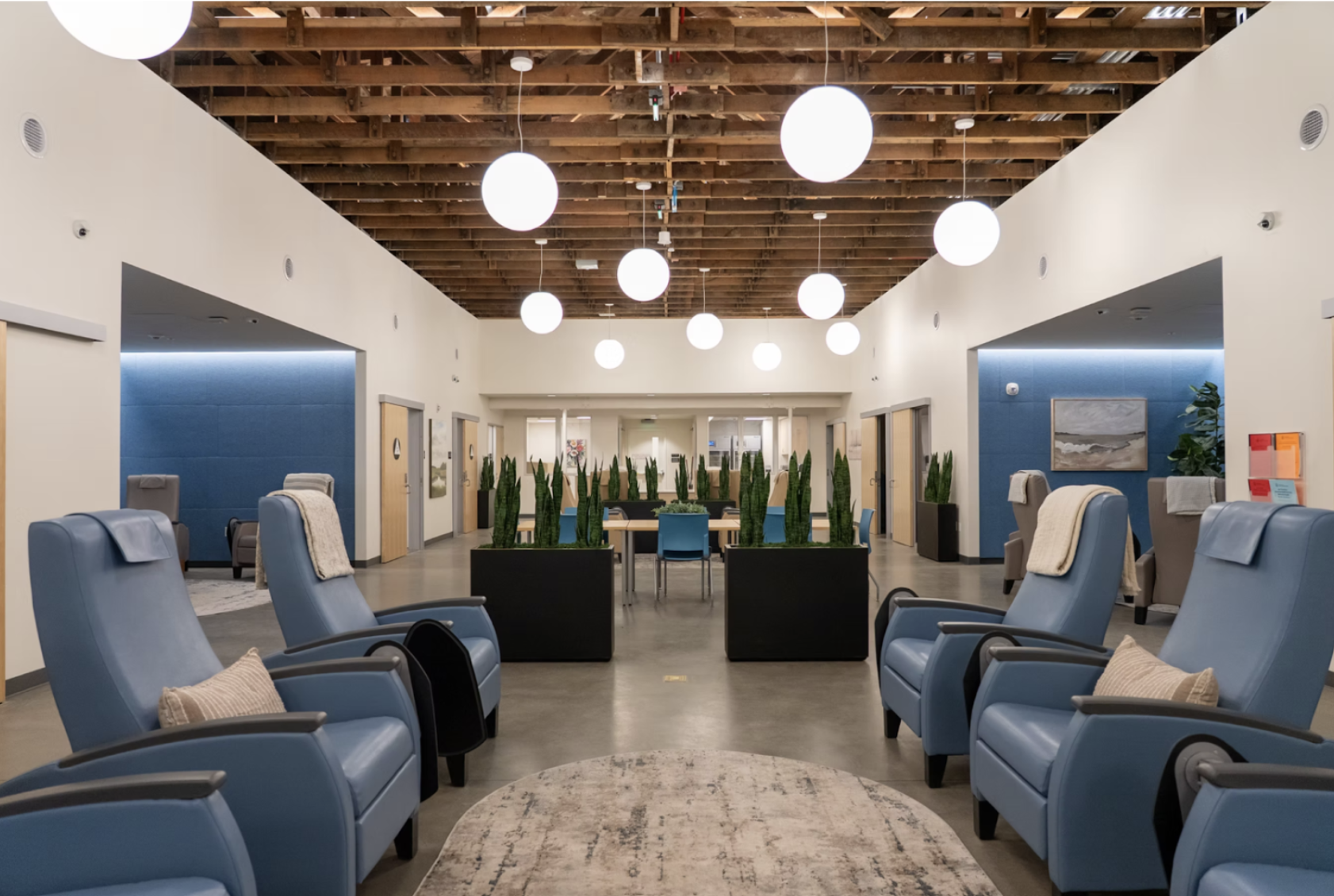
The facility is welcoming, “without the patients, [it] could be mistaken for a nail salon… two lines of blue lounge chairs sporting throw pillows and blankets face each other under exposed beams and high-end lighting… There are a couple of small bedrooms, medical exam rooms and a laundry area. Lockers up front store people’s belongings — no street drugs or other contraband are allowed inside.”
The facility is “always open… [and] is always staffed with a nurse and several mental health specialists… [with a] doctor is always on call.” The trained staff “treats patients’ low-level medical needs, prescribes anti-psychotic medication, gives them access to laundry facilities and showers, and provides space to rest… [and] connect people to longer-term help, such as a methadone or buprenorphine prescription to fight opioid addictions or a bed in a residential treatment center.” First responders—“police officers, paramedics and street crisis counselors”—can “drop off people who need help at any time. And as of October, the facility was certified as an “alternative emergency room” by the state, “which means that ambulances can drop people there” now, as well.
The Times also detailed some of the powerful, “heart-rending” stories of people who have had their lives transformed after receiving treatment at the facility:
“There was a homeless woman addicted to methamphetamines who had climbed down onto subway tracks searching for cigarette butts. She hears voices and yells in public without knowing she is doing so… she is now in a 90-day residential treatment program and on medication.
A homeless man, also addicted to drugs, was having delusions related to artificial intelligence and the Church of Scientology, but is now sticking to a treatment plan that includes medical care and counseling…”
The facility opened in early summer “and new data from its first five months showed that 344 people were admitted, and 88 went on to enter residential treatment programs, a higher percentage than other city programs achieve.”
- Clackamas County, Oregon Opened A New “24/7 Stabilization Center… To Help People Experiencing A Mental Health Crisis.” KATU News reports that the facility will “help people experiencing panic attacks, hallucinations, or other mental health conditions” and also has “transitional housing options for people facing homelessness.” Clackamas County Chair Chair Craig Roberts explained to Lake Oswego Review that the center fills a vital gap in the public safety infrastructure in the county: “When individuals suffering from behavioral health issues are in crisis … they are many times taken to jail or an emergency room… Neither of these places are equipped to meet their needs. This new stabilization center is a major advance in meeting the need to have a healthy community.”
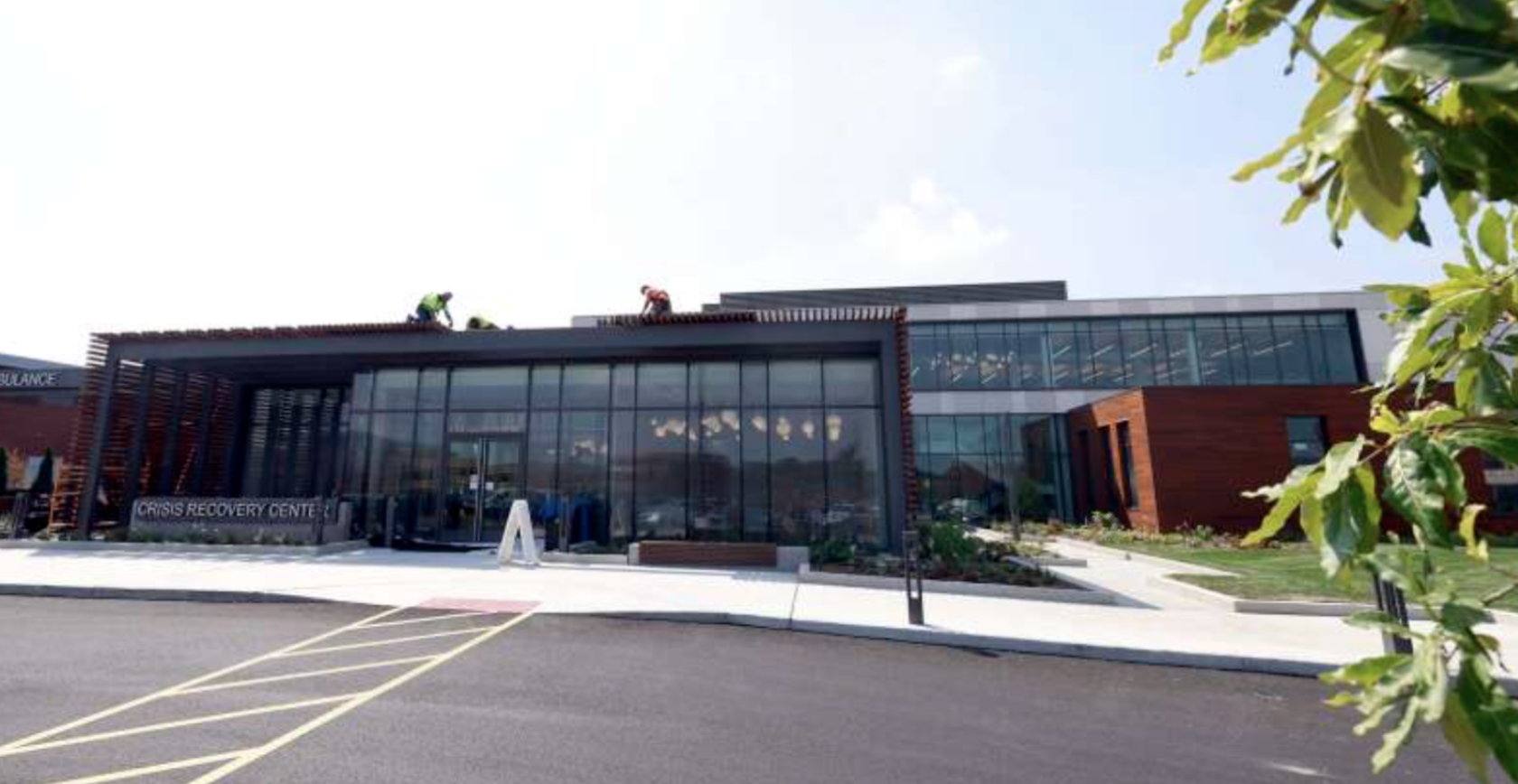
- In DuPage County, Illinois, “Early Numbers Show Crisis Recovery Center Making A Positive Impact. For The Daily Herald, the Editorial Board “applauded DuPage leaders” for opening the county’s new crisis stabilization center, “a specialized facility where people suffering a mental health or substance use crisis can get immediate help,” reporting that “early numbers indicate that it’s making a positive impact…. it’s clear that they made the right move.”
The center, which “serves as an alternative to hospital emergency rooms or law enforcement intervention,” provides treatment to patients experiencing a crisis around the clock with a staff composed of “trained mental health and substance use professionals.” After the acute crisis is resolved, patients are then “connected to community resources for continued support.” The center has only been open for seven weeks, and has already provided care to nearly 400 people in the community, with “steady admissions” for “withdrawal management” services and “adult and youth mental health pods and sobering services.”