Homeless outreach teams help cities connect people experiencing homelessness with housing, mental health treatment, substance use services and other resources, building relationships with individuals who may be reluctant to seek assistance. In Santa Monica, California, Downtown Santa Monica’s Outreach Team works seven days a week, proactively engaging people experiencing homelessness and behavioral health challenges throughout the downtown area. The team works closely with other first responder agencies, emergency medical personnel, healthcare providers and social service organizations to help people access appropriate care, often navigating complex service systems on their behalf.
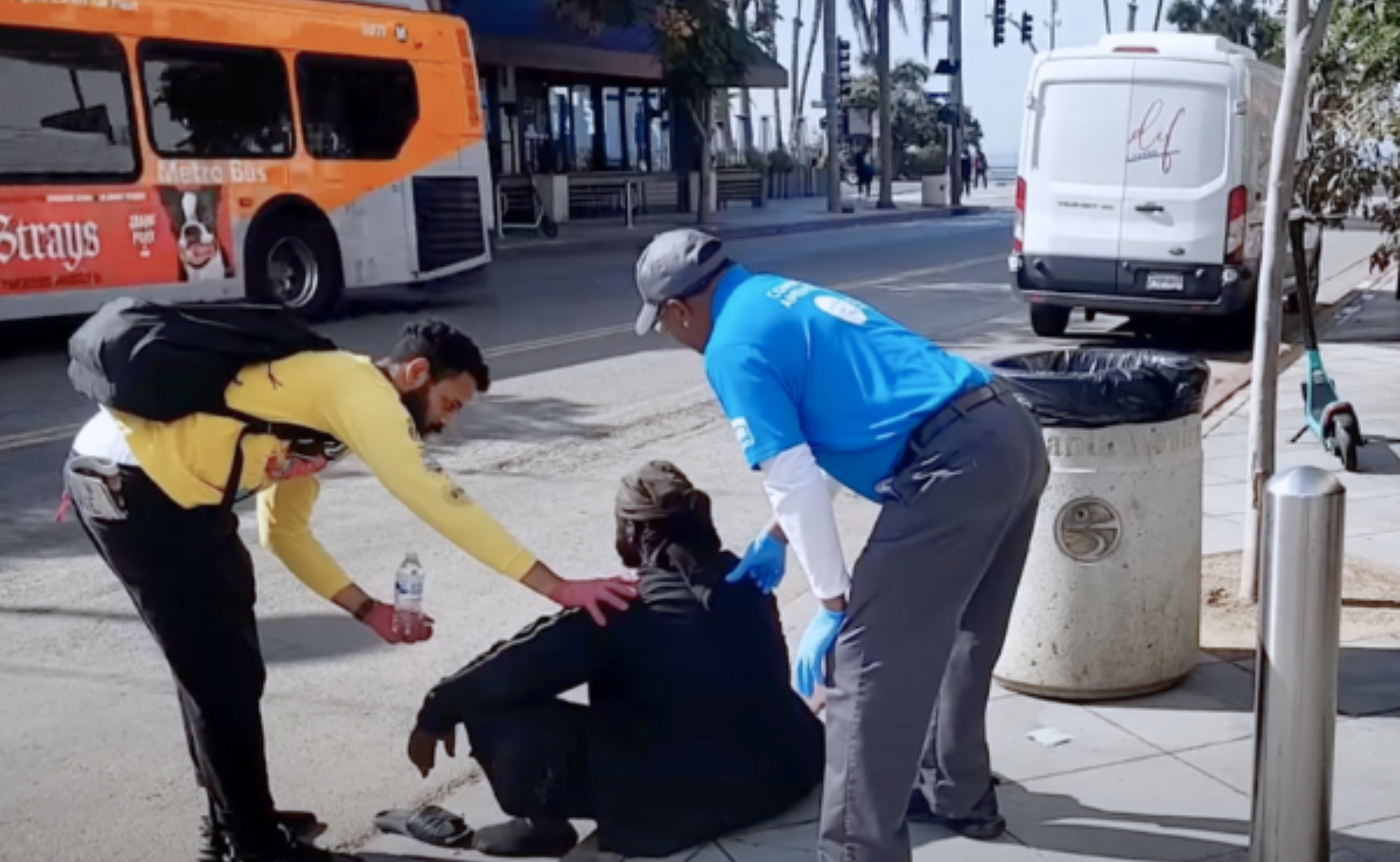
Safer Cities recently spoke with Debbie Lee, Chief Executive Officer of Downtown Santa Monica, Inc (DTSM)., about how the team builds trust, coordinates with public safety agencies, and connects vulnerable individuals to services.
- On Training Outreach Teams To Build Trust During Behavioral Health Crises: “[Our] Outreach Team takes a compassionate, person-centered approach when engaging individuals experiencing homelessness, including those facing mental health or substance use challenges. Staff receive training in motivational interviewing, which helps them build trust, communicate effectively, and encourage individuals who may feel discouraged about accessing services to remain open to support and consider available options… To support these interactions… staff also receive training in effective street-level communication, including how to navigate challenging encounters, maintain professional boundaries, and avoid taking difficult interactions personally. Additionally, the team completes annual Narcan training to prepare for potential opioid-related emergencies.”
- On Working With Service Providers To Coordinate Care: “[We] work closely with a network of public safety and service providers to connect individuals with the support that best meets their needs. Staff facilitates warm handoffs by sharing relevant information with the responding provider, helping establish contact with the individual, and remaining engaged throughout the process to support continuity of care. Depending on the individual’s circumstances, this may include the Santa Monica Police Department, emergency medical personnel, mental health specialists, or healthcare providers … Beyond direct engagement, DTSM’s Outreach Team uses Los Angeles County’s Homeless Management Information System (HMIS), known as Clarity, to support coordination and continuity of care. This shared system allows staff to document interactions, track referrals, and coordinate services with other providers across LA County, helping ensure individuals receive more consistent, connected support.”
- On Building Relationships That Lead To Lasting Change: “Our team takes the initiative to engage individuals, build trust, and identify opportunities to connect them with support. This consistent, hands-on approach has proven especially valuable in reaching individuals who may initially be hesitant or reluctant to accept assistance. Over time, regular interactions with familiar outreach staff help establish trust and create opportunities for individuals to become more receptive to services. Our seven-day-a-week presence downtown has also translated into meaningful, measurable results. Between July and September, DTSM’s Outreach Team engaged with individuals experiencing homelessness 6,130 times, made 958 referrals to social services and successfully connected five individuals to housing.”