1. Study: Mental Health Clinicians In Delaware 911 Call Center Resolve Nearly Two-Thirds Of Mental Health Crisis Calls, Reduce Police Deployments. A new study by University of Delaware researchers, published in the Journal of Crime and Justice, finds that embedding mental health clinicians directly in 911 dispatch centers can reduce police deployments and provide an alternative to police response for callers experiencing mental health-related crises. Researchers examined 59 months of 911 calls in New Castle County, Delaware, comparing actual police deployments with forecasts based on historical data. Clinicians resolved 64% of the calls they reviewed without police response, while deployments averaged 8.58 fewer per month than forecasted. Researchers conclude that “clinicians embedded in 911 centers may make a difference in diffusing mental health-related situations and reallocating law enforcement response resources.” The full study is worth your time, but here are some toplines:
- Mental Health Clinicians Divert 64% Of Reviewed Crisis Calls From Police Response. “[C]linicians were available to address 369 out of 2,302 eligible calls based on the time of the call (i.e., during program hours) and current staffing levels. These mental health professionals were able to successfully divert [] calls from any subsequent police response, representing a 64% diversion rate.” The remaining calls “were returned to [dispatchers] for response.”
- Statistically Significant Reduction In Police Deployments. “Differences between the observed and forecasted monthly number of police deployments widen as [] programming expanded.” While officers responded to eligible calls “approximately 127 times per month before and 122 times per month after [mental health clinician] introduction,” researchers found “a small but statistically significant difference of 8.58 fewer police deployments per month” compared with forecasted responses.
- Clinician-Based 911 Diversion Frees Up Police Resources, Could Have Even Greater Impact With Expansion. “[Clinicians] would reallocate over 109 hours of police time because no further action was needed beyond the clinician’s discussion. The program could become more impactful by expanding hours of service (e.g., 24/7 coverage) or increasing the number of full-time clinicians taking calls.” Researchers suggest the approach “may work in tandem with existing community-based crisis response infrastructures like mobile crisis teams and support hotlines.”
Momentum For Integrating Mental Health Expertise Into 911, Sending The Right Responders And Freeing Up Police Resources, Across The Country:
- In California, Los Angeles Announces Unified 911 Call Center To Strengthen Mental Health Crisis Dispatch. In an October 23 announcement, Mayor Karen Bass’s office outlined plans for “a unified call center to streamline the diversion and dispatch of civilian crisis response teams,” replacing “the two separate civilian call centers currently serving these programs.” The directive also calls for “accelerating the recruitment, hiring, and retention of 911 dispatchers” and “modernizing emergency communications technology” to help dispatchers “answer and process calls more quickly and efficiently.” Since 2023, the city reports that “more than 125,000 calls have been diverted from 911 to mental health and crisis response teams.” Councilmember John Lee, chair of the city’s Public Safety Committee and champion of integrating mental health experts into the 911 emergency call center, explained that “by investing in staffing, technology, and better coordination, we can ensure our Valley residents get the help they need while allowing our police officers and firefighters to focus on the emergencies that need them most.”
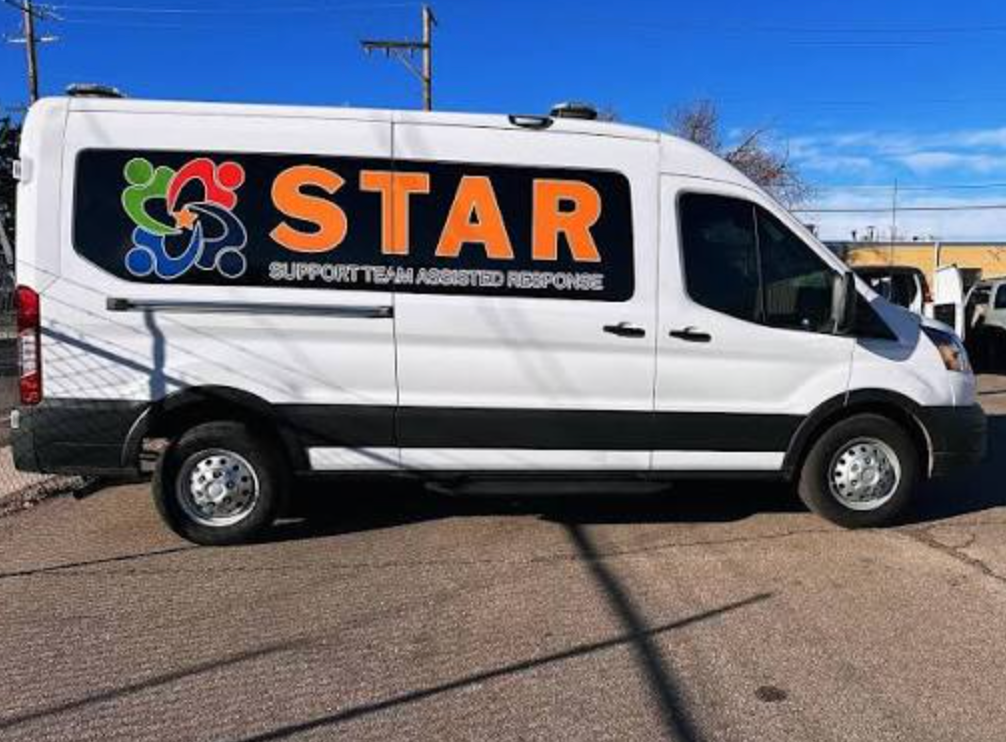
- In Colorado, Denver To Route Mental Health Crisis Calls To Behavioral Health Experts, Not Just Police, To “Ensure The Right Resources Are Deployed.” For Denverite, Kyle Harris reports that Denver is “revamping how the city handles mental health and drug use emergencies,” with calls about mental health crises soon “transferred to a team of new behavioral health experts who will ensure the right resources are deployed.” For some mental health-related calls, it might mean clinicians respond; for other kinds of calls related to homelessness “it might be housing case workers or the Support Team Assisted Response (STAR) Program’s outreach workers for situations that do not require an armed response” and for “more dangerous encounters, that could include police officers and mental health co-responders.”
The city also recently “began employing the STAR co-responders directly, rather than through a nonprofit partner,” and could eventually “integrate the 311 and 911 lines more tightly, allowing the city to route calls even more quickly.” Mayor Mike Johnston explained: “So you can call any place. We’ll decide who the right person at the right time and the right place is. And it’s more and more often from our outreach side.”
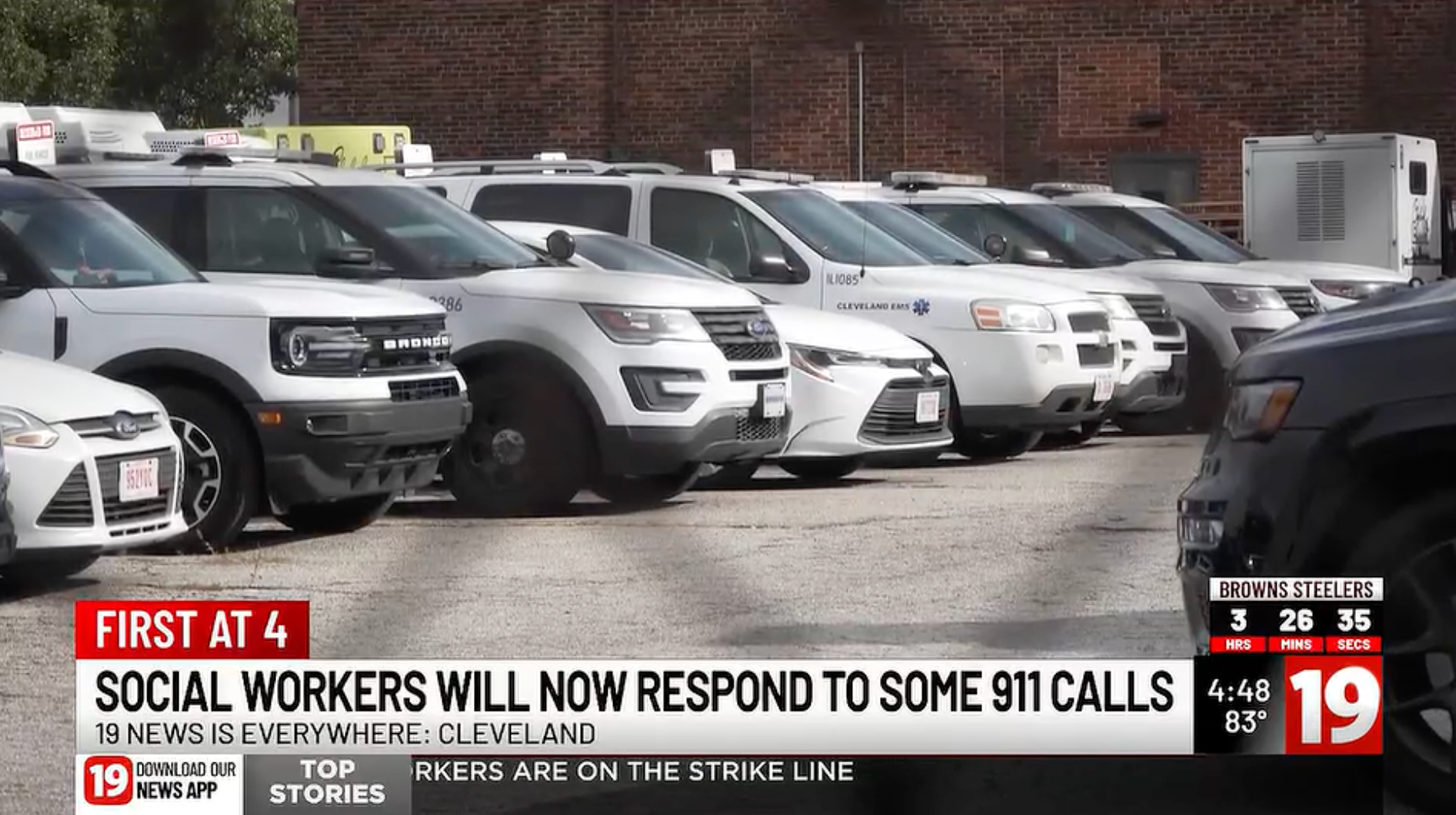
- In Ohio, Cleveland To Send Social Workers Instead Of Police To Some Mental Health 911 Calls. For Cleveland 19, Vic Gideon reports that “non-violent mental health 911 calls will get handled differently starting in the middle of 2027,” with a new Community Crisis Response team that is “trained to de-escalate situations, to provide trauma informed support to people who are having crises.” The city expects to hire 15 social workers initially, who “should be able to resolve some issues over the phone,” helping “free up police to handle other situations, leaving mental health issues to health professionals.”
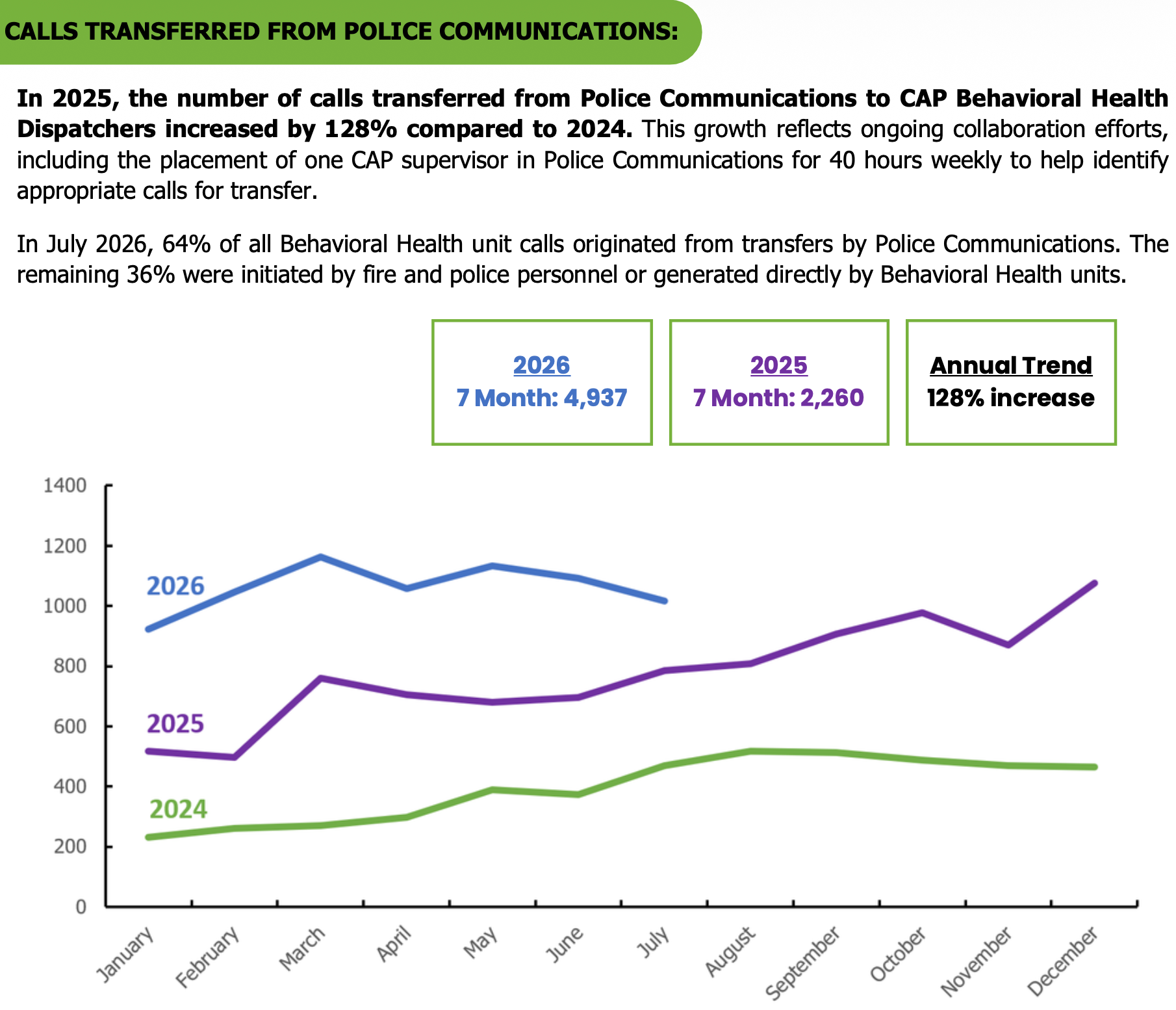
- In Arizona, Phoenix More Than Doubles Police Dispatch Transfers To Mental Health Teams, Which Respond Without Police Or Fire 80% Of The Time. During a recent Phoenix City Council policy session, city officials outlined changes to the 911 screening process so dispatchers now ask callers, “Do you need police, fire or behavioral health?” — a change similar to other cities, like Austin, Texas, which offers a “mental health” option for 911 callers, with the goal of sending the right responders to the right calls, reducing unnecessary police deployments while connecting people to specialized mental health services. Additionally, according to the latest city data obtained by Safer Cities, Phoenix’s Community Assistance Program now operates “nine Behavioral Health Units providing 24/7 citywide coverage, supported by round-the-clock Behavioral Health Dispatch services… [with units] specifically designed to respond independently to calls, serving as an alternative to traditional police or fire response.” In July, the units responded to 1,016 calls, with 80% handled independently, while “64% of all Behavioral Health unit calls originated from transfers by Police Communications.” Those transfers more than doubled, from 2,260 during the first seven months of 2025 to 4,937 during the same period in 2026.
2. Safer Cities Interview With North Carolina’s Carteret County Post-Overdose Response Team. Post-overdose response teams help turn a life-saving emergency response into an opportunity to connect people with ongoing treatment, recovery support, and other critical services. Research suggests these programs can help save lives and reduce reliance on law enforcement.
A 2023 study published in JAMA Psychiatry, examining 93 Massachusetts municipalities, found that communities implementing post-overdose outreach programs experienced significantly declining opioid overdose fatality rates and overdose-related emergency medical responses over time compared with communities without the programs. A 2026 study published in the American Journal of Public Health, examining more than 5,000 New York City patients, found that those successfully reached for peer-led follow-up after a nonfatal overdose had a 36% lower adjusted hazard of fatal overdose over the following year than patients who accepted follow-up but were not reached. These programs can also reduce reliance on law enforcement for post-overdose outreach, freeing officers to focus on other public safety priorities. A 2023 study of a peer-led program in Duluth, Minnesota, found that overdose specialists successfully connected overdose survivors with recovery services without police officers participating in follow-up visits.
In North Carolina, Carteret County’s Post-Overdose Response Team, or PORT, puts this approach into practice by reaching people following nonfatal overdoses. The team deploys certified peer support specialists who offer overdose prevention resources, connections to treatment, and ongoing support.
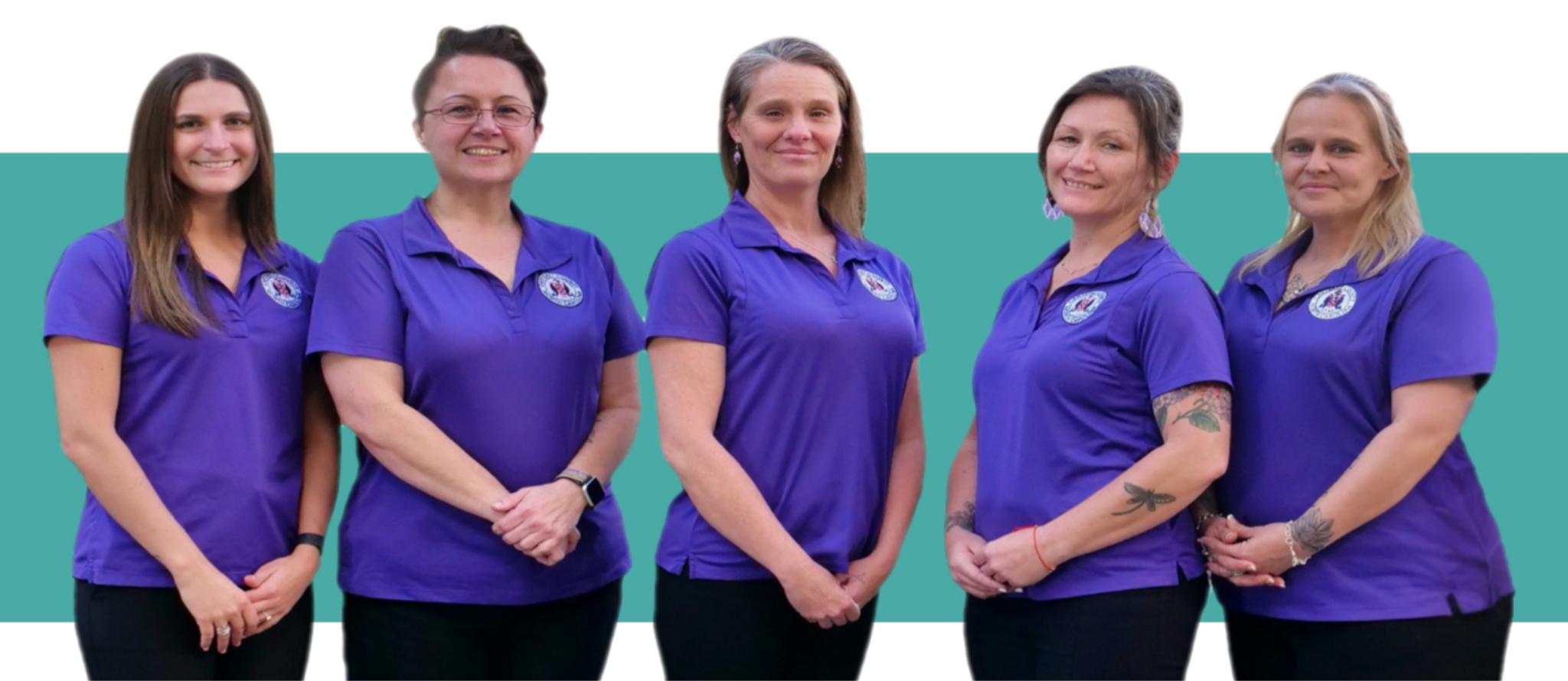
Safer Cities recently spoke with Brooke Lane, manager of Carteret County’s Post-Overdose Response Team, about the team’s work alongside first responders, its approach to connecting people with recovery resources, and the importance of maintaining those connections long after an emergency:
- On Reaching Overdose Survivors Who Might Otherwise Refuse Assistance: “The moments after a nonfatal [overdose] are vital in getting connected with individuals. This may be the only opportunity we get to interact with them and it could be when they are most open to hearing about ways they can seek help or treatment… We have arrived at many scenes where an individual has been revived with narcan and refuses to speak with EMS or law enforcement but will engage with our peer support specialists. There have been many times where our arrival is met with gratitude from law enforcement and EMS that we are there because the individual refuses to speak with anyone else. We hold about a 96% connection rate with clients through overdose calls or referrals, I do not think we would have that high of a connection rate without responding right after a substance use related emergency.”
- On How Lived Experience And Practical Support Help Build Trust: “Our team earns trust from individuals because of our peer support specialists lived experience. Clients feel like they can open up to our peers without judgment and an understanding of what they are going through. We often say our peers are not ‘another person in uniform’ and this is what helps clients open up… Sometimes all we do for clients the first few visits is bring food, provide them with clothing vouchers, or help them figure out how to get a bill paid. This helps build trust with them and reassure them that we are here to help them in whatever they are needing to help stop or reduce their substance use.”
- On Staying Connected After The Overdose: “We have a minimum follow-up procedure for every client, even those who may not be interested in treatment. We have the initial engagement then follow up 2 days later, 1 week, 2 week, 1 month, and at 3 months. These check-ins can just be a reminder [that] we’re here if they have any questions, and give them some narcan… The mindset someone is in can change dramatically within 3 months so we want to make sure we are there if they do want help with treatment… We also like to do these check-ins regardless because some people just may not think they are worth helping or they have burned so many bridges that they feel like no one cares for them to get help, we remind these individuals that they are worth helping and there are people on this Earth who want to see them living a happy and healthy life.”
3. Cities, States Expanding Hospital-Based Violence Intervention Programs To Help Stop The Spread Of Violence, Reduce Arrests. Hospital-based violence intervention programs connect survivors of shootings and other violent assaults with trained intervention specialists, counseling and community-based services, helping prevent retaliation and further violence long after patients leave the hospital. A research review by John Jay College of Criminal Justice’s Research and Evaluation Center found that evaluations of these programs have documented “lower levels of future offending, fewer retaliations, reduced hospitalizations” and cost savings. A study of an Oakland, California, program found that participating youth were 70% less likely to be arrested for any offense, while a randomized study of a Baltimore program found that patients who didn’t receive the intervention were three times more likely to be arrested for a violent crime. Across the country, cities and states are expanding these programs to help break cycles of violence:
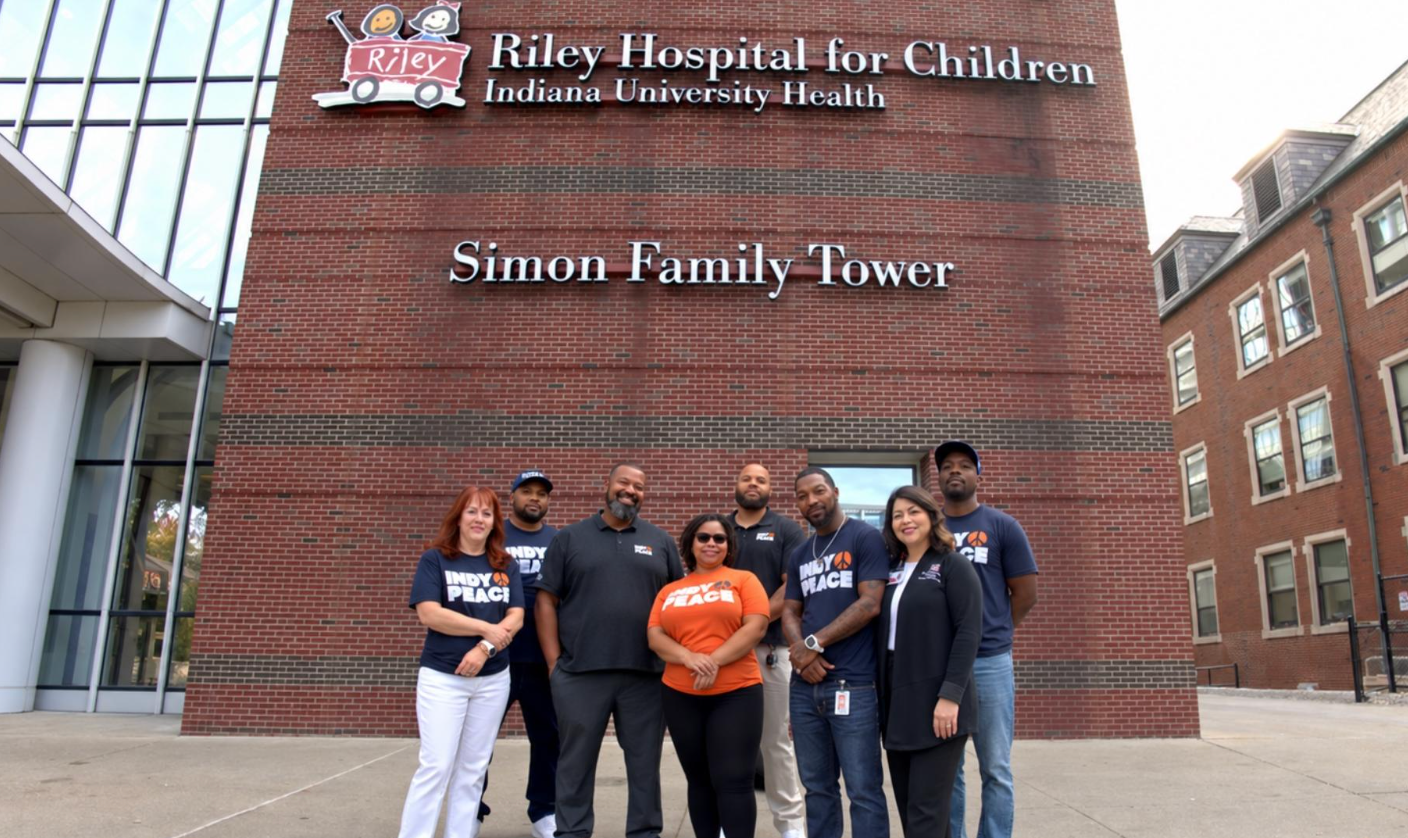
- In Indiana, Indianapolis Children’s Hospital Launches State’s First Pediatric Violence Intervention Program To Help Young Shooting Victims, Prevent Retaliation. For FOX59, Rachael Wilkerson reports that Riley Children’s Health has launched “a first-of-its-kind program in the state” aimed at helping “young victims of gun violence and their families heal and recover without returning fire.” The program connects patients treated for “gunshot wounds and other penetrating trauma” with services that “address social, emotional and environmental factors influencing recovery.” Mae Sandberg, who oversees the hospital’s Office of Community and Child Health, explained to the news station that the team “wants to sit with them as soon as bedside to let them know that they don’t have to navigate this alone.”
For WRTV, Marguerite Incardone reports that the hospital-based program is part of an effort to “expand the city’s approach to violence prevention and extend hospital support into the community.” For WTHR, Logan Gay spoke to Dr. Matt Landman, Riley’s trauma medical director, who explained that “lasting healing requires more than medical care alone,” and the program “allows us to identify risk factors, support patients beyond their hospitalization, and work toward preventing future injuries.” The CVI team that works alongside the hospital’s physicians also provides support beyond the acute crisis with the goal of further increasing stability for the child: “If they don’t have rides, we do transportation for them. If they need food, we [provide food]… If they need housing, we try to connect them to housing resources, clothing… [and] help pay bills if necessary.”
- New Jersey Makes $9.5 Million Available For Hospital-Based Violence Intervention Programs. In October, the New Jersey Department of Law and Public Safety announced “$9,500,000 to fund HVIP programs throughout the state” that “support crime victims and ensure that culturally appropriate victim services are available,” with emphasis on “victims of community gun violence, stabbings and physical assaults.” The funding supports “hospital-based or hospital-linked partnerships” between trauma centers or emergency departments and community organizations that provide “high-risk interventions to prevent retaliation, case management, and culturally appropriate services that promote healing.”
The state says successful programs will offer “safety planning, crisis intervention, referrals to community-based victim services … victim advocacy, emotional support, grief counseling” and “follow up with discharged victims and their families to assist with their long-term recovery.” Citing research from John Jay College of Criminal Justice, the state notes that evaluations of HVIPs have demonstrated “reductions in future involvement in the criminal justice system, fewer retaliations, and reduced hospitalizations.”
- In Ohio, Cincinnati Hospital-Based Violence Intervention Program Celebrates Two Years Of Treating Survivors, Breaking Cycles Of Violence. In an announcement this week, Cincinnati Children’s and UC Health marked the second anniversary of their joint Hope and Shield Network, a hospital-based violence intervention program that helps survivors and their families “begin the healing process by connecting them with resources that support recovery, stability and long-term well-being while helping reduce the likelihood of future violence.” Since its launch, “Violence Prevention Professionals, trusted community members with lived experience, provided bedside support and helped connect nearly 250 patients to services including mental health resources, housing assistance, access to fresh foods, education and employment opportunities, family support programs and violence prevention services.” Dr. Meera Kotagal, director of trauma services at Cincinnati Children’s, explained that “Hope and Shield provides an opportunity for us to serve as a link – connecting organizations to patients and vice versa – to help address the complex social needs at the root of violence.”