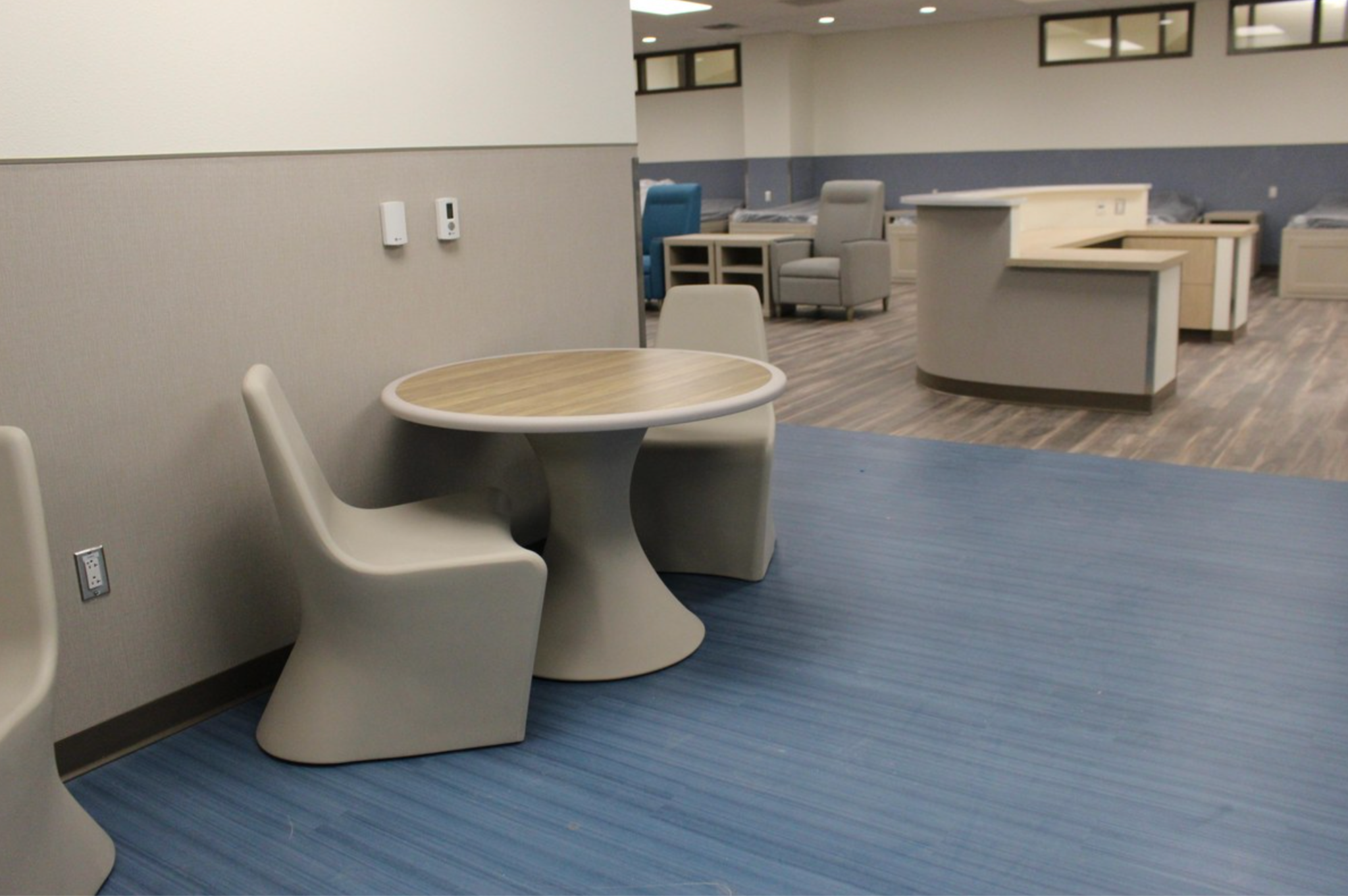
Sobering Centers give people who are intoxicated a safe place to recover, while connecting them to detoxification, mental health care, peer support and ongoing treatment. Research from multiple cities suggests these programs can help people struggling with substance use get care while reducing reliance on law enforcement and jails. A study of Houston’s sobering center found that “48% of all clients [] accepted a referral to services, requested housing assistance, or enrolled in treatment upon discharge,” while public intoxication jail admissions declined 95% between 2012 and 2017 following the city’s diversion initiative. Another recent study examining sobering centers in five cities found public intoxication arrests declined 20% in Tulsa and 24% in Austin, beyond broader arrest trends, and estimated that the five centers could avert nearly 3,900 jail days annually if admissions replaced jail stays. Researchers found that officers agreed sobering centers were “the best option for most individuals because it provides protective care, the opportunity for additional resources and treatment, and avoids the costs and consequences of being arrested.”
Momentum For Sobering Centers Across The Country:
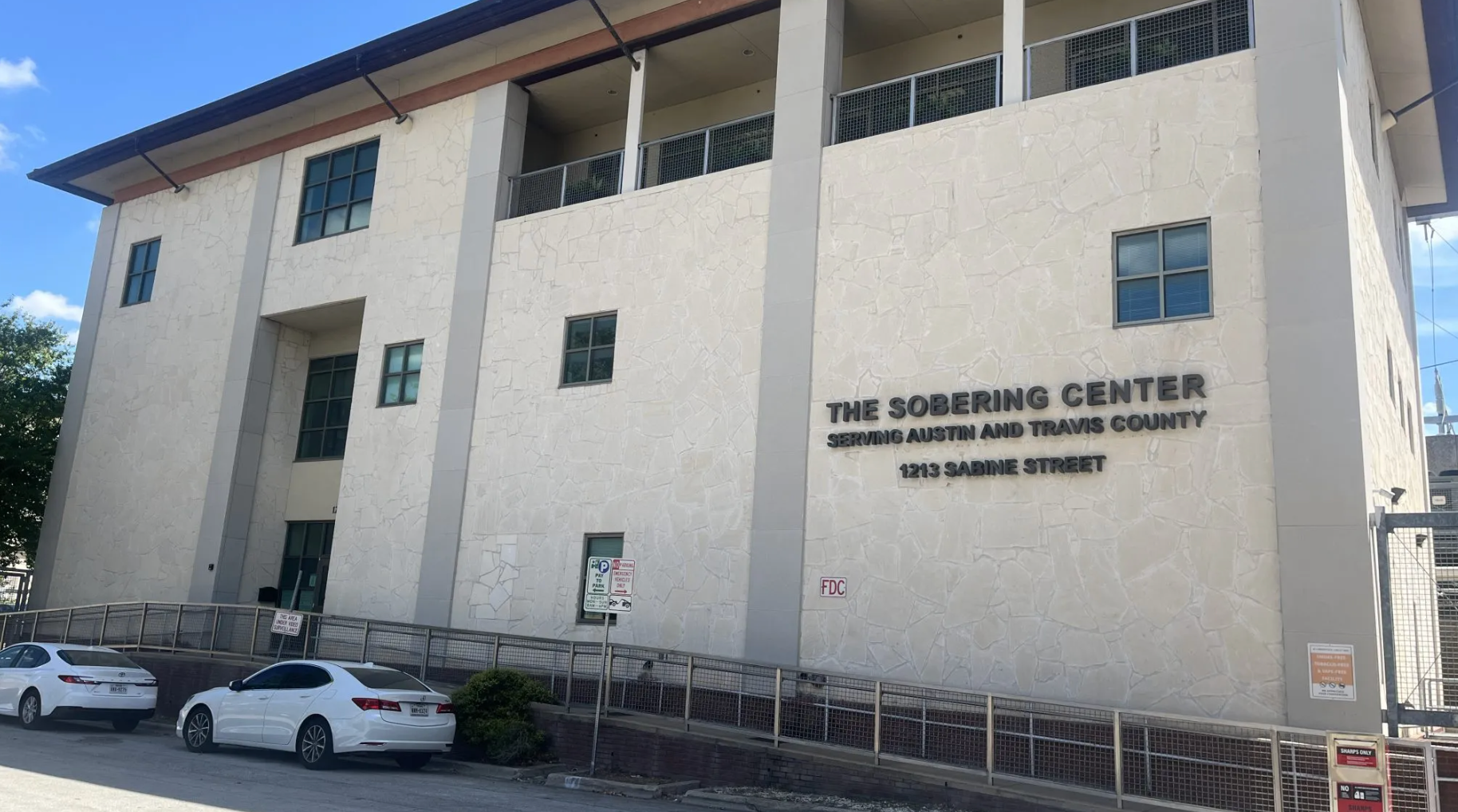
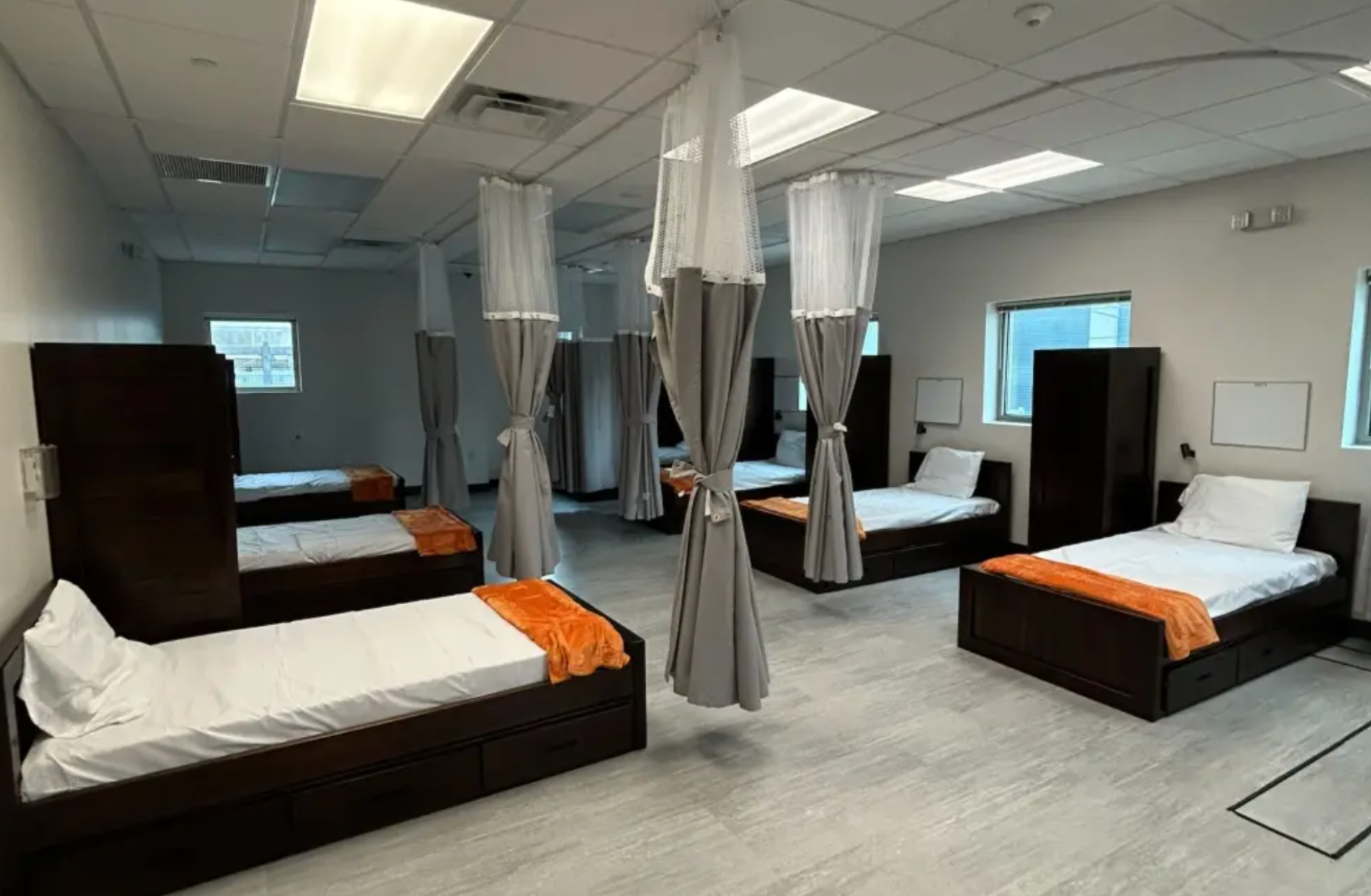
- In Austin, Sobering Center Expands To Connect More People With Treatment. For Austin Free Press, Shelby Ligon reports that “[i]n August, The Sobering Center expanded its holdover program by opening a second floor” with “14 beds for medically and psychiatrically stable patients who are interested in treatment.” The program “allows some patients to remain at the facility while seeking long-term treatment.” According to the center’s most recent impact report, “90% of clients who sought treatment were connected with care,” and “702 were diverted from jail and 1,385 avoided hospital visits.” Central Health, which helps oversee the Sobering Center, explained to the news site that “the goal is a system where someone in crisis can get care instead of being drawn into the justice system, and can stay connected to care afterward.”
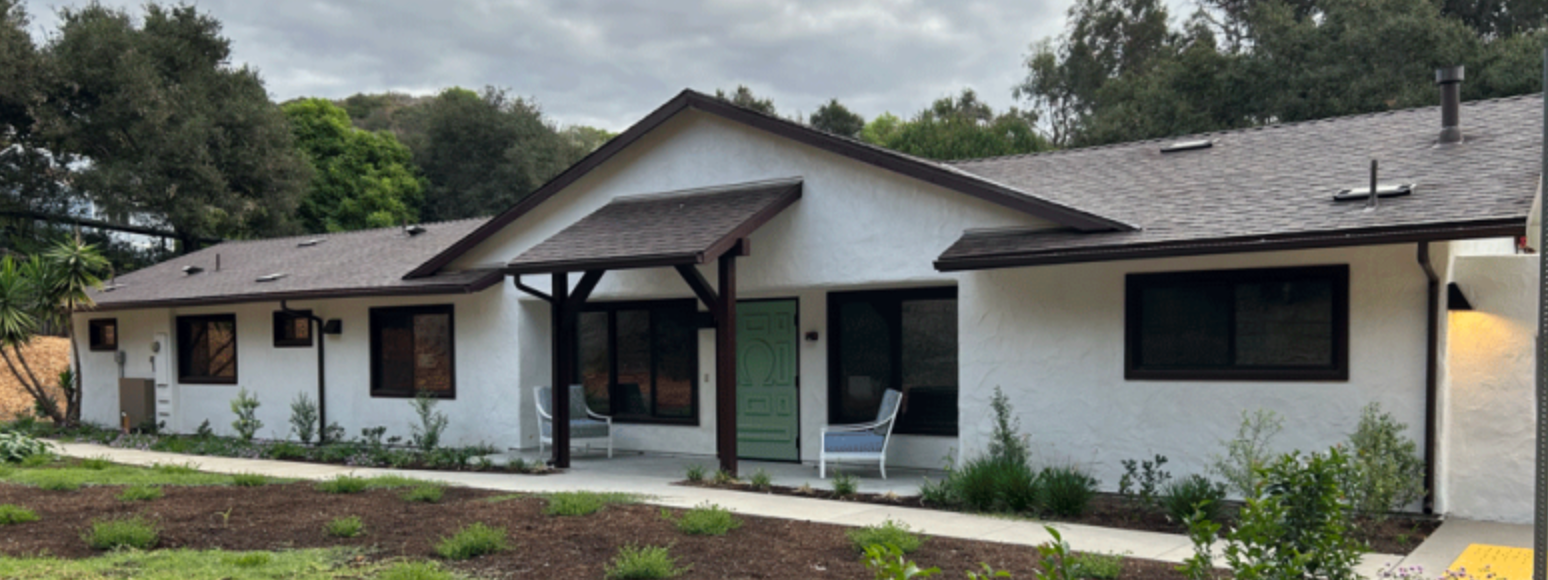
- Santa Barbara County Opens New Sobering Center To “Offer People The Right Support At The Right Time.” For KSBY, Gianella Ghiglino reports that “the 14-bed Sobering Center, operated by Good Samaritan Shelter, provides a safe place for people to stabilize while under the influence of alcohol or other substances.” The center is located next to Tecolote House, “a 12-bed residential facility providing supportive housing for adults living with serious mental illness,” with both facilities “expanding access to mental health and substance use services at the same location in Santa Barbara.” County Behavioral Wellness Director Toni Navarro, a champion of the new sobering center, explained to Noozhawk that “a strong behavioral health system is one that offers people the right support at the right time.”
- In Albuquerque, City Allocates $1.4 Million To Sobering Center. For KOAT, Alyssa Munoz reports that the Albuquerque City Council “approved a resolution allocating $5.2 million in opioid settlement money to local prevention, treatment and recovery programs” with “$1.4 million [to] support the Medical Sobering Center, where people who screen positive for opioid use disorder will be referred for medication-assisted treatment.”
The center, which opened in October 2025, is “a connection point to longer-term substance abuse resources” with “specialized medical and peer support staff who build trust with clients.” The facility “[provides] medically supervised care for up to 50 people per day, giving first responders a safe, clinically appropriate alternative to emergency department transport for alcohol-related calls,” and “[accepts] referrals from EMS, APD, ACS [Albuquerque Community Safety], and community partners.” For New Mexico News, Jesse Jones highlighted the sobering center as “what went right” this year in the city, reporting that the center “had 2,212 admissions during the fiscal year.”