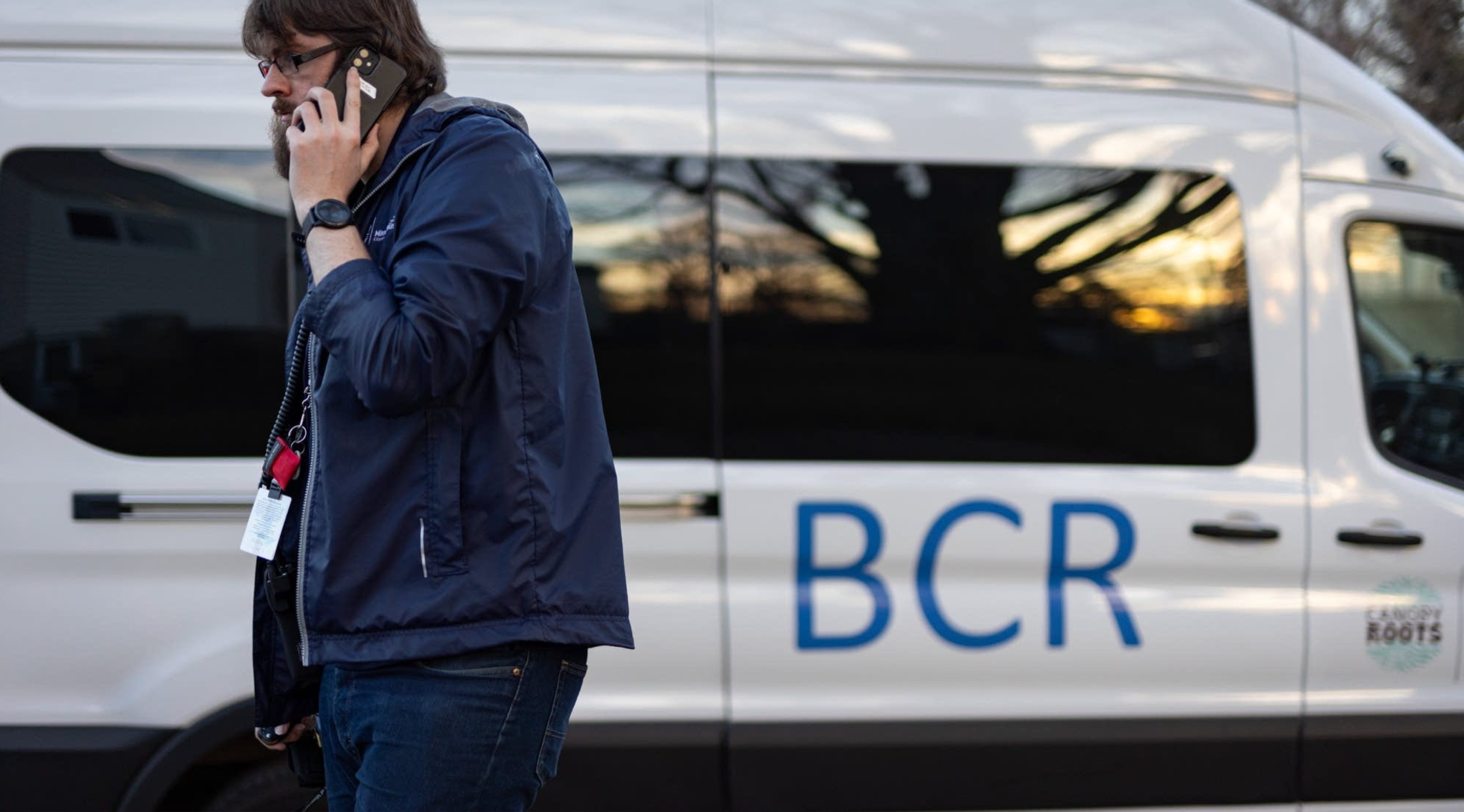
Mobile Crisis Response Teams give 911 dispatchers the ability to send trained behavioral health experts instead of armed police officers to mental health emergencies, to reduce strain on law enforcement and improve treatment outcomes for people in the throes of a mental or behavioral health crisis.
In Minneapolis, the Behavioral Crisis Response program, operated by Canopy Roots since 2021, provides free, 24/7 citywide response, helping people in crisis through de-escalation, counseling, transportation and connections to ongoing care. Since it first launched, the team has responded to more than 44,000 calls without any injuries to service recipients.
A 2026 independent evaluation by the Minnesota Justice Research Center examined nearly 11,000 calls for service and found strong community support for the program: among surveyed residents, 91% supported unarmed crisis response and 88% reported feeling safer knowing the program exists. The program has also earned high praise from law enforcement. Minneapolis Police Officer Christopher Perry told MPR News: “They’re a blessing, that’s for sure — it takes a lot of weight off our shoulders,” adding, “I wish there were more of them.”
Safer Cities recently spoke with Taylor Crouch-Dodson, Director of External Affairs at Canopy Roots, about how the program is changing emergency response, connecting residents to care and working alongside traditional first responders:
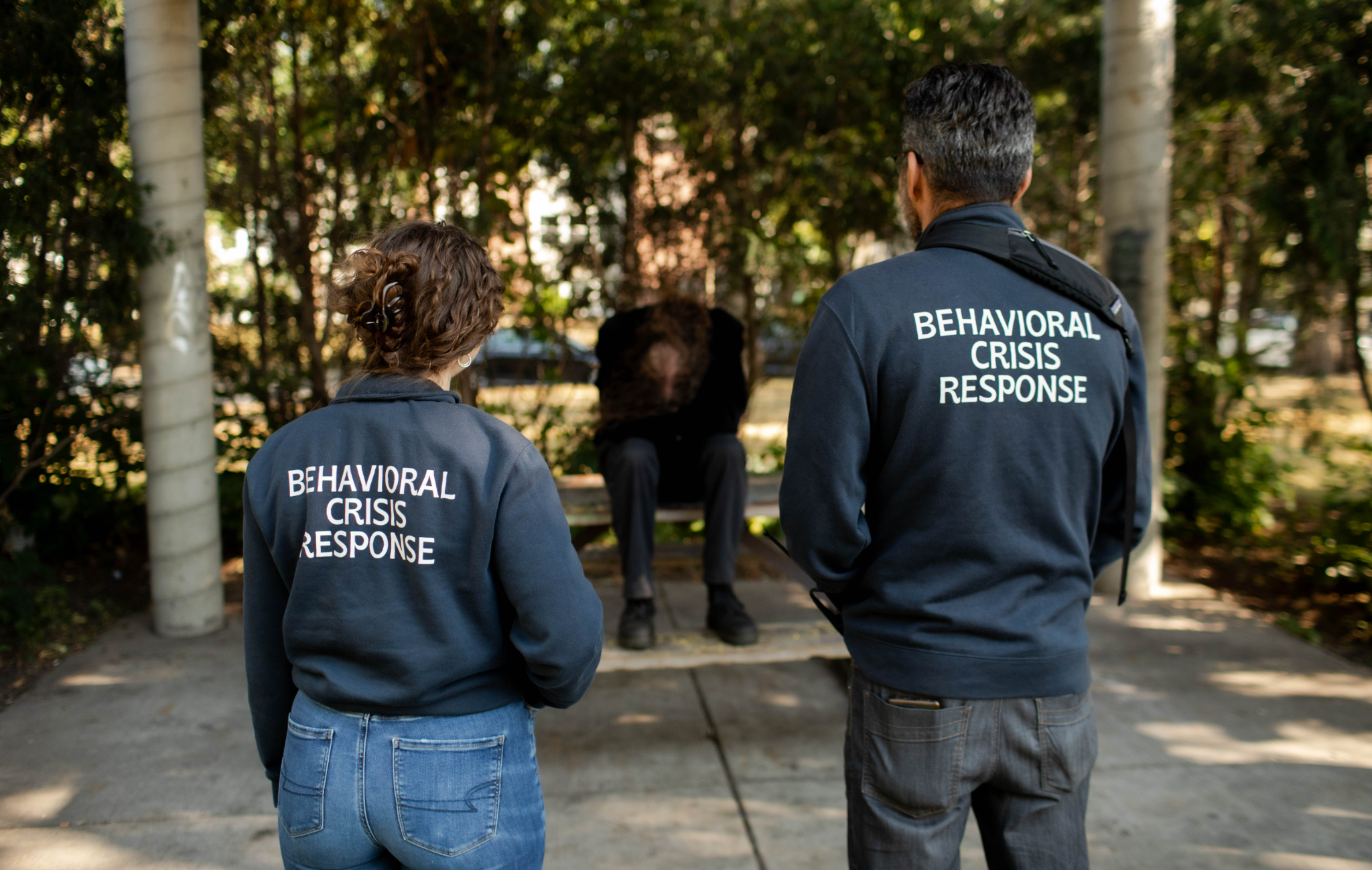
- On Helping Residents Feel Safe Calling 911 For Help: “The impact is not only operational. It also changes what it can mean for a resident to call 911 during a mental health crisis. Many people, particularly those from communities that have experienced disproportionate harm in traditional public safety and healthcare systems, may hesitate to call for help because they are worried about what kind of response will arrive. Knowing that an unarmed behavioral health team can be dispatched creates another pathway into the emergency response system… At Canopy Roots that matters, because for us an effective crisis response system is not only about providing an effective, compassionate response and reducing workload for other first responders; it’s also about making it more likely that people will seek help when they need it.”
- On Connecting People To Treatment Beyond The Immediate Crisis: “A good crisis response does not end simply because the immediate situation has been stabilized… Our Responders assess what the person needs, identify existing supports, and work with them to determine what should happen next. That may include connecting someone to a mental health or substance use provider, shelter or housing resources, medical care, a trusted family member or community support, or providing voluntary transportation to a place where they can receive additional help… When possible, we focus on warm handoffs that reduce the number of barriers between the person in crisis and the next source of support… The goal is for the person to leave the interaction safer, with their dignity intact, and with a meaningful pathway to support that fits what they are ready for in that moment.”
- On Matching The Right Responder To The Right Crisis: “These response options are not operating in separate silos. Police can request BCR when they encounter a behavioral health need and determine the scene is appropriate for our team. BCR can also request law enforcement or EMS if circumstances change or if a situation requires resources outside our scope… Our teams regularly collaborate with these partners to better understand each other’s roles, improve call routing, and make sure the response matches the need… The goal is not to make BCR the response to every call. It is to build a public safety system where the person with the right training and expertise is able to lead the response, and where agencies can bring one another in when the situation requires it.”