Sobering centers give people who are intoxicated a safe place to sober up instead of unnecessarily ending up in jail or an emergency room, while offering opportunities to connect with treatment and other services.
In Spokane, Washington, the Spokane Treatment and Recovery Services, or STARS, a behavioral health provider serving the region since 1980, operates a Sobering, Triage and Transition program that provides “a safe and supervised environment for individuals who are intoxicated,” with monitoring for up to a day. STARS also operates withdrawal management, residential treatment and outpatient services, helping connect people to longer-term care.
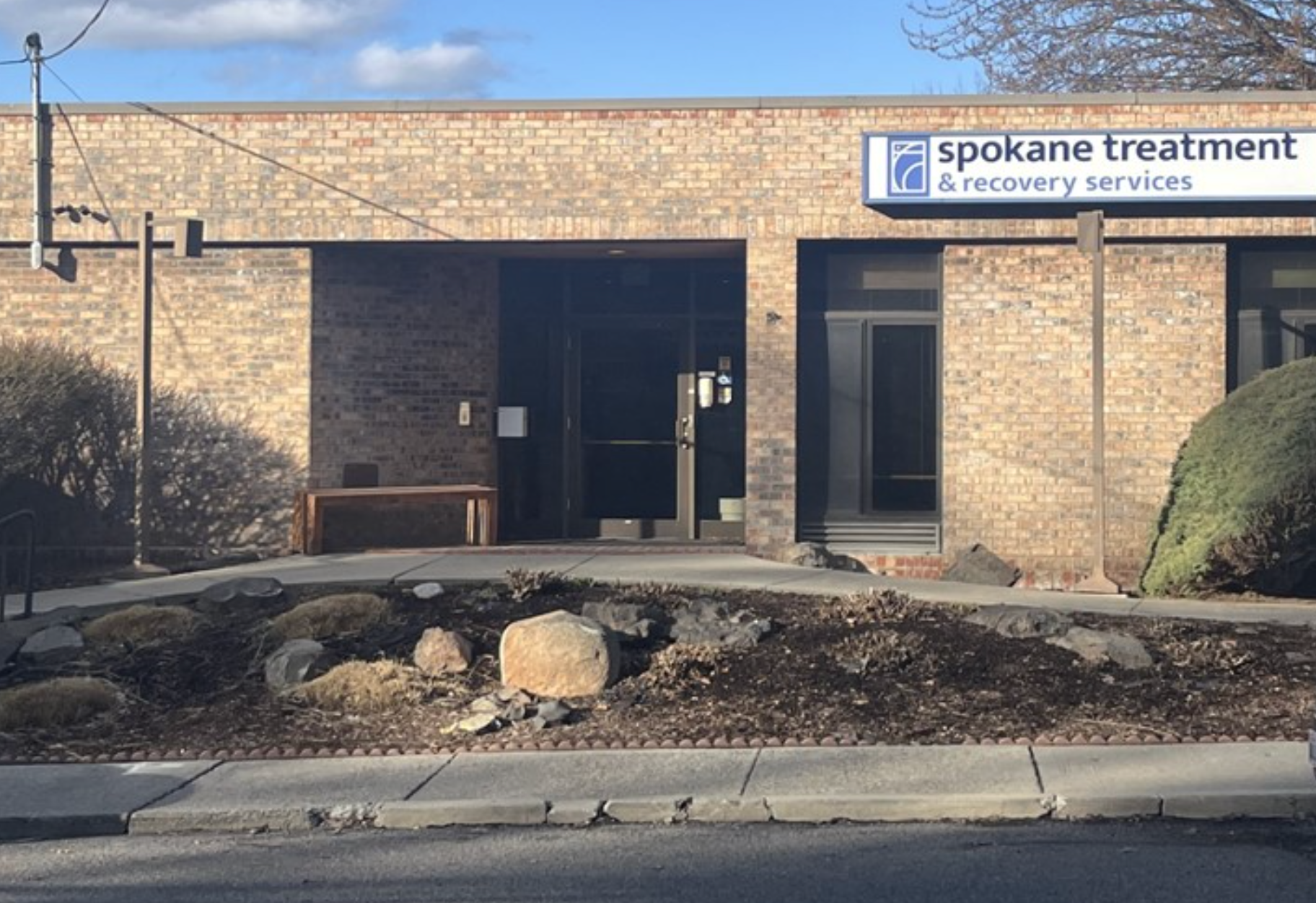
Safer Cities recently spoke with Robert Jahn, Sobering Supervisor at STARS, about how the center connects people to treatment while keeping them safe and what other communities can learn from its approach.
- On Connecting People To Treatment And Support Beyond Their Sobering Stay: “Our goal is not simply to provide someone with a safe place to sober up. While individuals are with us, staff assess immediate needs, talk with them about available services, and help connect them with appropriate next steps. Depending on the individual, that may include substance use disorder treatment, withdrawal management, residential treatment, outpatient services, housing resources, medical care, mental health services, or other community supports… Not everyone is ready to enter treatment during a sobering stay, and we recognize that readiness can change over time. Even when someone declines services, the interaction gives us an opportunity to provide information, build rapport, and make it easier for them to access help when they are ready.”
- On Training Staff To Recognize When Someone Needs A Higher Level Of Care: “The most important qualities [for sobering center staff] are the ability to remain calm, respectful, observant, and nonjudgmental while working with individuals who may be intoxicated, experiencing behavioral health symptoms, or going through a very difficult point in their lives. Staff need strong training in de-escalation, recognizing medical or behavioral health concerns, overdose response, suicide and safety screening, trauma-informed care, documentation, confidentiality, and knowing when a person needs a higher level of medical attention. Just as important is good judgment. Staff need to understand the difference between someone who can safely remain in a sobering environment and someone whose condition requires emergency medical care or another level of service.”
- On Building Sobering Centers As Part Of A Larger Community Response: “Sobering programs work best when they are built as part of a larger community response rather than as a stand-alone service. Policymakers should involve behavioral health providers, hospitals, emergency medical services, law enforcement, housing providers, managed care organizations, and other community partners early in the planning process. Clear referral criteria, transportation procedures, medical escalation protocols, and pathways into ongoing treatment are especially important… Successful programs require trained staff, strong community partnerships, reliable transportation and referral systems, and the ability to connect individuals with services after the immediate crisis has passed… Finally, communities should design programs around their own local needs rather than simply copying another community’s model.”