1. Three New Studies Offer Lessons On What Makes Community Violence Intervention Programs Work. Three new studies and evaluations of Community Violence Intervention programs in Richmond, California; Detroit, Michigan; and Philadelphia, Pennsylvania offer a useful look at how CVI programs are working in very different cities. Richmond’s study provides unusually long-term evidence, with researchers finding significant reductions in gun violence over 14 years; Detroit’s evaluation found reductions across every program zone as teams became more established; and Philadelphia’s study shows what it takes to reach and support people at the highest risk of violence on the ground. Across the three, a common theme is that implementation matters. As Detroit researchers put it, “trust and credibility are the foundational building blocks for CVI programming.”The studies point to the importance of sustained funding, enough time and staff to build that trust, strong outreach, and flexibility to adapt to local conditions. All three studies are worth your time, but here are some toplines from each:
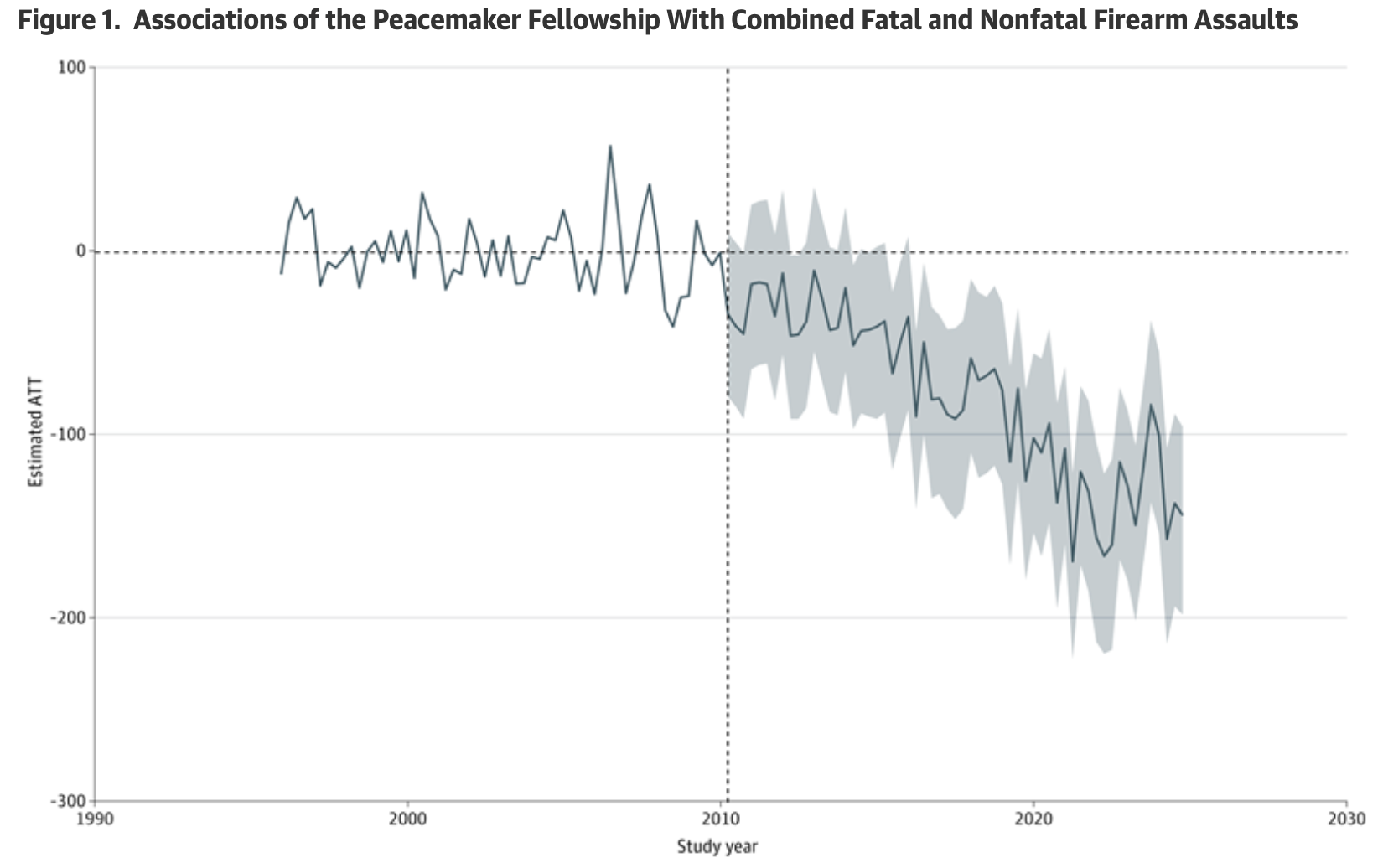
- Richmond, California: Gun Violence Fell 61% Over 14 Years, And Fell 66% During The Program’s Expanded Phase. Researchers found the Peacemaker Fellowship was associated with a 61.47% reduction in fatal and nonfatal firearm assaults over 14 years, with “significant and sustained reductions” throughout the evaluation period. The results “strengthened over time,” from a 49.42% reduction during 2010–2016 to 66.30% during 2017–2024, leading the authors to say the findings “suggest the added value of sustained and expanded implementation.” They also highlight “consistent and predictable budgetary support,” which allowed Richmond to “ensure staff continuity and program consistency for a decade.”
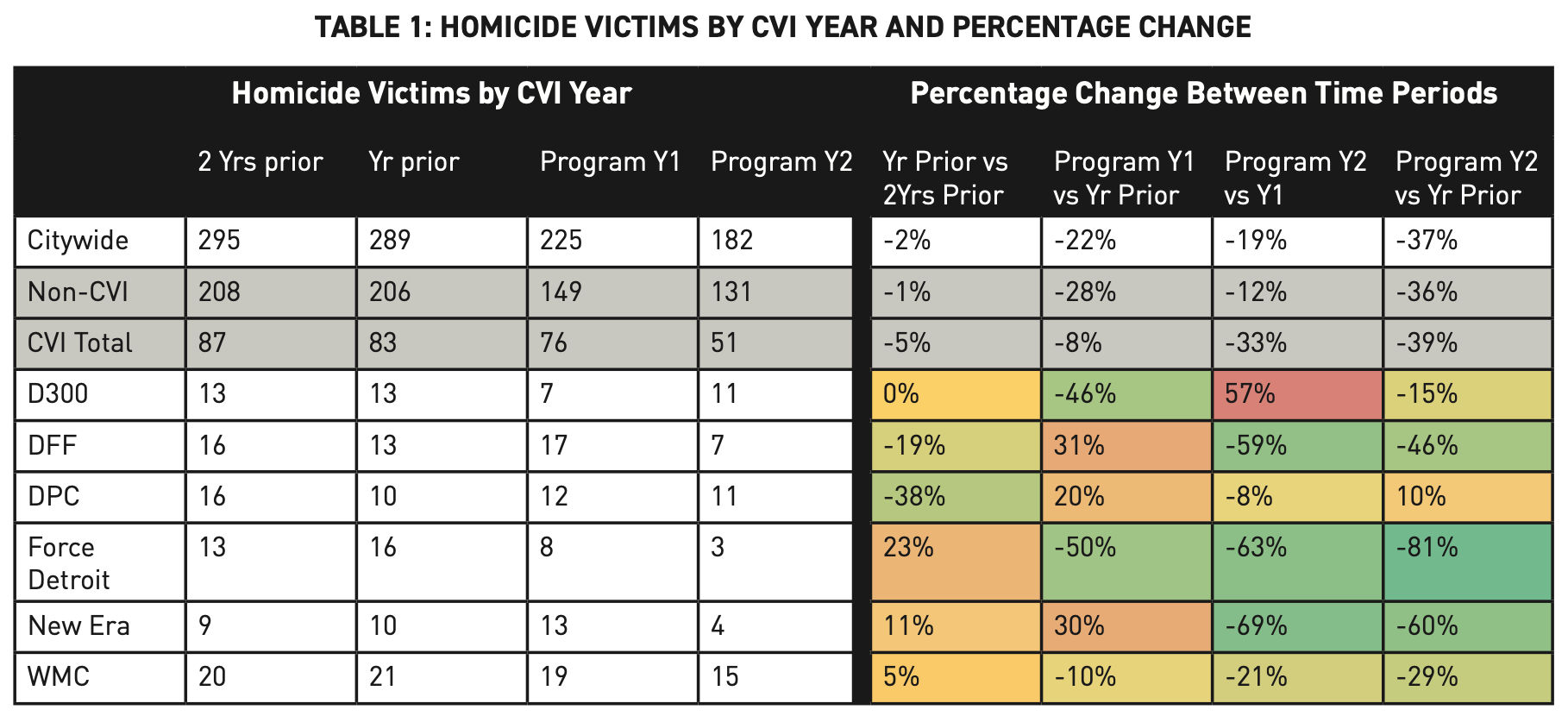
- Detroit, Michigan: CVI Zones Saw Homicides Fall 33% And Nonfatal Shootings Fall 38% In The Program’s Second Year. Researchers found that “all the CVI zones experienced reductions in non-fatal shootings and homicides during the program period.” By the second year, after teams had “solidified their programming and intervention strategies,” CVI zones saw homicides fall 33% and nonfatal shootings fall 38%, compared with declines of 12% and 26% in the rest of the city. The evaluation also found teams “depended heavily on the trust and credibility they developed” with people at high risk, while city support combined “financial and administrative support” with “a high degree of autonomy” to adapt programs to neighborhood conditions.
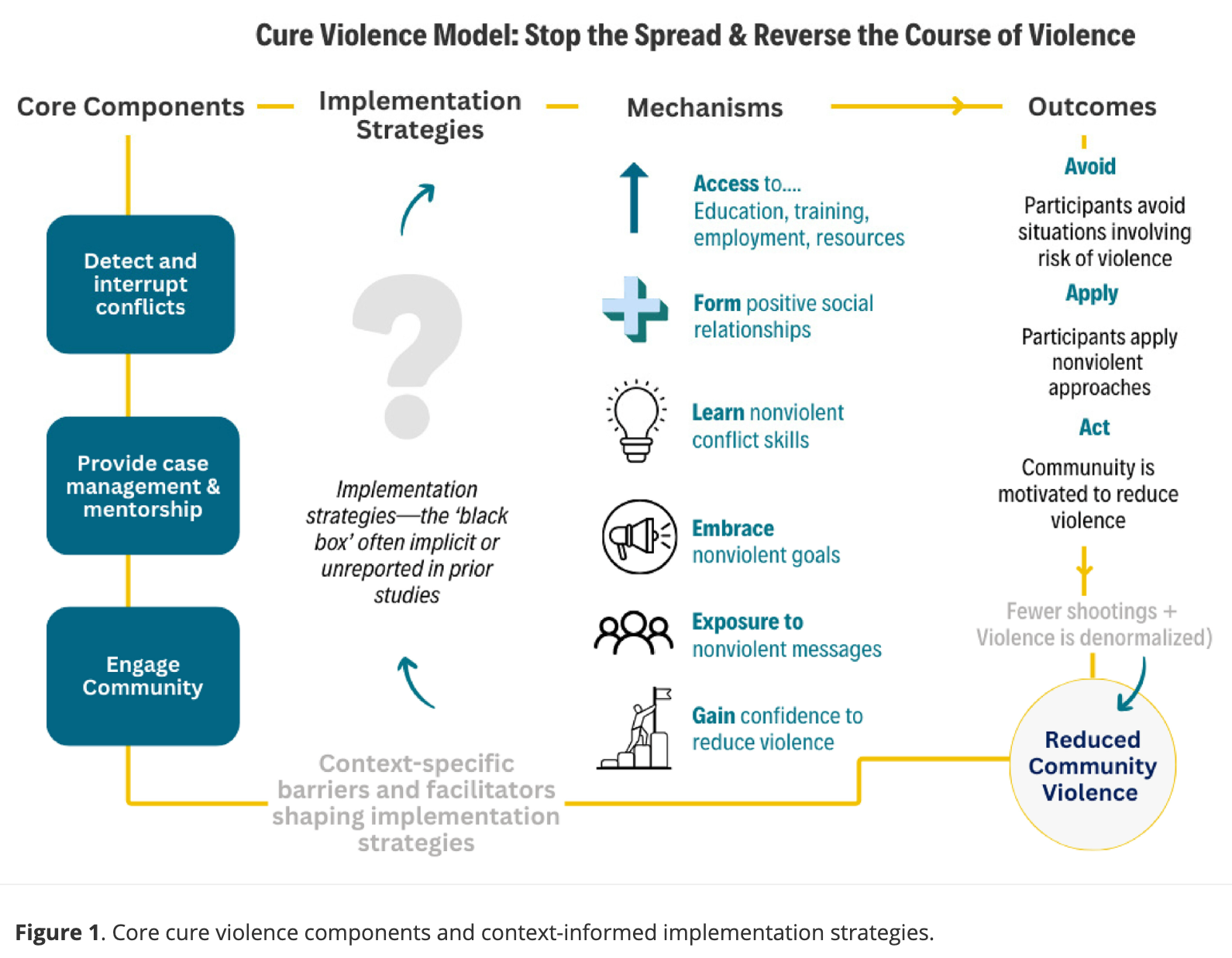
- Philadelphia, Pennsylvania: Outreach Reached Nearly 70% Of Nearby Shootings, With Outreach Workers Consistently Building Trust With High-Risk Participants. During the 18-week pilot study, a small outreach team supported 38 participants, more than 60% of whom met at least three high-risk criteria, while 69.8% of shootings in the target area were followed by outreach within two blocks and two weeks. Researchers found “high fidelity” in case management and community engagement, including 95% adherence to trust-building and 91.8% to connecting participants with resources. Participants reported that the program gave them emotional support, practical help and, in one participant’s words, “hope.”
Momentum For CVI Teams Across The Country:
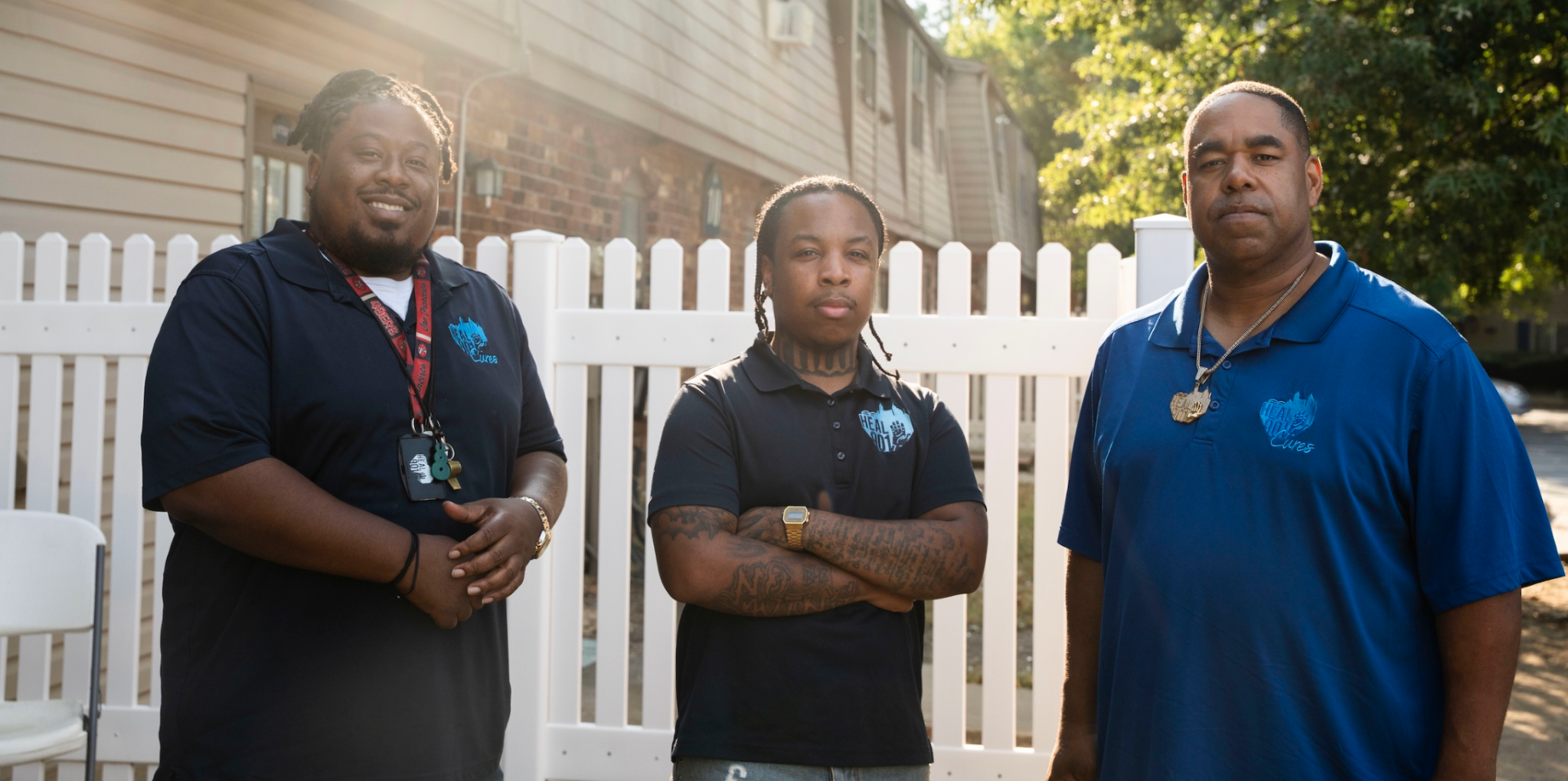
- In Memphis, Tennessee, City And County Created A Joint Office To Coordinate And Fund Violence Prevention, While CVI Team Works With Young People At Highest Risk. For The Trace, Chip Brownlee reports on the CVI program that Memphis and Shelby County created “to coordinate and help fund violence prevention,” while the CVI street responders, known as Heal 901, work “to stop retaliatory shootings and mediate community conflicts … before things escalate.” Day to day, that means helping people “at an elevated risk of being shot or arrested navigate the court and parole systems, find housing and a job, and seek mental health care.” Juvenile probation officer Bill Adkins III said, “when you have something like Heal 901, I know they’re going to give them the support they need … Coupled with what I’m doing, it works 10 times more than if they did not exist.” Heal 901 Founder K. Durell Cowan put the model more simply: “the solution to that violence is actually part of the community … it takes individuals who come from the community, who look like the community, to go back in and change it.”
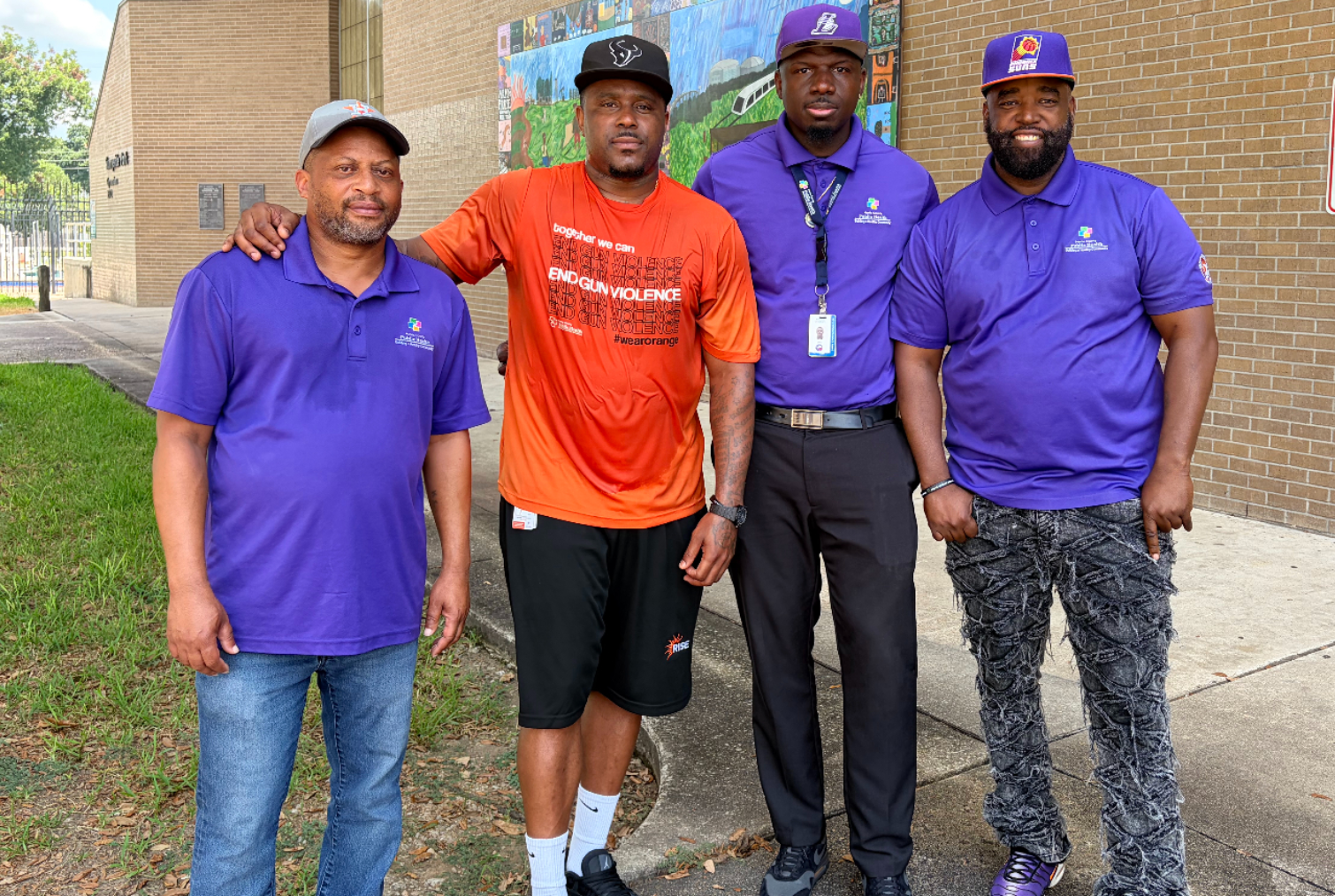
- In Harris County, Texas, CVI Team Has Recorded 187 “Stoppages Of Violence,” While Gun Homicides Have Fallen Faster In Every Neighborhood It Serves. For KPRC 2, Jaewon Jung reports that the county’s CVI program, known as RISE, has recorded 187 “stoppages of violence” over four years and a 38% reduction in violence in one target ZIP code since 2023. For the Houston Press, April Towery reports that gun homicides have fallen faster in every neighborhood where RISE operates than in Houston as a whole, while its teams have made more than 30,000 community connections and 2,300 hospital visits to survivors of shootings, stabbings and assaults.
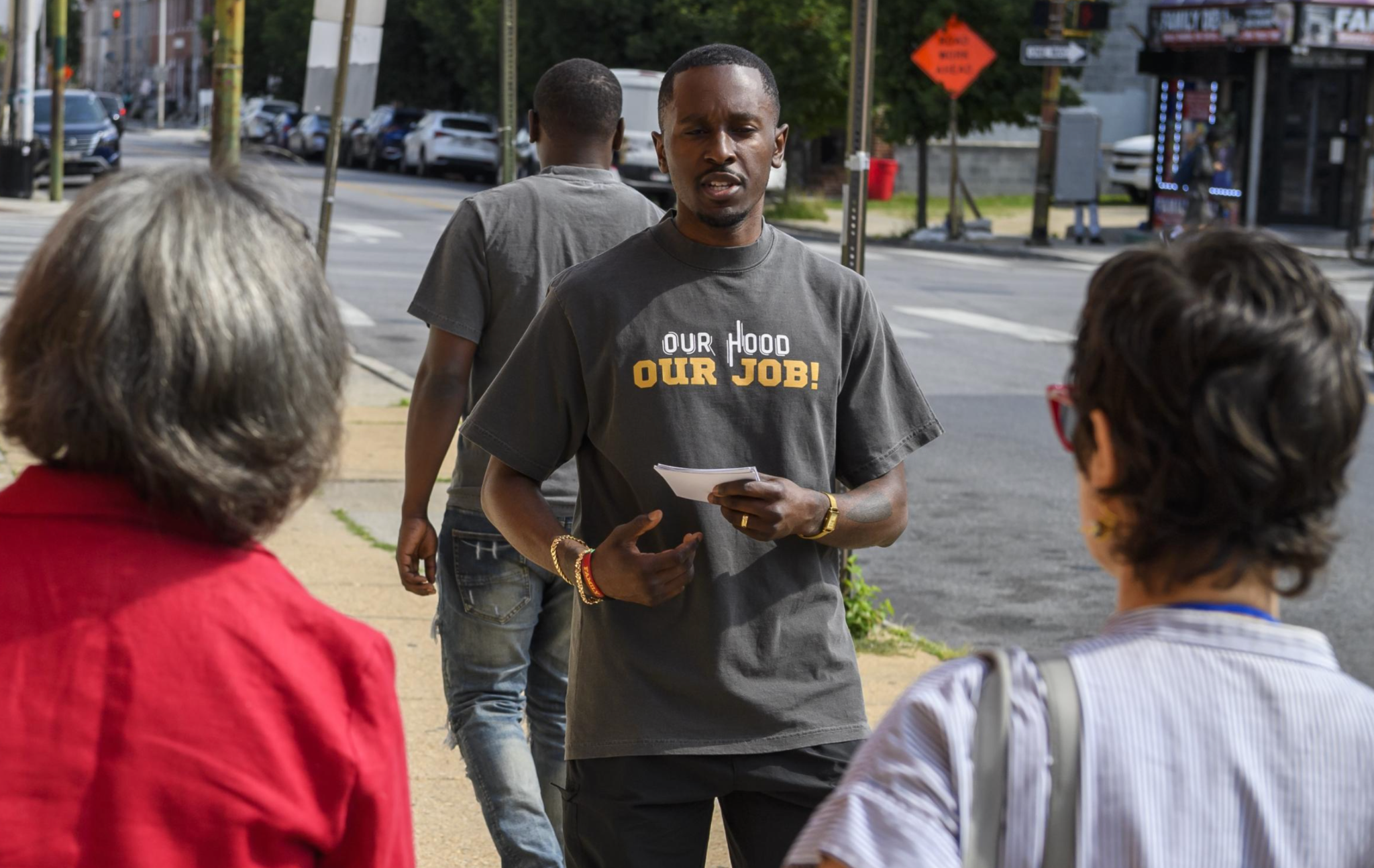
- In Baltimore, Maryland, Neighborhoods With CVI Teams Saw Youth Homicides Fall 42% And Nonfatal Youth Shootings Fall 21%. For Johns Hopkins Hub, Claire Goudreau reports that 2025 saw Baltimore’s “lowest homicide rate in nearly 50 years,” while a recent Johns Hopkins study found neighborhoods with local CVI teams, known as Safe Streets, saw a 42% reduction in youth homicides and 21% reduction in nonfatal youth shootings. Local leaders pointed to community patrol teams as one of the keys to that success, which “walk students home from school, connect drug users with resources, and intervene to stop potential violence.” Stefanie Mavronis, Director of MONSE, who helps oversee the city’s CVI strategy, explained that Baltimore has “expanded the way we look at and think about public safety,” with “every institution, law enforcement agency, government apparatus, and community partner” playing “a unique role … in preventing violence.”
2. Safer Cities Interview With Seattle Fire Department’s Overdose Response Team. Overdose Response Teams intervene during a critical window after someone survives an overdose, providing immediate care while helping connect patients to treatment and other services.
Seattle Fire Department’s Post-Overdose Response Team, part of its Mobile Integrated Health program, responds to people who have experienced opioid overdoses as soon as possible after they have been resuscitated. On scene, the team can provide naloxone, harm-reduction information and immediate connections to providers and clinics, then follow up afterward with treatment options, transportation and help navigating medications and other services.
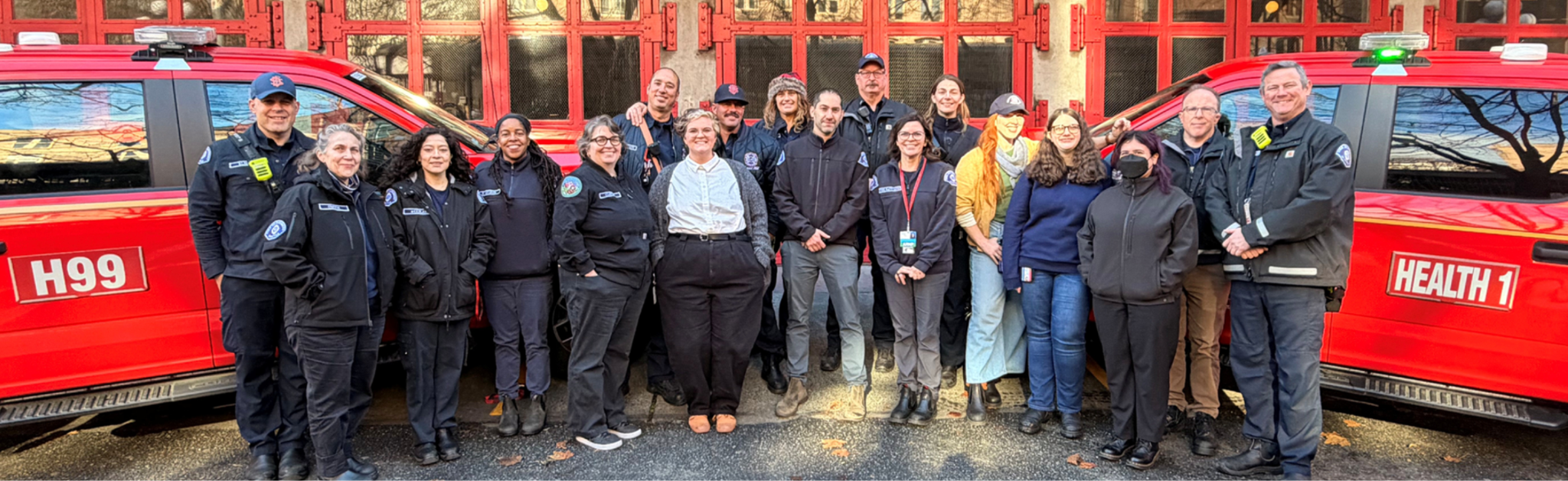
Safer Cities recently spoke with Jon Ehrenfeld, Program Manager for Seattle Fire Department Mobile Integrated Health, about how first responders can use the moments immediately following an overdose to build trust and help people take the next step toward treatment:
- On Getting The First Interaction Right: “Getting this first interaction right is absolutely critical and will set the stage for the entire rest of the encounter. When people wake up after a nonfatal overdose, they are often disoriented, sick, scared, and overwhelmed. … Many times we see patients immediately try to disengage and run away, no matter how sick they are, because of this reflex. I have seen patients still vomiting from their precipitated withdrawal running down the street just to get away. … If, however, you can minimize the crowding, arrange for a more gentle wake up, and have just one person (ideally a social worker or first responder with trauma-informed care training) engage with them, you have the opportunity to help lead them through this crisis and secure their buy-in for whatever services you may be able to offer.”
- On Building Trust Without Forcing A One-Size-Fits-All Response: “We meet the patient where they are at. Our case managers and firefighters have training in trauma-informed care, crisis intervention, and motivational interviewing. They move at the pace the patient feels ready for. This is to say, we do not have a standard ‘package’ of interventions we push on all patients in all situations. The person will determine what they are ready for and how deeply to engage. … Peer specialists are a widely recognized best practice in this area and peers can speak to our clientele on a different level than our practitioners. Peer-led services can help clientele overcome fear and distrust as they begin their recovery journey.”
- On Responding To The Acute Crisis And Returning To Treatment: “We must always balance the risk of harm (which in the case of overdose is potentially fatal) with the risk of retraumatization or the feeling of coercion on the part of the client. Our staff are skilled at pushing firmly but gently. This can take the form of multiple follow-up visits, exploring different team members who may develop different rapport, and exploration of what other services a client may be currently prioritizing above treatment. If, for instance, their primary focus is on shelter, we can assist them with the intention to reintroduce a discussion of opioid use disorder treatment at a later date. … Especially with the emergence of long-acting injectable buprenorphine treatment as a best practice, we take the time to educate clients about these options so they can make an informed decision. At all times, patience and understanding are paramount.”
3. Cities Building Crisis Stabilization Centers, A “Third Leg” For Mental Health Crises: “A Place To Go That Isn’t A Jail Cell And It’s Not An Emergency Room.”
- In Bangor, Maine, New Crisis Stabilization Center Aims To Reduce Jail And Emergency Department Use While Connecting People To Behavioral Health Care. For WABI, Connor Magliozzi reports that a new crisis receiving center is opening to provide “immediate, low-barrier support” for people experiencing a mental health or substance use crisis. Crisis Services Manager Alexis Petterson said the goal is “reducing jail utilization, emergency department utilization, and getting folks connected with the mental health services they need in their community,” while maintaining “high collaborations with local law enforcement so that they’re able to come here instead of [jails, emergency rooms].” The center will use an “interdisciplinary team” of crisis workers, peer support specialists, nurses, psychiatric medication managers and clinicians, with plans to expand to 24/7 operations because “crisis doesn’t happen on a timeline.”
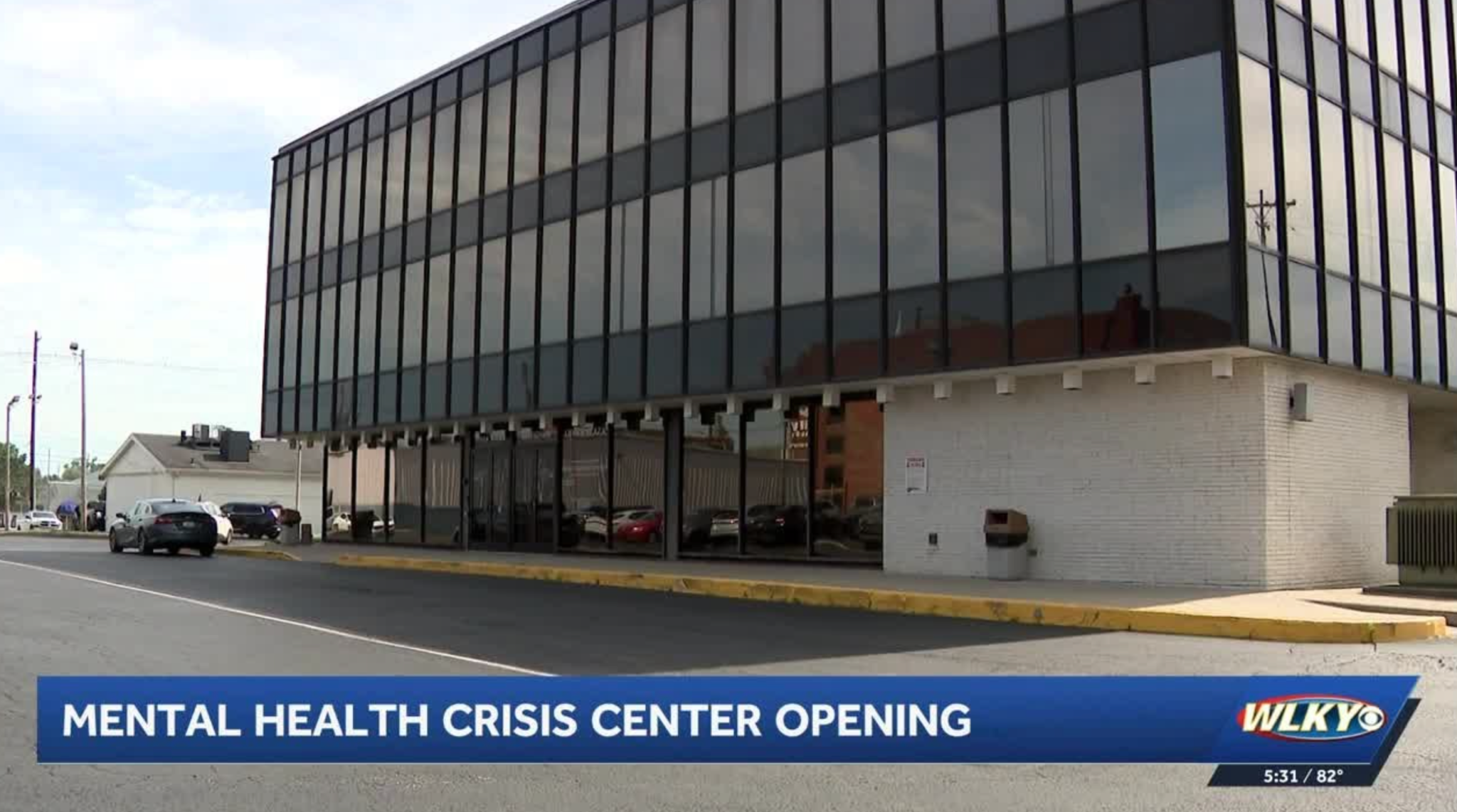
- In Louisville, Kentucky, First Mental Health Crisis Stabilization Center Opens, Giving People “A Place To Go That Isn’t A Jail Cell And It’s Not An Emergency Room.” For Spectrum News 1, Julia Narvaez Munguia reports that Louisville’s first mental health crisis center is now open, providing walk-in help during a mental health emergency “without waiting for an appointment or going to an emergency room.” Louisville Metro Police Department Deputy Chief Emily McKinley said officers previously faced the questions: “Can we take the person to jail? Has there been a crime committed? Can we take them to the hospital? … or do we leave them in the same circumstance that we found them?” Now, this center gives first responders a new place to take someone in the throes of a mental health crisis where they can receive mental health treatment. University of Louisville Associate Professor Brian Schaefer explained that option had been missing in the city: “that third leg, a place to go that isn’t a jail cell and it’s not an emergency room.”
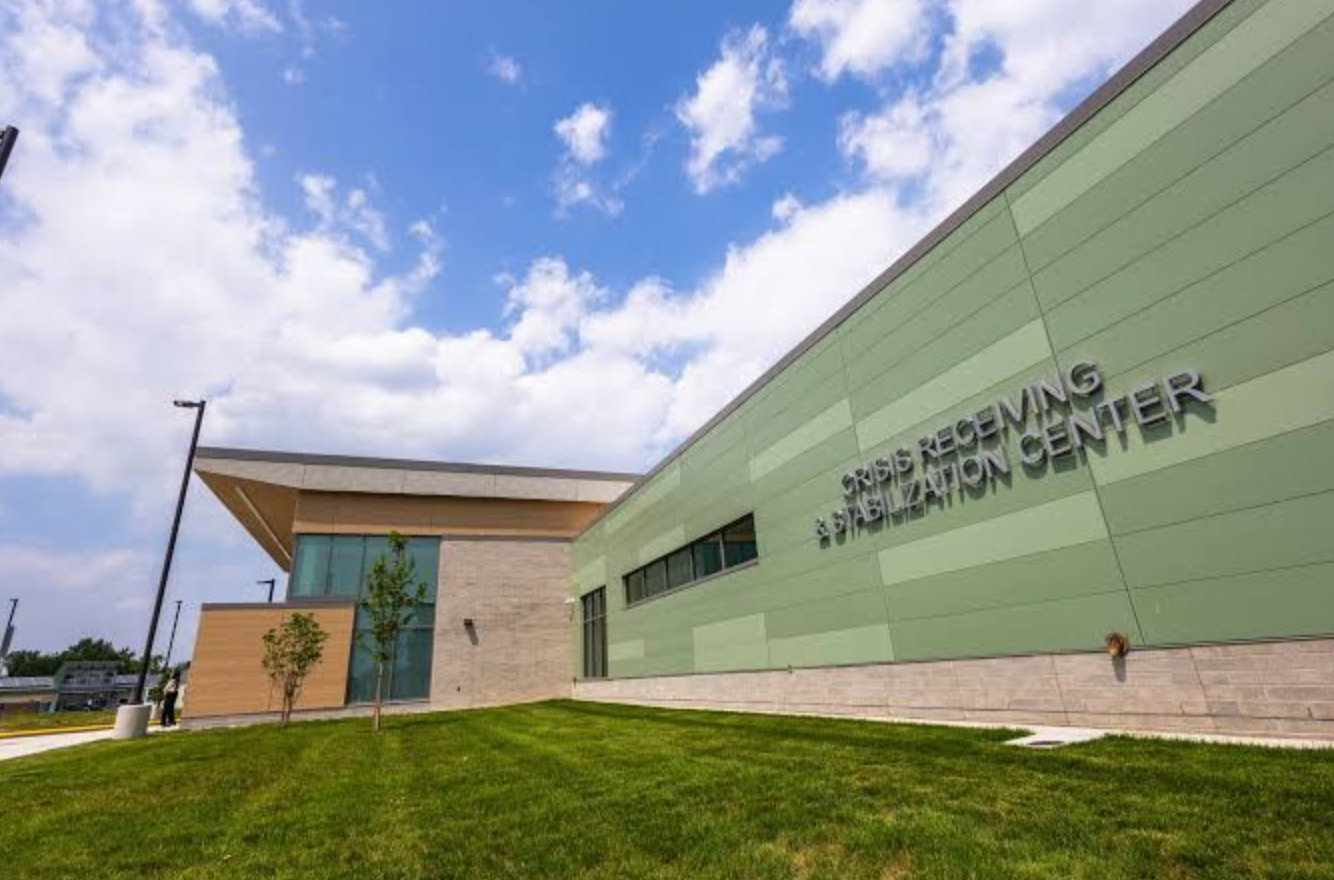
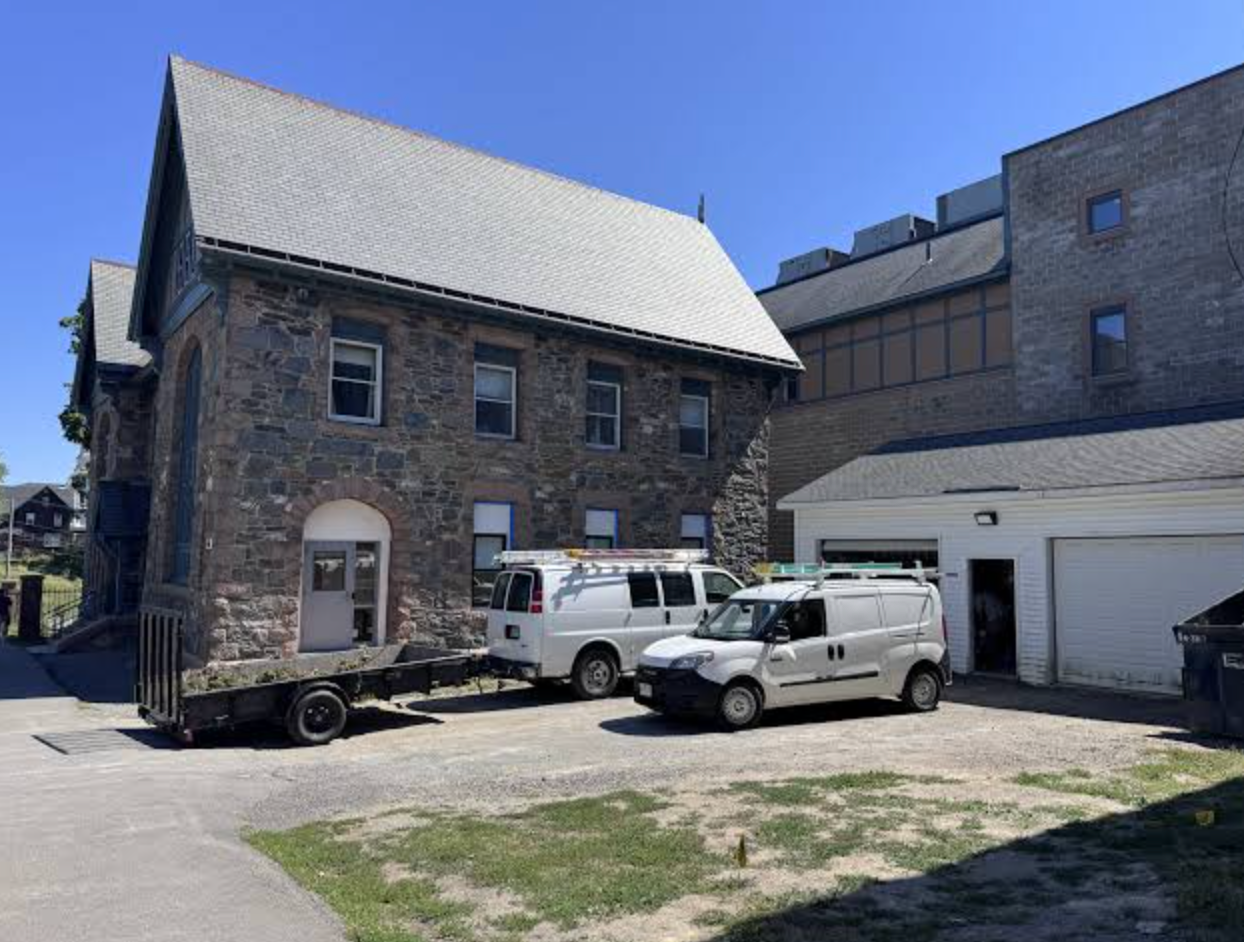
- In Loudoun County, Virginia, A New 24/7 Crisis Center Will Offer Urgent Psychiatric Care, 23-Hour Stabilization, And Short-Term Crisis Stays Under One Roof. Loudoun County announced the completion of its new 20,500-square-foot Crisis Receiving and Stabilization Center with “around-the-clock care for adults who are experiencing a behavioral health crisis.” The “no wrong door” facility will provide urgent psychiatric care, a 23-hour crisis assessment and stabilization unit and a short-term stay unit, with “no individual” turned away. The county says the center is designed to “close gaps created by a lack of sufficient access to public and private psychiatric hospitalization beds in Loudoun and across the Commonwealth.” Department Director Margaret Graham said the facility “enables us to care for those whose calls for help are not always heard.”