Overdose Response Teams intervene during a critical window after someone survives an overdose, providing immediate care while helping connect patients to treatment and other services.
Seattle Fire Department’s Post-Overdose Response Team, part of its Mobile Integrated Health program, responds to people who have experienced opioid overdoses as soon as possible after they have been resuscitated. On scene, the team can provide naloxone, harm-reduction information and immediate connections to providers and clinics, then follow up afterward with treatment options, transportation and help navigating medications and other services.
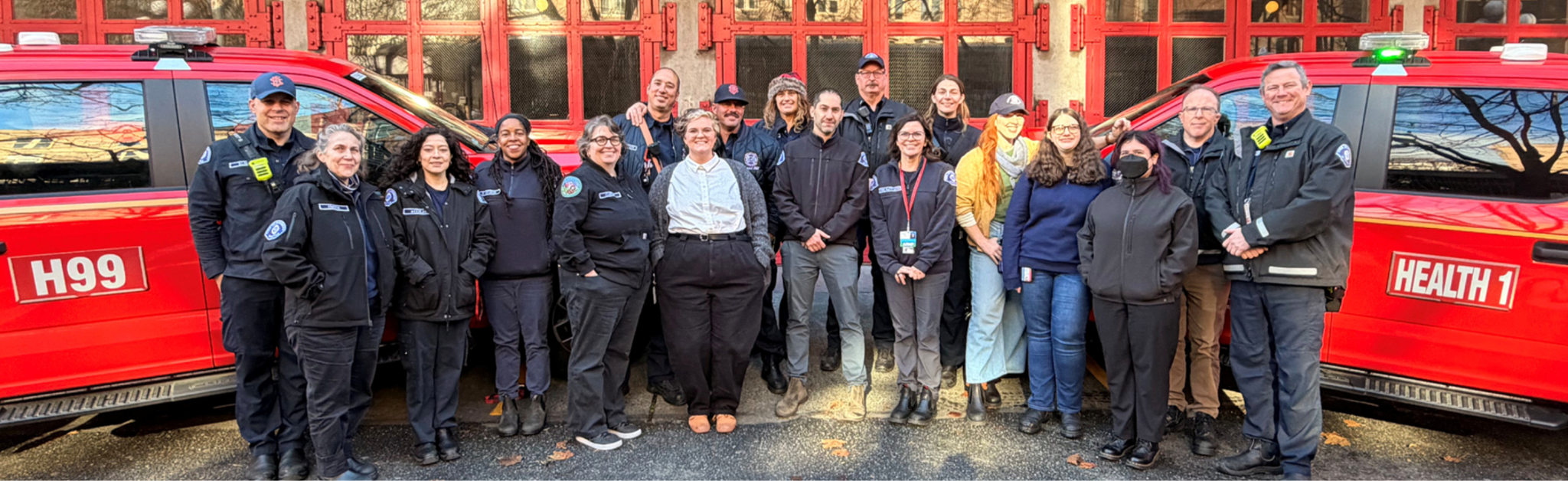
Safer Cities recently spoke with Jon Ehrenfeld, Program Manager for Seattle Fire Department Mobile Integrated Health, about how first responders can use the moments immediately following an overdose to build trust and help people take the next step toward treatment:
- On Getting The First Interaction Right: “Getting this first interaction right is absolutely critical and will set the stage for the entire rest of the encounter. When people wake up after a nonfatal overdose, they are often disoriented, sick, scared, and overwhelmed. … Many times we see patients immediately try to disengage and run away, no matter how sick they are, because of this reflex. I have seen patients still vomiting from their precipitated withdrawal running down the street just to get away. … If, however, you can minimize the crowding, arrange for a more gentle wake up, and have just one person (ideally a social worker or first responder with trauma-informed care training) engage with them, you have the opportunity to help lead them through this crisis and secure their buy-in for whatever services you may be able to offer.”
- On Building Trust Without Forcing A One-Size-Fits-All Response: “We meet the patient where they are at. Our case managers and firefighters have training in trauma-informed care, crisis intervention, and motivational interviewing. They move at the pace the patient feels ready for. This is to say, we do not have a standard ‘package’ of interventions we push on all patients in all situations. The person will determine what they are ready for and how deeply to engage. … Peer specialists are a widely recognized best practice in this area and peers can speak to our clientele on a different level than our practitioners. Peer-led services can help clientele overcome fear and distrust as they begin their recovery journey.”
- On Responding To The Acute Crisis And Returning To Treatment: “We must always balance the risk of harm (which in the case of overdose is potentially fatal) with the risk of retraumatization or the feeling of coercion on the part of the client. Our staff are skilled at pushing firmly but gently. This can take the form of multiple follow-up visits, exploring different team members who may develop different rapport, and exploration of what other services a client may be currently prioritizing above treatment. If, for instance, their primary focus is on shelter, we can assist them with the intention to reintroduce a discussion of opioid use disorder treatment at a later date. … Especially with the emergence of long-acting injectable buprenorphine treatment as a best practice, we take the time to educate clients about these options so they can make an informed decision. At all times, patience and understanding are paramount.”
3. Cities Building Crisis Stabilization Centers, A “Third Leg” For Mental Health Crises: “A Place To Go That Isn’t A Jail Cell And It’s Not An Emergency Room.”
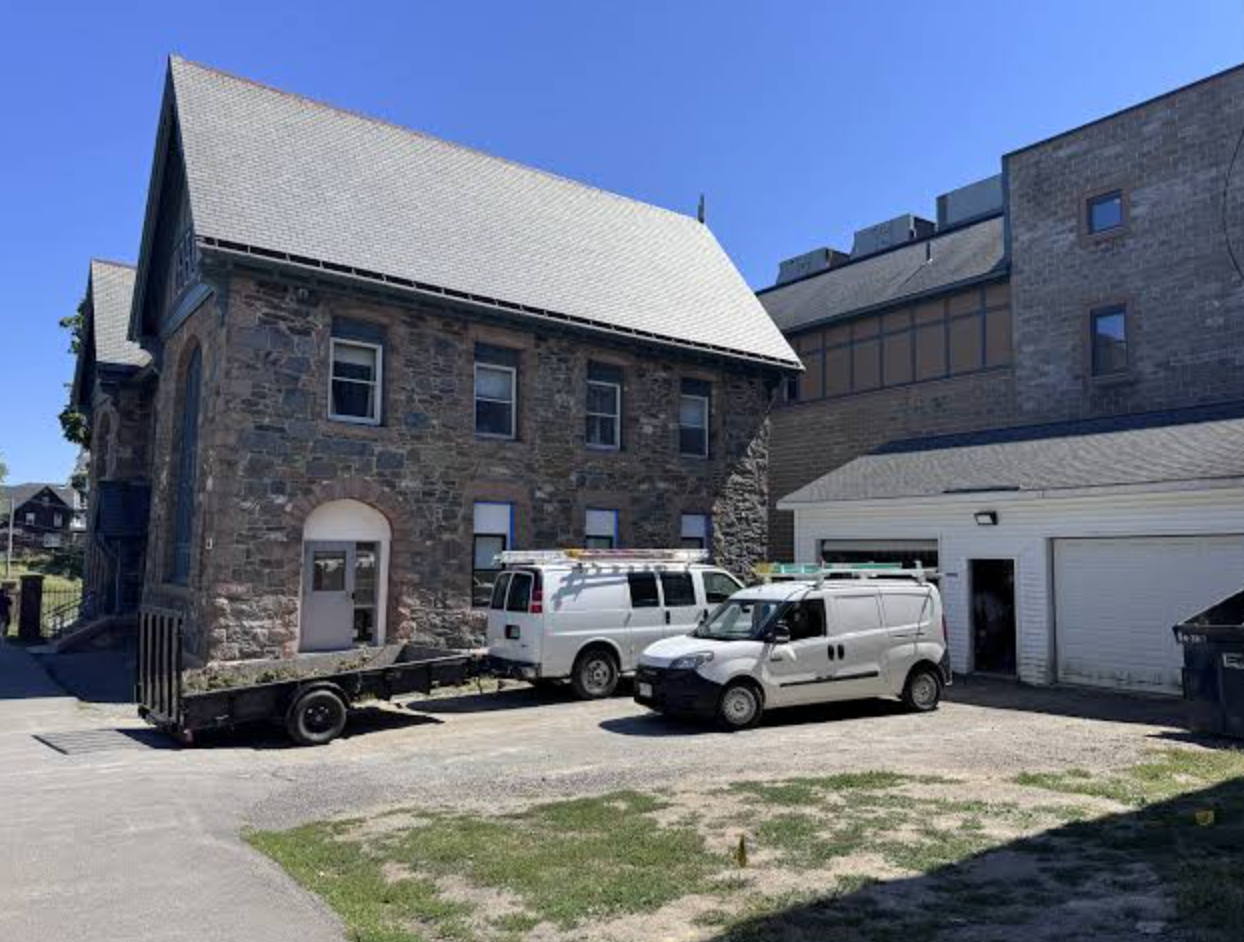
- In Bangor, Maine, New Crisis Stabilization Center Aims To Reduce Jail And Emergency Department Use While Connecting People To Behavioral Health Care. For WABI, Connor Magliozzi reports that a new crisis receiving center is opening to provide “immediate, low-barrier support” for people experiencing a mental health or substance use crisis. Crisis Services Manager Alexis Petterson said the goal is “reducing jail utilization, emergency department utilization, and getting folks connected with the mental health services they need in their community,” while maintaining “high collaborations with local law enforcement so that they’re able to come here instead of [jails, emergency rooms].” The center will use an “interdisciplinary team” of crisis workers, peer support specialists, nurses, psychiatric medication managers and clinicians, with plans to expand to 24/7 operations because “crisis doesn’t happen on a timeline.”
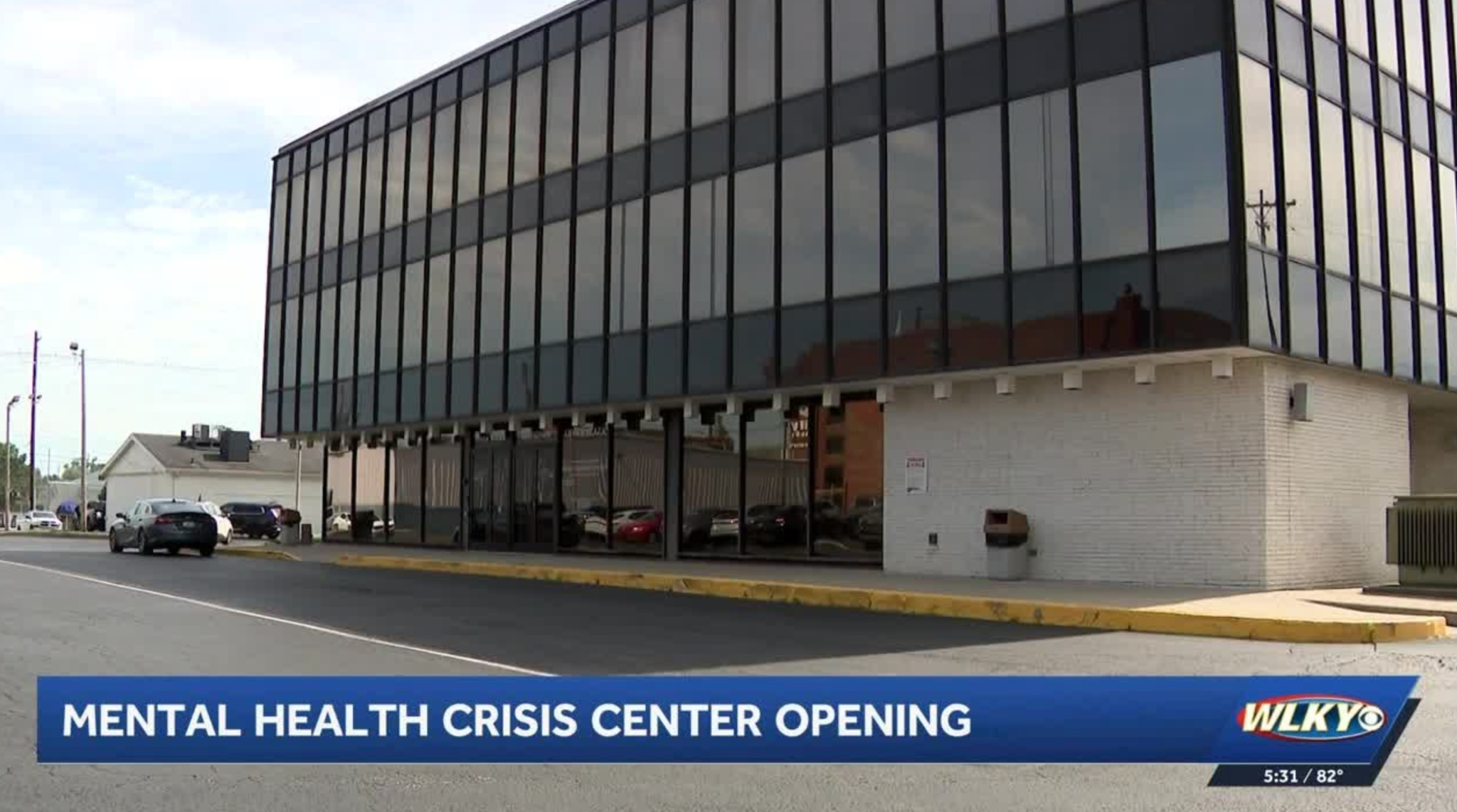
- In Louisville, Kentucky, First Mental Health Crisis Stabilization Center Opens, Giving People “A Place To Go That Isn’t A Jail Cell And It’s Not An Emergency Room.” For Spectrum News 1, Julia Narvaez Munguia reports that Louisville’s first mental health crisis center is now open, providing walk-in help during a mental health emergency “without waiting for an appointment or going to an emergency room.” Louisville Metro Police Department Deputy Chief Emily McKinley said officers previously faced the questions: “Can we take the person to jail? Has there been a crime committed? Can we take them to the hospital? … or do we leave them in the same circumstance that we found them?” Now, this center gives first responders a new place to take someone in the throes of a mental health crisis where they can receive mental health treatment. University of Louisville Associate Professor Brian Schaefer explained that option had been missing in the city: “that third leg, a place to go that isn’t a jail cell and it’s not an emergency room.”
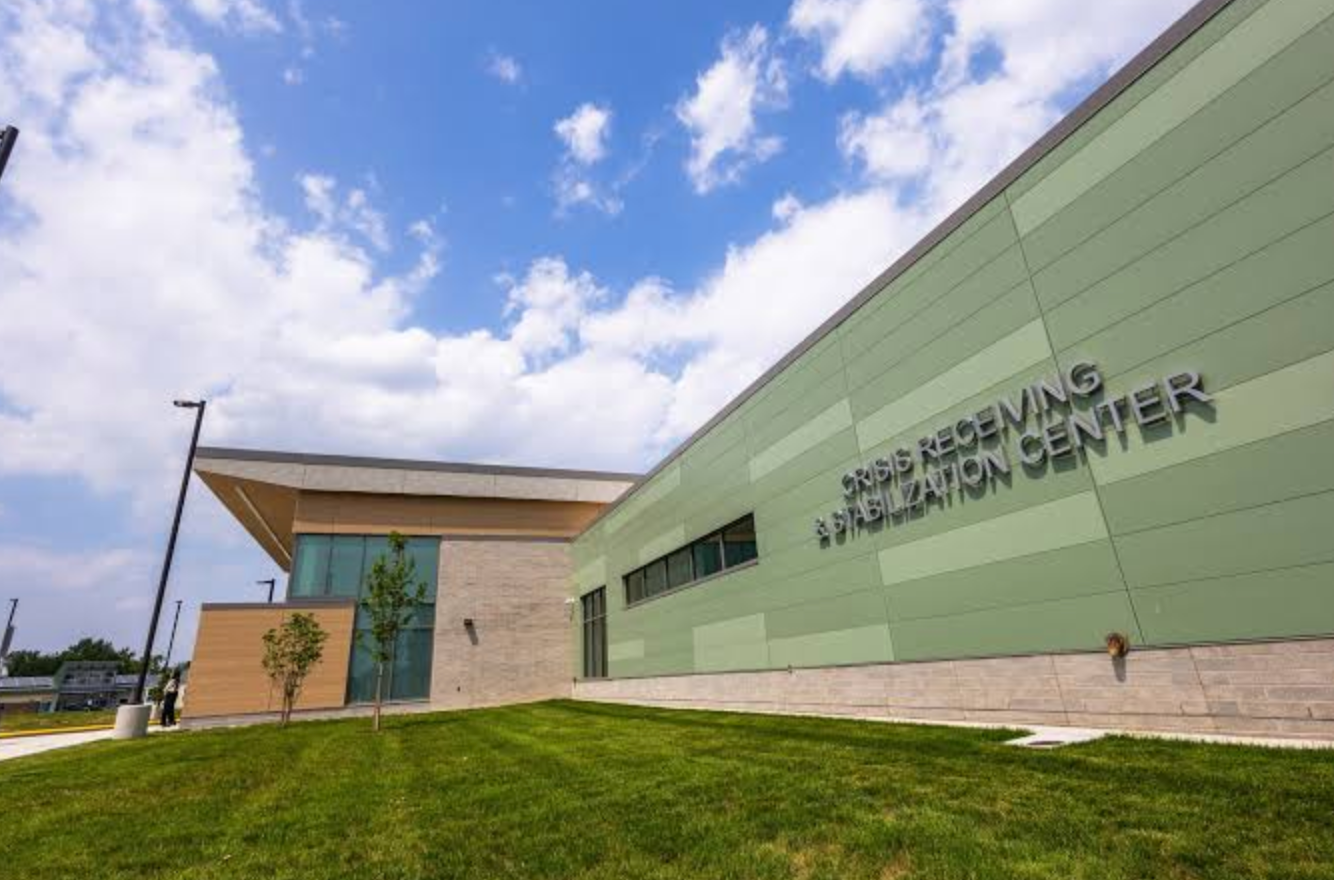
- In Loudoun County, Virginia, A New 24/7 Crisis Center Will Offer Urgent Psychiatric Care, 23-Hour Stabilization, And Short-Term Crisis Stays Under One Roof. Loudoun County announced the completion of its new 20,500-square-foot Crisis Receiving and Stabilization Center with “around-the-clock care for adults who are experiencing a behavioral health crisis.” The “no wrong door” facility will provide urgent psychiatric care, a 23-hour crisis assessment and stabilization unit and a short-term stay unit, with “no individual” turned away. The county says the center is designed to “close gaps created by a lack of sufficient access to public and private psychiatric hospitalization beds in Loudoun and across the Commonwealth.” Department Director Margaret Graham said the facility “enables us to care for those whose calls for help are not always heard.”