1. Study: Trauma Experts Recommend Hospital-Based Violence Intervention Programs To Help Prevent Violent Reinjury. A new meta-analysis published in the Journal of Trauma and Acute Care Surgery by a team of researchers from the Eastern Association for the Surgery of Trauma (EAST) examined a growing body of research comparing HVIPs with standard care and found enough evidence to recommend the programs as a strategy to help reduce violent reinjury in cities. The study updates EAST’s earlier 2016 assessment, when researchers said there was not yet enough evidence to recommend adult-focused HVIPs, but a decade of additional research has changed that view: “The field has advanced significantly since the prior EAST guideline,” the authors wrote, adding that “the findings suggest that HVIPs are associated with reduced risk of violent reinjury across diverse HVIP strategies.” The full paper is worth your time, but here are some key findings:
- HVIPs Significantly Reduced The Odds Of Violent Reinjury Across 10 Studies. In the review’s quantitative analysis, “HVIP programs demonstrated a significant reduction in injury recidivism, as compared with standard care, with [ patients in the programs experiencing about 40% lower odds of violent reinjury] using a random effects model.” The researchers’ leave-one-out sensitivity analysis found that “the exclusion of each study did not alter the direction of the effect…”
- More Robust Programs, And Stronger Engagement, May Produce Better Results. While the researchers caution that “some studies showed strong protective effects…” they found that “more robust programs had favorable effects” and that the evidence overall “further support[s] urban HVIPs for violent reinjury recidivism mitigation.” The authors conclude that HVIP success “likely depends not only on program components, including connections with the community and personnel, but also on program intensity and participant engagement.”
- Researchers Now Recommend HVIPs At Urban Trauma Centers With Substantial Violent Injury. Based on the accumulated evidence, the researchers “conditionally recommend HVIP programs in urban trauma centers with substantive violent injury in adult-only or mixed adult-pediatric populations in the United States or Canada for the prevention of violent injury recidivism.” The recommendation reflects what the authors describe as “the best available evidence related to HVIPs in urban hospitals in the United States and Canada.”
Momentum For Hospital-Based Violence Intervention Programs Across The Country:
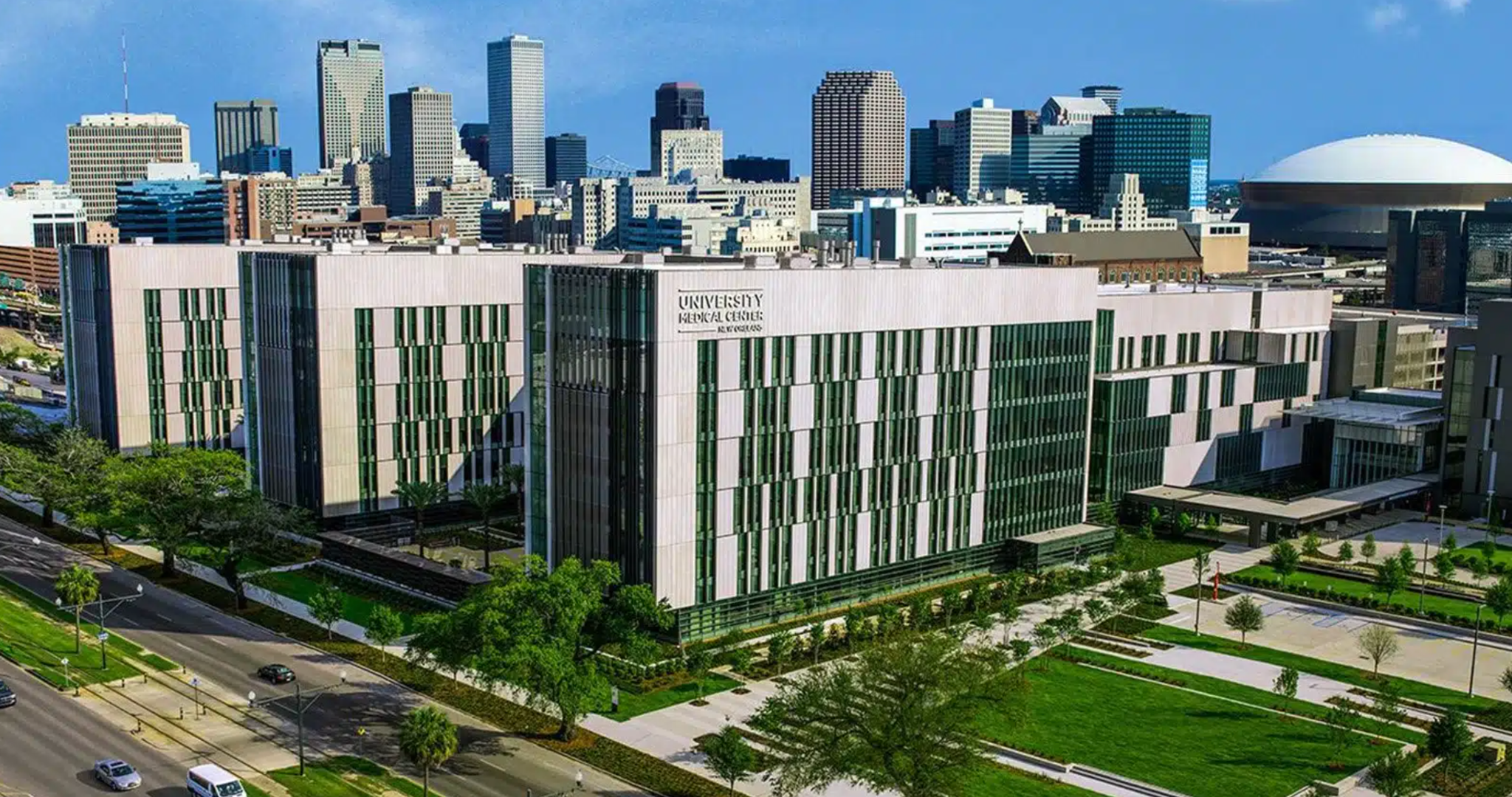
- In New Orleans Seeing “Encouraging Results” From Hospital-Based Violence Intervention Program. For Chief Healthcare Executive, Ron Southwick reports that University Medical Center New Orleans is “seeing encouraging results” from the violence intervention team that launched at the hospital about two years ago and “helps support victims and aims to help them recover and find a fresh start” from the moment they arrive at the hospital and after they return home. The team works alongside doctors and nurses, and program director Dr. Annelies De Wulf said having staff who can work with patients and families and “act almost as a liaison, has been incredible for reducing some of the hostility that can sometimes happen between medical teams and patients and their families.” De Wulf said the investment can pay off as well: hospitals “on average, recoup about 30% of the costs” of caring for gunshot victims, so “reducing even a few gunshot injuries in a year will pay off the program.”
- In Charlottesville, Virginia, New HVIP Supports Patients For Up To A Year After Discharge. For CBS19 News, Mark Gad reports that UVA Health “is taking a new approach to breaking the cycle of community violence through a new hospital-based violence intervention program designed to support victims long after they leave the hospital.” The program’s violence intervention specialists “meet with patients at bedside, offer emotional support… talk about how we can keep the patient safe, and then most importantly, how we can prevent re-injuring,” and can work with patients “up to a year after they discharge.” Specialists also help patients attend follow-up medical appointments and connect with community resources focused on long-term stability and safety. In a more recent report, Brittany Nash, a supervisor for the HVIP, explained to CBS19 that the team is also working with young people to stop conflicts from escalating: “The violence is a vicious cycle… [we] continuously check in with them just to help them be connected to whatever resources that they need.”
- In Louisville, Kentucky, HVIP Reached 83% Of Eligible Trauma Patients As Homicides And Shootings Fell In City. WAVE News reports that Louisville’s first annual Safe Louisville report highlights a “hospital-based violence intervention partnership with UofL Hospital’s Trauma Center,” where “83% of trauma patients injured by gunshots or stabbings tied to interpersonal violence were engaged with the program in 2025.” The partnership is part of a broader city strategy organized around “prevention, intervention and enforcement,” and the mayor’s office says Louisville saw a “22% decrease in homicides and a 28% drop in non-fatal shootings over the past year,” reaching “the lowest number of shootings in a decade.”
2. Safer Cities Interview With Brooklyn’s Supportive Crisis Stabilization Center. Crisis stabilization centers give people experiencing an acute mental health or substance use crisis a place to receive immediate care outside of a hospital emergency department or jail. In Brooklyn, Services for the UnderServed’s Supportive Crisis Stabilization Center provides a “calm, living-room-style environment” where adults, youth and families can receive support from mental health professionals, nurses and peer specialists 24 hours a day, seven days a week.
The center provides peer support, therapeutic interventions, triage and assessment, observation, care coordination, and discharge and aftercare planning, along with a place for people to rest and stabilize. S:US also operates a crisis residence program offering short-term, voluntary, home-like stays for adults experiencing emotional distress.

Safer Cities recently spoke with Dr. Nadjete Natchaba, chief program officer for the group, about how the center provides a 24/7 alternative to emergency rooms and jails, and how it stabilizes people and connects them to ongoing treatment.
- On Providing A 24/7 Alternative To The ER, Jail For People In A Mental Health Crisis: “Emergency rooms, inpatient units, and law enforcement play important roles, but they are often focused on medical emergencies, hospitalization, or public safety. Many people in crisis need something different: a safe place to decompress, compassionate support, and immediate access to caring professionals who can help them regain stability and determine the next step in their recovery journey.
[The Center] fills that gap by providing a 24/7, walk-in alternative where care, connection, and stabilization are the primary response. Individuals can walk in on their own or be referred by family members, providers, community partners, or first responders… Rather than defaulting to hospitalization or criminal justice involvement, we offer a calm, recovery-oriented environment where people can feel safe, heard, and supported. Our goal is to intervene early, reduce unnecessary emergency room visits and hospital admissions, and connect individuals to the services, treatment, and community supports they need to move forward with dignity and hope.”
- On What Happens Once Inside The Center: “When someone arrives at the Supportive Crisis Stabilization Center, they are welcomed by a peer specialist and quickly connected with a nurse and clinician who assess their immediate needs and help determine the right level of support. Care may include crisis intervention, therapeutic support, peer counseling, and connections to treatment and community resources. We also address basic needs by providing meals, a place to rest, shower and laundry facilities, and comfortable clothing, because stabilization begins with helping people feel safe, comfortable, and cared for… individuals can stay for up to 24 hours in a calm, recovery-oriented environment… Before someone departs, we work closely with them to connect them to treatment, crisis residences, or other community resources so they leave with hope, support, and a path forward.”
- On Getting Results Out Of The Right Combination Of Staff With Clinical Expertise, Lived Experience: “The strength of our program lies in this interdisciplinary approach, which combines clinical expertise, crisis assessment skills, and lived experience to ensure people receive the right support when they need it most. By bringing these perspectives together, we can make individuals feel comfortable, understood, and connected to the appropriate care. Beyond training and credentials, what makes someone good at this work is their ability to combine clinical skill with compassion, empathy, and respect for each person’s dignity and self-determination.
The best staff members make people feel seen, heard, understood, and validated, especially during moments of crisis. They approach assessments as conversations rather than interrogations, creating space for trust, connection, and hope. Their calm presence, nonjudgmental approach, and genuine belief in a person’s ability to recover help individuals feel safe, welcome, and supported from the moment they walk through the door.”

3. Cities Expand The Reach And Role Of Safety Ambassadors, The “Boots On The Ground” Downtown.
- Sioux Falls, South Dakota, Expands Reliance On Downtown Ambassador Team, Assigning Ambassadors More Safety And Homeless Outreach Work. Pigeon605 magazine reports on the city’s increasing reliance on the downtown ambassador team to handle more responsibilities around the city, and the results are already showing in the latest city data: in the third quarter of the year, the ambassador team has already responded to nearly 30% more calls for service than during all of 2025. Police Sgt. Jason Montgomery explained that the ambassadors are an increasingly important part of the public safety infrastructure of the city: “They’re a set of human eyes and ears… when something needs attention downtown — a cleanup, a safety concern, a visitor looking for directions or someone who might need help getting connected to services” the ambassadors are there to respond.
James Krueger, the chair of the downtown group that oversees the ambassador team, told the magazine that the team has received additional training and is now “more ingrained” into the city so that now “in place of police being the only option, ambassadors are trained to deal with the transient population in nonemergency situations… they are the boots on the ground… this program has been wildly successful and has exceeded any expectations we’ve had.”
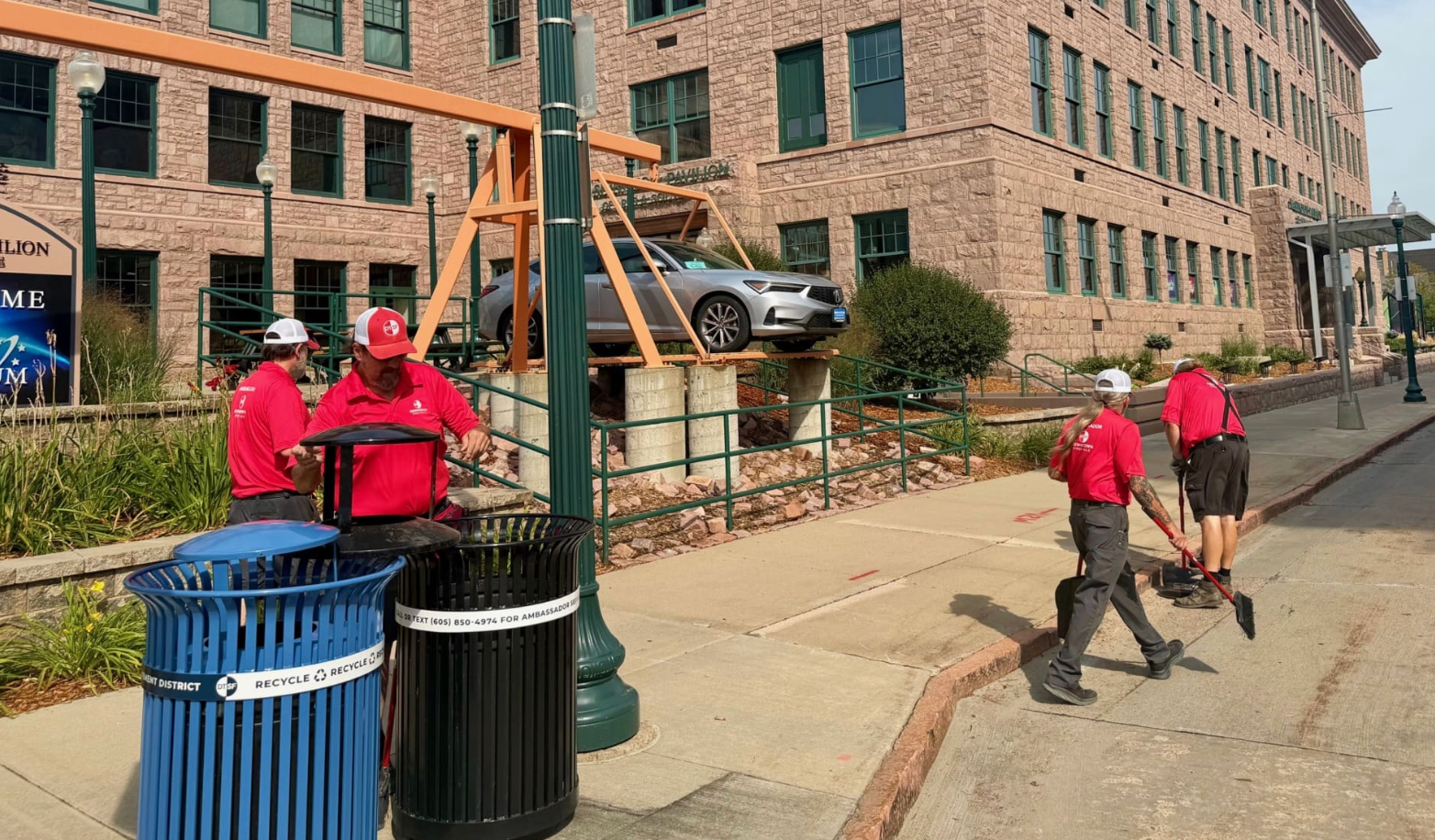
- In Atlanta, Ambassador Team Celebrates 30 Years Of Service And Expanded Role That Combines Safety, Cleaning, And Homeless Outreach. For WSBTV, Sabrina Castro reports on the city’s celebration of the anniversary of the team’s launch “three decades after the [ambassadors] first hit the streets around the 1996 Olympics.” Now, the unit, which the city has expanded into three discrete divisions, “focused on keeping Downtown Atlanta clean, safe and welcoming.” Safety Ambassadors “greet visitors, residents and workers, provide directions… patrol parking areas” and help with public safety calls for service; Clean Ambassadors “pick up trash, remove graffiti [and] pressure wash public spaces.” While Outreach Ambassadors work with people experiencing homelessness, “connecting them with resources, case management, [transportation, and] family reunification and housing placements.”

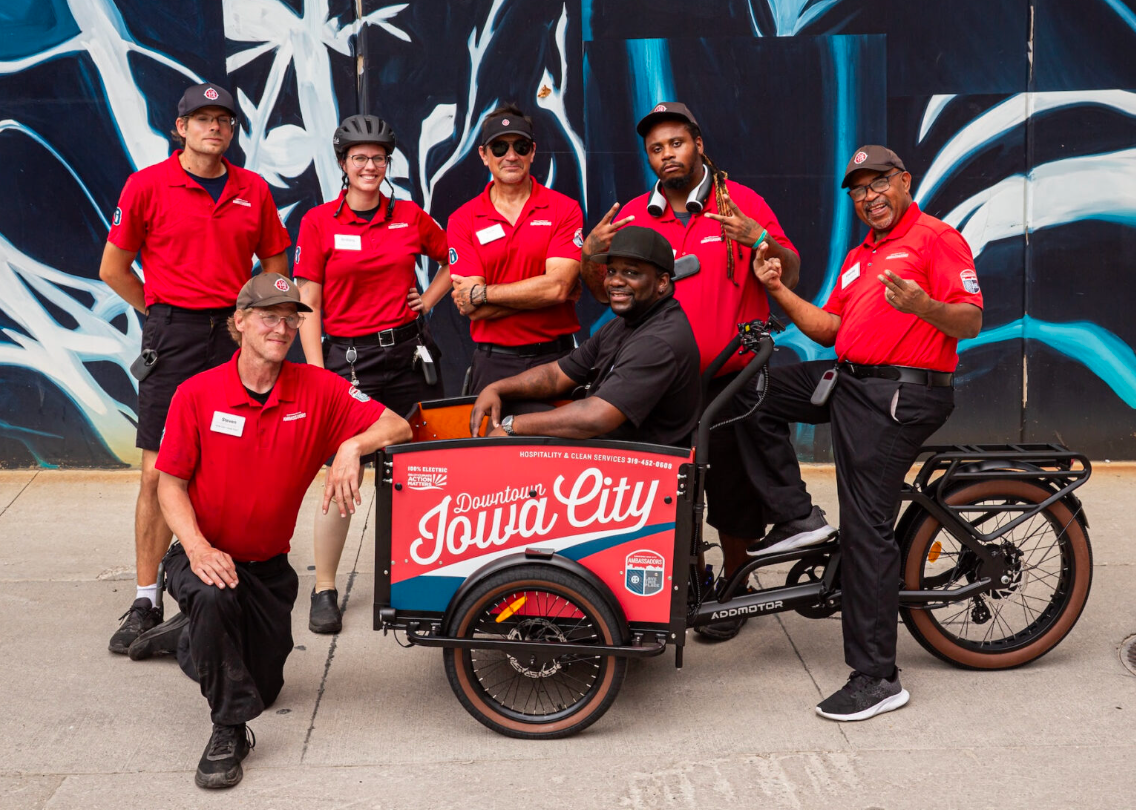
- In Iowa City, Downtown Ambassadors Add Cargo Bikes To Cover More Ground And Respond Faster. The Corridor Business Journal reports on the city’s Downtown Ambassadors team’s funding expansion that the city is investing into cargo bikes designed to help “Ambassadors cover more ground while maintaining the program’s welcoming, human-centered presence downtown.” Launched in 2024, the program’s ambassadors work to “keep the downtown district clean and welcoming,” traveling more than 500 miles each month across the downtown area while carrying pressure washers, sanitizing equipment and other supplies. Demand for ambassadors “and the work they do has risen,” and Place Management Director Ian Dunbar said the cargo bikes will help the team “reach more of the district [and] respond faster to requests.”