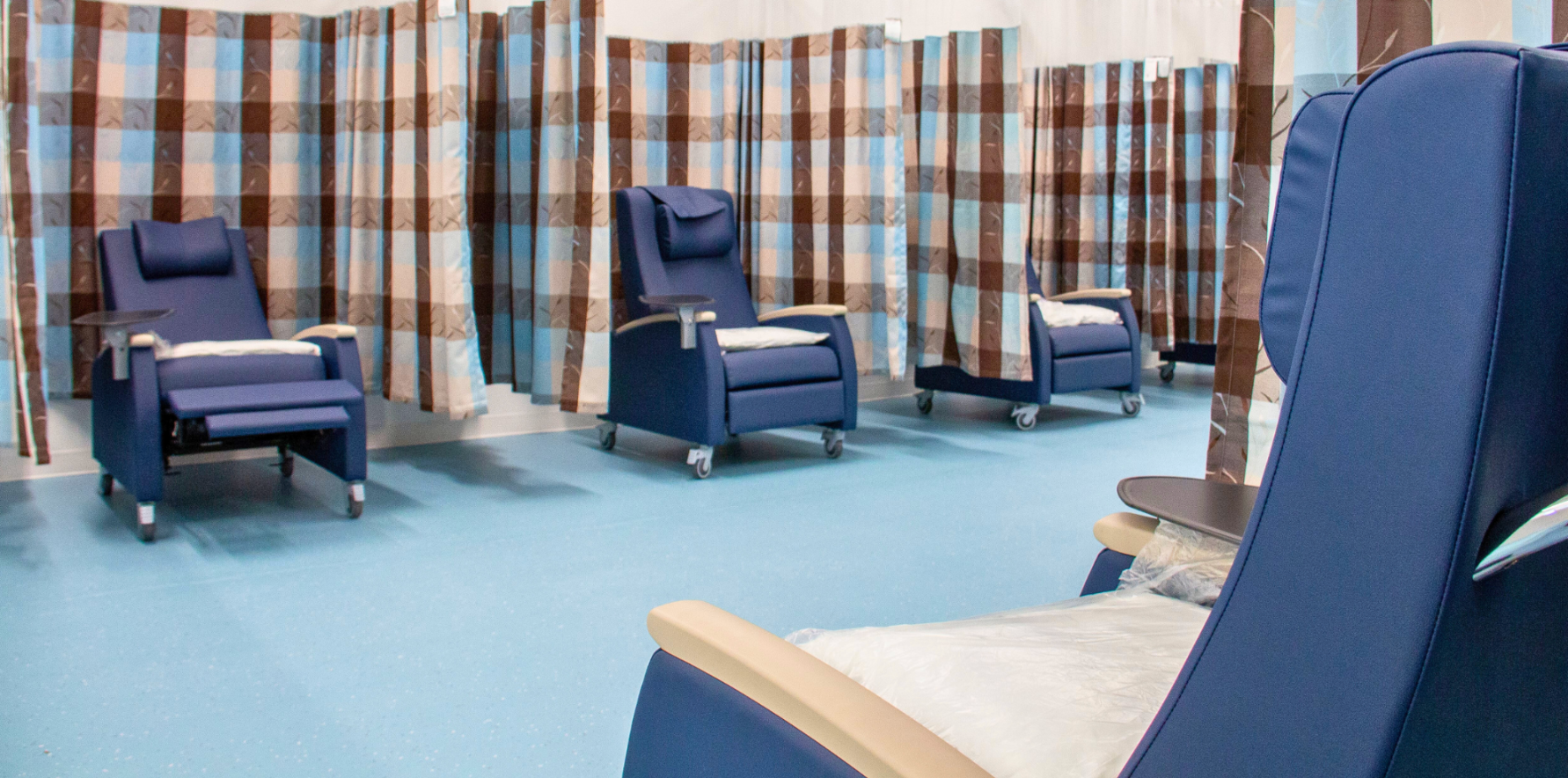
Crisis stabilization centers give people experiencing an acute mental health or substance use crisis a place to receive immediate care outside of a hospital emergency department or jail. In Brooklyn, Services for the UnderServed’s Supportive Crisis Stabilization Center provides a “calm, living-room-style environment” where adults, youth and families can receive support from mental health professionals, nurses and peer specialists 24 hours a day, seven days a week.
The center provides peer support, therapeutic interventions, triage and assessment, observation, care coordination, and discharge and aftercare planning, along with a place for people to rest and stabilize. S:US also operates a crisis residence program offering short-term, voluntary, home-like stays for adults experiencing emotional distress.

Safer Cities recently spoke with Dr. Nadjete Natchaba, chief program officer for the group, about how the center provides a 24/7 alternative to emergency rooms and jails, and how it stabilizes people and connects them to ongoing treatment.
- On Providing A 24/7 Alternative To The ER, Jail For People In A Mental Health Crisis: “Emergency rooms, inpatient units, and law enforcement play important roles, but they are often focused on medical emergencies, hospitalization, or public safety. Many people in crisis need something different: a safe place to decompress, compassionate support, and immediate access to caring professionals who can help them regain stability and determine the next step in their recovery journey.
[The Center] fills that gap by providing a 24/7, walk-in alternative where care, connection, and stabilization are the primary response. Individuals can walk in on their own or be referred by family members, providers, community partners, or first responders… Rather than defaulting to hospitalization or criminal justice involvement, we offer a calm, recovery-oriented environment where people can feel safe, heard, and supported. Our goal is to intervene early, reduce unnecessary emergency room visits and hospital admissions, and connect individuals to the services, treatment, and community supports they need to move forward with dignity and hope.”
- On What Happens Once Inside The Center: “When someone arrives at the Supportive Crisis Stabilization Center, they are welcomed by a peer specialist and quickly connected with a nurse and clinician who assess their immediate needs and help determine the right level of support. Care may include crisis intervention, therapeutic support, peer counseling, and connections to treatment and community resources. We also address basic needs by providing meals, a place to rest, shower and laundry facilities, and comfortable clothing, because stabilization begins with helping people feel safe, comfortable, and cared for… individuals can stay for up to 24 hours in a calm, recovery-oriented environment… Before someone departs, we work closely with them to connect them to treatment, crisis residences, or other community resources so they leave with hope, support, and a path forward.”
- On Getting Results Out Of The Right Combination Of Staff With Clinical Expertise, Lived Experience: “The strength of our program lies in this interdisciplinary approach, which combines clinical expertise, crisis assessment skills, and lived experience to ensure people receive the right support when they need it most. By bringing these perspectives together, we can make individuals feel comfortable, understood, and connected to the appropriate care. Beyond training and credentials, what makes someone good at this work is their ability to combine clinical skill with compassion, empathy, and respect for each person’s dignity and self-determination.
The best staff members make people feel seen, heard, understood, and validated, especially during moments of crisis. They approach assessments as conversations rather than interrogations, creating space for trust, connection, and hope. Their calm presence, nonjudgmental approach, and genuine belief in a person’s ability to recover help individuals feel safe, welcome, and supported from the moment they walk through the door.”