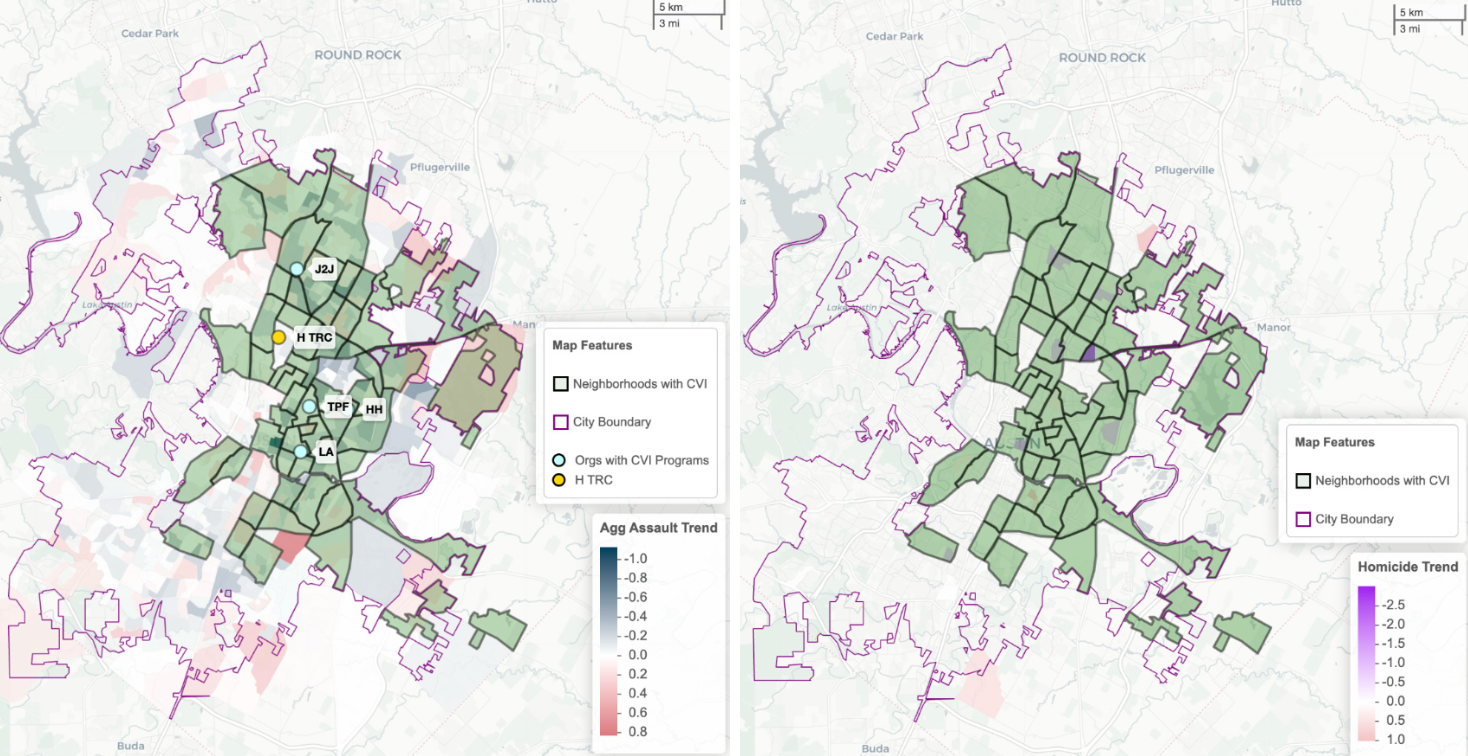
1. Study: Austin Neighborhoods With Community Violence Intervention Programs Experienced Steeper Declines In Violent Crime. A new report released by Austin Public Health’s Office of Violence Prevention examined Austin’s decline in violent crime between 2021 and 2025, using Austin Police Department data across 559 census block groups and mapping those trends against neighborhoods served by the city’s various CVI teams. Citywide, aggravated assault fell an average of 27% and homicide fell 12.1%, with the analysis finding the reductions were “widespread rather than isolated to a small number of areas” and no evidence that violence was simply displaced to neighboring communities. Most notably, researchers found that areas served by CVI programs experienced significantly steeper declines in both aggravated assault and homicide than areas outside their reach. The full report is worth your time, but here are some of the key findings:
- Nearly All Of Austin’s Steepest-Declining Areas Had A CVI Presence. “Of the [census] block groups with the steepest declines in crime … 97% of them had CVI programs and 93% of them were within 3 miles … of a CVI address.” Researchers also ran 1,000 simulations in which CVI presence was randomly assigned; “only 4.3%” produced a significant relationship between CVI and crime trends. The authors write that the observed pattern, “given all the spatial constraints of our datasets, cannot be explained by random chance alone,” and that their analyses provide “enough volume of signals to make this correlation worth pursuing.”
- Austin’s CVI Teams Stop Violence Before It Occurs. CVI “relies on trusted community members, often people directly impacted by violence themselves, to reach those at highest risk of committing or being harmed by it.” CVI responders “mediate conflicts before they escalate, prevent retaliation and re-victimization, and help high-risk individuals find stability through connections to counseling, housing, and employment.” In Austin, organizations have spent years “working with hundreds of at-risk youth and their families” and assisting residents with housing, employment and counseling — the kind of “durable, relationship-based work” that the report says forms “the foundation on which their crisis response capacity rests.”
- Austin Has Also Integrated CVI Teams Into Its Response To Major Shootings. After a March mass shooting killed three people and injured thirteen, outreach workers from multiple CVI teams “were called into the city’s victim’s assistance center… [which] appears to be among the first of its kind documented in the country.” The organizations “worked to tamp down unverified rumors circulating on the street, helped lower tensions, and began connecting with victims,” while the city’s Trauma Recovery Center provided crisis counseling and longer-term support. The report says the response showed how organizations could apply skills developed through years of neighborhood violence intervention “to a high-profile mass-casualty event.”
Momentum For CVI Programs Around The Country:
- New York City’s Cure Violence Programs Linked To Major Declines In Shootings And Serious Conflicts. For The Trace, Fairriona Magee reports on a study that estimated 1,300 shootings were avoided between 2012 and 2023 because of the Cure Violence model, while earlier research found gun injuries fell 37% in the Bronx and 50% in Brooklyn. Alaa Moussawi, a data scientist who co-authored the research, said the findings demonstrate that CVI programs “are something that we should be looking into and potentially investing more into.” The earlier research also found that shooting victimizations fell 63% around the Bronx’s Save Our Streets program, while areas with Cure Violence experienced a 33% decline in serious disputes, compared with 12% in areas without similar programs. John Jay College violence prevention researcher Sheyla Delgado said intervening in those lower-level conflicts can help programs “become more successful in avoiding more serious conflicts.”
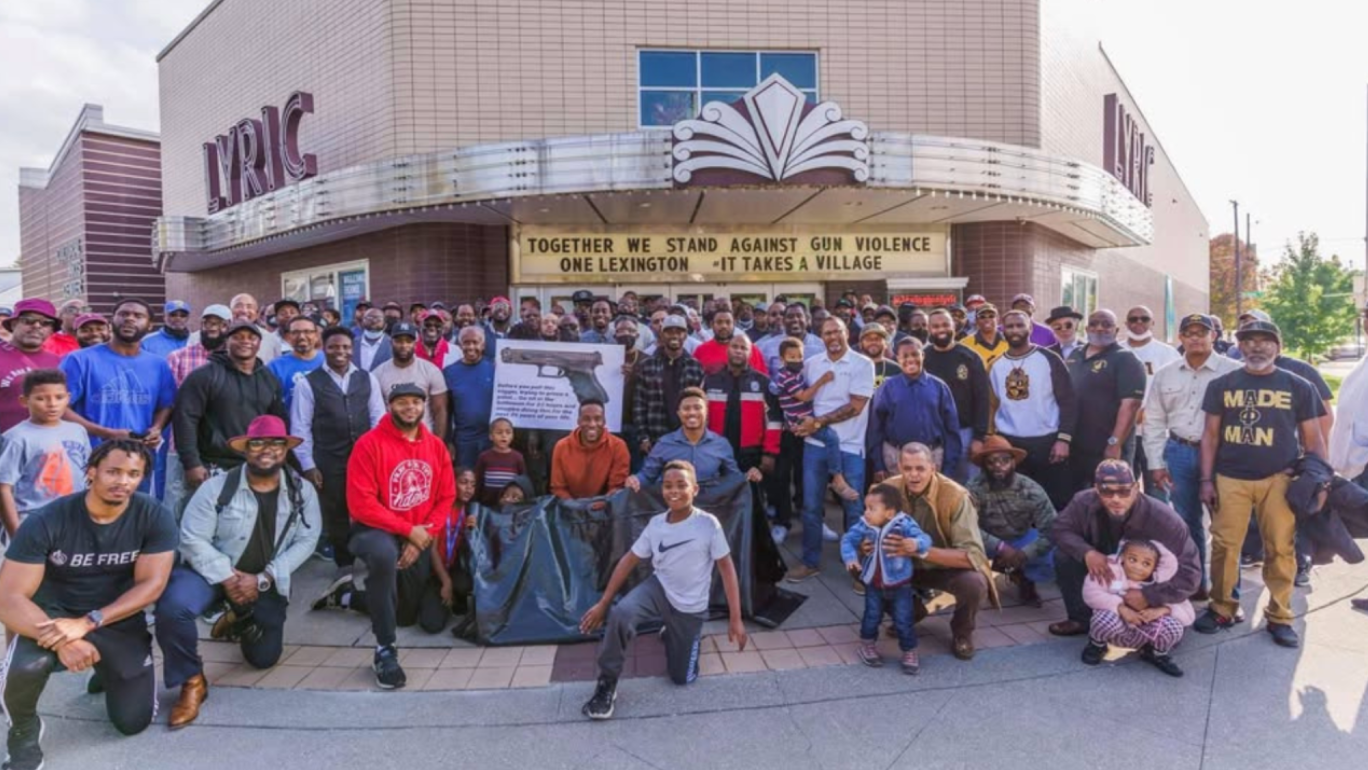
- Lexington Reports 60% Drop In Gun Violence As ONE Lexington Expands Violence Prevention Efforts. NBC’s local affiliate in Lexington reports that the city is expanding its community violence intervention and prevention efforts following a 60% reduction in overall gun violence during the program’s four years of operation. Through the first seven months of 2026, the city recorded two gun-related homicides, compared with 12 during the same period last year and a four-year average of 13. City leaders credit its approach to CVI, which brings together public safety agencies, faith leaders, nonprofits, schools, survivors, businesses and community members to address violence. Representatives from Wilmington, Fort Wayne and Cincinnati have since met with the team “to learn more about Lexington’s violence prevention strategies and community violence intervention model.”
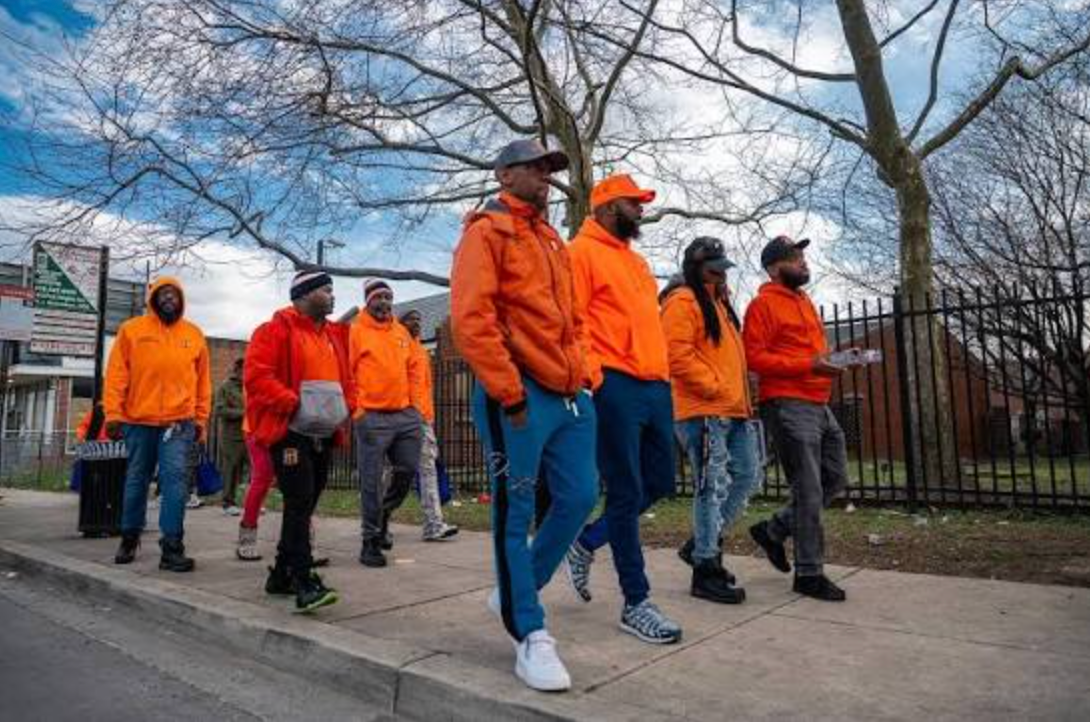
- Baltimore Safe Streets Site Passes 400 Days Without A Homicide As CVI Network Credited With Citywide Violence Declines. For WMAR 2 News, Travis Case reports Safe Streets Baltimore’s McElderry Park catchment area has gone 403 days without a homicide, the second time the site has surpassed one year without a homicide, as city leaders laud the city’s broader community violence intervention program for contributing to the success. Mayor Brandon Scott called the milestone “a testament to what is possible when we put those closest to the pain in our communities at the heart of our solutions,” adding that Safe Streets and Baltimore’s CVI ecosystem are “undoubtedly helping to drive the historic reductions in homicides and nonfatal shootings… ” The McElderry Park site recorded more than 358 successful mediations and 29 community events over the past year; across all 10 Safe Streets sites, violence interrupters intervened in more than 1,752 potentially violent conflicts last year and completed 780 successful mediations so far in 2026.
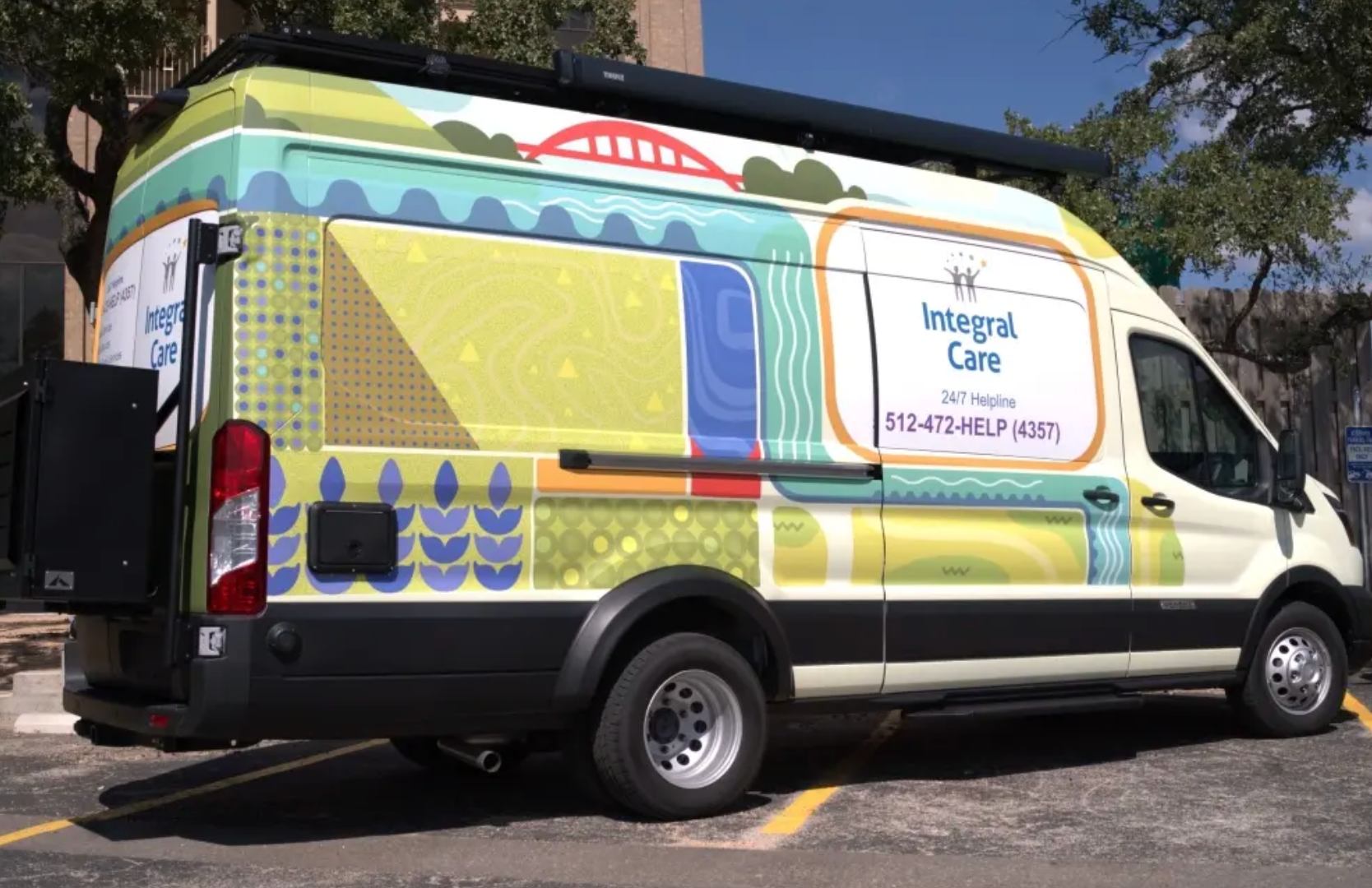
2. Safer Cities Interview With Austin’s Expanded Mobile Crisis Outreach Team. Mobile Crisis Response Teams are composed of behavioral health experts and crisis intervention specialists that 911 operators can dispatch, instead of armed law enforcement officers, to most mental health-related calls for service. One of the nation’s longest-running examples is Austin and Travis County’s Expanded Mobile Crisis Outreach Team (EMCOT), operated by Integral Care, which has responded to people experiencing psychiatric crises since 2013.
EMCOT clinicians can take behavioral health calls directly from Austin’s 911 center, resolve crises over the phone, dispatch mobile clinicians when an in-person response is needed, and provide community-based follow-up for up to 90 days, according to the Council of State Governments Justice Center’s review of the program. Since 2021, Austin’s 911 operators have also offered callers a fourth response option: “mental health services,” alongside police, fire and EMS, allowing eligible calls to be transferred directly to an embedded EMCOT clinician who can assess what kind of response is needed.
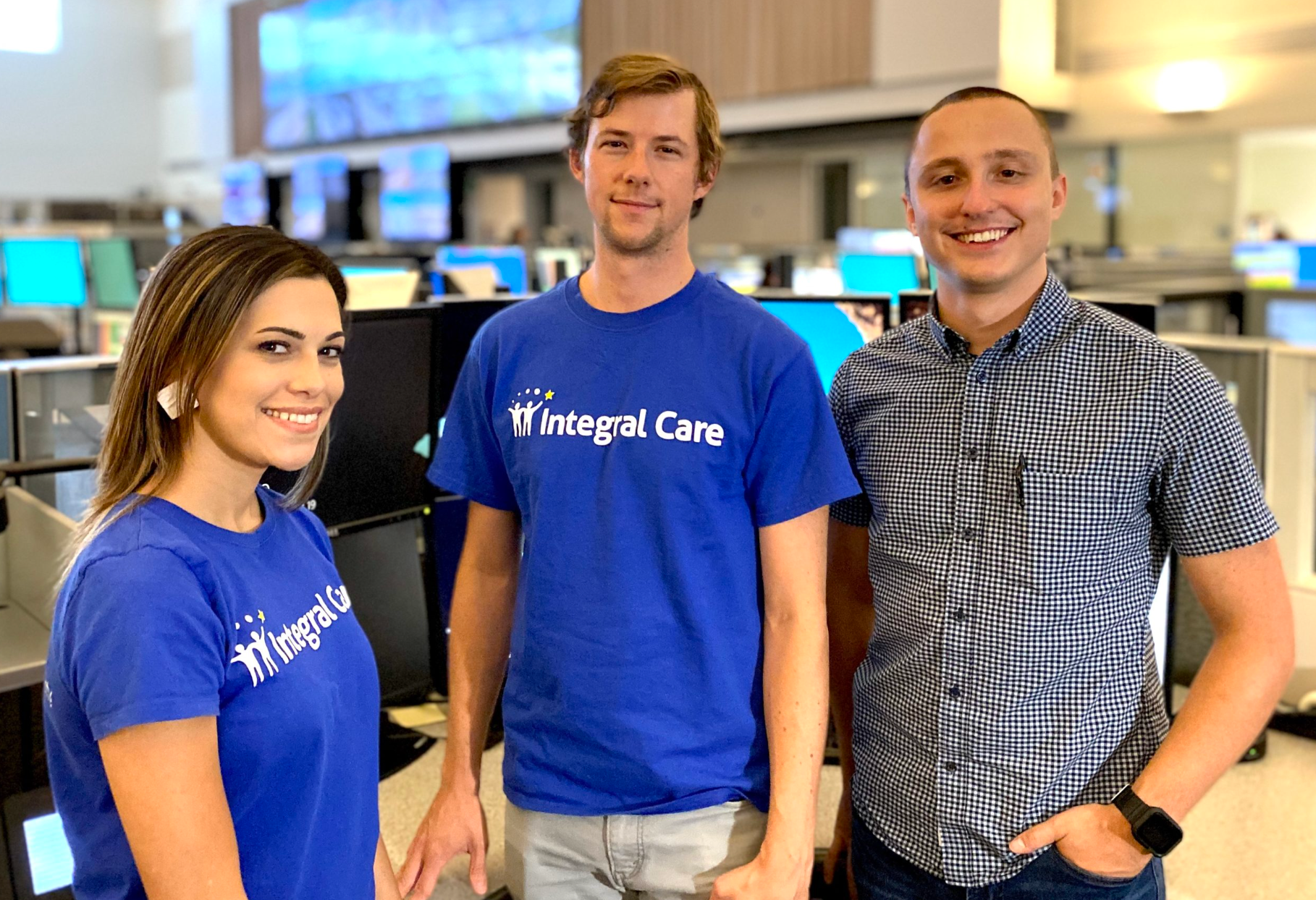
A recent study in Psychiatric Services found the program “significantly reduced the probability of a [peace officer emergency detention] … [by] 43.2%, and the probability of an arrest … [by] 37.5%,” with researchers attributing those results largely to clinicians’ success in resolving eligible crises themselves—either over the phone or by dispatching a mobile crisis team—before a police response was needed.
Safer Cities recently spoke with Marisa Malik, Director of Crisis Services and Justice Initiatives at Integral Care, about what makes EMCOT work:
- On Giving Mental Health Calls A Specialized 911 Response: “In December 2019, EMCOT clinicians began taking mental health calls directly on the 911 call center floor. In February 2021, APD’s 911 call script added a fourth option: ‘Do you need police, fire, EMS, or mental health services?’ Callers who select mental health services are routed directly from an APD 911 operator to an EMCOT clinician, who triages the call, provides de-escalation, and dispatches a field team when needed… Often, [] clinicians resolve the crisis on the phone. The program’s goal is to resolve a mental health crisis without police involvement, whether that happens over the phone with an Integral Care clinician or through a clinician responding directly to the person in crisis…
In FY25, [] clinicians handled 3,851 calls through the 911 call center, diverting 91% from a police response. That same year, the EMCOT Field Response Team responded to 3,331 dispatches from first responders and [911 clinicians]. Of those, 100% were diverted from arrest, 84% were diverted from a Peace Officer’s Emergency Detention (POED), and 98% were diverted from an emergency department admission.”
- On Supporting People Through The Full Arc Of A Crisis: “EMCOT provides community-based follow-up for up to 90 days after the initial crisis assessment, supporting the individual through the full arc of the crisis episode and helping secure a lasting connection to ongoing behavioral health services. Follow-up—including counseling, case management, medical provider assessments, medication management, and living-skills training—happens entirely in the community, never in a clinic setting. Services meet the client where they choose: at home, at school, at work, or somewhere as simple as a coffee shop or restaurant, depending on their preference… This continued support helps individuals avoid a repeat crisis, reducing the likelihood of future episodes by pairing treatment with ongoing support and ensuring each person has a treatment team already in place as they move out of crisis.”
- On Matching Each Crisis To The Right Responder: “Behind every crisis call is a layered decision tree that determines who responds… [911 clinicians] handle what can be safely resolved by phone: calls with no imminent safety risk, callers who respond to de-escalation, or routine follow-up contacts. When a call needs more than that, when the situation can’t be safely assessed over the phone, or when someone needs an in-person clinical determination [911 clinicians] escalate to an EMCOT field dispatch… Public safety and medical status shape what that field response looks like.
When a public safety concern or medical emergency is identified, EMCOT doesn’t respond alone: law enforcement and EMS co-respond alongside EMCOT clinicians, or arrive first and request EMCOT once the scene is safe or the person is medically stable. That sequencing keeps clinicians from walking into unassessed danger, and keeps police and paramedics from having to make a behavioral health determination on their own once their part of the response is complete.”
3. Sobering Centers Expanding Access To Treatment While Reducing Reliance On Jails And ERs.
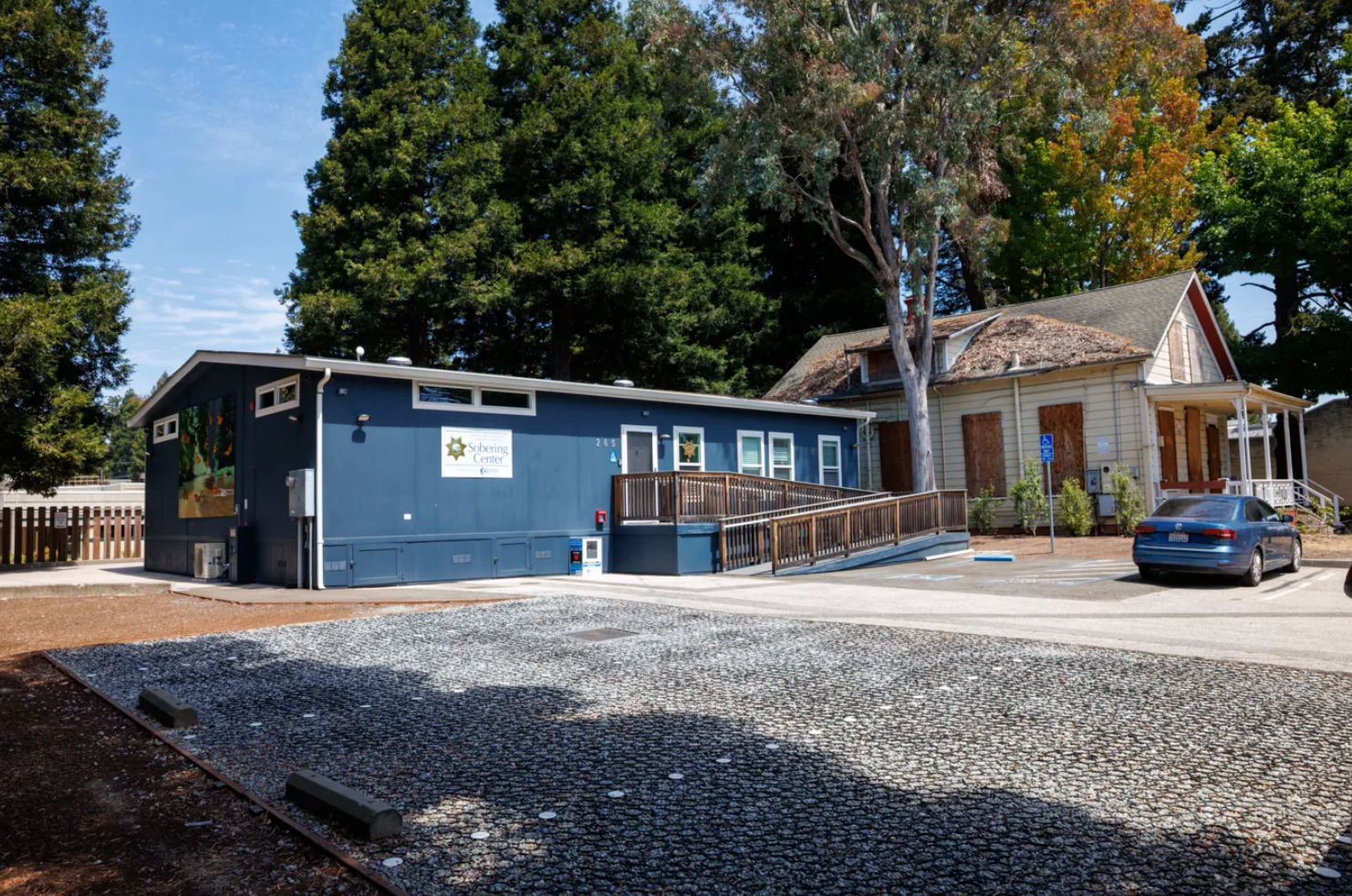
- Santa Cruz County Sheriff Calls Sobering Center “A Huge Piece” Of Effort To Break Cycle Of Incarceration. For Lookout Santa Cruz, Dieter Holger reports that the Santa Cruz County Sheriff Chris Clark says the county’s 24/7 Sobering Center is “a huge piece” of an effort to give officers alternatives to incarceration for people struggling with substance use. Clark said law enforcement has “leaned into a public-health approach to drugs instead of a criminal one,” asking, “How do we look at working with other partners and getting others engaged to prevent this cycle of incarceration?” Amber Williams, the CEO of the organization that runs the sobering center, explained to the news site that “it’s no surprise” that overdose deaths began declining the same year the facility reopened in 2024. Marni Sandoval, the county’s behavioral health director and champion of the facility, echoed those sentiments, saying that the facility is “what we’re doing and investing in and committed to [because it] is working.”
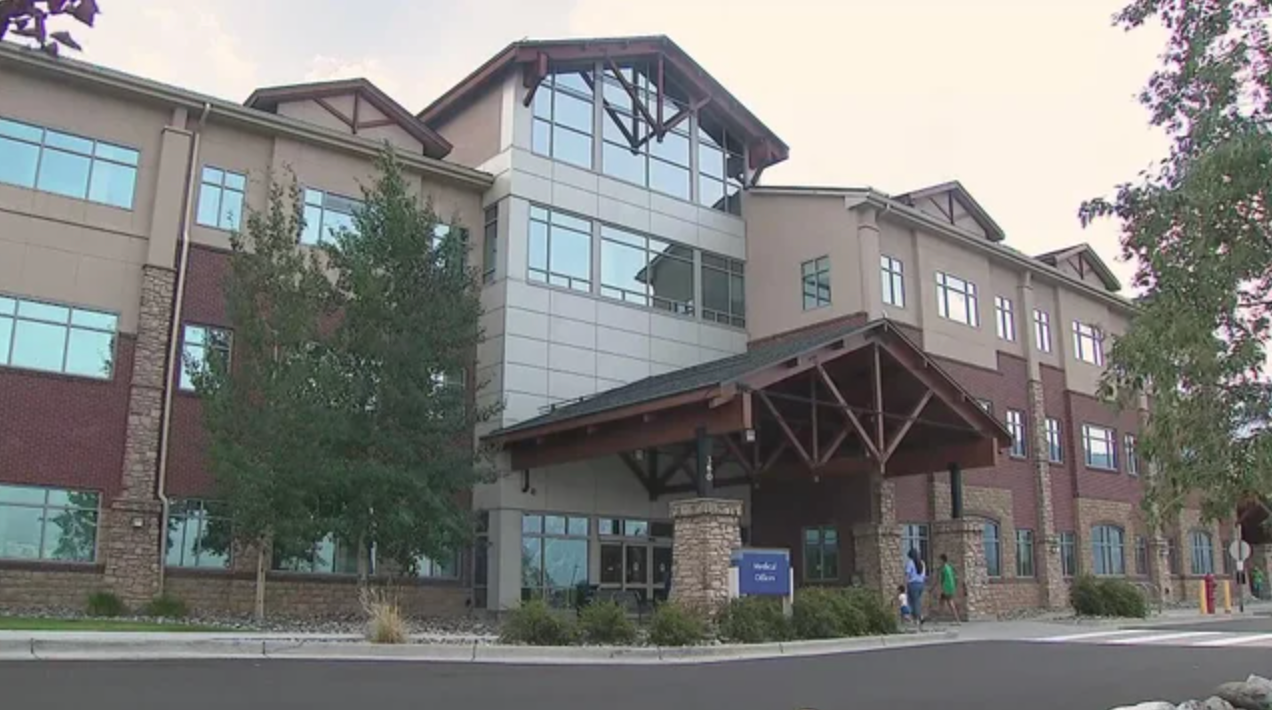
- Summit County, Colorado, Opens 24/7 Sobering And Behavioral Health Walk-In Center. For CBS Colorado, Spencer Wilson reports on the mountain county’s new 24/7 sobering center where people can walk in without an appointment for immediate help with substance use, withdrawal symptoms, mental health crises and other behavioral health needs, regardless of medical coverage. The center provides withdrawal management alongside counseling and connections to housing, food and other community services, with follow-up after discharge to help people stay connected to longer-term care. Samantha Archuleta, chief clinical director for the health group that oversees the center, described the facility’s full-service approach to the news station: “This is a place where we’re just like, ‘Just come’ … Just walk in, and we will figure it out and help you.”
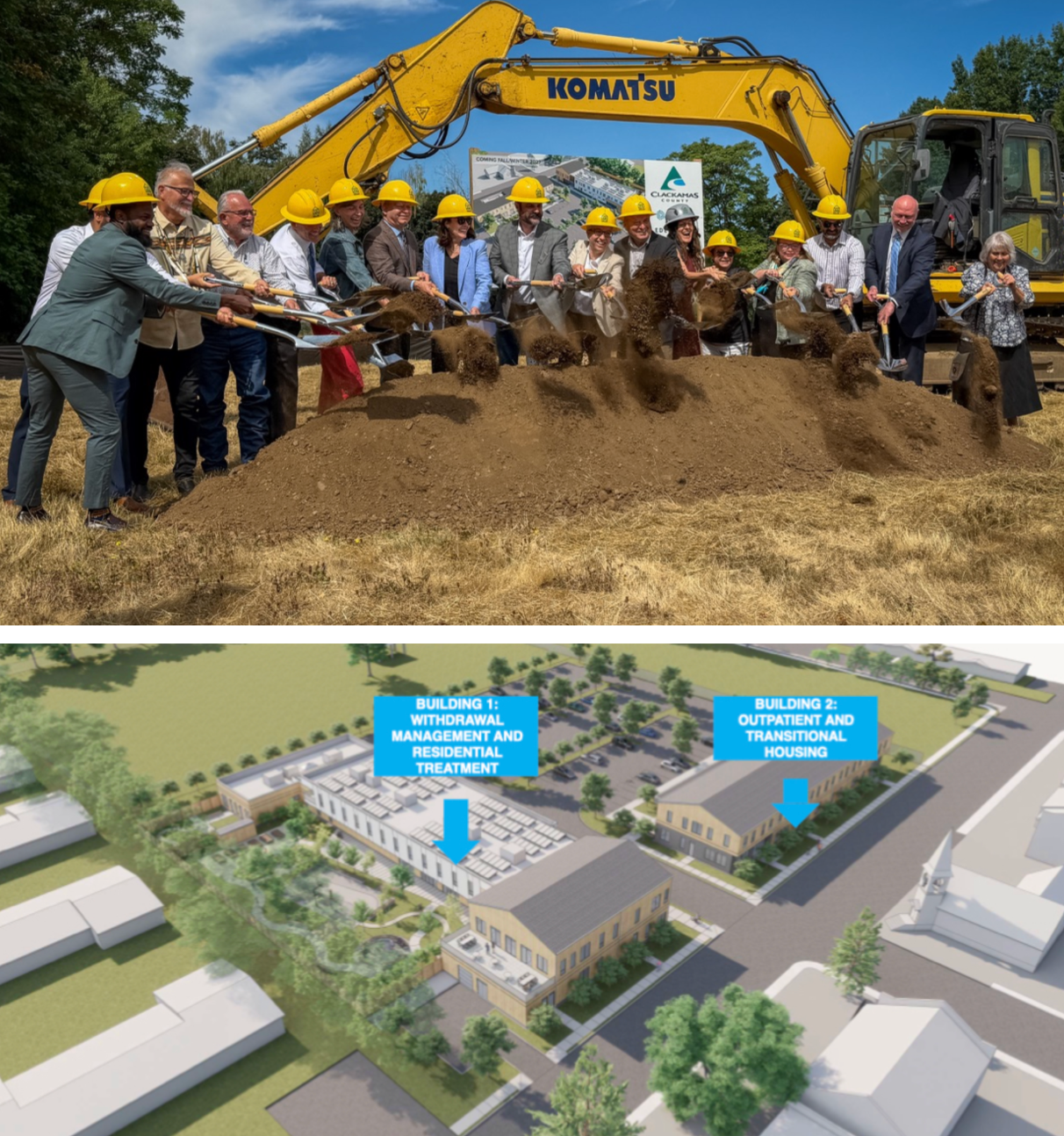
- Clackamas County, Oregon, Breaks Ground On New 76-Bed Sobering And Recovery Campus. Clackamas County announced it has broken ground on a new recovery campus for adults with substance use disorders that will provide withdrawal management, stabilization, mental health and residential treatment, medication-assisted treatment, care coordination and peer support. The campus will add new treatment beds and transitional housing, while accepting referrals from hospitals, families and law enforcement and helping reduce “inappropriate placement in jails and emergency rooms.” Gov. Tina Kotek said the campus “will save lives and provide hope for so many,” while County Commissioner Ben West called it the “crown jewel of the county’s recovery-oriented system of care,” adding that on-site transitional housing will help people “build their recovery capital and re-enter the community.”