1. Study: Law Enforcement Officers Say Mental Health Crises Are “So Much Bigger Than Us” And Point To A Need For Expanded Mental Health And Treatment Options In Their Communities. In a new study published in the Journal of Police and Criminal Psychology, researchers at the University of Alabama and University of Virginia Medical Center explored how law enforcement officers (LEOs) experience behavioral health crisis calls and how prepared they feel to respond. The qualitative study brought together active-duty officers from multiple jurisdictions for five focus groups, asking about crisis calls, training, needed resources and alternative response models, and analyzing the conversations for recurring themes. The researchers note that the findings highlight “LEOs’ perceptions of inadequate community mental health resources and treatment accessibility,” which they say signals “potential support within the LEO community for increasing access to community-based behavioral health crisis resources.” The full study is worth your time but here are some of the topline findings from law enforcement:
- Officers said the problem extends beyond their role and expertise. “The issue is so much bigger than us … police officers are not social workers, we’re not psychiatrists. We’re police officers. We’re dealing with crimes. But they’ve put all this stuff on law enforcement.” Another officer added: “At the end of the day, mental health calls, there’s not much criminal going on with it.”
- Officers explained that their options are often limited once they arrive at a mental health call for service. “On most [non-mental health related] calls you have a way to solve it—take them to jail, separate them, do a report for them. But for a mental health call, what can you do? And your options are very limited. Like, there’s not beds available. There’s not a mental health provider that can see them that day or even sometimes that week or that month.”
- They described law enforcement response to mental health-related calls as a temporary intervention, not a lasting solution. “Police are a band-aid to these situations. We’re sort of there to fix the immediate problem or do our best to calm it down and deescalate the situation as best we can. But frequently you are coming right back. You’re going to deal with some of the same folks over and over again.”
Cities And States Expanding Mental Health And Treatment Options, While Reducing Strain On Law Enforcement And Jails, Around The Country With:
- Mobile Crisis Response Teams—Lincoln County, Oregon’s Mobile Crisis Team Supports Mental Health, “Lightens Load For Hospitals, Law Enforcement.” The News Guard reports that Mobile Crisis “reduce[s] the burden on law enforcement and at times can help prevent unnecessary arrests for mental health crises.” Mobile Crisis Supervisor Shandi Hoey said that previously, when officers had limited options and could not stabilize someone, “the person could end up in jail—even when the underlying issue was related to their mental health.” Now, she said, responders can step in and say, “‘We’ve got it from here’ … this allows officers to return to their responsibilities while we take the lead.” The team was dispatched more than two hundred times when it first launched during the final three months of 2025 and provides every person who completes a crisis assessment up to 72 hours of follow-up support, NBC16 reports.
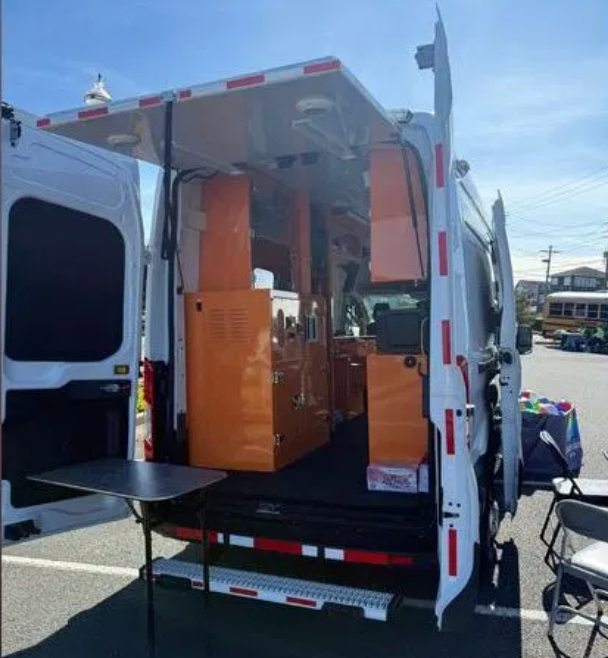
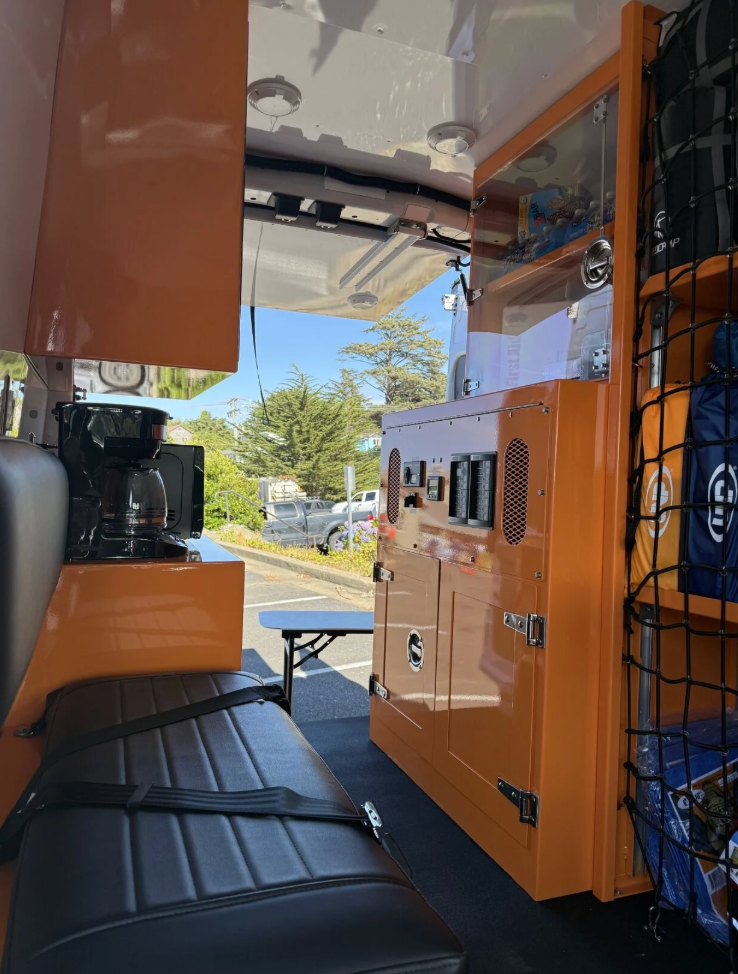
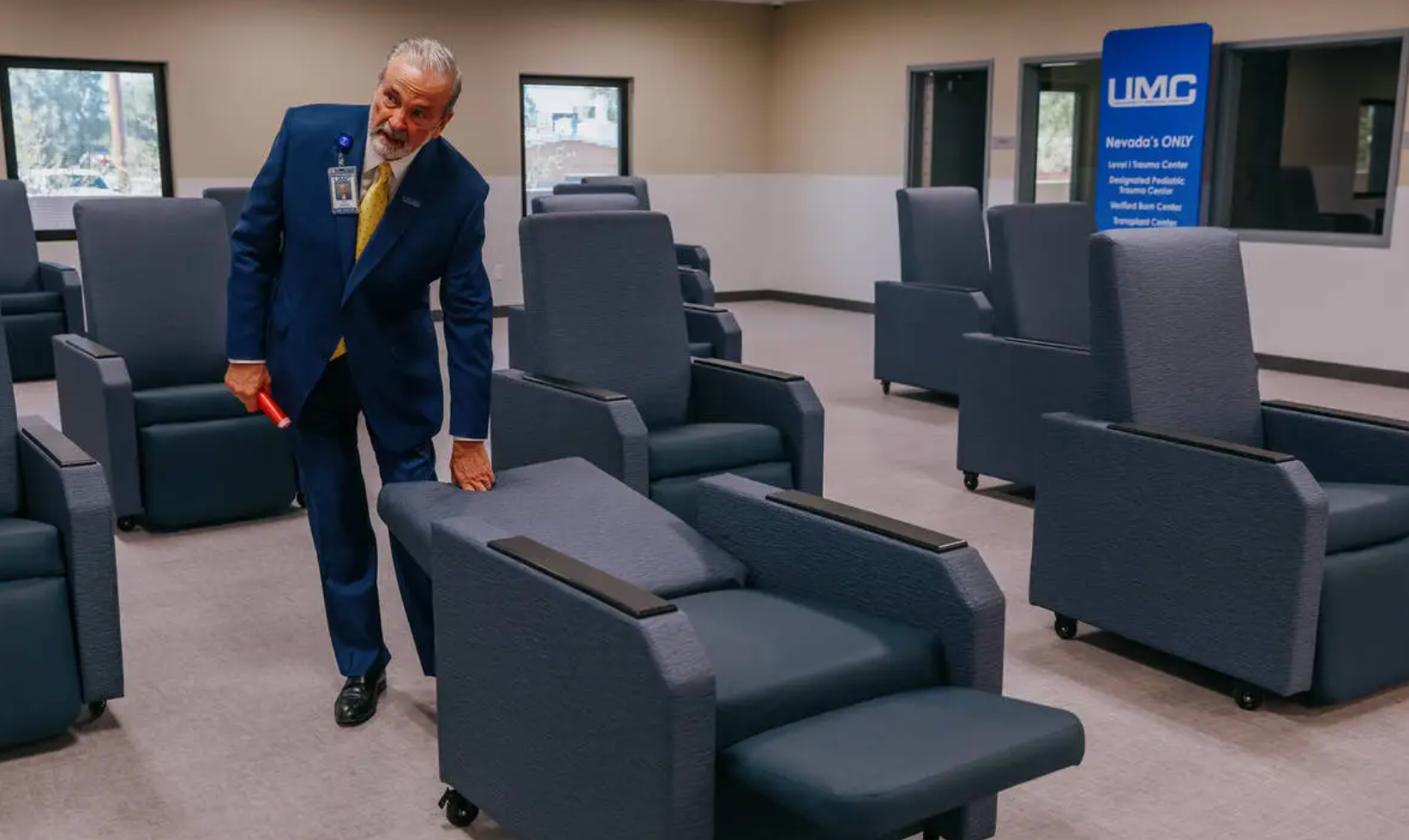
- Crisis Stabilization Centers—Las Vegas Crisis Stabilization Center Is Giving Law Enforcement An Alternative To Jails And Emergency Rooms. For the Las Vegas Review-Journal, Akiya Dillon and Devan Patel report that the city’s new 17,000-square-foot outpatient Crisis Stabilization Center treats people experiencing mental health and substance-use crises, providing medical screenings, psychiatric evaluations, prescriptions, solution-focused therapies and case management. EMS, crisis intervention teams and law enforcement agencies transport most patients to the facility, which has “helped reduce the strain of mental health crises on law enforcement and the public health system.” Dr. Ketan Patel, director of the crisis center and the UMC hospital’s emergency department, explained that previously “jails and emergency departments were seen as the only avenues for help,” but now “instead of going to ERs or jail or other destinations, those patients are being brought here.”
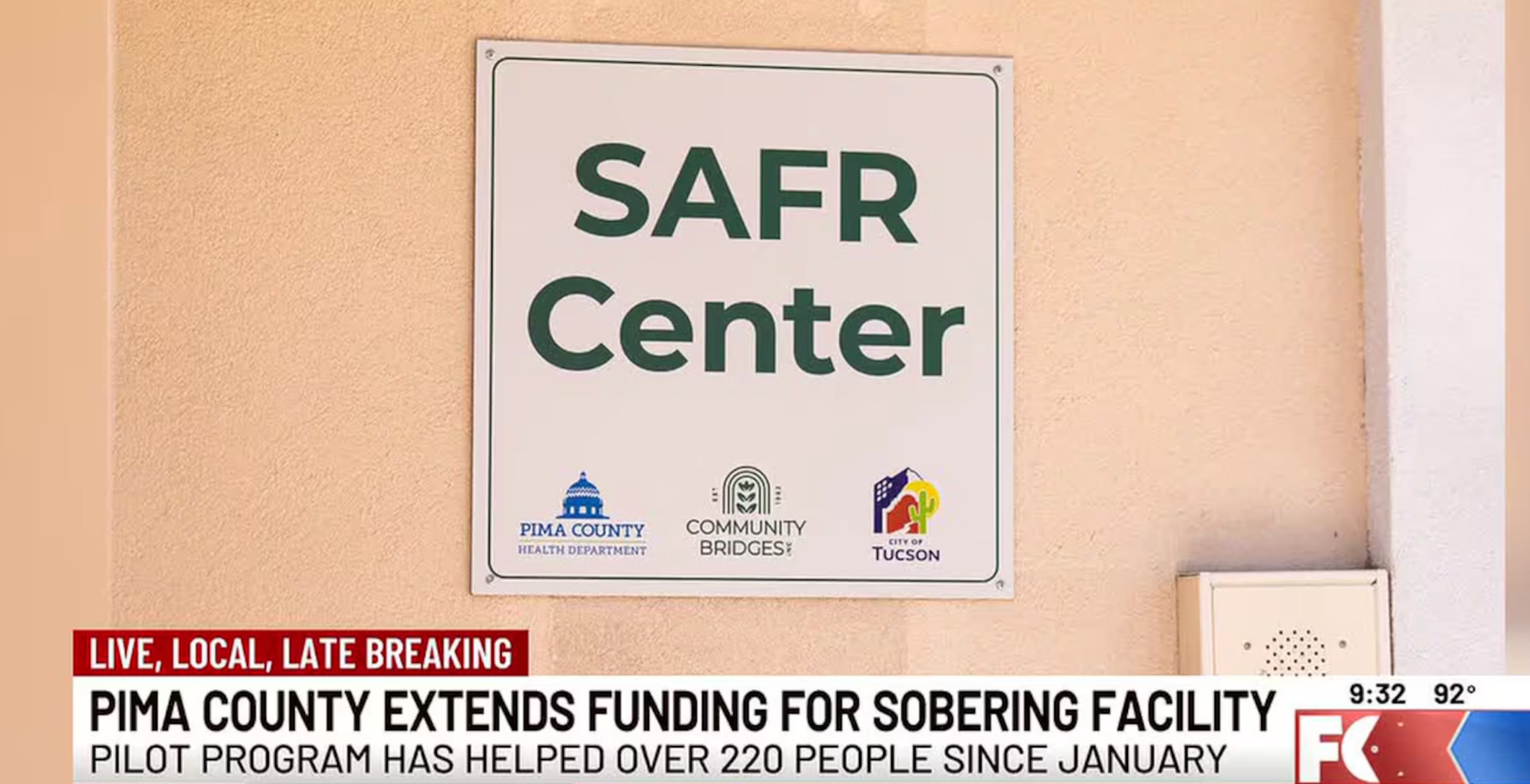
- Sobering Centers—Pima County, Arizona, Invests $2.2 Million In A Sobering Center “To Provide Immediate Care” While Reducing Burden On “Local Jails And Crowded Emergency Rooms.” For KOLD, Ashley Bowerman reports that the county unanimously approved $2.2 million in opioid settlement funding to extend its Sobering Alternative to Recovery Center, a 15-bed facility where people experiencing substance-use crises can receive 24/7 care and stay for up to 96 hours while keeping their pets and personal belongings with them. The program’s goals include providing immediate care while keeping people with substance use disorder “out of local jails and crowded emergency rooms,” with hospitals and law enforcement agencies already referring people to the center. More than 224 people were treated during its first four months, most of whom were unhoused, and “most chose to transition into long-term behavioral health services” after their stay.
- Trauma Recovery Centers—California Invests $12.6 Million Into Its Network Of Trauma Recovery Centers Providing “Mental Health Care And Support Services” To Crime Survivors. The Davis Vanguard reports that California is investing $12.6 million over two years to stabilize its network of 20 state-funded Trauma Recovery Centers, which provide “mental health care and support services designed to help crime survivors recover and return to work.” The centers are intended to give survivors access to trauma-focused support following violence and other crimes, with advocates describing the network as “essential public safety infrastructure.”
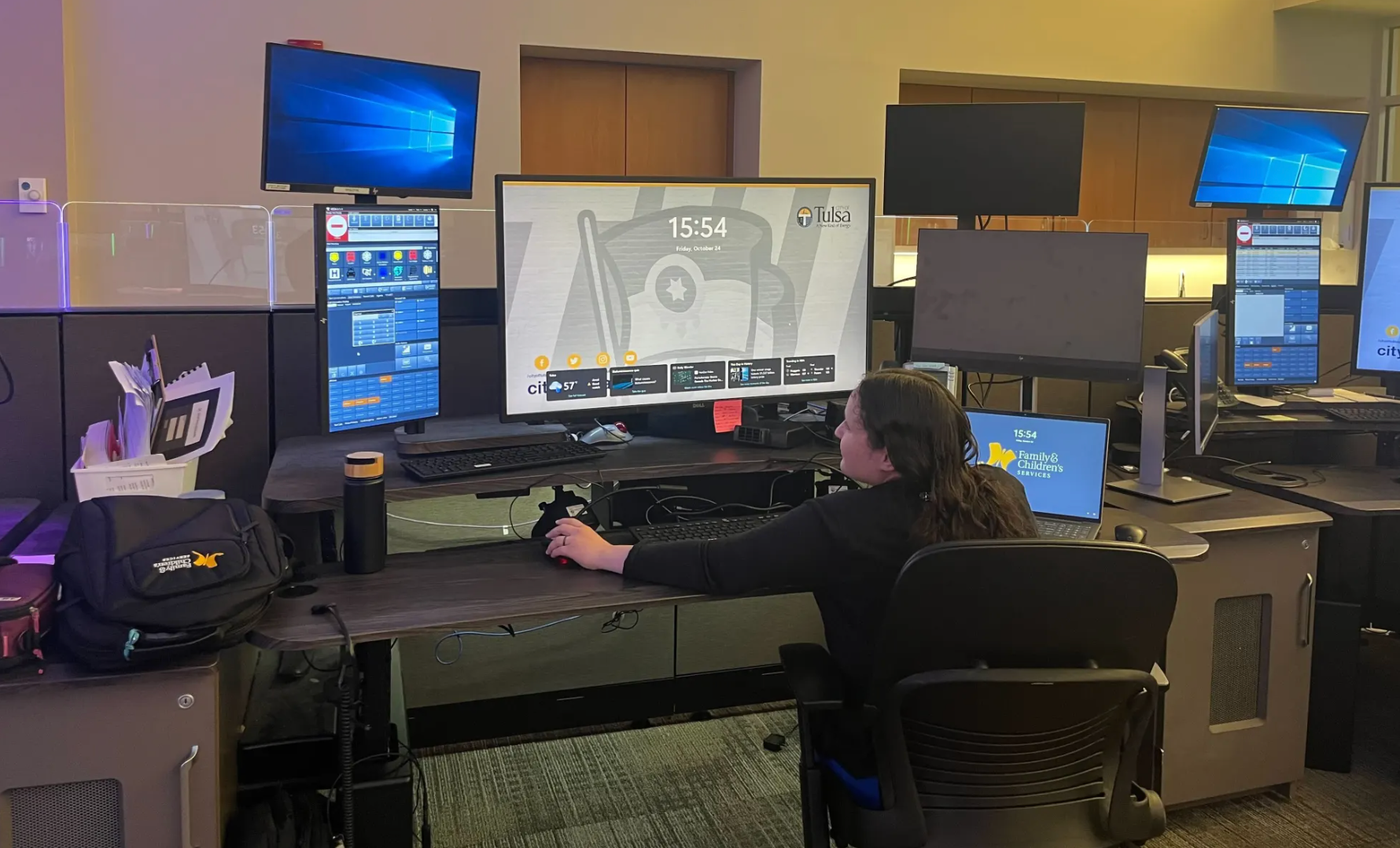
- Mental Health Experts Inside 911 Dispatch—Tulsa, Oklahoma, Has Embedded Clinicians Around The Clock To Route Mental Health Calls To The Right Response. The City of Tulsa reports that mental health clinicians are available inside its 911 center 24/7, taking calls that would otherwise be dispatched to police, fire or EMS and providing immediate clinical support and connections to services. Calls involving no threat to others and no weapons can be transferred directly to clinicians, while higher-risk calls continue to receive coordinated public-safety responses. In the program’s first year, more than 6,600 calls were diverted from traditional law enforcement and fire responders, nearly 90% of eligible mental health calls avoided a first-responder response, and the city estimates roughly $450,000 in public-safety savings. Zack Stoycoff, who helped develop the new model in the city, explained it’s “allowing first responders to focus on public safety and deploying clinical help when it’s needed,” helping ensure “people get the right response at the right time.”
2. Safer Cities Interview With Dayton’s Mediation Responder Team. Dayton’s Mediation Response Unit sends trained mediation responders to non-emergency, non-violent calls involving conflict or crisis that do not require a traditional law enforcement response. Integrated into the city’s 911 response system, the team handles thousands of calls for service each year that police officers previously handled, including complaints involving “unruly or misbehaving youth; barking dogs or other pet issues; disorderly individuals; tenant and landlord fights; and assistance with child visitation or custody exchanges,” the Dayton Daily News reported.
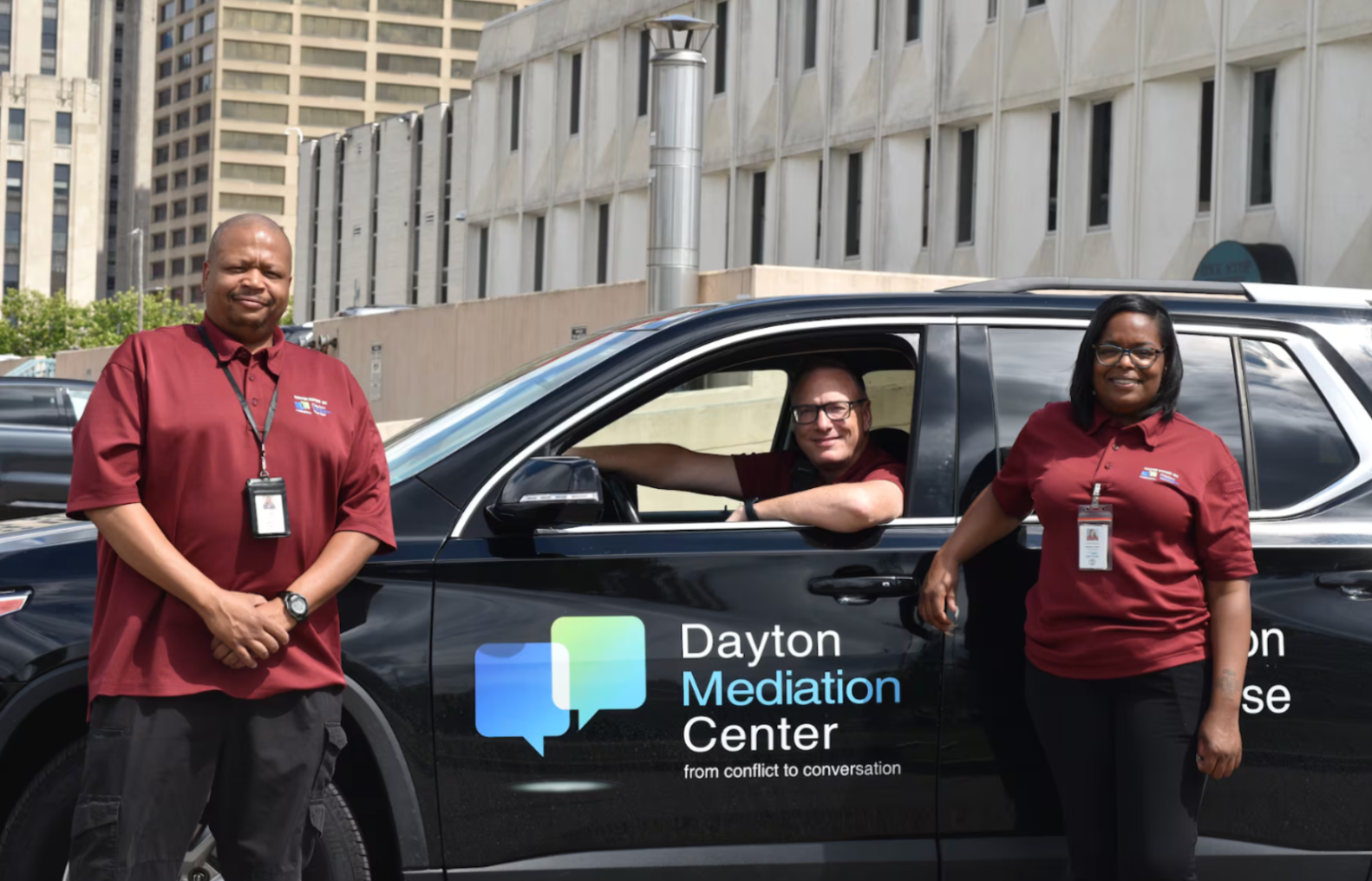
Safer Cities recently spoke with Aaron M. Primm, Mediation Response Unit Coordinator at the Dayton Mediation Center, about how the team handles calls, connects residents to longer-term resources, and determines which situations are appropriate for a mediation response:
- On Freeing Officers To Focus On Higher-Risk Calls: “Through this collaborative approach, the MRU helps reduce the number of calls requiring a traditional law enforcement response, allowing local police officers to dedicate greater capacity and resources to emergent, violent, and higher-risk situations. The MRU provides the community with greater flexibility in determining the most appropriate response to a given situation, ensuring that residents receive services that are both effective and proportionate to their needs. Thus far, community feedback has been overwhelmingly positive, with residents expressing strong support and appreciation for the MRU’s efforts.”
- On Helping People Move From Conflict To Longer-Term Support: “Our role as Mediation Responders is to support individuals experiencing conflict or crisis and help facilitate more productive, constructive, and sustainable outcomes. Depending on the circumstances, this may involve directly mediating between the parties involved or connecting individuals with appropriate community resources and services. When additional support is needed, we make referrals to organizations equipped to address specific needs—for example, connecting individuals with Legal Aid when legal assistance or resources are required. The City of Dayton is fortunate to have a wealth of community-based resources, and we make it a priority to connect residents with organizations that can provide the appropriate support and assistance.”
- On Establishing Clear Guardrails For Which Calls Mediation Responders Handle: “At the inception of the Mediation Response Unit at the Dayton Mediation Center, considerable time and attention were devoted to identifying the types of calls that would be most appropriately addressed by a Mediation Responder. Through careful collaboration among the Dayton Mediation Center, the Dayton Police Department, City officials, and organizations with expertise in alternative response models, a defined scope of non-emergency, non-violent calls was established for MRU response. Calls determined to be more emergent, violent, or to present a heightened safety concern were designated for response by the Dayton Police Department. This collaborative approach established clear parameters for the MRU while ensuring that each call could receive a response appropriate to the circumstances and level of need.”
3. Cities Turning To Civilian Traffic Responders To Free Law Enforcement Officers For Higher-Priority Calls.
- Minneapolis “Tests Civilian Crash Responders To See If It Can Ease Police Workload.” For KSTP, KaMaria Braye reports that the city is using part of a $2.5 million federal grant to pilot civilian responders who can be dispatched through 911 to meet drivers, document non-injury crashes and take photographs when needed. Will Christenson, the Office of Community Safety’s director of design and implementation, explained why a program like this is vital to public safety: “Some of these traffic collisions, even if there is no injury, take a long time to document, and an officer is there filling out paperwork where they could be responding to a higher priority call.” The Minneapolis Police Department supports the new team and explained to the news station that “without a doubt, the program supported by this grant will free up officers to respond to higher priority 911 calls… [and] there’s a high probability that this will also help reduce response times to higher priority 911 calls.”
- North Carolina Cities Launching Civilian Traffic Responders, Freeing Officers For Higher-Priority Calls And Improving Response Times. For WRAL, Sarah Krueger reports that cities across North Carolina are increasingly using civilians to handle lower-priority, non-injury crashes. In Durham: the civilian responder averages 50 calls a month and police officers say the program has “significantly reduced their workload,” improved response times and boosted job satisfaction, and two more investigators are in training. In Raleigh: its five-person team responded to 3,171 calls and completed 2,519 crash reports in 2025, with police saying the unit is “making a huge impact.” And in the City of Apex: its part-time investigator handled 48 crashes, or 18% of non-injury crashes, in the program’s first months.
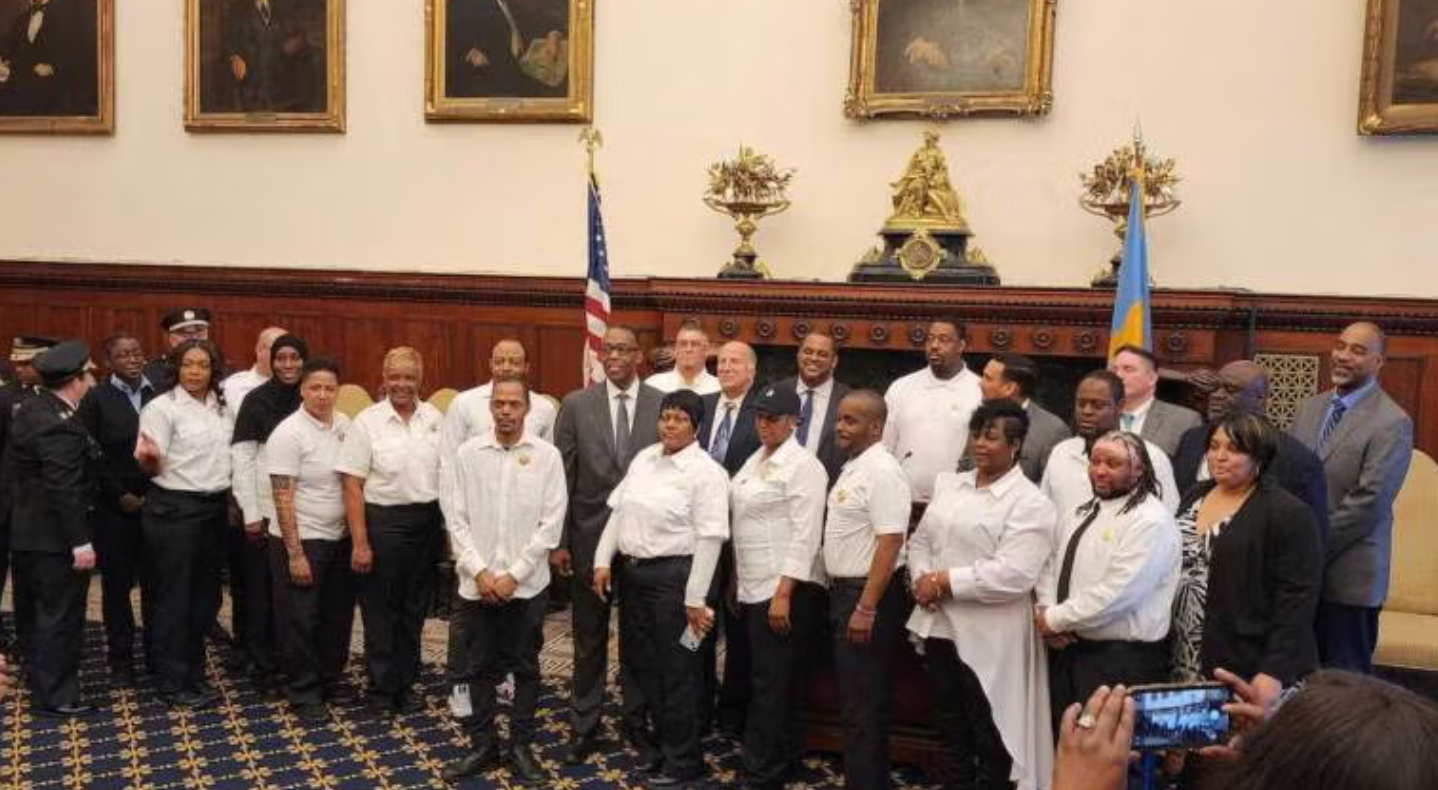
- Philadelphia Builds Out Its Civilian Team To Handle Traffic Duties Traditionally Performed By Police. The Philadelphia Streets Department’s latest budget lays out the latest expectations of the Public Safety Enforcement Officers, a civilian team that directs traffic at key intersections, issue tickets for non-moving violations and report abandoned vehicles, with the city planning for 29 positions this fiscal year. When the program first launched, WHYY’s Tom MacDonald reported that the civilian officers were taking on work previously performed exclusively by police, including traffic direction and ticketing, helping to reduce the load on law enforcement in the city.