1. Study: Kansas City’s Hospital-Based Violence Intervention Program Associated With 65% Lower Odds Of Repeat Violent Injury. A new study published in the Journal of Surgical Research by researchers from the University of Missouri–Kansas City School of Medicine and University Health Truman Medical Center examines the long-term impact of Kansas City’s Aim4Peace hospital-based violence intervention program. Researchers compared 338 patients treated for intentional penetrating violent injuries at the hospital’s Level I trauma center in 2006-2007, before the hospital-based CVI program launched, with two groups treated after: 632 patients from 2016–2017 and 376 from 2021-2023. They found that “trauma recidivism rates were significantly lower following the implementation of the A4P program.” The full study is worth reading, but here are some of the topline findings:
- Repeat Violent Injury Fell At Both Three And Eight Year Follow Ups: Researchers found that “the 3-y recurrent [penetrating injuries from intentional violence] rate decreased from 6.8% in the preintervention cohort to 2.4% in the postintervention cohort,” while “the 8-y recurrent [penetrating injuries from intentional violence] rate significantly decreased from 10.4%… to 4.0%.” After adjusting for age, sex and race, “postintervention cohort patients demonstrated 66% lower odds of 3-y recurrent [penetrating injuries from intentional violence] trauma… and 65% lower odds of 8-y recurrent [penetrating injuries from intentional violence] trauma… compared to the preintervention cohort.”
- Program Uses Trusted Community Responders To Intervene During Critical Postinjury Period: “Hospital responders are often longstanding community members who have been negatively impacted by the cycle of violence as victims and/or have a history of violence.” Their “established relationships, proximity to the community, and lived experiences provide substantial credibility and leverage with victims, their families, and potential perpetrators.” Responders use “early, structured engagement strategies to reduce the risk of retaliation,” while providing “mediation, mentoring, case management, systems navigation, and community reunification.”
- Preventing Just Two Hospitalized Firearm Injuries A Year Could Offset The Responder Team’s Cost, Researchers Estimate: The study found that “A4P engagement and intervention were required for only 16 [penetrating injuries from intentional violence] patients to prevent one instance of recidivism in the 8 y following initial injury.” With the Hospital Responder team costing about $319,000 annually, researchers calculated that “preventing approximately 2 hospitalized firearm injuries per year would offset” that cost and concluded that HVIPs “may offer substantial economic value to health care systems and communities affected by recurrent interpersonal violence.”
Momentum For Hospital-Based Violence Intervention Programs Around The Country:
- Bergen County, New Jersey, Is Expanding A Hospital-Based Violence Intervention Program That Aims To Reduce Repeat Violent Injuries. For WRNJ, Jay Edwards reports that more than $1 million in federal funding will expand Hackensack University Medical Center’s Community Health Worker Violence Intervention Program, supporting “trained professionals, technology, supplies and transportation for victims and families across North Jersey.” The program connects patients at risk of another violent injury with services “while they are still in a hospital or emergency department,” followed by “community-based case management and other assistance after they leave.” Rep. Josh Gottheimer’s office released data on the funding announcement that demonstrated the importance of the investment in expanding HVIPs: just 5% of participating victims “were hospitalized again for another violent injury,” compared with 36% of victims who did not participate.
- Richmond, Virginia’s Hospital-Based Violence Intervention Program Participants Were Nearly 70% Less Likely To Return With Another Violent Injury. For VCU Health, Amanda Kowaleski reports that Bridging the Gap—a hospital-based violence intervention program launched in 2003—offers patients intensive case management early in their hospital stay, including “housing assistance, enrollment in educational and vocational programs, connection to positive social outlets and access to mental health services,” and has produced promising results. Between 200 and 300 people participate each year, and researchers found participants were “nearly 70% less likely to return with another injury from violence than patients who declined to participate.” Some former patients have even returned to serve as case managers, helping the program “gain their trust” and connect victims with resources that “can and will help” them rebuild their lives.
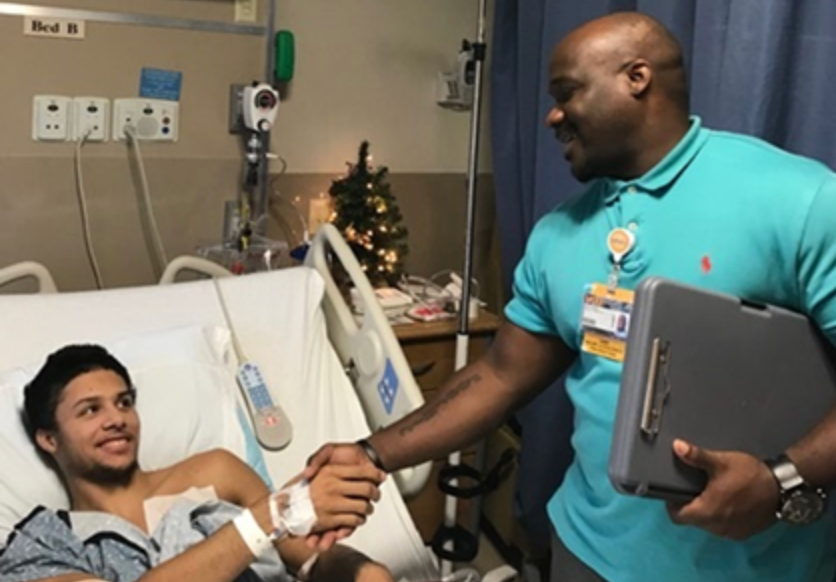
- Birmingham, Alabama, Invests $1.15 Million Into Hospital-Based Violence Intervention Program That Leaders Say Has Seen “Essentially Zero Recidivism” Among Participants Who Complete It. For BirminghamWatch, Daniel Gaddy reports that the program connects gunshot survivors with violence intervention specialists while they are still in the hospital, then provides longer-term support including mental health care, housing assistance and job training. LaTonya Tate, city council president pro tem, explained to the news site that there has been “essentially zero recidivism with individuals who have completed this program.” The new funding will support case management, education, employment, housing, food, utilities and transportation for participants.
2. Safer Cities Interview With Grady’s Trauma Recovery Center In Atlanta. Trauma Recovery Centers help survivors of violent crime address the psychological and practical consequences that can follow victimization, pairing trauma-focused mental health treatment with case management and connections to housing, financial, legal and other support with the aim of reducing cycles of violence and instability that can follow traumatic injury.
In Atlanta, Grady Memorial Hospital’s Trauma Recovery Center is embedded within the hospital’s trauma system and provides patients with “16 weeks of free psychotherapy and supportive case management services.” A 2025 study of Grady’s program screened records for 3,238 adult patients and found that among those completing TRC intake, 68% screened positive for probable PTSD, 45% reported severe anxiety and 24% severe depressive symptoms—researchers concluded the model “helps increase access to trauma-focused care for those who may not otherwise receive it.”
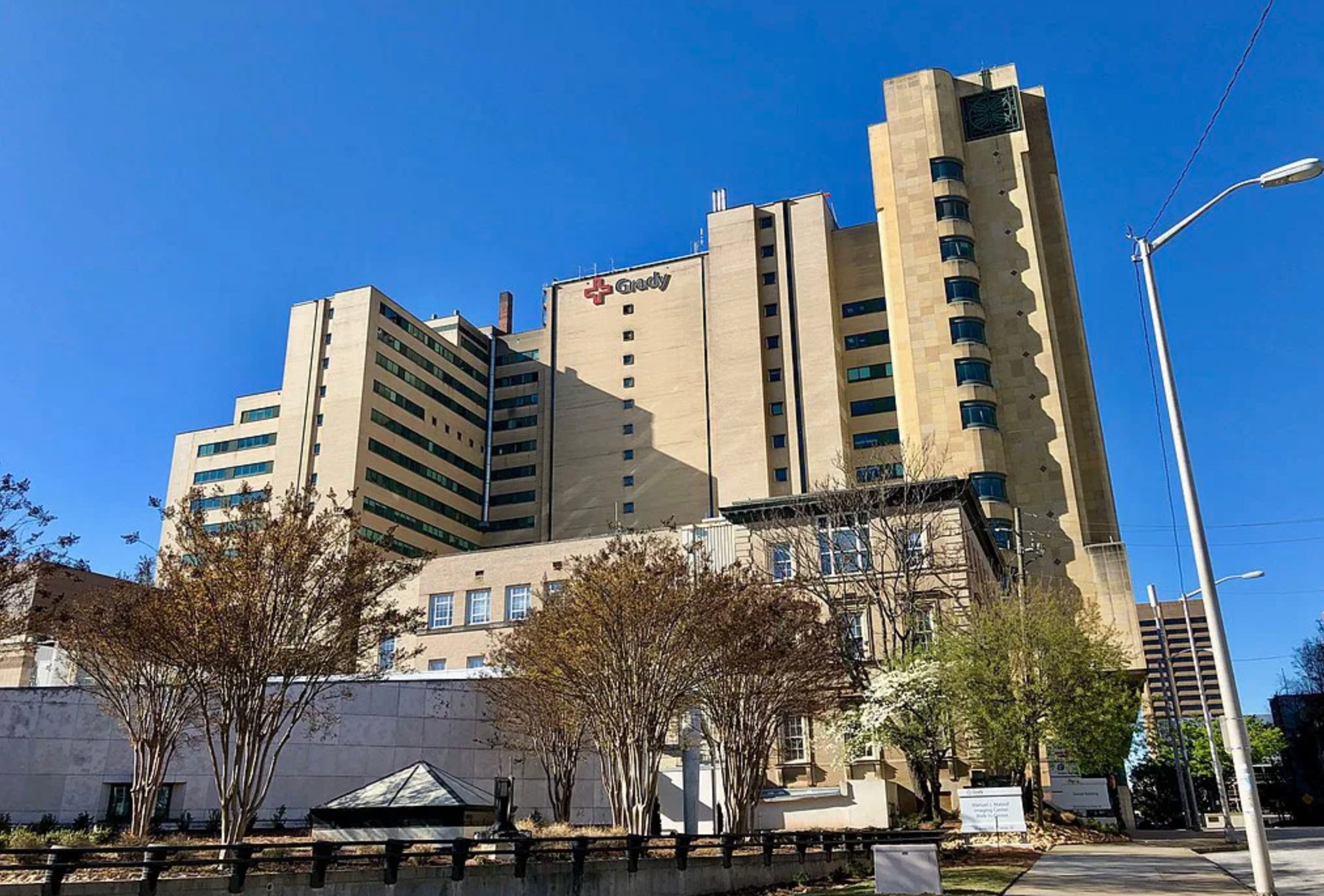
Safer Cities recently spoke with Diana Cortina-Rodriguez, LMFT, RPT, Director of Grady’s Trauma Recovery Center, about helping survivors move beyond physical survival, addressing the practical barriers that can impede recovery, and reaching people who might otherwise never connect with treatment:
- On Helping Survivors “Transcend The Act Of Physically Surviving”: “At the TRC, we are committed to helping patients and their families transcend the act of physically surviving their violent injuries and embrace a future of resilience and empowerment. We provide a holistic array of mental health and support services rooted in respect, compassion, and evidence-based care.
By tailoring our approach to each individual’s unique needs, we effectively foster healing and empower survivors to thrive. … Patients often come to the TRC following a recent violent crime and are navigating the complex physical, emotional, and practical impacts of trauma. Many are experiencing symptoms of post-traumatic stress disorder (PTSD), anxiety, depression, grief, sleep disturbances, hypervigilance, and chronic stress.”
- On Why “Recovery Requires More Than Treating Symptoms”: “At Grady’s Trauma Recovery Center, we recognize that trauma recovery does not occur in a vacuum. Many of the survivors we serve are simultaneously navigating challenges such as housing instability, financial hardship, food insecurity, transportation barriers, immigration concerns, unsafe living situations, and distrust of healthcare, legal, or government systems. For many of our patients, these practical barriers can become just as significant an obstacle to recovery as the trauma itself… Recovery requires more than treating symptoms; it requires helping survivors regain safety, stability, access to resources, and a sense of control over their future. By addressing both trauma and the practical challenges that accompany it, we help survivors move beyond crisis and toward lasting recovery.”
- On Making “Assertive Outreach” A Defining Feature Of The Model: “Assertive outreach is one of the defining features of the Trauma Recovery Center model. We recognize that many survivors of violent crime are unlikely to seek traditional mental health services on their own due to trauma symptoms, fear, transportation barriers, distrust of institutions, financial limitations, or simply not knowing that services exist.
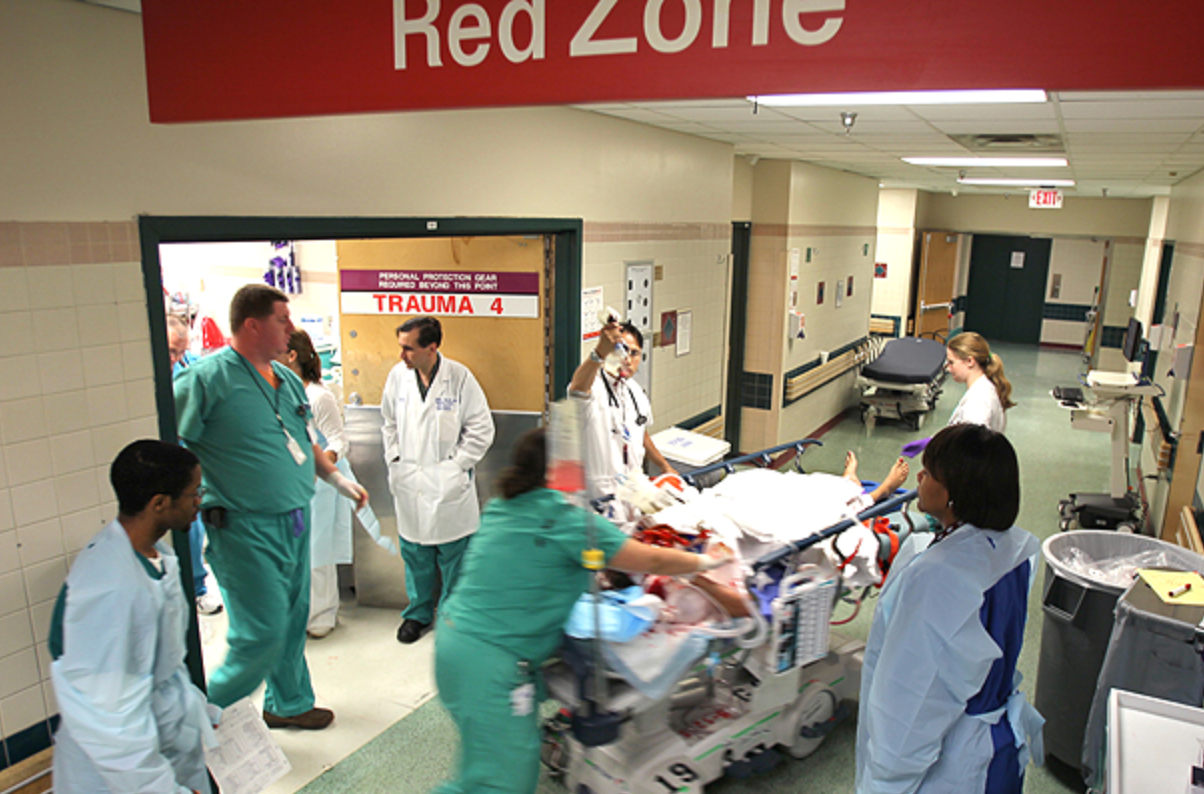
Rather than waiting for survivors to find us, the TRC actively seeks to engage individuals where they are. Our outreach efforts begin in the hospital, where staff screen patients admitted for violent injuries and conduct bedside outreach to introduce services during a critical window of opportunity… TRC clinicians and case management staff use persistent, compassionate engagement strategies that include phone calls, text messages, telehealth visits, home visits, community-based meetings, and accompaniment to appointments when needed.”
3. Cities Turn To Safety And Transit Ambassador Teams To Serve As “Extra Set Of Eyes” Downtown And Address Homelessness.
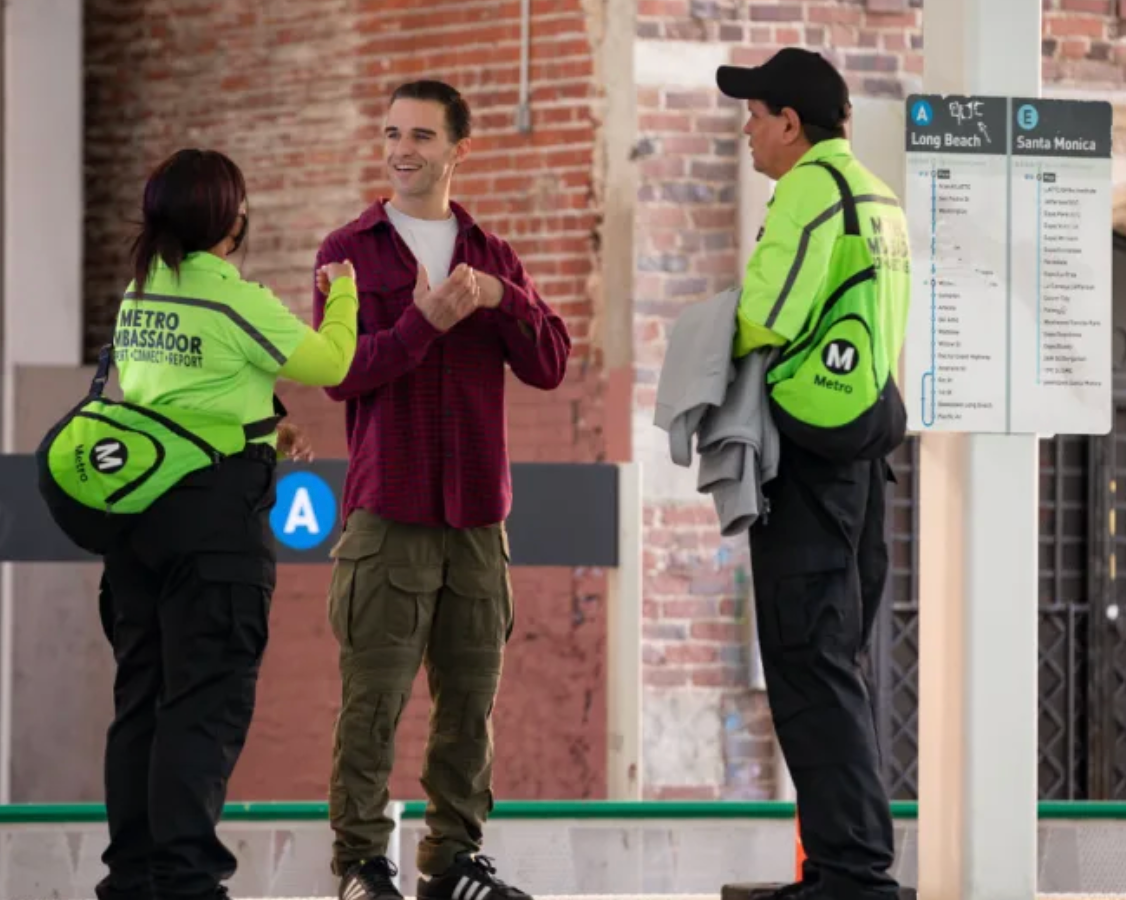
- Los Angeles, California, Metro “Reports 57% Decline in Homelessness On Transit System” As Ambassador Teams Expand Outreach. For METRO Magazine, Elora Haynes reports that homelessness on LA Metro’s transit system has fallen 57% since 2024 as the agency expanded Metro Ambassadors, homeless outreach teams and community intervention specialists focused on rider assistance, crisis response and connections to housing. In fiscal year 2026, outreach teams connected 354 people to permanent housing, while Metro said the coordinated approach has also helped improve rider confidence and conditions across the transit system.
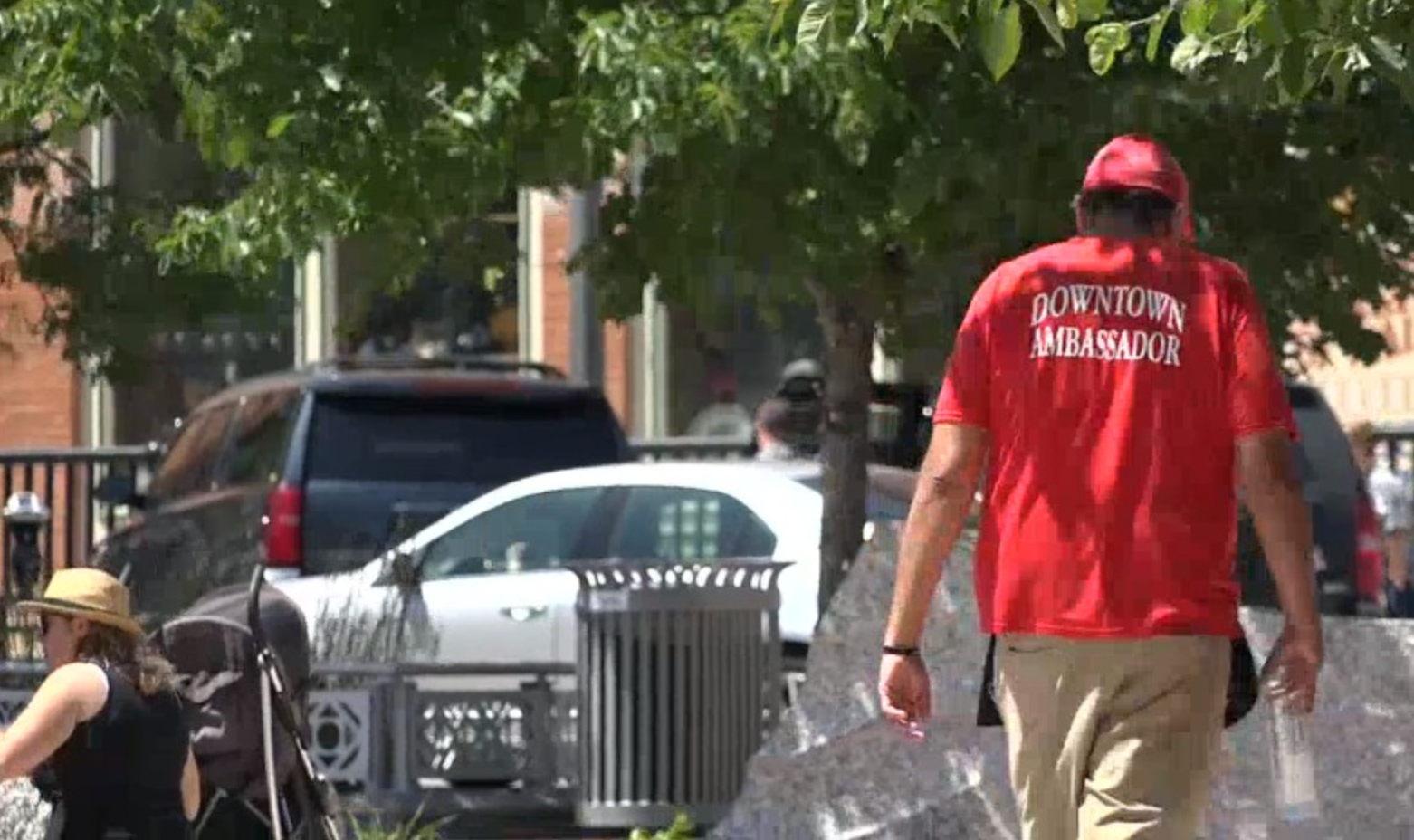
- Rapid City, South Dakota’s Downtown Ambassadors Have Helped More Than 18,000 Visitors While Serving As An “Extra Set Of Eyes” Downtown. For KOTA, Mary Francis Witte reports that Rapid City’s Downtown Ambassadors helped 18,349 visitors just this summer, greeting people, offering directions and sharing information about restaurants, attractions and local events—serving as “both a welcome team and extra set of eyes in the city’s downtown.” The ambassadors also support downtown safety by reporting issues to businesses and city staff when needed. Ally Formanek, who oversees the downtown team, explained that the ambassadors help make downtown feel more welcoming and safe so they spend more time exploring local businesses and attractions.
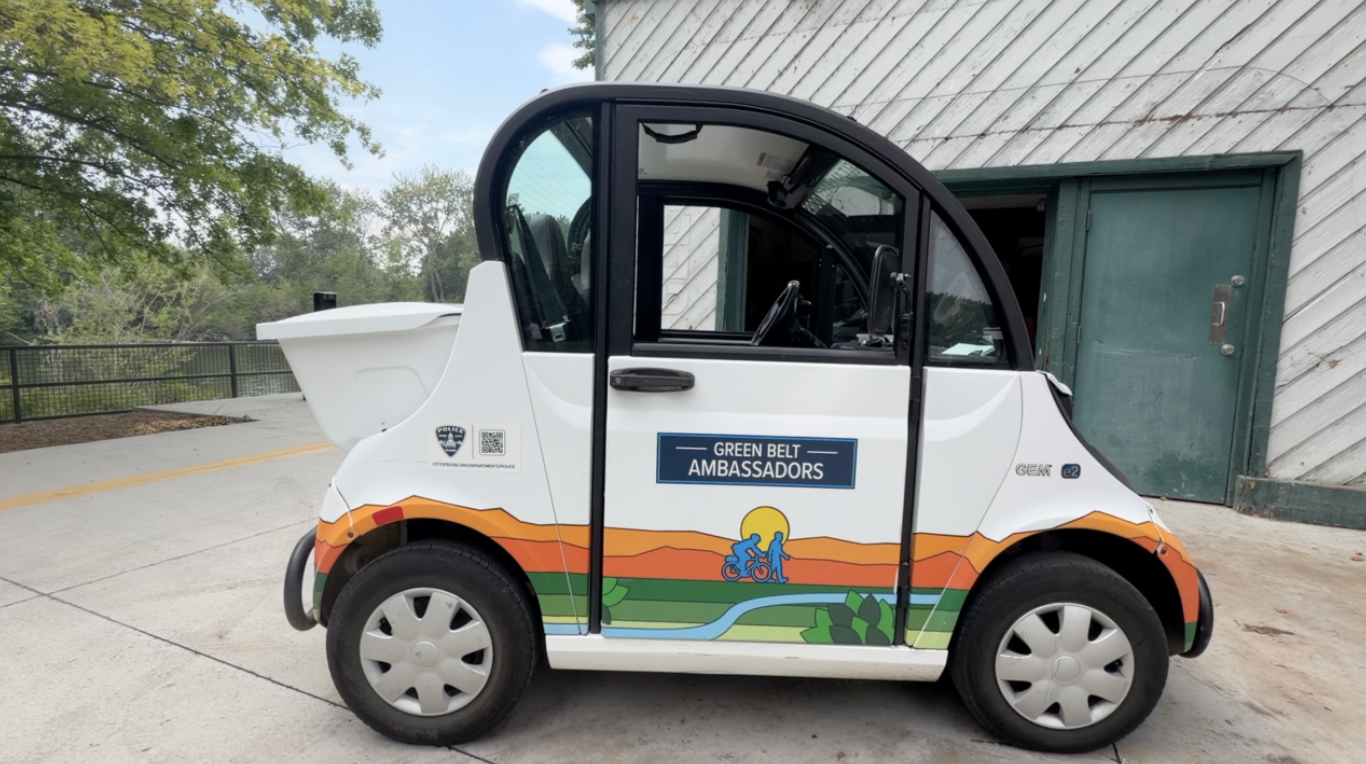
- Boise, Idaho’s Greenbelt Ambassadors Serve As “Extra Eyes” Along One Of The City’s Most-Used Trails. For Idaho News 6, Sahana Patel reports that more than 40 Ambassadors now patrol a popular city trail by bike and golf cart, checking on people, offering directions, providing water and helping with everyday issues. Longtime ambassador Brent Vance described the team as the eyes and ears of the region, helping address minor problems before they escalate while maintaining a safe, orderly and welcoming environment.