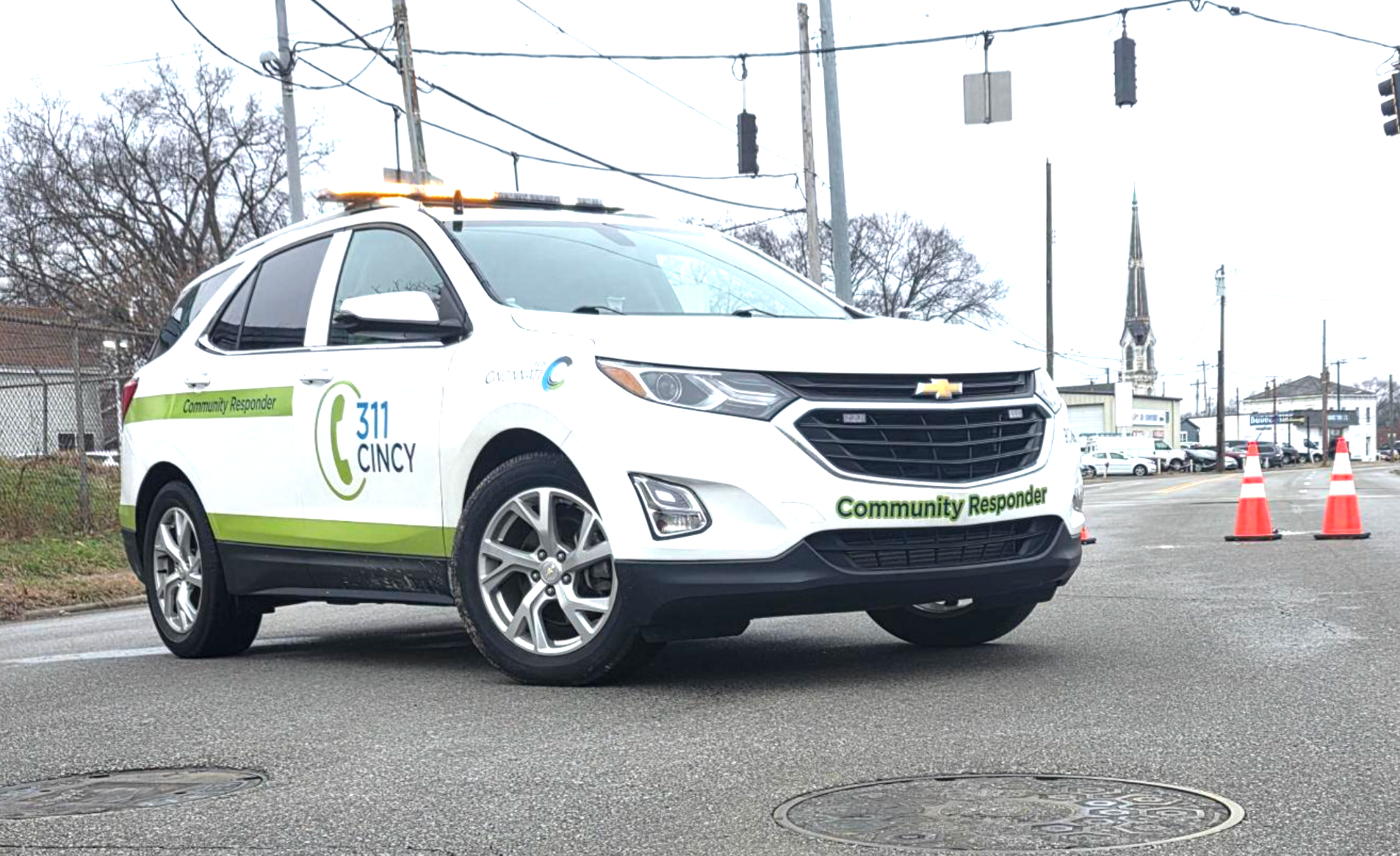
Community Responders give cities a professional response option for everyday calls that require someone to assess a problem or assist a resident but do not require police, fire or emergency medical services. These teams can be dispatched through 311 and 911 to handle specific calls that would otherwise consume public-safety resources. Similar to other cities’ safety and transit ambassadors but with a broader set of duties, they also serve as the “eyes and ears of the city.”
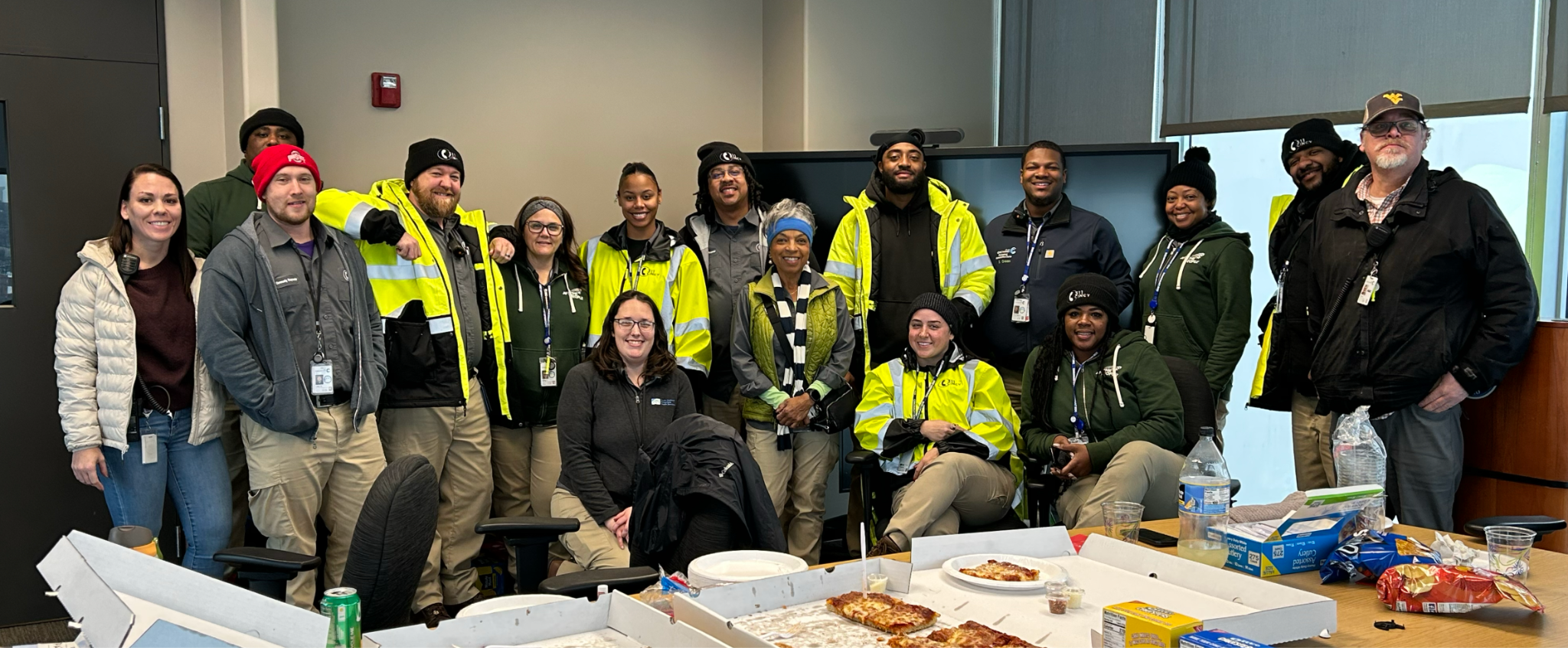
Cincinnati launched its Community Responder program in 2025 as an expansion of the model used to create the city’s Alternative Response to Crisis team, which responds to mental health and behavioral health calls for service that don’t require a law enforcement response. Community Responders handle “non-emergency, non-crisis issues” such as disabled vehicles, minor non-injury crashes, traffic hazards, and even malfunctioning signals, helping “[free] up police to handle urgent law enforcement matters.” They also perform many of the community-facing functions associated with safety and transit ambassadors: maintaining a visible presence in neighborhoods and Metro Transit Centers, assisting riders with fares and route navigation, building relationships with students, connecting people experiencing homelessness to services and reporting concerns through 311 before they become larger problems. The city describes the team as “an ambassador to the community on behalf of all City of Cincinnati agencies.”
Safer Cities recently spoke with Sophie Wong, Interim Deputy Director of the Cincinnati Emergency Communications Center, which oversees the Community Responder team, about how they handle their calls, support the city in public spaces, and address public safety concerns before they escalate.
- On Helping Residents Navigate City Services And Addressing Problems Before They Grow: “Community Responders serve as a visible, proactive presence throughout Cincinnati neighborhoods and public spaces, including Metro Transit Centers. They help residents navigate City services and help connect them to appropriate resources or programs … Community Responders also support the City’s proactive approach to customer service. By identifying concerns and reporting issues through 311 before they become larger problems, they help improve quality of life for residents and visitors.
In addition, Community Responders and ARC field staff regularly engage with individuals experiencing homelessness, connecting them with support services, outreach organizations, and other resources that can help meet their needs. … Community Responders help citizens navigate the transit network and often help resolve issues with fare payments or route navigation. CRs relay information on Transit Center conditions, and interactions between riders and Metro staff to bus operators and Metro Supervisors.”
- On Building Trust With Students And Public Transit Riders: “Community Responders are present during the busiest periods at transit centers, when students, commuters, residents, and visitors all converge in a shared space. Their effectiveness comes from building relationships and establishing trust with the people they see every day … At Metro Transit Centers, Responders have built strong relationships with Cincinnati Public Schools students who rely on Metro to get to and from school.
They encourage safe and respectful behavior, and help create a welcoming environment during some of the busiest times of the day… They understand the importance of being a consistent, trusted presence for residents and especially young people who may be looking for guidance, support, or simply a positive connection during their daily routine… These positive interactions help create a sense of trust and community while encouraging students and riders to make good choices and stay engaged.”
- On De-Escalating Conflicts: “When conflicts or misunderstandings arise, Responders can step in to help de-escalate situations, mediate disagreements, and resolve certain issues. They are trained to contact partners in emergency response when they identify someone in need of additional support or when a situation may become dangerous. … Responders must also be adaptable, observant, and quick-thinking. They routinely work alongside public safety partners and need to assess situations, provide accurate information, and connect people with the appropriate resources … Whether helping students stay focused on getting to school and home safely, connecting someone with community services, or assisting a visitor with directions, Community Responders combine compassion, professionalism, and strong interpersonal skills to serve as effective ambassadors for the City of Cincinnati.”