1. Study: Families Who Turned To Mobile Crisis Teams During A Loved One’s Mental Health Crisis Say The Service Was A “Substantial Improvement Over The Other Options.” A new study published in Community Mental Health Journal from researchers at the University of California, Berkeley, UC San Francisco and Contra Costa Health examines how family caregivers experienced a county-run mobile behavioral health crisis program in the Western United States. The 24/7 program uses a clinician-staffed crisis call center and mobile crisis response teams of clinicians and peer support workers to respond to people experiencing mental health or substance use crises. Researchers conducted in-depth interviews with 11 family caregivers and drew additional context from 29 days of field observations with mobile crisis teams.
The researchers found that “families identified the mobile crisis service as a substantial improvement over the other options they could turn to for help,” reporting that the service “alleviated isolation,” produced responders who understood the dynamics inside their homes and gave them “a safe and responsive resource to call when needed.” The study concluded that the availability of mental health responders offered families relief “both during and after crisis episodes.” The full study is worth reading for anyone developing a mobile crisis response team, but here are some topline findings:
- Responding In The Home Supports Person In Crisis, Allows For Faster De-Escalation. One family explained to researchers that communities need “more people like mobile crisis response to come out to the house and to de-escalate in the home and to be in the actual living environment and see what’s going on… the home space is so important to actually building any understanding or ability to [resolve the crisis].” Responders can “see the kid in the house, see the environment, see how they are, see what their level of comfort is, and work from there.”
- Teams Bring Extensive Training That Builds Trust And Reduces Stigma. Families said that they especially valued responders whose expertise included lived experience. One family member explained that “having responders with lived experience helped to counteract the isolation that could come with being a caregiver for someone with acute mental health needs… ‘it’s not just the kind of on the job training that’s happening, it’s all of the life training that helps all of these experiences that the staff are bringing with them.’” Another caregiver said the responders “humanized…[and] de-stigmatized” the crisis: “I felt connected. I felt suddenly it was possible [to resolve the crisis].”
- Families Found Mobile Responders “Approachable, Very Thoughtful, And Not At All Intimidating” Leading To Better Outcomes. One family member said, “It wasn’t a feeling of police entering my home… [the responders] felt official, but they didn’t seem intimidating.” Instead of “a bunch of police rolling up to your house and coming in,” the team was “very approachable [and] very thoughtful.” Researchers found that families perceived mental health crisis response teams as “less intimidating and better able to mediate the crisis episode.”
Momentum For Mobile Crisis Response Teams Around The Country:
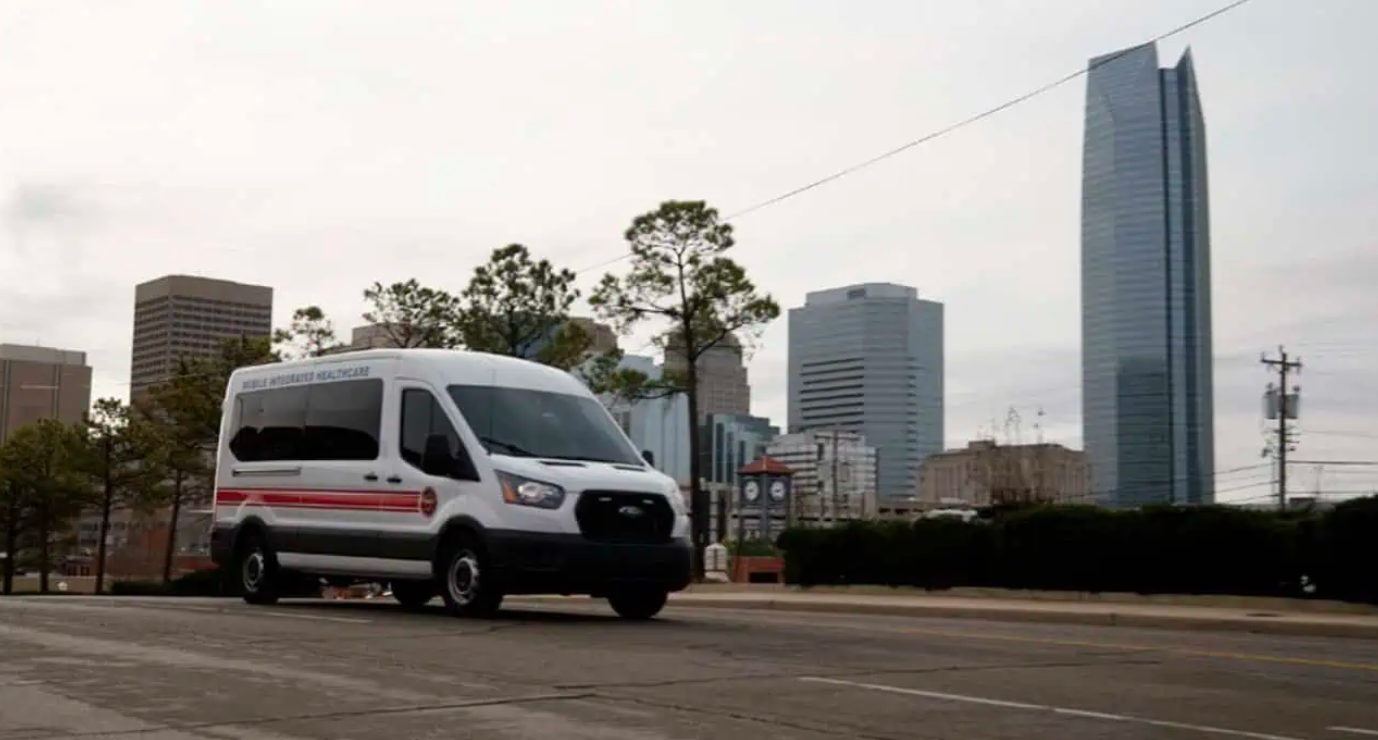
- In Oklahoma City, Oklahoma, Mobile Crisis Program Celebrates A Year Of Service, Gives City A “Fourth Option… [Because] Not Every Call Needs Fire, [EMS], Or Police.” For Oklahoma City Free Press, Tyler Smothers reports that the Mobile Integrated Healthcare team has responded to more than 5,000 service encounters as it marks its first year in operation. The team is housed inside the city’s Fire Department and embeds mental health professionals in the 911 communications center, dispatches teams pairing a clinician with a specially trained paramedic and provides follow-up support for frequent 911 users. Lori Brown-Loftis, who oversees the unit, said the initiative has received “unanimous support from City Council” because city leaders understand that sometimes residents need trained professionals who can “provide the most appropriate response” since “not every call needs fire, EMSA, or police.” The city also sent Safer Cities its most recent program data, showing growing demand for the team’s services: In March through June alone, the team responded to 1,274 calls, stabilized 537 people in the field, and transported 177 people to crisis stabilization or urgent recovery centers, rather than jail or an emergency room.
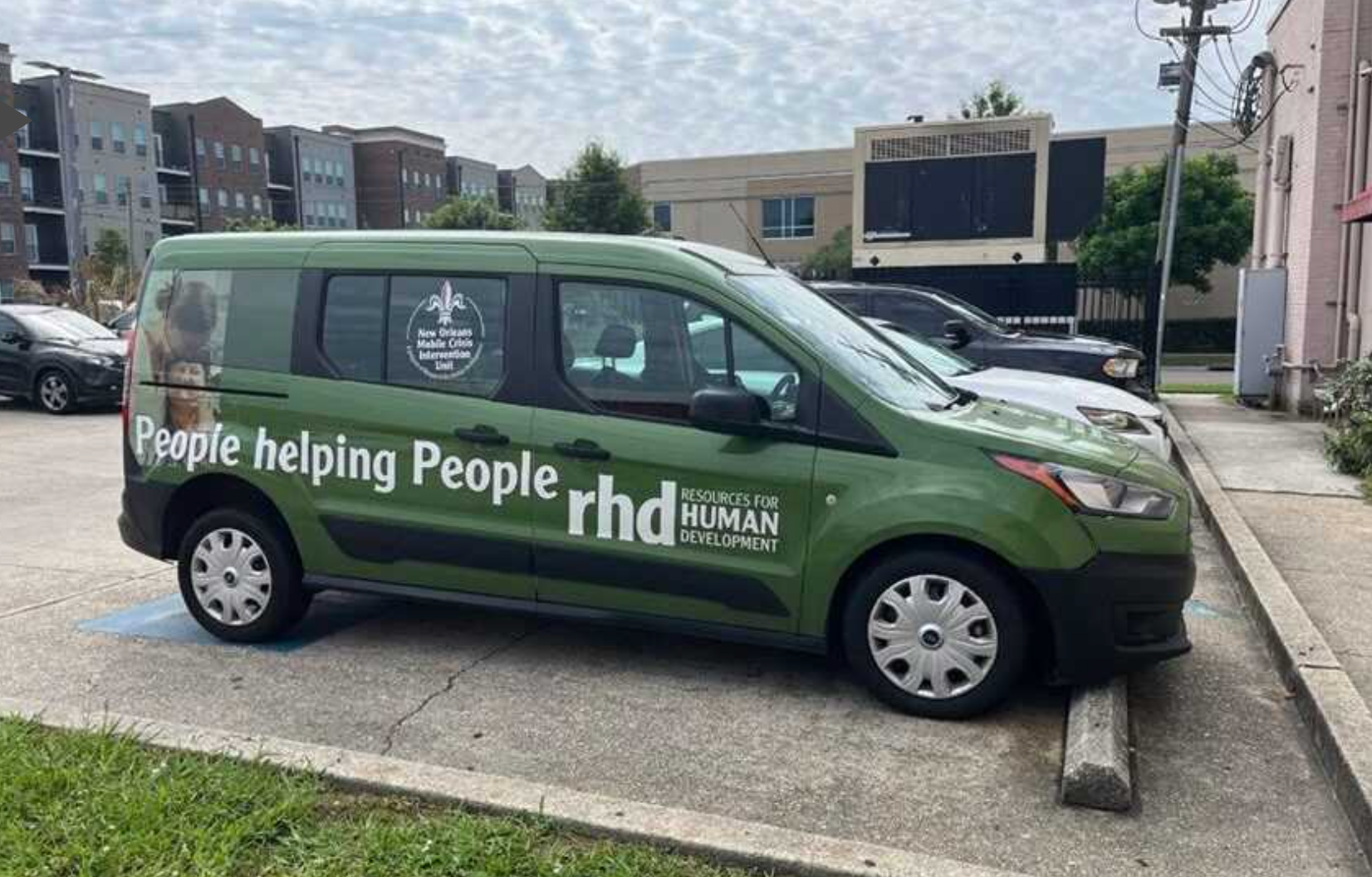
- In New Orleans, Louisiana, Mobile Crisis Team Diverts Nearly 40% Of Calls From Police, Fire And EMS, Helping Officers “Remain Available For Emergencies.” New Orleans CityBusiness reports that the city’s Mobile Crisis Intervention Unit—which operates 24 hours a day as a “fourth component” of the emergency response system alongside police, fire and EMS—responded to 3,769 behavioral health calls in 2025, with an average response time of 17 minutes. New Orleans Police Officer Reese Harper, a champion of the mobile crisis team, explained: “Public safety is about connecting people with the right response at the right time” and when mental health professionals can safely respond, “officers remain available for emergencies while individuals in crisis receive the specialized care they deserve.” City leaders explained that the mobile crisis response team is a core component of a modern public safety infrastructure through “resolving behavioral health crises in the community [which] allows police officers to remain available for higher-priority public safety calls, reduces unnecessary emergency department visits and lowers emergency response costs while connecting residents with clinical care rather than the criminal justice system.”
- Ann Arbor, Michigan Unanimously Approves Civilian Crisis Team For Calls “That Were Never Criminal To Begin With.” For MLive, Ryan Stanton reports that the City Council voted 10-0 to launch SPROUT, a civilian program that will deploy two teams of licensed clinicians to non-emergency, low-risk calls involving behavioral health needs, welfare checks, homelessness, victim support and connections to social services. Mayor Christopher Taylor praised police officers for “putting themselves on the line to help others,” while explaining that “not every circumstance requires their engagement” and that giving residents more response options will “help folks’ lives be so much better.” Council Member Cynthia Harrison explained that prior to SPROUT, people in a mental health crisis often had very few options aside from being “ticketed, arrested or trespassed — no mediator, no clinician, no opportunity to intervene before the criminal legal system took over”. But now, she said, the SPROUT unit will send “someone trained to listen, deescalate and connect them to care.”
2. Safer Cities Interview With Florida Trauma Recovery Center, Thriving Mind. Trauma Recovery Centers provide a place for crime survivors and their families to connect to the mental health care, relocation assistance, job resources and other practical support they need to regain stability after life-altering violence. By addressing the emotional and material consequences of victimization together, these programs help survivors navigate recovery while connecting them to services that can prevent trauma from becoming an enduring crisis.
Thriving Mind in South Florida has expanded that model into a coordinated Trauma Recovery Network serving adults, children and families across Miami-Dade and Monroe counties through partner treatment providers. Funded in part through a Victims of Crime Act grant from the Florida Attorney General’s Office, the network provides free services to survivors of physical and sexual assault, domestic violence, gun violence, human trafficking, child abuse and other violent crimes—as well as family members who may experience lasting trauma themselves. Through the network, more than 1,700 survivors and family members have received support, with family members accounting for about 40% of those served.
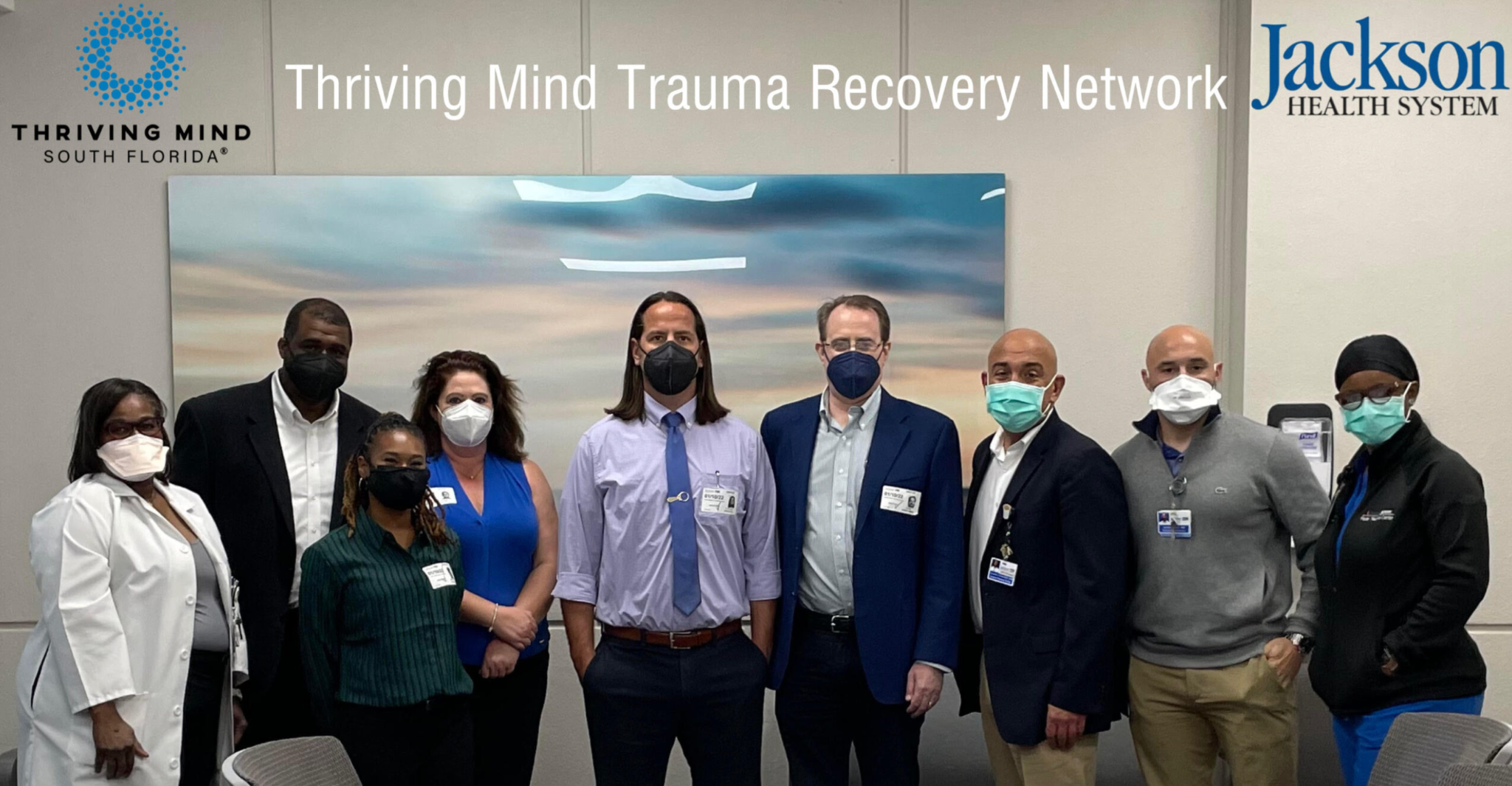
Safer Cities recently spoke with Steven Proctor, PhD, Program Director of the Thriving Mind South Florida Trauma Recovery Network, about why trauma recovery must include entire families, how addressing urgent practical needs can create a path toward therapy and how the center reaches survivors who may never seek services on their own.
- On Recognizing That Violence Affects Entire Families: “Through our Trauma Recovery Network—funded by the Florida Attorney General’s Office—we serve child and adult victims of violent crime and, just as importantly, their families. In fact, about 40% of the more than 1,700 people we’ve served have been family members because violence doesn’t just affect the person who was victimized. The impact of violence extends to parents, spouses, children, siblings, and entire support systems… Our program serves individuals of all ages, ranging from the family of a 2-month-old sexual abuse victim to the family of an 85-year-old grandmother who was killed by gun violence while sitting on her front porch. While every story is unique, they’re all trying to rebuild their lives after unimaginable loss or trauma.”
- On Trauma Recovery: “Many people assume trauma recovery begins with therapy, but that’s often not where recovery starts. Only about one-third of the people we serve are ready to engage in mental health treatment initially. We’ve found that before someone can focus on therapy, they may need a safe place to live, help paying for a loved one’s funeral, transportation to medical appointments, assistance applying for Victim Compensation, or simply someone they trust to answer the phone when everything feels overwhelming… That’s why our model pairs Care Coordinators with Peer Victim Advocate Specialists—individuals who have personally survived gun violence or domestic violence—to help victims and families overcome barriers and connect them to the services they need most… Our team does so much more than just make referrals; they build relationships and that trust is often what opens the door to everything else.”
- On Creating A No-Wrong-Door Approach To Services: “Our ‘no-wrong-door’ approach allows people impacted by violence to enter our program through multiple pathways. Referrals come from the Level I Ryder Trauma Center at Jackson Memorial Hospital, a number of hospital emergency departments, victim advocates at more than a dozen South Florida law enforcement agencies, community organizations, and self-referrals.
One example is our partnership with Ryder Trauma Center, where we have a social worker who reviews the daily trauma census to identify patients who may benefit from our services and begins connecting with them while they’re still in the hospital… We provide trainings for law enforcement, participate in domestic violence awareness walks, attend candlelight vigils and community resource fairs, and work alongside a Community Advisory Board we created that brings together survivors of domestic violence and sexual assault; mothers who have lost children to gun violence; mental health clinicians; victim advocates from local police departments; and other community leaders.”
3. Cities Turning To Community Responder Teams To Help Police Focus On Higher-Priority Calls And Deliver “The Right Response At The Right Time.”
- In Baltimore, Maryland, Expanded Community Response System Will Turn 911 Into “More Than Just An Emergency Number” And Deliver “The Right Response At The Right Time.” For WYPR, Scott Maucione reports that Baltimore is using $15 million in opioid-settlement funds to build a 24/7 community response service for calls involving homelessness, addiction, mental health and other situations that do not require police, fire or EMS. Existing mobile crisis teams already send a clinician and peer counselor to mental health-related calls, but the new broader system will also connect residents to housing, health care and other support before problems deepen. Rebecca Neusteter, executive director of the University of Chicago Health Lab, explained that the model helps ensure residents receive “the right response at the right time” and gives responders “a better toolbox” to actually resolve calls. For theGrio, Brandon Caldwell reports that the expansion is part of Mayor Brandon Scott’s larger strategy for using more than $400 million in opioid settlements to help people facing poverty, addiction and mental health challenges “without punishing them through incarceration.” Baltimore Director of Overdose Response Sara Whaley said the goal is to provide “wraparound services and support” that keep residents from becoming further involved in the emergency system.
- Minneapolis, Minnesota Pilots Civilian Crash Responders To Help Police Focus On Higher-Priority Calls And “Reduce Response Times” For Emergencies. For KSTP, KaMaria Braye reports that Minneapolis is using part of a $2.5 million federal grant to pilot civilian traffic investigators who can respond to non-injury crashes, meet with drivers, document incidents and take photographs instead of dispatching police officers. The Minneapolis Police Department said, “Without a doubt, the program supported by this grant will free up officers to respond to higher priority 911 calls,” adding that there is “a high probability” it will also reduce response times for those emergencies. Will Christenson, director of design and implementation for the city’s Office of Community Safety, called the approach “a win-win for the city and for the residents,” explaining that officers otherwise can spend significant time completing paperwork at crashes where “there is no injury” and “it is not a violent situation.”
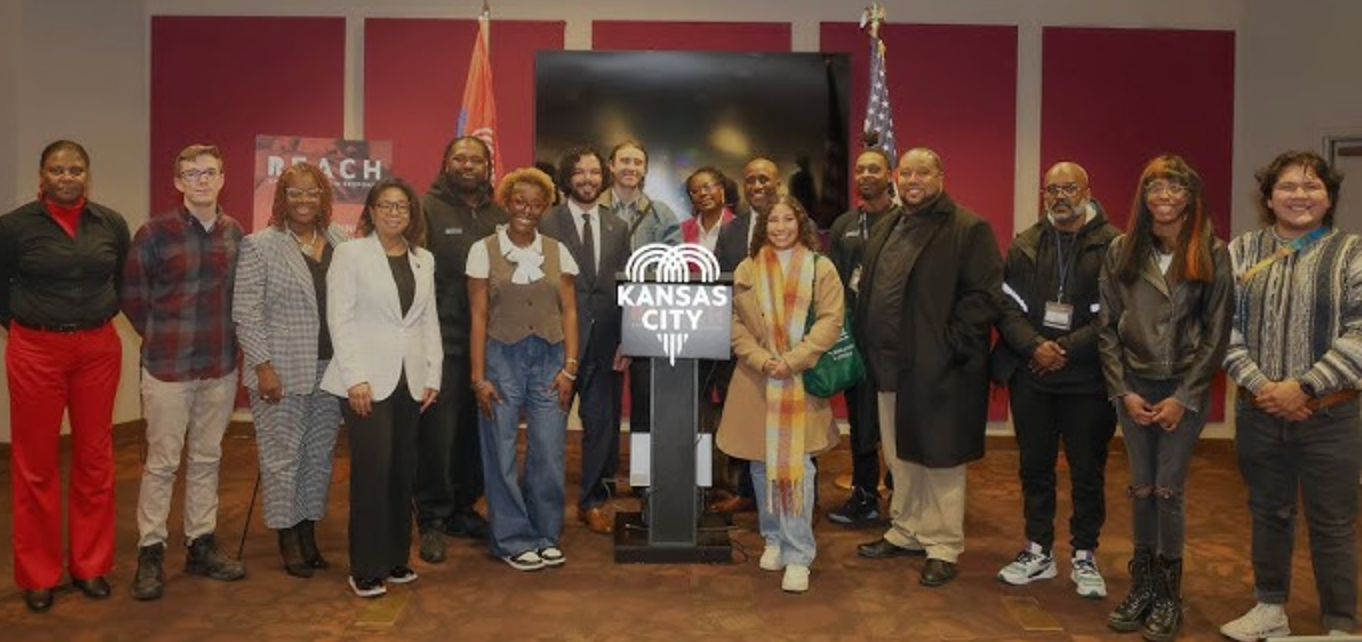
- In Kansas City, Missouri, REACH Responders Give Residents “A Path To Get Help Instead Of Going To Jail,” Reduces Strain On Law Enforcement. The city’s REACH pre-arrest diversion program, the first program of its kind in Kansas City, connects adults at risk of arrest for minor, nonviolent offenses with help addressing mental health challenges, substance use, homelessness and extreme poverty. The city explains that the team engages when “arrest simply isn’t the best answer,” and in many of these situations providing treatment and connection to stabilizing services instead of arrest and jail also “allows law enforcement to focus on more serious crimes.” The program combines community response with immediate assistance—such as food, shelter and safe transportation—and longer-term navigation into treatment, employment and permanent housing. REACH recently reported that the program is showing promise: 87% of its active clients have not been reincarcerated since engaging with the program, while multiple participants have secured stable housing and employment or accessed mental health and substance use treatment. As the program explained, “People are being diverted from jail and connected directly to community-based support.”