A new study published in Community Mental Health Journal from researchers at the University of California, Berkeley, UC San Francisco and Contra Costa Health examines how family caregivers experienced a county-run mobile behavioral health crisis program in the Western United States. The 24/7 program uses a clinician-staffed crisis call center and mobile crisis response teams of clinicians and peer support workers to respond to people experiencing mental health or substance use crises. Researchers conducted in-depth interviews with 11 family caregivers and drew additional context from 29 days of field observations with mobile crisis teams.
The researchers found that “families identified the mobile crisis service as a substantial improvement over the other options they could turn to for help,” reporting that the service “alleviated isolation,” produced responders who understood the dynamics inside their homes and gave them “a safe and responsive resource to call when needed.” The study concluded that the availability of mental health responders offered families relief “both during and after crisis episodes.” The full study is worth reading for anyone developing a mobile crisis response team, but here are some topline findings:
- Responding In The Home Supports Person In Crisis, Allows For Faster De-Escalation. One family explained to researchers that communities need “more people like mobile crisis response to come out to the house and to de-escalate in the home and to be in the actual living environment and see what’s going on… the home space is so important to actually building any understanding or ability to [resolve the crisis].” Responders can “see the kid in the house, see the environment, see how they are, see what their level of comfort is, and work from there.”
- Teams Bring Extensive Training That Builds Trust And Reduces Stigma. Families said that they especially valued responders whose expertise included lived experience. One family member explained that “having responders with lived experience helped to counteract the isolation that could come with being a caregiver for someone with acute mental health needs… ‘it’s not just the kind of on the job training that’s happening, it’s all of the life training that helps all of these experiences that the staff are bringing with them.’” Another caregiver said the responders “humanized…[and] de-stigmatized” the crisis: “I felt connected. I felt suddenly it was possible [to resolve the crisis].”
- Families Found Mobile Responders “Approachable, Very Thoughtful, And Not At All Intimidating” Leading To Better Outcomes. One family member said, “It wasn’t a feeling of police entering my home… [the responders] felt official, but they didn’t seem intimidating.” Instead of “a bunch of police rolling up to your house and coming in,” the team was “very approachable [and] very thoughtful.” Researchers found that families perceived mental health crisis response teams as “less intimidating and better able to mediate the crisis episode.”
Momentum For Mobile Crisis Response Teams Around The Country:
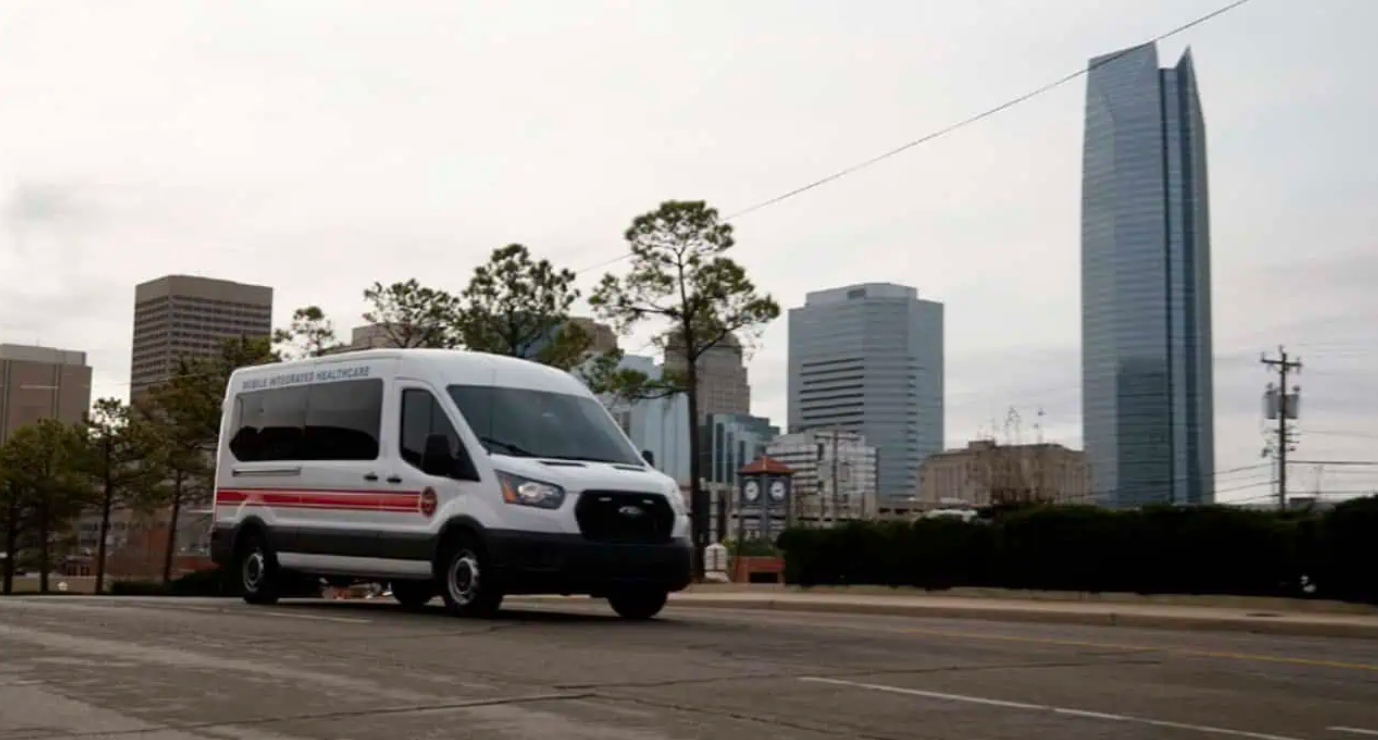
- In Oklahoma City, Oklahoma, Mobile Crisis Program Celebrates A Year Of Service, Gives City A “Fourth Option… [Because] Not Every Call Needs Fire, [EMS], Or Police.” For Oklahoma City Free Press, Tyler Smothers reports that the Mobile Integrated Healthcare team has responded to more than 5,000 service encounters as it marks its first year in operation. The team is housed inside the city’s Fire Department and embeds mental health professionals in the 911 communications center, dispatches teams pairing a clinician with a specially trained paramedic and provides follow-up support for frequent 911 users. Lori Brown-Loftis, who oversees the unit, said the initiative has received “unanimous support from City Council” because city leaders understand that sometimes residents need trained professionals who can “provide the most appropriate response” since “not every call needs fire, EMSA, or police.” The city also sent Safer Cities its most recent program data, showing growing demand for the team’s services: In March through June alone, the team responded to 1,274 calls, stabilized 537 people in the field, and transported 177 people to crisis stabilization or urgent recovery centers, rather than jail or an emergency room.
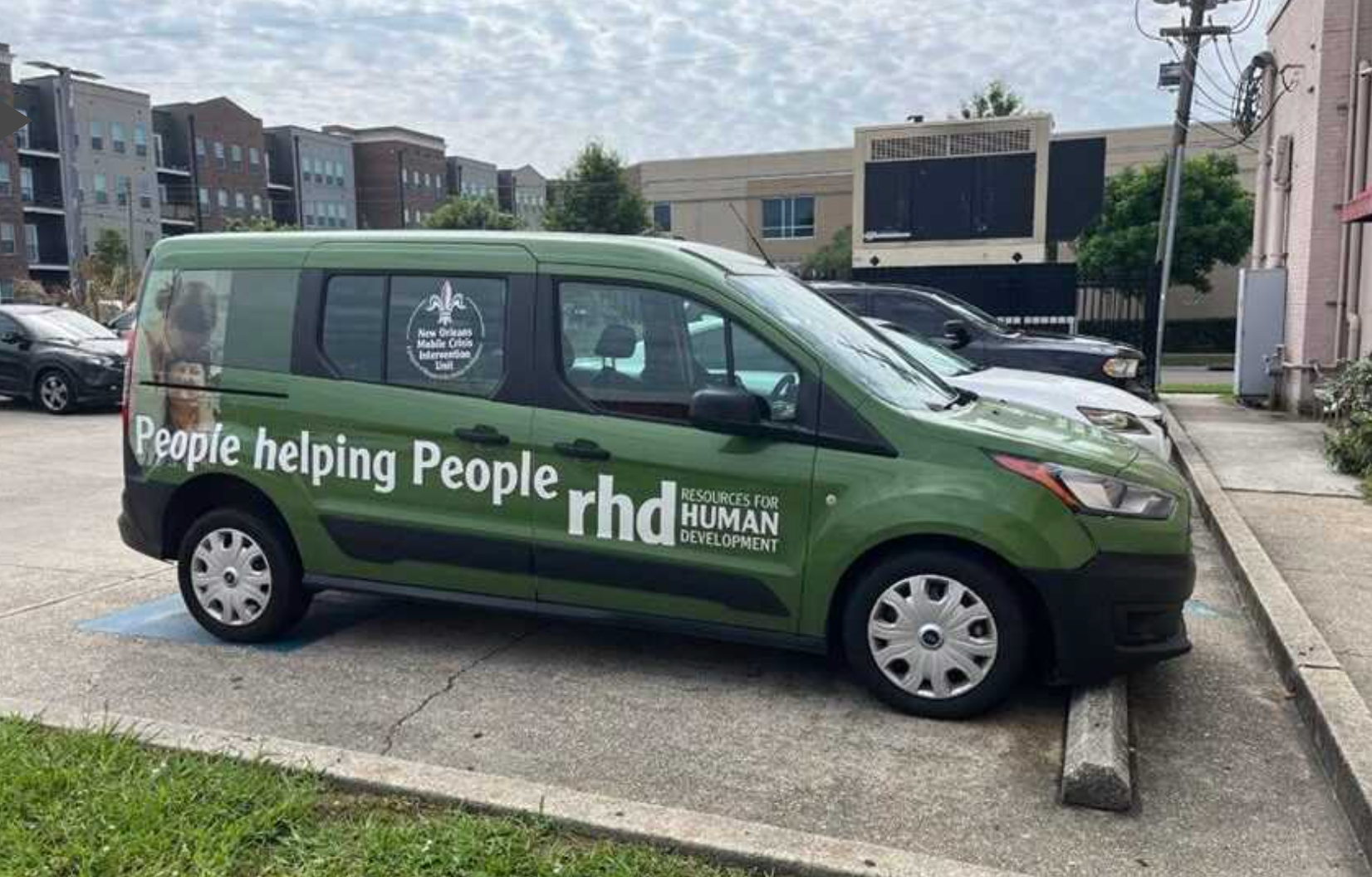
- In New Orleans, Louisiana, Mobile Crisis Team Diverts Nearly 40% Of Calls From Police, Fire And EMS, Helping Officers “Remain Available For Emergencies.” New Orleans CityBusiness reports that the city’s Mobile Crisis Intervention Unit—which operates 24 hours a day as a “fourth component” of the emergency response system alongside police, fire and EMS—responded to 3,769 behavioral health calls in 2025, with an average response time of 17 minutes. New Orleans Police Officer Reese Harper, a champion of the mobile crisis team, explained: “Public safety is about connecting people with the right response at the right time” and when mental health professionals can safely respond, “officers remain available for emergencies while individuals in crisis receive the specialized care they deserve.” City leaders explained that the mobile crisis response team is a core component of a modern public safety infrastructure through “resolving behavioral health crises in the community [which] allows police officers to remain available for higher-priority public safety calls, reduces unnecessary emergency department visits and lowers emergency response costs while connecting residents with clinical care rather than the criminal justice system.”
- Ann Arbor, Michigan Unanimously Approves Civilian Crisis Team For Calls “That Were Never Criminal To Begin With.” For MLive, Ryan Stanton reports that the City Council voted 10-0 to launch SPROUT, a civilian program that will deploy two teams of licensed clinicians to non-emergency, low-risk calls involving behavioral health needs, welfare checks, homelessness, victim support and connections to social services. Mayor Christopher Taylor praised police officers for “putting themselves on the line to help others,” while explaining that “not every circumstance requires their engagement” and that giving residents more response options will “help folks’ lives be so much better.” Council Member Cynthia Harrison explained that prior to SPROUT, people in a mental health crisis often had very few options aside from being “ticketed, arrested or trespassed — no mediator, no clinician, no opportunity to intervene before the criminal legal system took over”. But now, she said, the SPROUT unit will send “someone trained to listen, deescalate and connect them to care.”