- In Baltimore, Maryland, Expanded Community Response System Will Turn 911 Into “More Than Just An Emergency Number” And Deliver “The Right Response At The Right Time.” For WYPR, Scott Maucione reports that Baltimore is using $15 million in opioid-settlement funds to build a 24/7 community response service for calls involving homelessness, addiction, mental health and other situations that do not require police, fire or EMS. Existing mobile crisis teams already send a clinician and peer counselor to mental health-related calls, but the new broader system will also connect residents to housing, health care and other support before problems deepen. Rebecca Neusteter, executive director of the University of Chicago Health Lab, explained that the model helps ensure residents receive “the right response at the right time” and gives responders “a better toolbox” to actually resolve calls. For theGrio, Brandon Caldwell reports that the expansion is part of Mayor Brandon Scott’s larger strategy for using more than $400 million in opioid settlements to help people facing poverty, addiction and mental health challenges “without punishing them through incarceration.” Baltimore Director of Overdose Response Sara Whaley said the goal is to provide “wraparound services and support” that keep residents from becoming further involved in the emergency system.
- Minneapolis, Minnesota Pilots Civilian Crash Responders To Help Police Focus On Higher-Priority Calls And “Reduce Response Times” For Emergencies. For KSTP, KaMaria Braye reports that Minneapolis is using part of a $2.5 million federal grant to pilot civilian traffic investigators who can respond to non-injury crashes, meet with drivers, document incidents and take photographs instead of dispatching police officers. The Minneapolis Police Department said, “Without a doubt, the program supported by this grant will free up officers to respond to higher priority 911 calls,” adding that there is “a high probability” it will also reduce response times for those emergencies. Will Christenson, director of design and implementation for the city’s Office of Community Safety, called the approach “a win-win for the city and for the residents,” explaining that officers otherwise can spend significant time completing paperwork at crashes where “there is no injury” and “it is not a violent situation.”
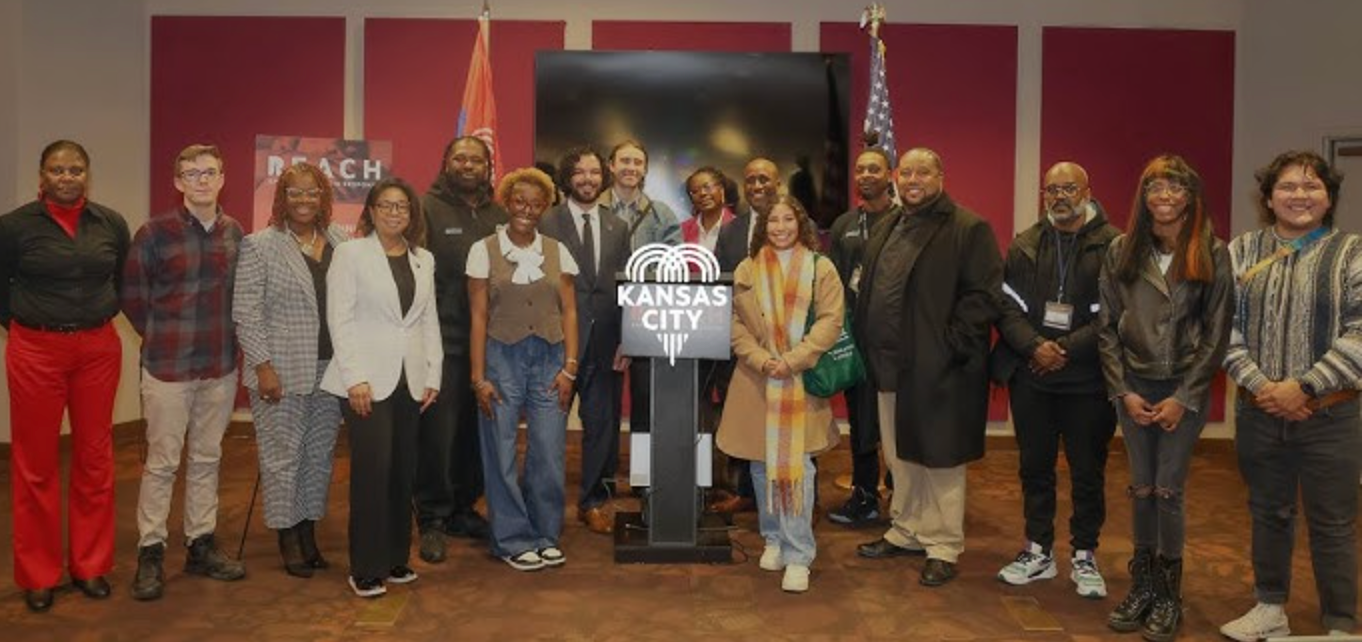
- In Kansas City, Missouri, REACH Responders Give Residents “A Path To Get Help Instead Of Going To Jail,” Reduces Strain On Law Enforcement. The city’s REACH pre-arrest diversion program, the first program of its kind in Kansas City, connects adults at risk of arrest for minor, nonviolent offenses with help addressing mental health challenges, substance use, homelessness and extreme poverty. The city explains that the team engages when “arrest simply isn’t the best answer,” and in many of these situations providing treatment and connection to stabilizing services instead of arrest and jail also “allows law enforcement to focus on more serious crimes.” The program combines community response with immediate assistance—such as food, shelter and safe transportation—and longer-term navigation into treatment, employment and permanent housing. REACH recently reported that the program is showing promise: 87% of its active clients have not been reincarcerated since engaging with the program, while multiple participants have secured stable housing and employment or accessed mental health and substance use treatment. As the program explained, “People are being diverted from jail and connected directly to community-based support.”