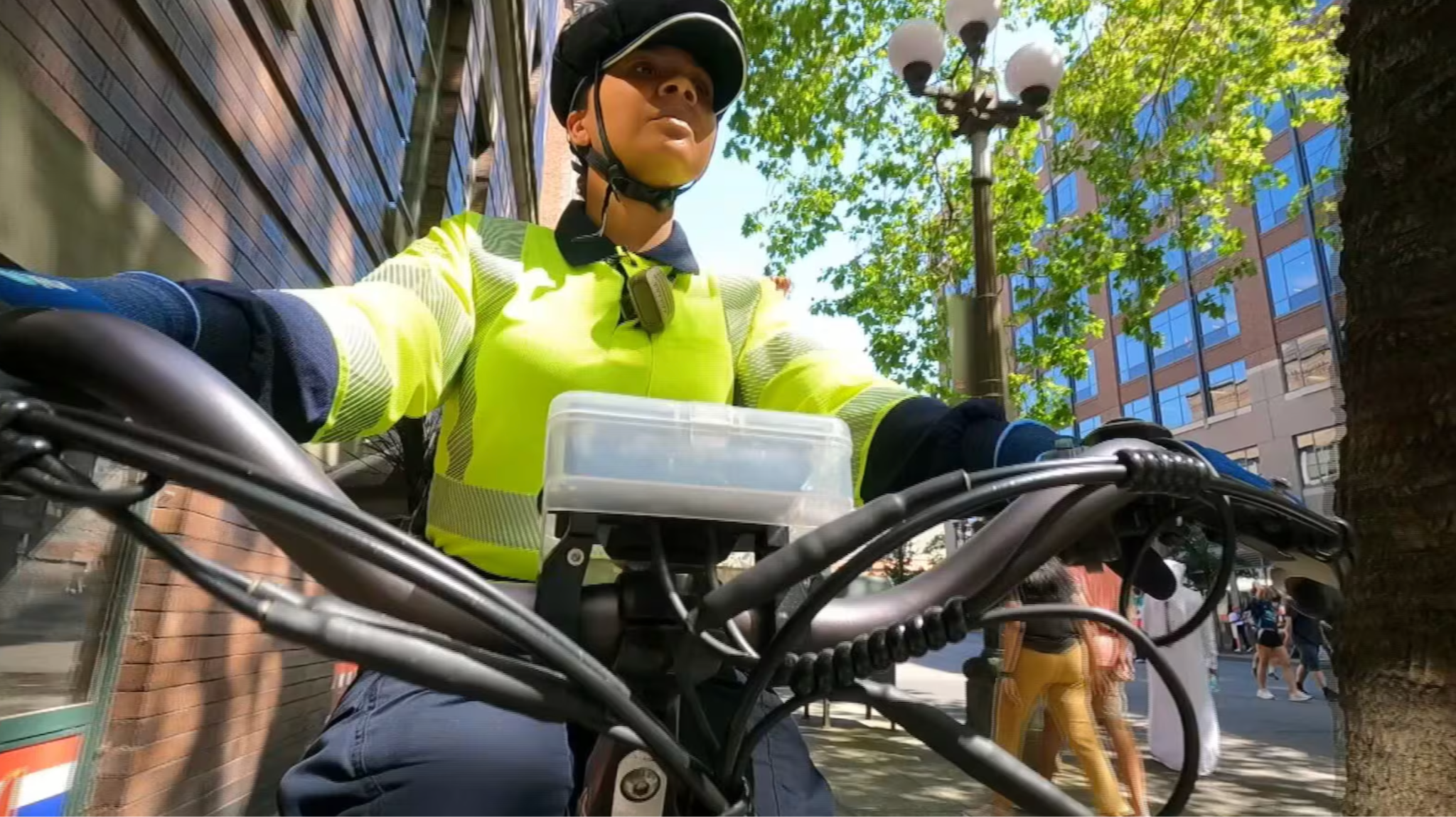
1. New York Times: Community Violence Intervention Teams Are A “Force… Staving Off Conflict” In Cities Across The Country, Part Of “New Ecosystems Of Public Safety.” For The New York Times, Shayla Colon reports on how community violence intervention has grown into an increasingly important part of the public safety infrastructure in cities across the country. Colon interviewed dozens of CVI workers, elected officials and police officers involved in violence prevention to better understand how credible messengers mediate disputes, prevent retaliation and reach people at the highest risk of becoming involved in violence. Colon writes that cities once relied primarily on police but “found there were limits on what even intensive policing could do to prevent violence” and so city leaders have given trained CVI experts “a greater role in staving off conflict” and have helped to develop “new ecosystems of public safety.” The full article is worth your time, but here are some toplines:
- Stopping Shootings Before They Happen. Colon writes that violence intervention responders, called “credible messengers” are de-escalation experts whose life experiences allow them “to connect with individuals whom the police [often] struggle to reach.” Cobe Williams, national director of Cure Violence, explained that their “main focus is stopping shooting and killing on the front end before it happens… if you have the relationships with people out there, you can stop the shooting and killing.” In Orlando, Florida, Raysean Brown, strategy director for Peace Orlando, recalled a tense moment that could have turned deadly with two groups of young people who had firearms, but thanks to his team intervening, “everybody made it home that night.” Brown explained that CVI teams help “buy time, a lot of these situations de-escalate themselves [with time and trusted messengers responding].”
- Preventing Retaliation. Colon reports that after a shooting, intervention workers step in “to prevent retaliation, minimize lethal violence and provide specialized care.” Karla Glasgow, a frontline hospital worker with Kansas City’s Aim4Peace hospital-based program, explained to the newspaper that, often “if [CVI responders] can get to the person within the hour of the incident occurring, that can go a long way to stopping retaliation.” Zinnia Alejandro, a CVI responder, shared with the newspaper a time when a wounded young man was also being targeted by the people who killed his brother. Alejandro found him, moved him out of the area and helped get him out of the country that same day: “[W]e managed to save the boy’s life.”
- Partnering With Law Enforcement. Colon writes that Portland created an Office of Violence Prevention “to enable coordination between the police department and community-based organizations.” Violence interrupter Marvin Young explained that community organizations meet each week to receive referrals and “every other week, the police bureau is online with us.” Portland police officer Jason Hubert described how police and community partners work together after violence occurs: “Me and the CBOs and Ceasefire, we’ll help pay for bills.… We’ll get counseling for the family. We’ll pay for rent if the family needs to move.” As Raysean Brown explained, “We don’t get in the police’s way.… [We are] here to try to achieve the same goal, which is to bring peace to the community.”
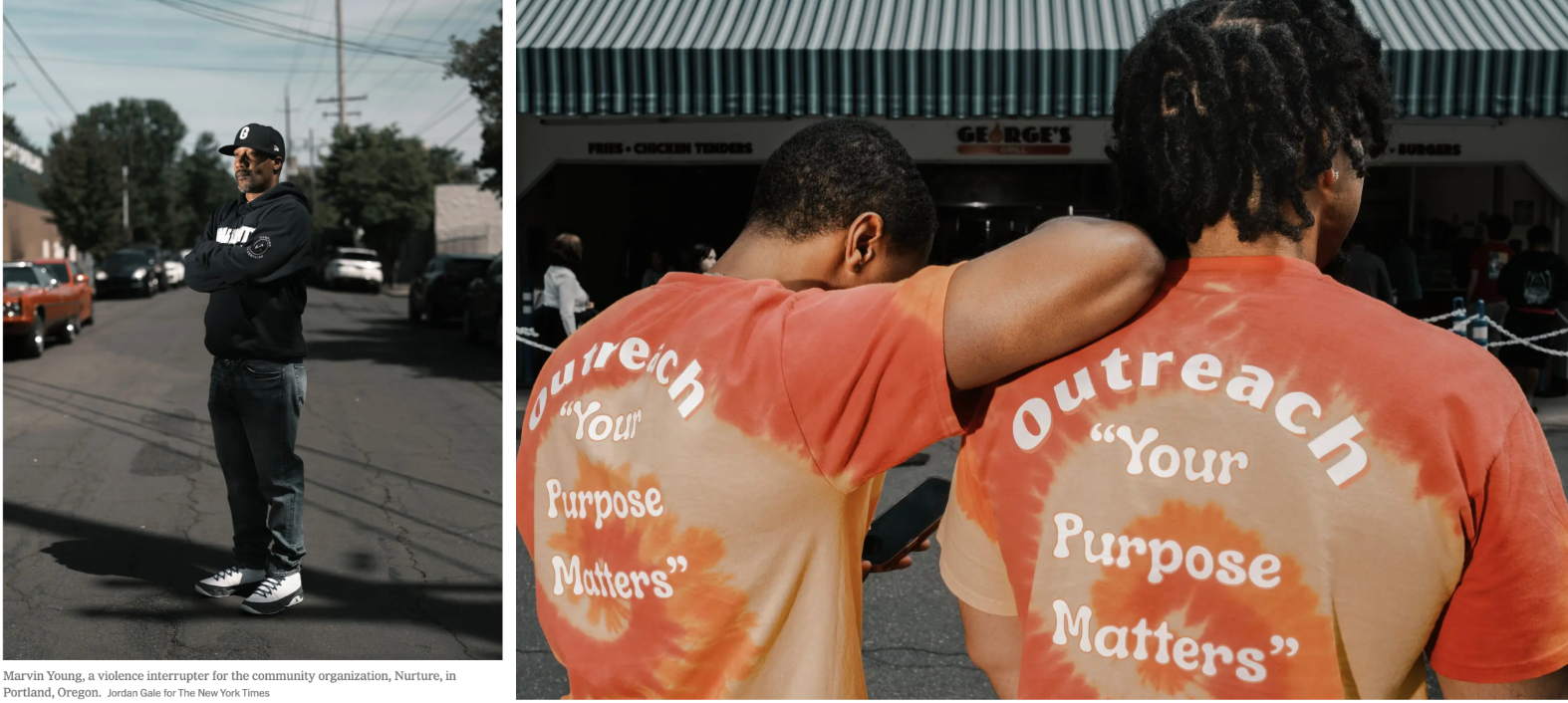
More Cities Turning To CVI Teams To Increase Public Safety:
- Baltimore, Maryland’s “Extraordinary Decline In Violence” Provides A Map For How Cities Can Reduce Gun Violence “At Scale” With CVI. For The Trace, Chip Brownlee reports that Baltimore’s “coordinated system combining focused deterrence, community violence intervention, victim services, improved investigations, and sustained leadership from City Hall” may be “one of the clearest examples yet of a city reducing gun violence at scale.” As Brownlee notes, “a growing body of research suggests that the city’s approach to reducing shootings at scale may be one of the most effective yet.” In just the first six months of 2026, Baltimore recorded 50 homicides—“the fewest…since at least the 1960s”—while an evaluation found the city’s Group Violence Reduction Strategy was associated with “a roughly one-third decline in shootings and homicides” and a roughly 40% decline in carjackings in its initial district.
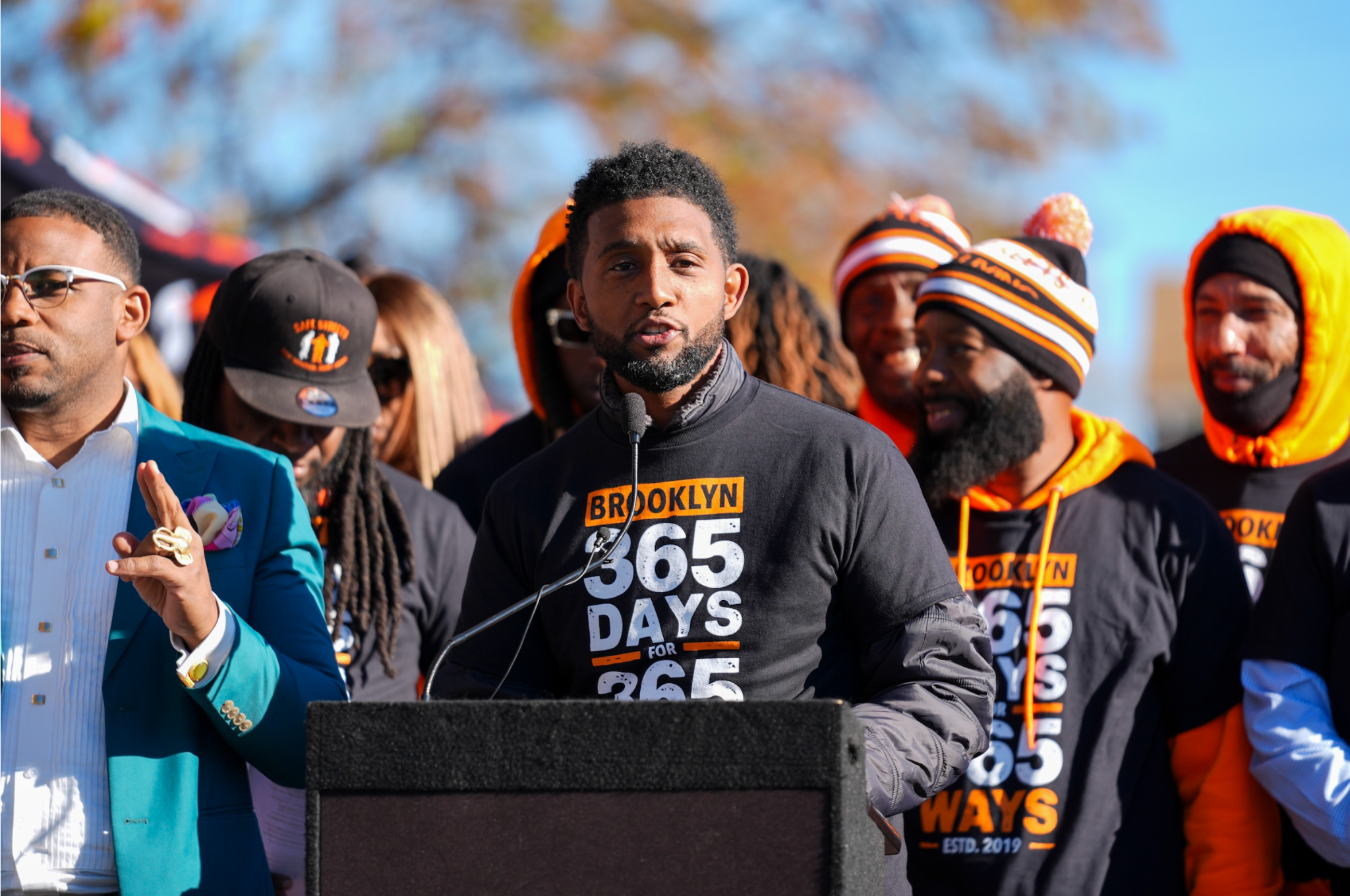
- Chicago And Cook County, Illinois, Are Building A More Permanent Public Infrastructure For CVI As County Gun Homicides Fall By More Than Half. For WTTW, Eunice Alpasan reports that Mayor Brandon Johnson signed an executive order creating an Office of Gun Violence Reduction—a “historic step in Chicago’s fight against gun violence”—to coordinate “violence prevention efforts, victim services and community safety investments,” develop a comprehensive five-year strategy and lay the groundwork for a permanent city department. Separately, FOX 32’s Terrence Lee reports that Cook County is investing another $20 million in community violence intervention after gun homicides fell from 1,007 in 2021 to 448 last year. “Community violence intervention works,” Toni Preckwinkle, County Board president and champion of the county’s CVI efforts, explained: “This work is difficult, relationship-based and often happens out of public view, but it saves lives.” The funding, which organizations can apply for here, will support “street outreach and intervention, case management, and victim services,” with organizations “meeting people where they are and connecting them to services and support, from getting IDs to trauma-informed counseling and job training.”
- Akron, Ohio, Launches CVI Program So “Victims Of Gun Violence And Their Families Will No Longer Have To Navigate Their Trauma Alone.” For the Akron Beacon Journal, Derek Kreider reports that the city’s new PIVOT program will connect gun violence victims and their families with “immediate support, trauma-informed care and long-term community resources.” And, as Akron.com details, the program will partner with local hospitals so that it can include interventions that begin during “the critical period immediately following a gun violence injury” to reduce retaliation, prevent reinjury, address trauma and create “pathways toward long-term stability and healing.” Dr. Rathna Shenoy, chief of trauma surgery at one of the partner hospitals, explained that early intervention “represents an opportunity not just to save a life, but to help change its trajectory.”
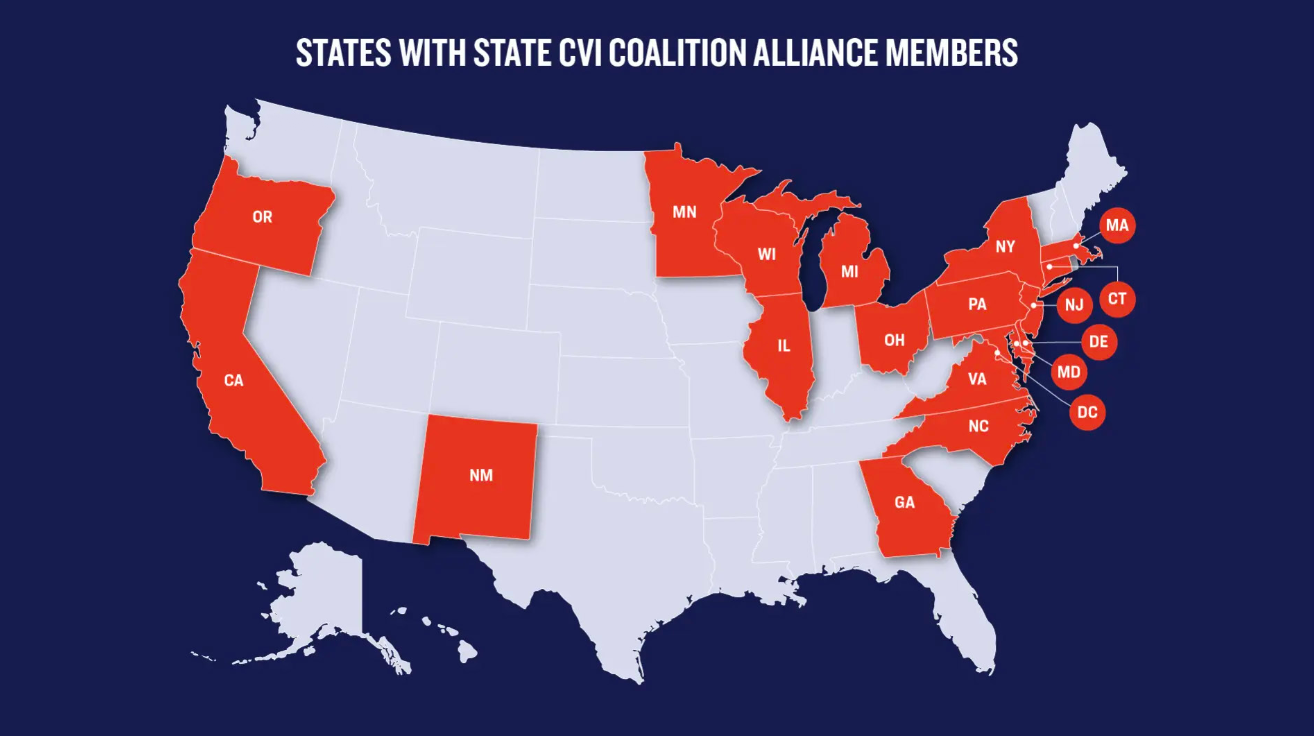
Related: “State Budgets Are Where The Largest CVI Investments Happen” And Cities Need Strong State-Level Coalitions To Shape Them. That’s the takeaway from a new first-of-its-kind report from Giffords Center For Violence Intervention. For city leaders and local CVI organizations, this valuable guide offers a practical framework for deciding whether to “join, revive, or build” a coalition, developing “collective leverage” and creating “a feedback loop between program experience and program administration” that no individual organization can build alone. As the authors conclude, stronger coalitions can help CVI “secure its rightful place as a central pillar of America’s public safety strategy”—and “will mean actual lives saved.”
2. Safer Cities Interview With Albuquerque’s Community Safety Department. Community Safety Departments centralize a city’s unarmed public safety services. These departments are co-equal to and work alongside other first responder departments, including police, fire and emergency medical services. They can house multiple divisions of trained experts who respond to behavioral health crises, substance use, homelessness and other situations that may be better served by a specialized civilian response, while also supporting violence intervention, street outreach and other programs that strengthen public safety.
Launched in 2021, the Albuquerque Community Safety Department was the nation’s first Community Safety Department and serves as the city’s third branch of public safety. Its teams respond to 911 and 311 calls involving behavioral health, substance use, homelessness and other non-criminal, non-medical needs; the department also operates street outreach, mobile crisis and violence intervention programs. Since its launch, ACS has responded to more than 156,000 calls for service. In 2025 alone, its responders handled more than 42,000 calls and freed up more than 31,000 hours for police and firefighters to focus on higher-priority emergencies.
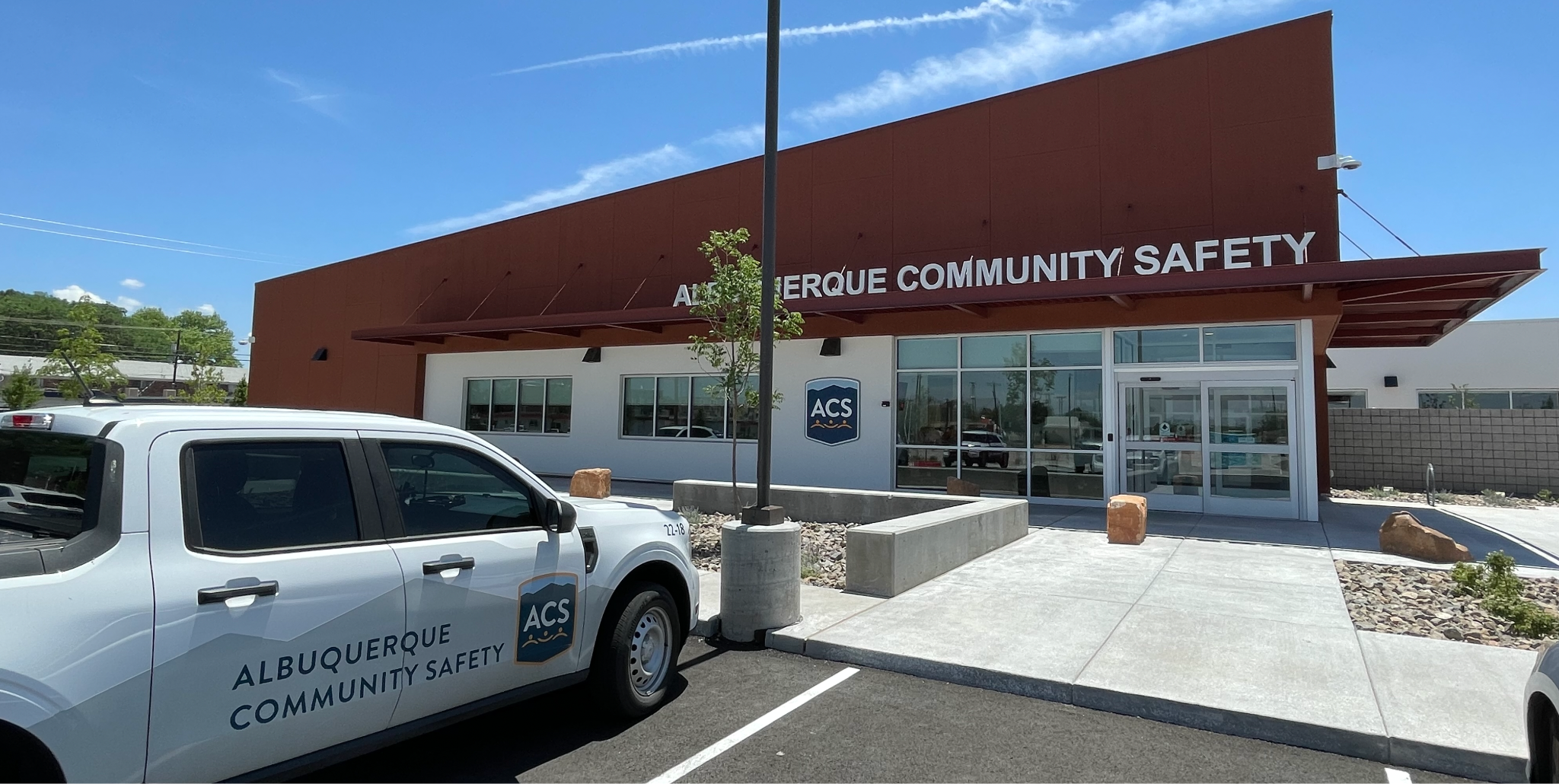
The department has also earned strong support from law enforcement. Recently retired Albuquerque Police Chief Harold Medina, a vocal supporter of the department, said the ACS responders “help to free up our officers so they can respond to high-priority calls,” adding: “This third branch of public safety bridges a gap, and provides residents with the response they deserve.”
Safer Cities recently spoke with Jodie Esquibel, Director of Albuquerque Community Safety, about matching each call for service with the right professionals, resolving crises, and connecting residents with long-term support:
- On Getting The Right Response To The Right Call: “Prior to ACS, many of these calls were handled by police officers and firefighters because there was no alternative response available. Those professionals often responded to situations that extended beyond their traditional law enforcement or emergency medical roles. The creation of ACS recognized that some community needs are best addressed through a different approach… [that] helps ensure people receive the right response from the right professionals while allowing police officers and firefighters to remain focused on their primary public safety responsibilities.”
- On Defining Success Beyond The Immediate Response: “A good outcome depends on the situation and the needs of the individual, but generally it means helping resolve the immediate concern while connecting people with the resources and support that can help address longer-term needs. Many of the calls ACS responds to involve complex challenges that cannot be solved during a single interaction. In those situations, success may look like de-escalating a crisis, building trust with an individual, conducting a needs assessment, and creating a pathway to services and support. For someone experiencing a mental health crisis, that may mean providing a calm, trauma-informed response and connecting them to behavioral health resources. For someone experiencing homelessness, it may begin with establishing a relationship and connecting them with shelter, medical, or social service providers.”
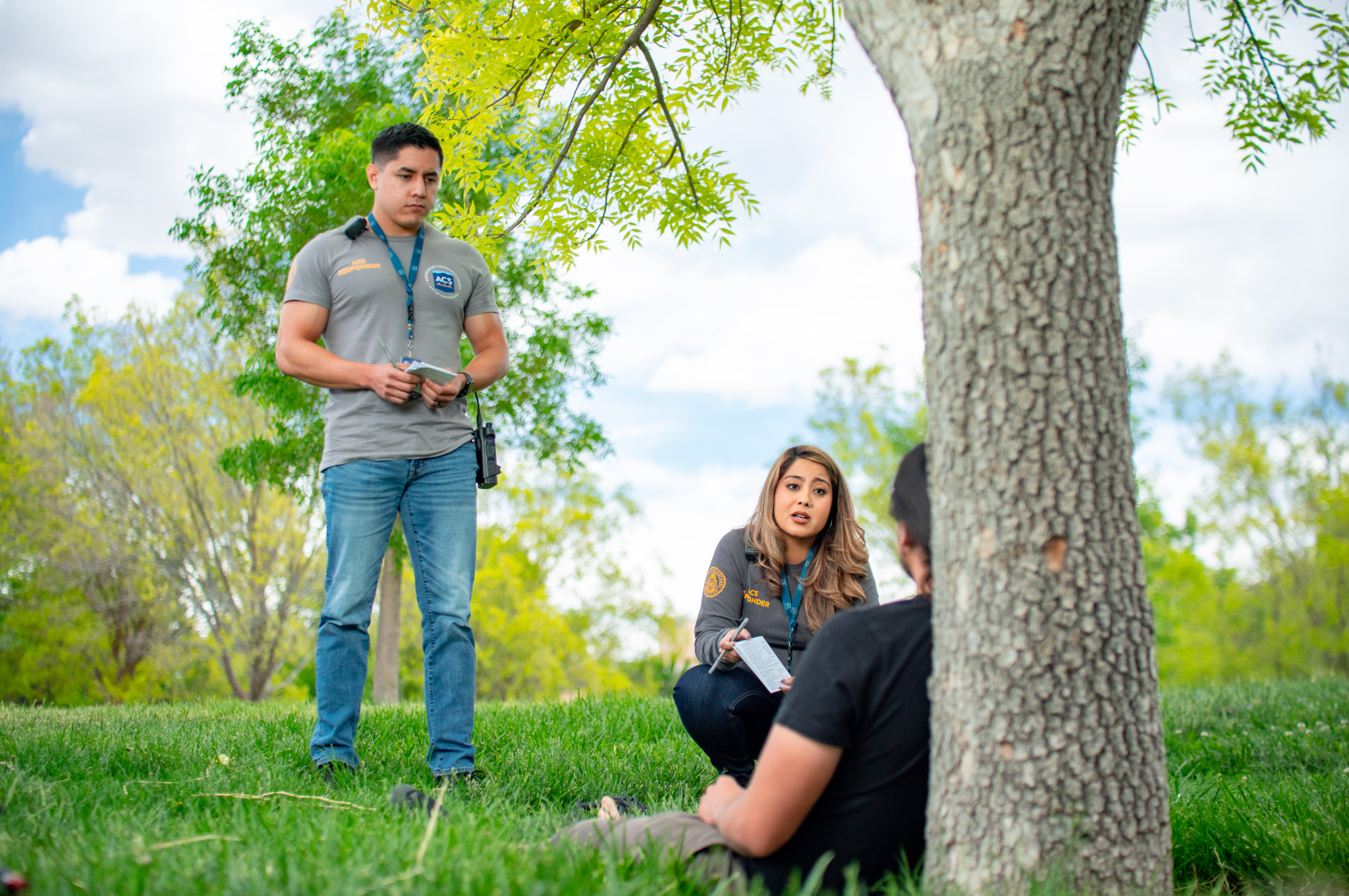
- On Why Specialized Training Makes The Difference: “…ACS responders are specifically trained and equipped to address behavioral health, substance use, homelessness, and other social service-related concerns. ACS was created to provide a specialized response for situations that benefit from a different approach. ACS responders receive training in crisis intervention, de-escalation, trauma-informed care, behavioral health response, and community resource navigation.
This training helps them understand the factors that may be contributing to a person’s situation and identify appropriate pathways to support. In practice, that means responders can often spend more time listening, building rapport, assessing needs, and connecting individuals with services. Their focus is not on enforcement or emergency medical intervention, but on stabilization, problem-solving, and helping people access the resources that may improve their situation over the long term.”
3. Cities Turning To Clean Teams To Help Keep Public Spaces Clean, Safe, And Welcoming.
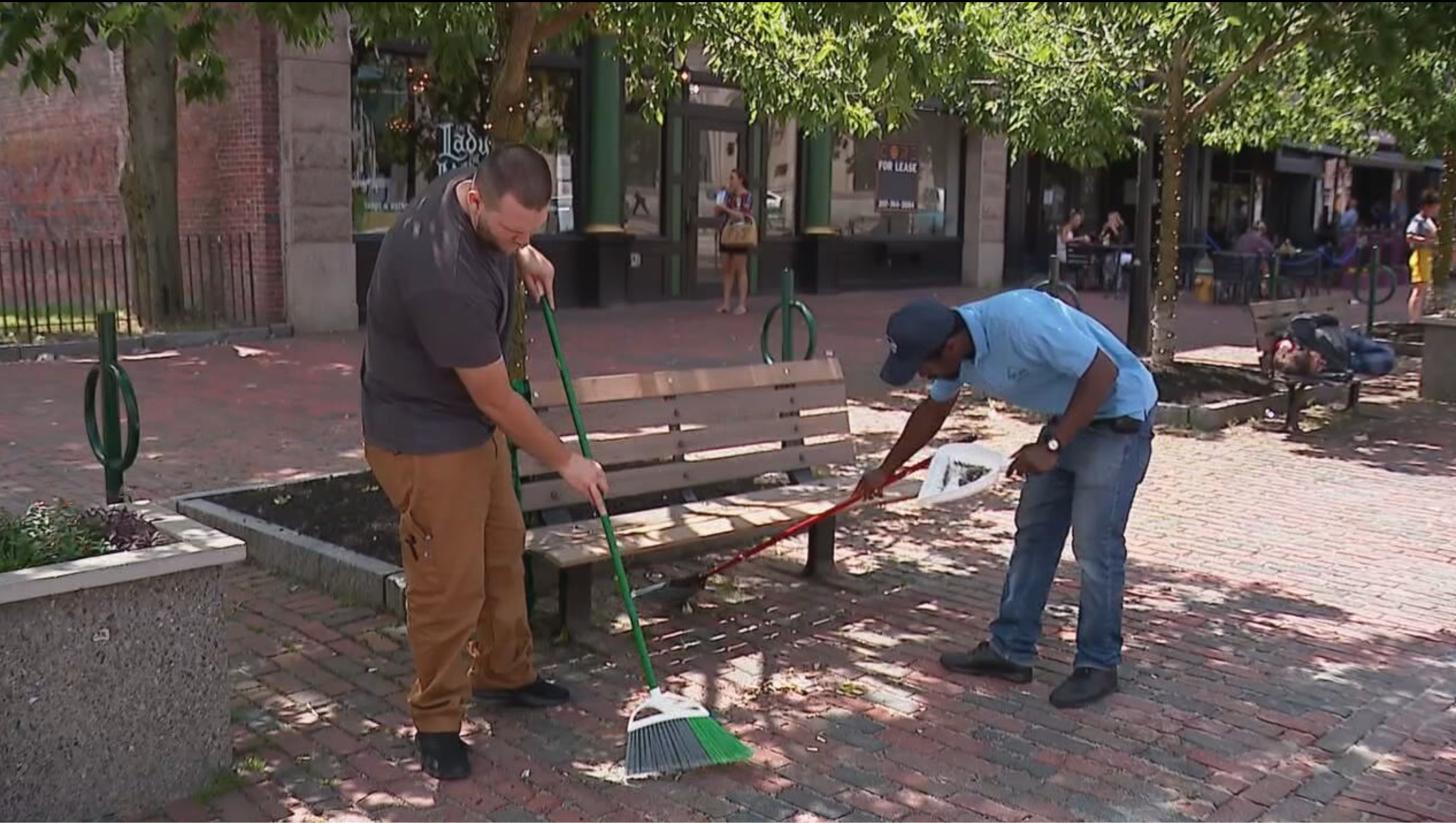
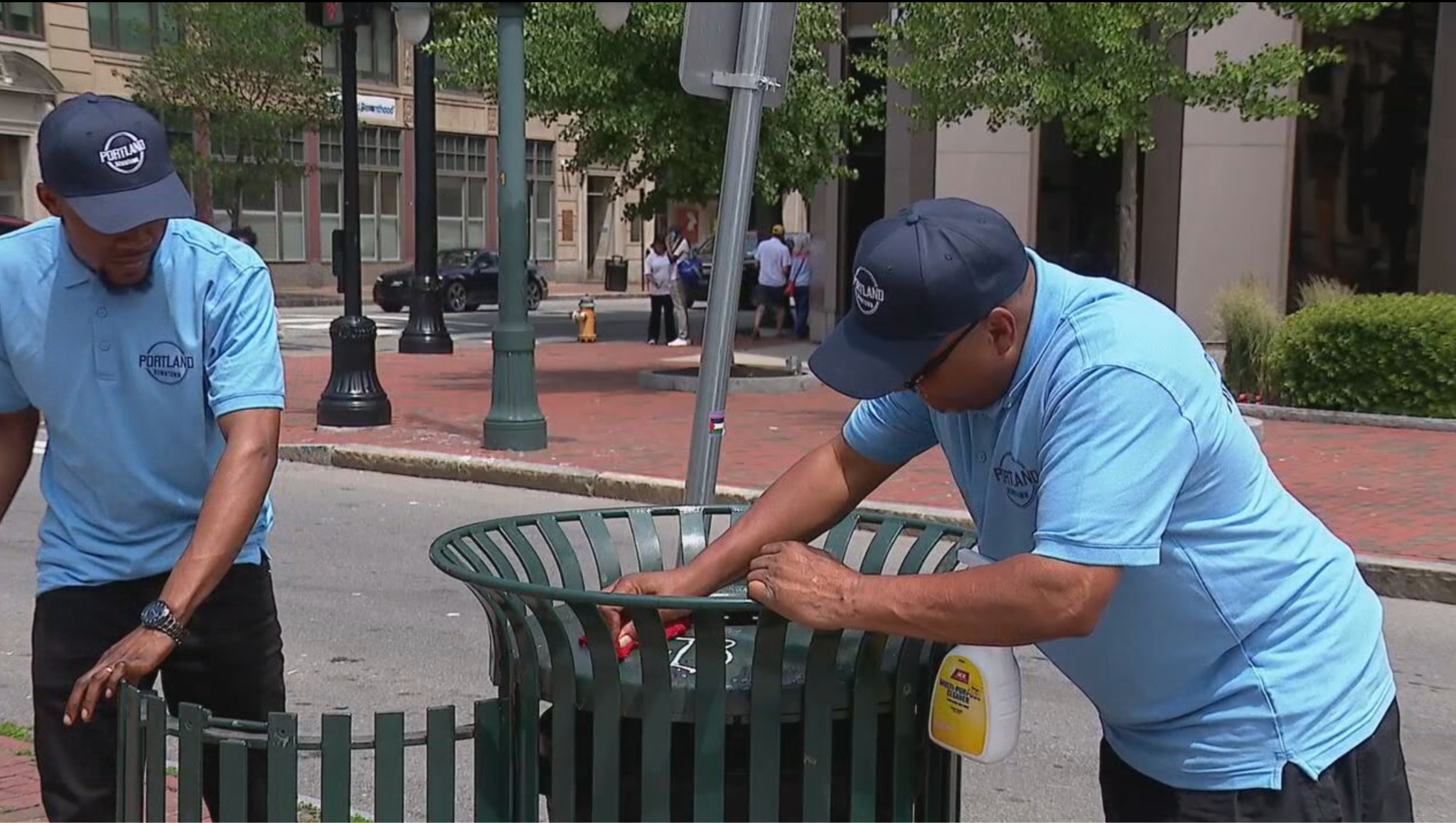
- Portland, Maine’s Clean Team Is Making “A Noticeable Difference” By Keeping Downtown Clean, Safe And Welcoming. For WGME, Sam DeCoste reports that the city’s 10-person street team “patrol[s] for litter, remove[s] graffiti and help[s] refer unhoused people to city services,” while checking for “trash cans overflowing,” targeting “hotspots” and filling cleanup gaps after the city’s last trash pickup. Portland Downtown Executive Director Cary Tyson, who oversees the clean team, explained the impact the team has made in just a year: “If you were downtown this time last year versus being downtown this year, you’ll notice a big difference.” He called the ambassadors “an extra set of eyes and ears” and said “that enhanced presence [has] given a higher level of comfortability to our visitors, our residents and our workers.… We’re making an impact.”
- Austin, Texas, Clean Team Removes Graffiti At No Cost, “Keeps The Community Safe And Healthy.” For KXAN, Ava Brendgord reports that Austin’s five-member graffiti inspection and removal team responds directly to 311 complaints, offering removal “at no charge to property owners” and completing the work “within 48 hours” after receiving consent. Since October, the city has received 428 requests and spent more than $100,000 through the pilot, with the team staying busy “from shift start to end.” Division Manager Dedric Knox said the program has “opened a door that didn’t exist before” and that “there is a need for it… so that we can continue to keep the community safe and healthy.”
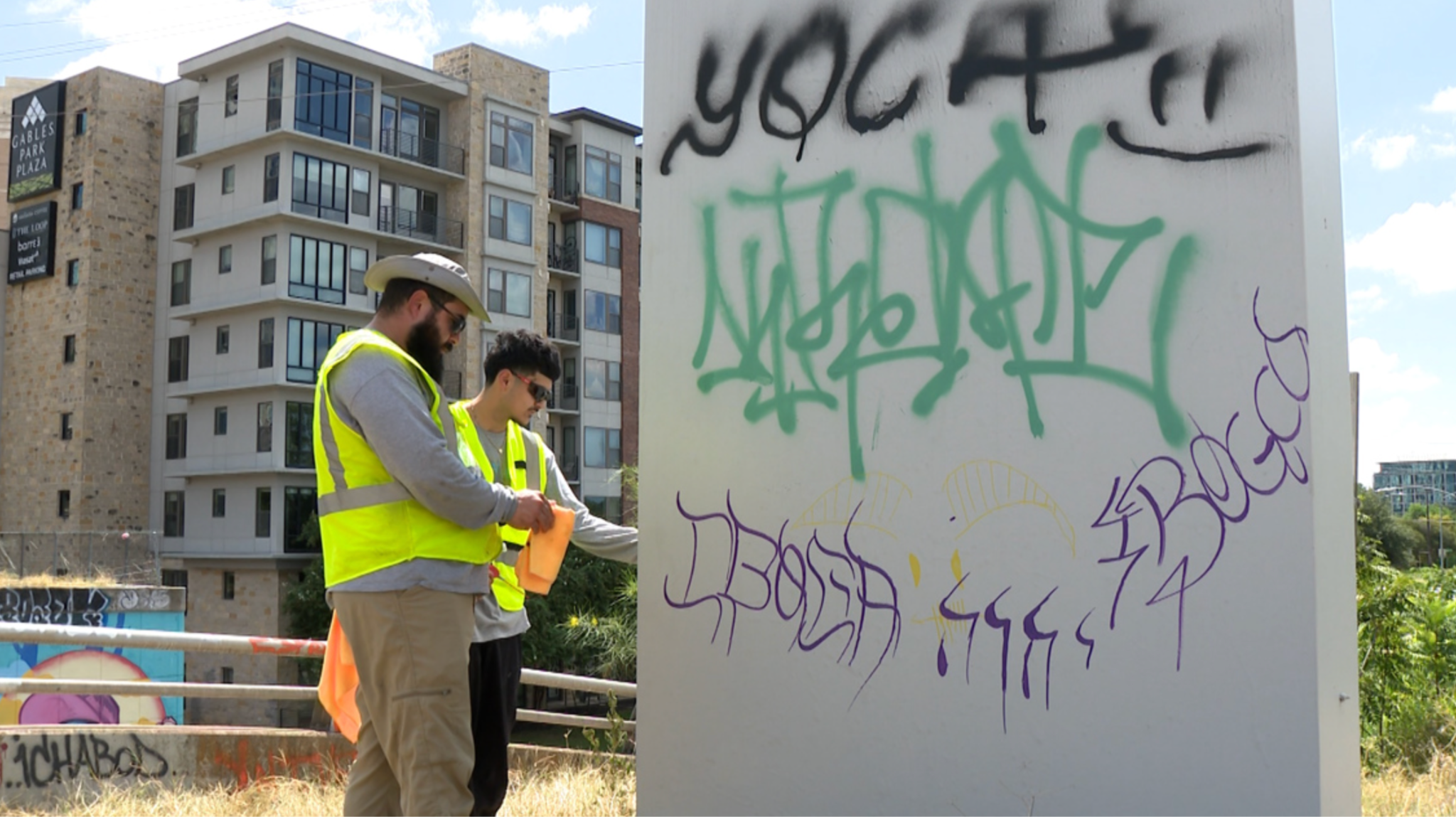
- Seattle, Washington’s Clean Team Removes More Than 1 Million Gallons Of Trash, 40,000 Graffiti Tags Each Year. For KIRO 7, Jack Bilyeu reports that Seattle’s “more than 100 Clean Team ambassadors” keep streets clean while “fielding calls from dispatch,” with brooms and dustpans at the ready. Their work “goes beyond just cleaning up”; the clean team also “act as guides,” helping people navigate the city, including with translator apps. Clean Team member Brittany Jordan said their visible presence encourages others to take care of public spaces: “If you care, they care… People care because they see us out here… and they’re very respectful.”