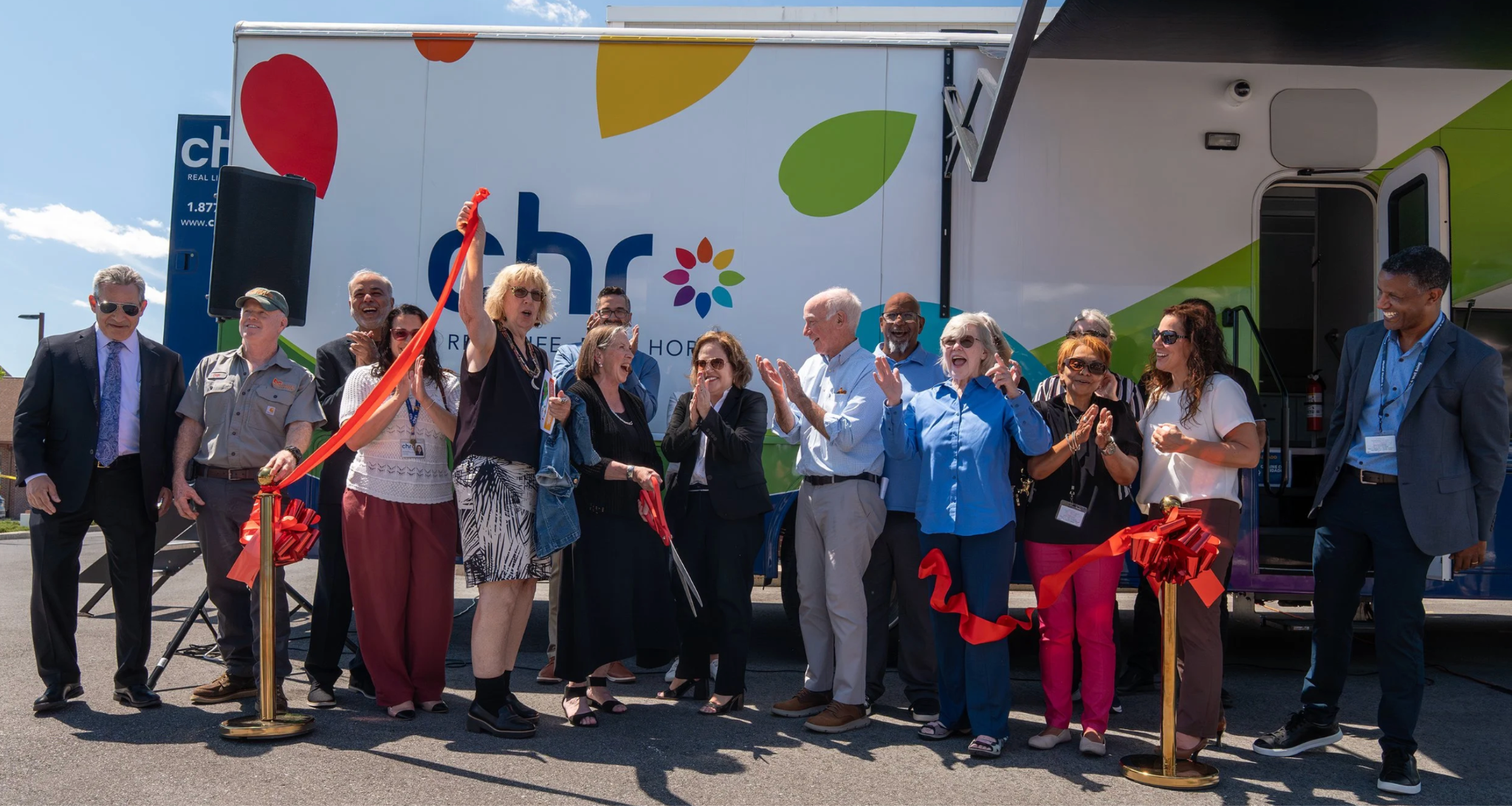
1. Study: Mobile Crisis Teams Offer “A Practical And Scalable Approach To Improving Safety.” Published in the Community Mental Health Journal, a new study from researchers affiliated with Florida International University, Washington University in St. Louis, Thriving Mind South Florida and The Village South/WestCare evaluated four Mobile Response Teams serving Miami-Dade County. The clinician-led teams respond to behavioral health emergencies in homes, schools and other community settings, providing on-site de-escalation, safety planning and connections to care.
As researchers explained, “The goals of [mobile crisis response teams] are to lessen trauma; divert individuals from emergency departments, juvenile justice or criminal justice settings; and prevent unnecessary [] hospitalizations.” Researchers examined administrative records from eligible crisis calls between May 2024 and April 2025, looking at how teams responded, how quickly they arrived, whether each crisis resulted in hospitalization or diversion and which factors predicted hospitalization. They concluded: “As communities continue to seek effective alternatives to law enforcement and hospital-based responses, [mobile crisis response teams] offer a practical and scalable approach to improving safety, access, and continuity of care during behavioral health crises.” The full study is worth your time, but here are three topline findings:
- Mobile Crisis Teams Diverted Nearly Two-Thirds Of Calls From Hospitalization. Across the 2,300 eligible calls in the study, 64.8% resulted in diversion: 35.3% were referred to services, 25.6% were “resolved by MRT [Mobile Response Team] intervention” and 4% were connected to other emergency services. Researchers said the teams helped “shift the trajectory of many behavioral health crises away from involuntary examination, psychiatric hospitalization” and hospital emergency departments.
- Response Times Are Comparable To Speed Of Law Enforcement, Capable Of “Rapid Crisis Intervention.” Under the program’s “in-person first model,” 95% of calls were handled face-to-face, with teams arriving in an average of 54 minutes and 55 seconds — within Florida’s 60-minute standard. Researchers said the results show that mobile crisis teams can provide “rapid crisis intervention” even in “one of the nation’s largest and most diverse counties.”
- Teams Diverted Lower-Risk Crises While Getting Higher-Risk People To Hospital Care. People assessed as high suicide risk or reporting a specific suicide plan were much more likely to be hospitalized, while nearly three-quarters of people assessed as low risk were diverted. Researchers said standardized risk assessments can help teams make “more consistent and evidence-informed” decisions, reducing “unnecessary hospitalizations” while “ensuring appropriate care for those at highest risk.”
More Momentum For Mobile Crisis Response Around The Country:
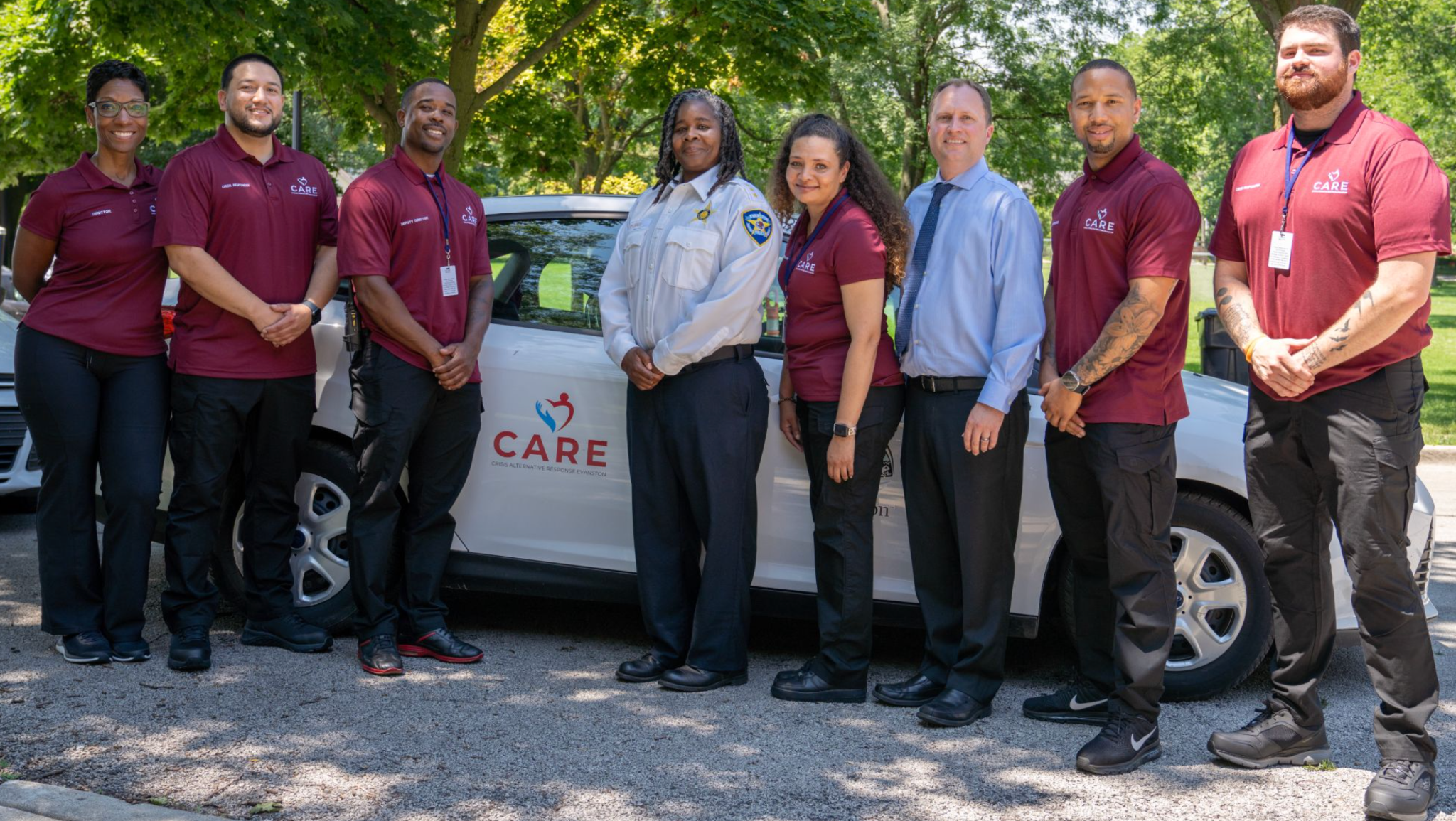
- Evanston, Illinois, Expands CARE Team After Responding To More Than 3,000 Calls, So Law Enforcement Can “Focus On High Emergency, High-Crime Calls.” For The Daily Northwestern, Sasha Baumgartner reports that the City of Evanston is expanding its mobile crisis response team and its hours of operation after a successful first two years in operation that saw the team respond to more than 3,000 calls for service. Deputy Parks, Recreation and Community Services Director Jeron Dorsey explained to the newspaper that the team reduces the burden on police officers who have long been the default responder to mental health-related calls for service: “Police officers have to focus on high emergency, high-crime calls and low-level quality of life calls that sometimes consume their day and time, and it presents [them] with a lot of challenges… we are happy to be there to fill that gap so that our police officers are well-rested and able to truly be ready to go on emergency calls.”
Laura Sterling, who oversees the nursing unit in Saint Francis Hospital’s Level I Trauma and Emergency Department, added that the CARE team members “are experts in de-escalating mental health situations before they become emergencies… [and that] the team also helps the hospital manage its emergency room… ‘sometimes we call them to come to our ER waiting room to help support us and patients after they have been discharged and don’t have a place to go, and at times refuse to leave.”
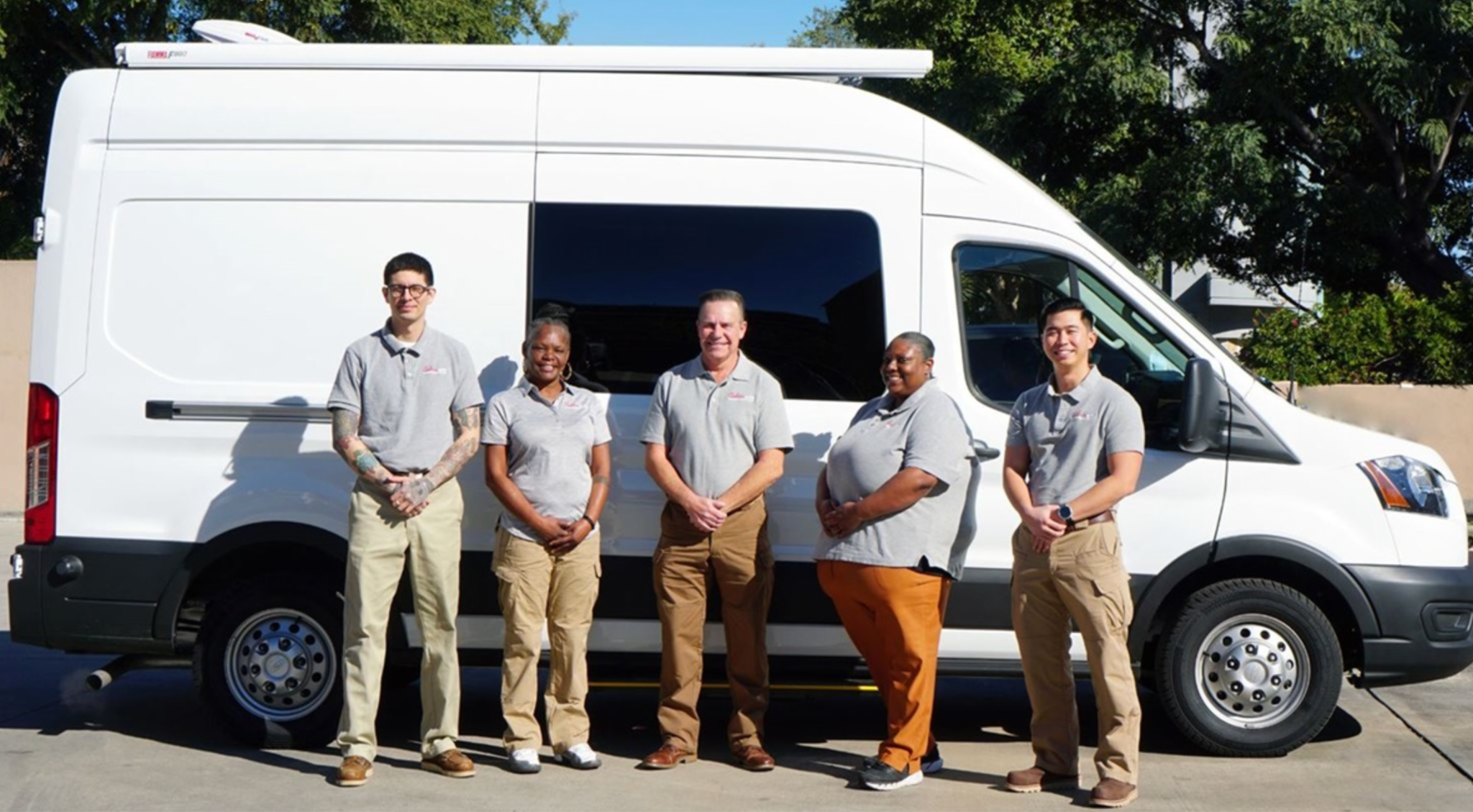
- Spokane, Washington, Expands Mobile Crisis Team To Connect People In Crisis Directly To Care, Instead Of Emergency Rooms. For KHQ, Rachel Turcotte reports that the Spokane Fire Department and Frontier Behavioral Health are expanding a joint Behavioral Response Unit that pairs a fire department paramedic with a behavioral health clinician for 911 calls involving mental health and substance use crises. The expanded program also includes two distinct teams—the Behavioral Response Unit which responds to calls for service and is expanding its capacity to six days a week from 9 a.m. to 9 p.m., as well as a follow-up team that checks in with patients after a call and connects them to treatment and other services, if needed.
Spokane Fire Battalion Chief Anne Raven explained that the team can assess patients on scene and determine whether “they could go directly to a facility rather than the ER” to reduce strain on emergency rooms: “If these individuals don’t need the ER, if that’s not the best place for them, we don’t want them to go there and make those wait times even longer… [or make] the lack of staffed beds at the hospital even worse.”
- Culver City, California, Expands Mobile Crisis Team “To Get Extended Hours, More Staff” After Promising Pilot. Culver City Crossroads reports that the city is expanding its Mobile Crisis Team from weekday coverage to seven days a week, from 9 a.m. to 9 p.m, and increasing team size to handle more calls, “taking the onus of response off of the police and using a mental health focused approach” instead. The city announced the expansion after the mobile crisis team, which launched in the final months of 2025, responded “to 385 calls to the crisis line and homeless outreach requests” in just the first three months of operation.
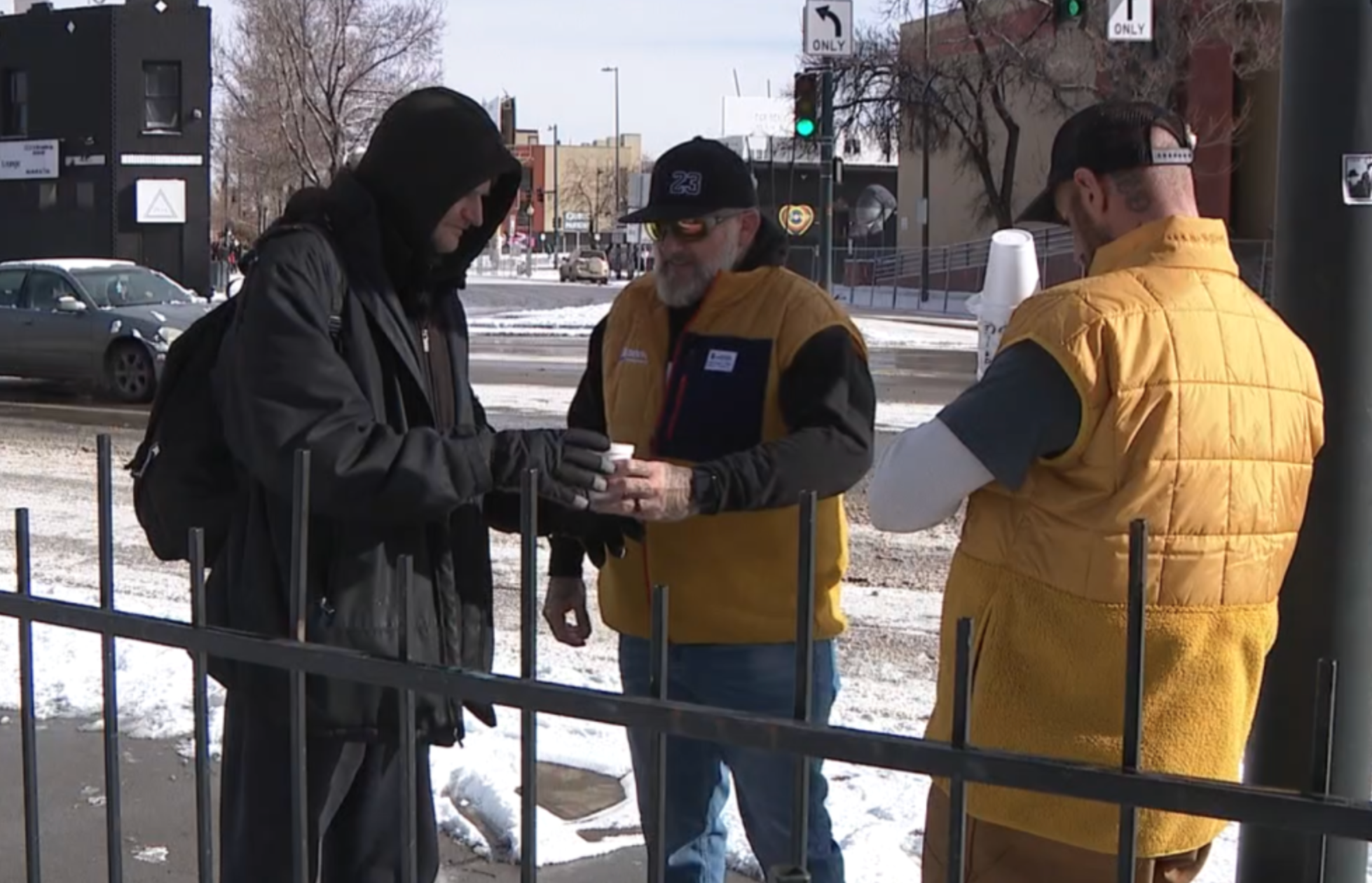
2. Safer Cities Interview With Downtown Denver’s Public Safety Ambassadors. Cities across the country are launching Safety Ambassador teams to provide a highly visible, uniformed presence at street level and help make public spaces safer and more welcoming. Often deployed along major streets, alleys, city parking lots and residential neighborhoods, ambassadors may walk residents home at night, help drivers with flat tires, assist visitors and businesses and connect unhoused residents or people in crisis with services.
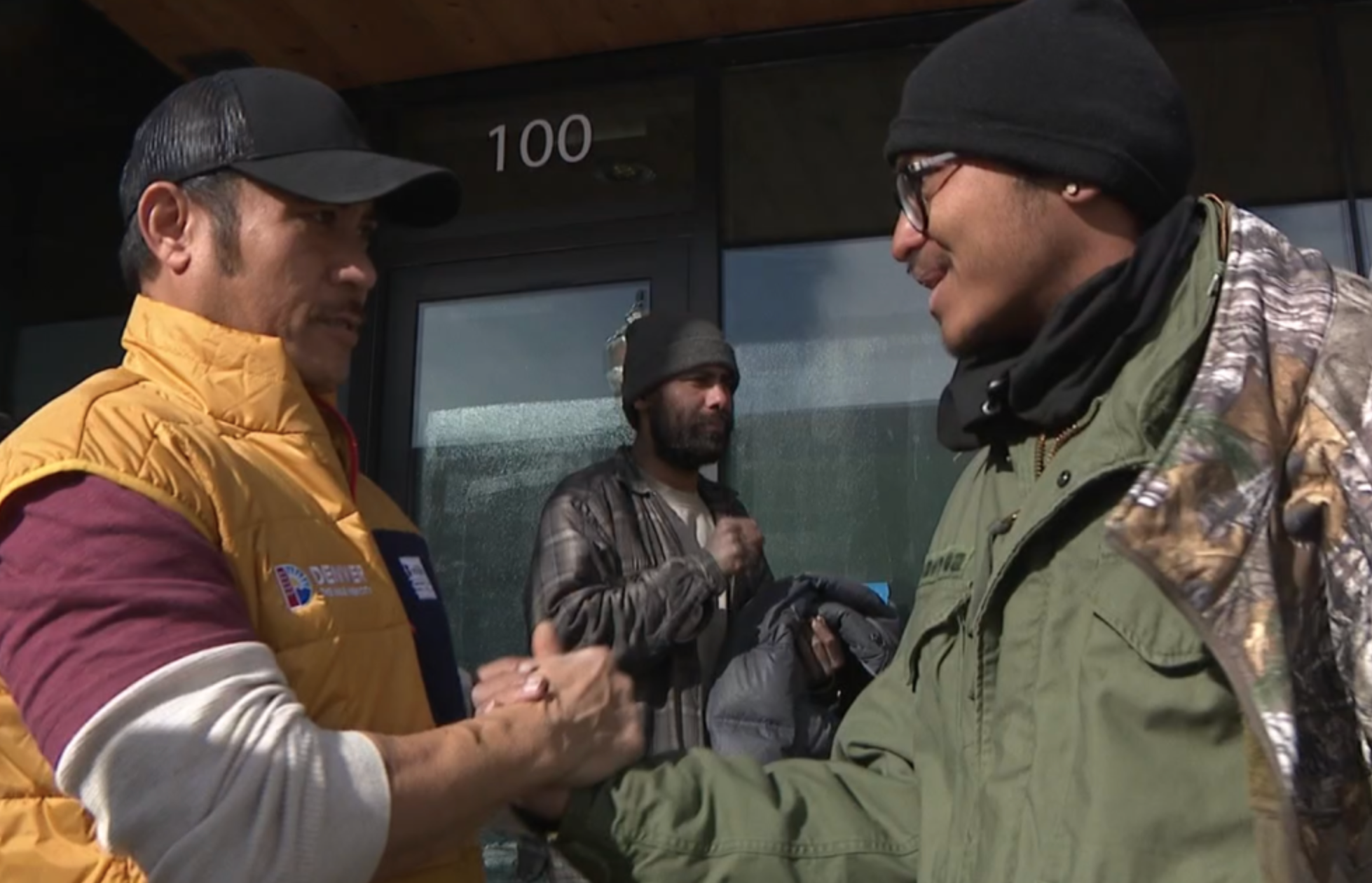
In Denver, ambassadors wearing recognizable bright yellow vests patrol downtown walkways and business districts, responding to safety and cleanliness concerns, helping visitors and connecting people in distress to the city’s mobile crisis response and other services, an effort designed to deliver fast assistance and match “the right responder to the right need at the right time.”
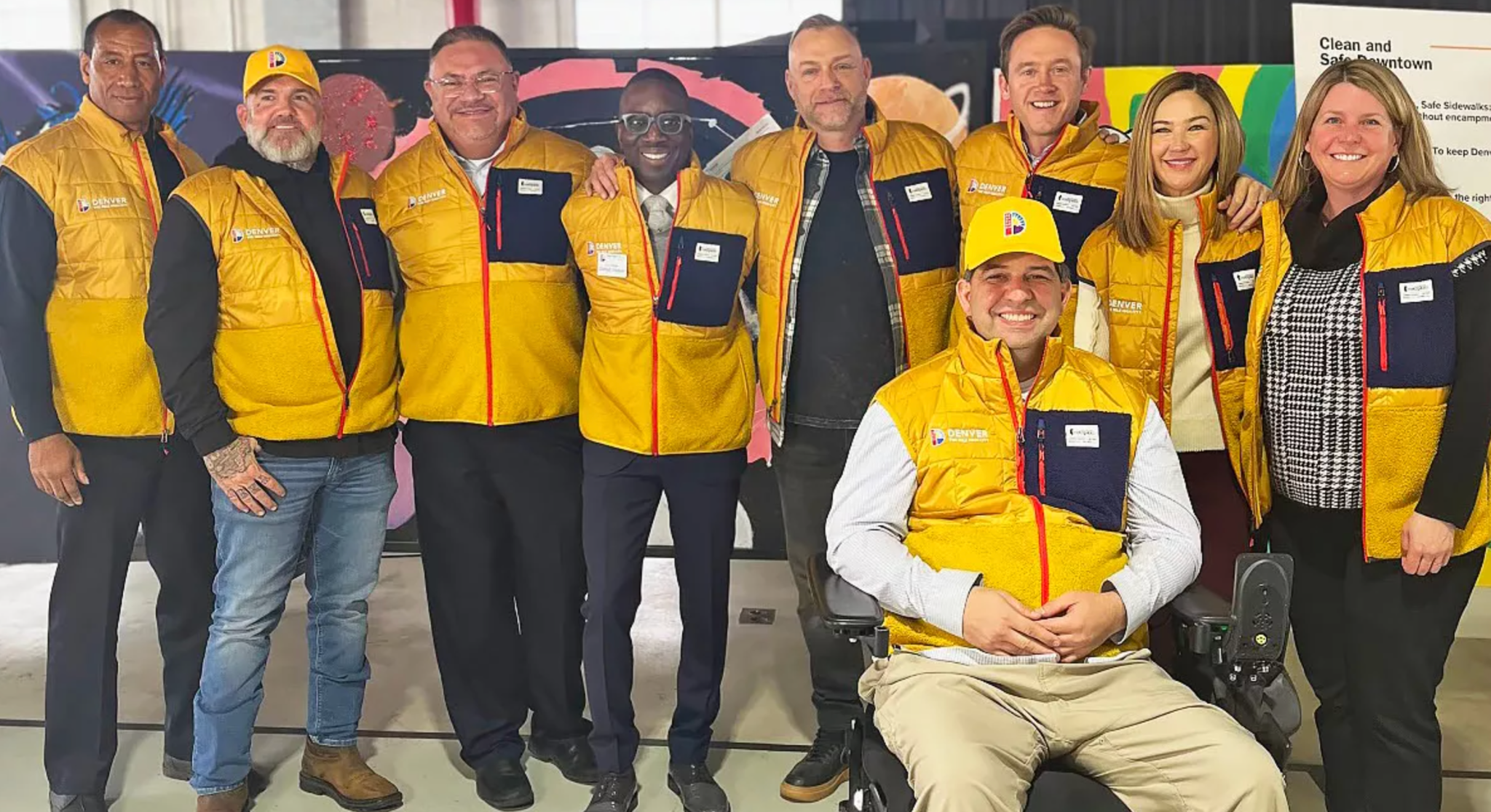
Safer Cities recently spoke with Ryan Ertman, Senior Director of Safety and Security for the Downtown Denver Partnership, about how the team helps keep downtown safe and welcoming, responds to challenging situations and connects people with the support they need:
- On Pairing Immediate Safety Response With Long-Term Outreach: “We have an amazing team that serves in a number of ambassadorial capacities, with two specialized roles, outreach caseworkers and public safety ambassadors, making up the full team… our public safety ambassadors are a team of unarmed, uniformed individuals with strong communication skills and an emphasis on supporting a safe, welcoming environment for all. They patrol within the Downtown Denver Business Improvement District and make contact with people both proactively and reactively. Our team also responds to reports from the public regarding security concerns, violations of City ordinances, and those in need of help. Our team is excellent at de-escalation and dealing with people experiencing homelessness as well as those experiencing substance misuse and mental health issues. When an individual wants help, our public safety ambassadors connect the person to our case workers who have more time and resources to help. If the person does not want help, continues to violate the law and refuses to adhere to education and warnings, we contact the police for possible enforcement.
Our outreach caseworkers proactively make contact with vulnerable populations and focus on building the trust needed to ultimately make connections to services. Once trust is established, they identify barriers to service and treatment and work to break through those barriers to help their clients get into addiction treatment and mental health services. Every day our case workers meet with new and regular clients to try to get them one step closer to their goals and, ideally, into treatment or services and housing…”
- On The Importance Of Investing In A Team That Is Highly Trained: “Training and experience are paramount to ensuring this balance can be achieved. We have an internal team because not just anyone can perform this job… Our team members need to be friendly and lead with a trauma-informed-care lens and understand where people are coming from. Once you can take a moment to demonstrate some empathy, most situations can be de-escalated quickly. We are building and supporting a downtown for everyone and we ask that everyone adhere to the same social contract. By treating everyone with respect and dignity from the start, we can avoid most problems. Our team is very safety-focused and are trained to watch for indicators of violence to avoid problems before they arise.”
- On What The Job Demands From Safety Ambassadors: “Patience, compassion, and vigilance are absolutely critical to success in this role. It is not easy to have such a critical public-facing role with no enforcement authority behind it. You have to approach every situation with compassion and have the patience to solve incredibly complex problems of those who are not always behaving appropriately, kindly, or logically. We have an incredible team that is genuinely passionate about and dedicated to our mission to ensure downtown is a welcoming, safe place for all.”
3. Mobile Overdose Response Teams Expanding Access To Treatment And Long-Term Recovery Services.
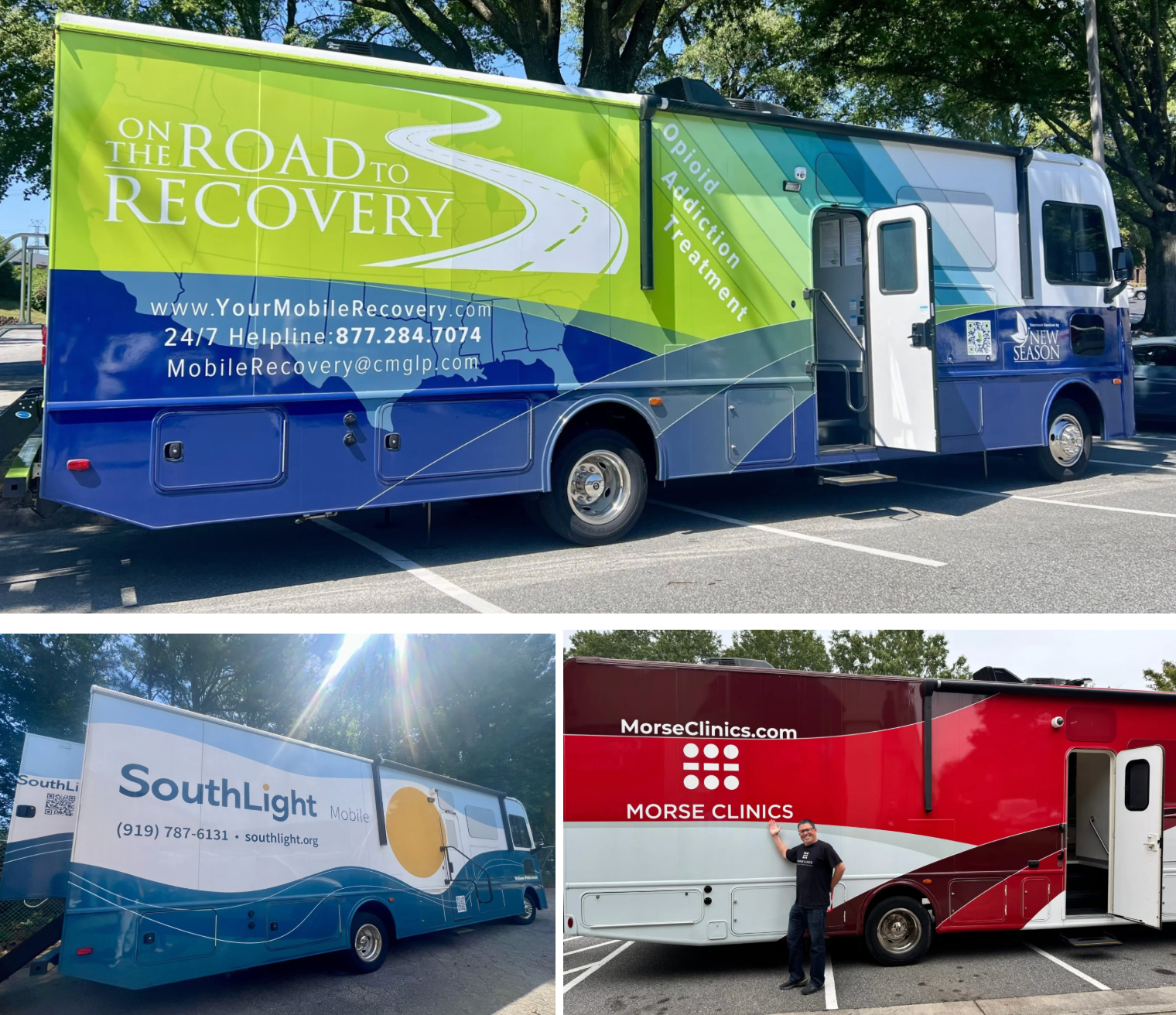
- North Carolina Expands Mobile Opioid Treatment Clinics To Reach People Who “Otherwise Couldn’t Have Reached Treatment,” Reducing Strain On Law Enforcement And Other Emergency Responders. For North Carolina Health News, Rachel Crumpler reports that three mobile clinics are now bringing medications for opioid use disorder directly to communities across the state, with six more expected to launch in the coming months. Since January, the units have completed nearly 500 admissions, administered nearly 6,000 doses of medication and provided nearly 900 patients with counseling sessions, including connection to long-term treatment. Anna Stanley, who oversees the state effort, said “a lot of folks that are able to access the services via the mobile unit just wouldn’t have had the ability to do that at a brick-and-mortar.” Preston Evans, who runs one of the mobile clinics, explained that bringing medical care closer has helped patients who struggled to travel remain in treatment: “I’ve watched this mobile unit actually change lives.”
- Montclair, New Jersey, Launches Overdose Response Team To “Stay Engaged Beyond The Emergency” And Get People Into Treatment. For TAPinto Montclair, Brett Hawn reports on the township’s new Opioid Response Street Team which combines a weekly outreach team with a dedicated EMS unit responding to overdose-related calls for service. Outreach workers distribute Narcan and connect people to detox centers, treatment, behavioral health, housing and recovery services, while the mobile unit strengthens coordination among EMS, public health and other first responders. James Mazza, chief of the city’s ambulance unit, explained that the team is vital to the city’s public safety infrastructure: “Saving a life is only the first step… [the team gives] us the resources to stay engaged beyond the emergency, connect people with treatment and recovery services, and help break the cycle instead of simply responding to it.”
- Northeastern Connecticut Launches Mobile Overdose Treatment Team. Connecticut By The Numbers reports on the new mobile team that will provide overdose treatment across northeastern Connecticut, including providing medication, same-day treatment initiation, counseling, peer recovery support and access to Narcan. Heather Gates, who helps oversee the mobile team, explained that the program will bring “high-quality, comprehensive care” to people who “may have limited access to transportation” and provide “the same comprehensive care that individuals can access in a [a clinic].”