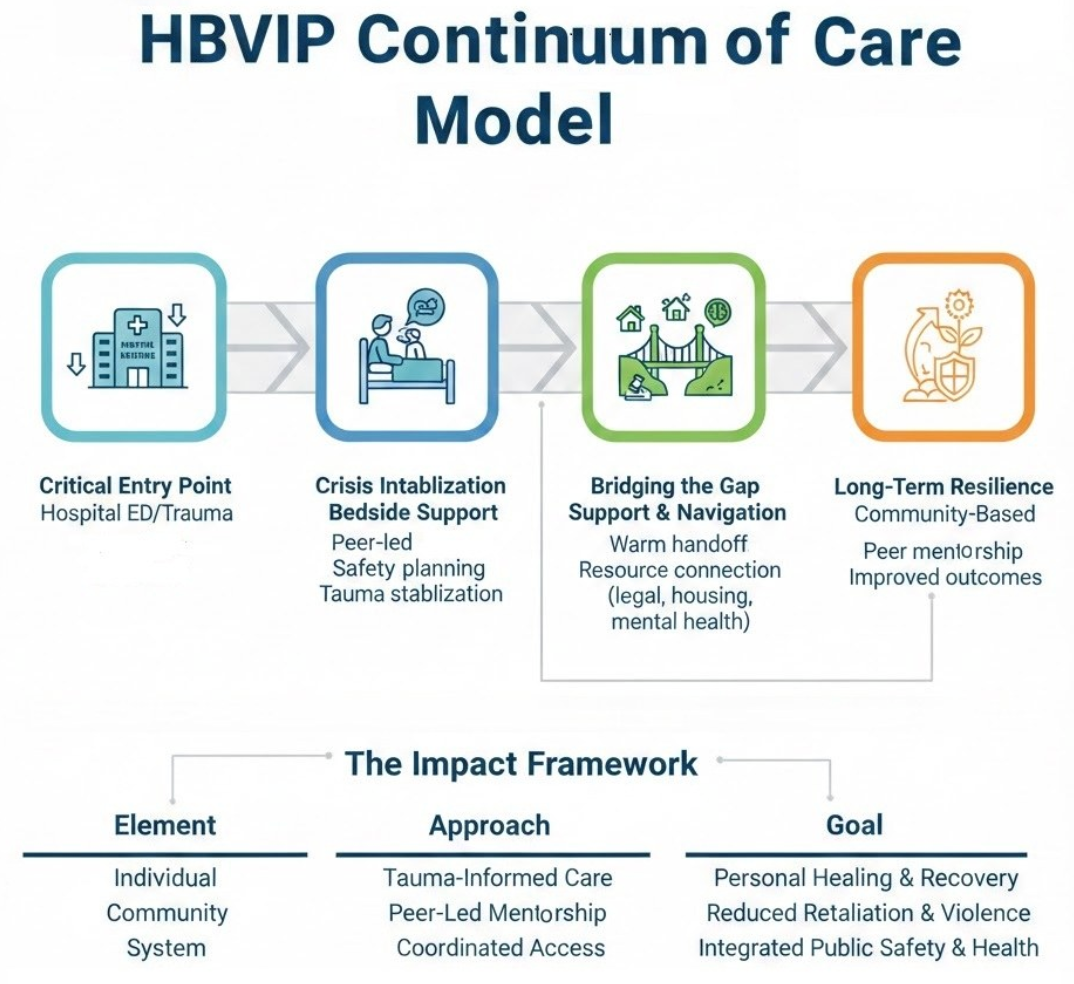
- In Virginia, Hospital-Based Violence Intervention Program With Reinjury Rate Of “Less Than 2 Percent,” Gets $1.4 Million In Expansion Funding From City. Riverside Regional Medical Center’s Hand in Hand Hospital-Based Violence Intervention Program announced earlier this month that it is expanding following an annual $1.4 million funding commitment from the City of Newport News, which allows the program to operate during “high-volume overnight and weekend hours as well as weekdays.” January Serda, the program’s HVIP Grant Coordinator, said the expansion is important because “in order to break cycles of violence, it’s critical that we do immediate, face-to-face interventions in real time” and “those moments could be our only chance to connect and intervene” to break cycles of violence. The program now encounters “more than 600 victims of intentional violence each year,” and among actively enrolled participants “the rate of reinjury has been very low: less than 2 percent.” Serda said “people at risk of or recovering from firearm injuries often interact with healthcare teams at pivotal moments, so these encounters are critical opportunities for prevention, care and support.”
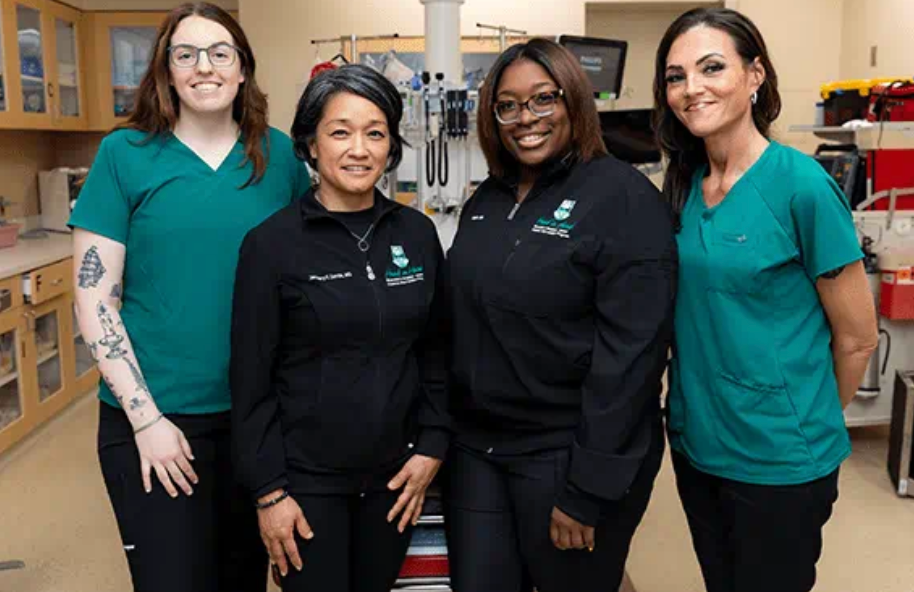
- In Connecticut, Hospital-Based Violence Intervention Program Provides Direct Cash Assistance To Survivors Of Violence. For The Connecticut Mirror, Emilia Otte reports on an innovative initiative at Yale New Haven Hospital that provides survivors of community violence and intimate partner violence with direct cash assistance. Through the program, victims of violence receive one-time payments of $500, which researchers found helped participants “meet urgent needs, strengthen their connections with community organizations and allow them to take greater charge over their futures.” Dr. Lucy Paredes, a Yale research fellow studying the program, said many survivors faced lost income while recovering from injuries, making financial assistance critical because “when you’re injured and you can’t work, your monthly expenses are coming regardless of what contextual factors are happening.” Researchers found most participants used the funds for “basic necessities” such as “food and rent,” while hospital violence intervention staff said the assistance helps build trust with survivors.
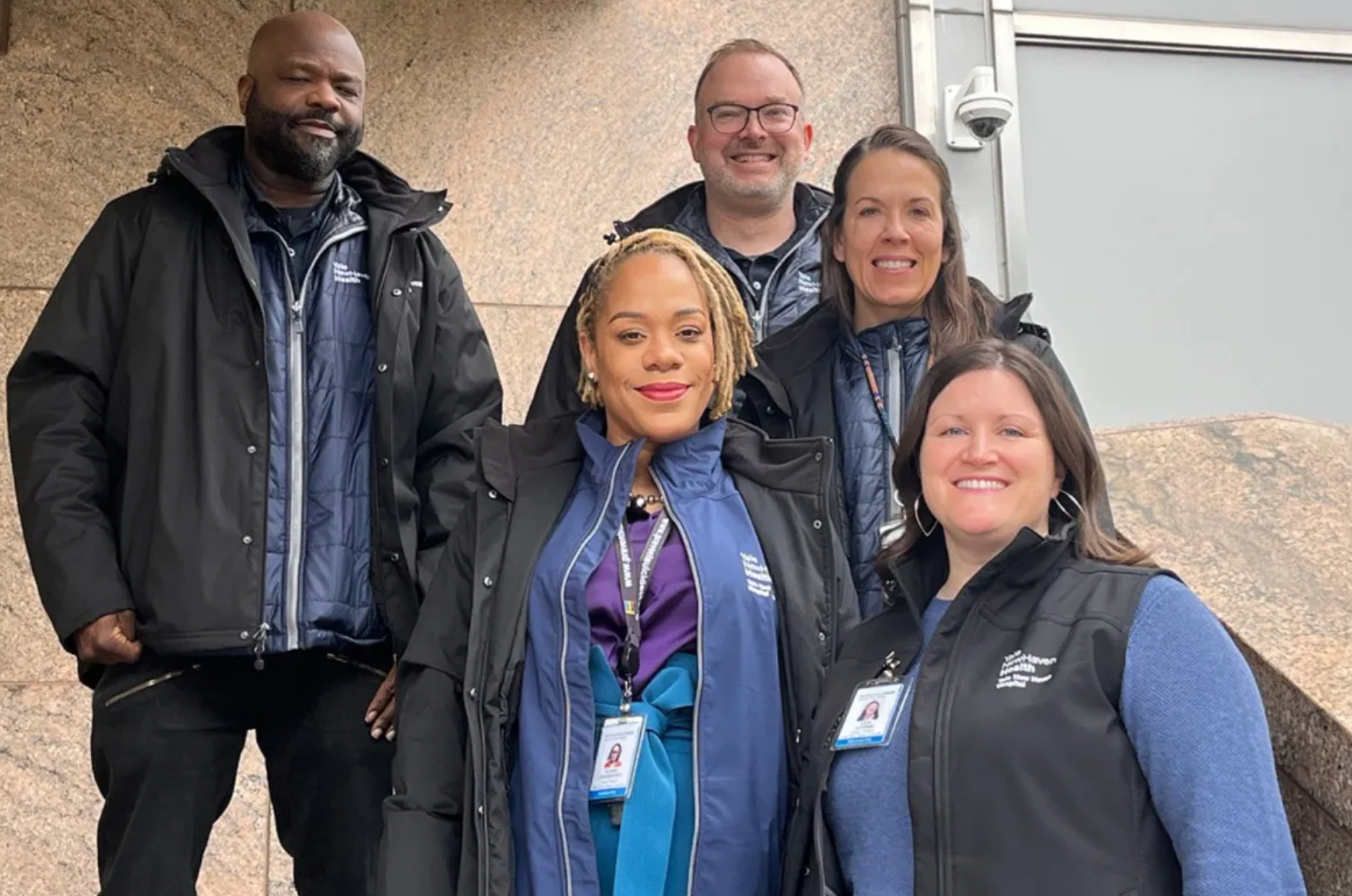
- In Albuquerque, Hospital-Based Violence Intervention Program Reports 307% Increase In Referrals During First Quarter Of 2026. Albuquerque Community Safety’s Hospital-Based Violence Intervention Program reported to Safer Cities that it received 122 referrals during the first quarter of 2026, compared to 30 referrals during the same period in 2025—representing a roughly 307% year-over-year increase. This new data arrives as the city reported receiving 351 referrals last year, compared to 41 referrals the year prior, representing an approximately 756% annual increase. The peer-led program partners with local hospitals to provide “bedside safety planning and ongoing support to victims of violence, traumatic injury, overdose and/or hospitalization,” engaging individuals “at critical points in their recovery” through “peers with lived experience.” Explaining the program’s growth to Safer Cities, ACS Director Jodie Esquibel said: “Our growth is the result of stronger partnerships with hospitals and law enforcement, combined with a more streamlined referral process. Those improvements have allowed our peer support specialists to connect with victims of violence more quickly and consistently during critical moments.”