Study: How Rural Violence Intervention Programs Prevent Violence Outside Major Cities. In a new study published in Behavioral Medicine, researchers from Rutgers University conducted what they describe as “the first study to explore community violence intervention operations in a semi-rural community,” examining the operations of a CVI program serving a three-county rural-suburban area. Researchers used interviews and focus groups with frontline outreach workers, leadership staff, hospital partners, and behavioral health providers to study how violence intervention programs operate in rural settings. The study found that successful rural CVI work depends on strong partnerships across many stakeholder agencies, flexible funding streams, and co-located health and social service infrastructure that can respond as quickly as possible. Here are some of the key findings on what makes rural CVI work:
- Develop Deep, Cross-Sector Partnerships To Reach High-Risk Residents: Researchers found that deep connections to schools, churches, hospitals, and “every police chief, the sheriff, the head of state police” across the region is what made the program work best. The study concluded that “because we don’t have the density of resources that these urban areas have, it is necessary for us to be a lot more aggressive and creative and proactive about leaning on other partners” to develop the right relationships that will help flag a person at risk of violence before it happens.
- Shifting Focus Between Regional Hot Spots And Social Media-Fueled Conflicts. The study found that the program used “an all-hands-on-deck, real-time approach that modifies its strategies in reaction to emerging trends,” including redirecting outreach resources after “a viral social media video… encouraged local gang recruitment” and monitoring “violence trends and community sentiment” to anticipate conflicts before they escalated in neighborhood settings. Rural outreach teams often work across “wide geographic coverage areas,” requiring intervention workers to understand “different group dynamics influenced by physical distance and social media” while maintaining relationships with community leaders across multiple jurisdictions.
- Rural Communities Often Lack Infrastructure, Forcing Outreach Teams To Fill Major Service Gaps. The study found that many semi-rural communities face “a lack of reliable transportation and accessible and emergency housing,” while outreach teams described areas where “there are more prisons than there are parks.” Researchers concluded that effective violence prevention requires “resource hubs and community centers,” “co-locating social services and healthcare,” and “flexible funding structures” that allow community organizations to respond quickly to crises and connect residents to long-term support.
Momentum For CVI Programs Around The Country:
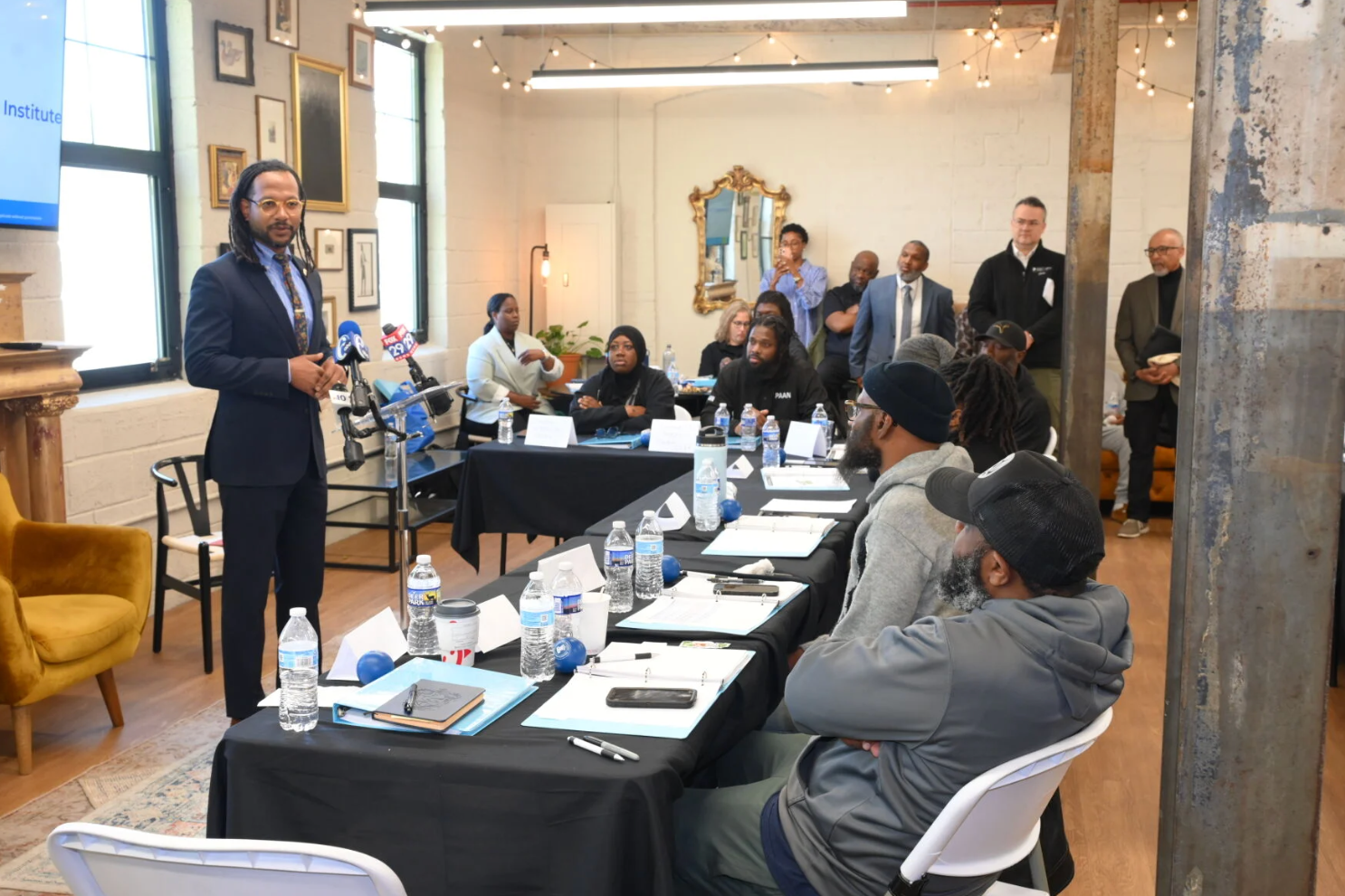
- Philadelphia, Pennsylvania, Launches New “Peacekeepers Institute” To Provide Professional Development, Unify Violence Interrupter Efforts Across The City. For the Philadelphia Tribune, Sherry Stone reports that Philadelphia has launched a new city-backed “Peacekeepers Institute,” bringing together violence interrupters, outreach workers, and public health partners through an eight-week training and collaboration program designed to “unify their efforts, share best practices and strengthen capacity.” Public Safety Director Adam Geer said the city views the effort as part of a “holistic approach to community safety,” and that increased coordination between groups will strengthen Philadelphia’s violence prevention ecosystem: “You take one stick, it’s easy to snap… But when you bind many sticks together, it becomes very difficult to break.”
- Birmingham, Alabama, Expands CVI Program With Development Of Youth Intervention And Family Stabilization Programs. For the Birmingham Times, Sym Posey reports that the City of Birmingham awarded $200,000 in micro-grants to 14 organizations providing mentorship, workforce training, educational support, life coaching, housing stability, and other “wraparound services” for at-risk youth and families. Officials said the city’s broader violence intervention initiative has already contributed to an “85% reduction in youth charged with murder” and a “71% drop in youth homicide victims” among targeted youth populations.
- In Memphis, Tennessee, “Gun Violence Is Down… [The CVI Team] Helped Make That Happen.” For WREG, Jessica Gertler reports on Memphis leaders expanding collaboration between violence intervention groups, housing providers, and workforce programs as part of the city’s broader gun violence reduction strategy. City leaders said outreach workers are helping identify individuals most at risk of violence, intervene after shootings to prevent retaliation, and connect residents to “wrap-around services” and long-term support, which helped lead to a “26% decrease in murders” and a “22% decrease in aggravated assaults” last year.