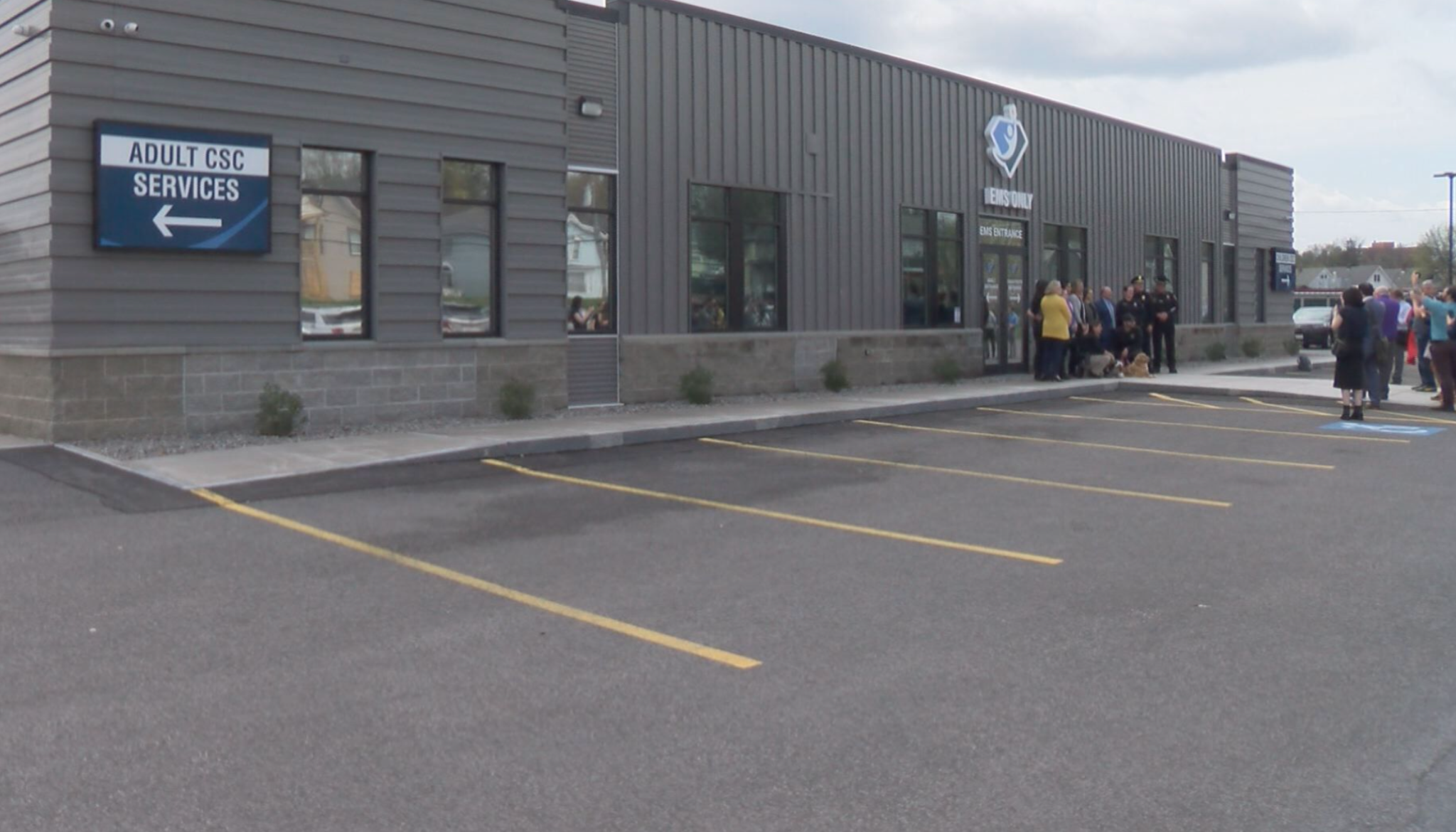
- Utica, New York, Opens 24/7 Crisis Stabilization Center “To Relieve Burden On [] Emergency Rooms, Police” For WKTV, Kirk Tupaj reports that Utica has opened a new Supportive Crisis Stabilization Center that is “open 24/7 for anyone in crisis,” including mental health and substance-use emergencies. Officials say peer-based staff can help with “stress, anxiety, depression or thoughts of self-harm,” while also addressing “transportation problems, food insecurity, grief” and other behavioral health needs. City leaders explained that the center “relieves the burden on EMS, on the emergency rooms, on police… who otherwise were the first resort for these [calls for service],” creating a new option for people in crisis.
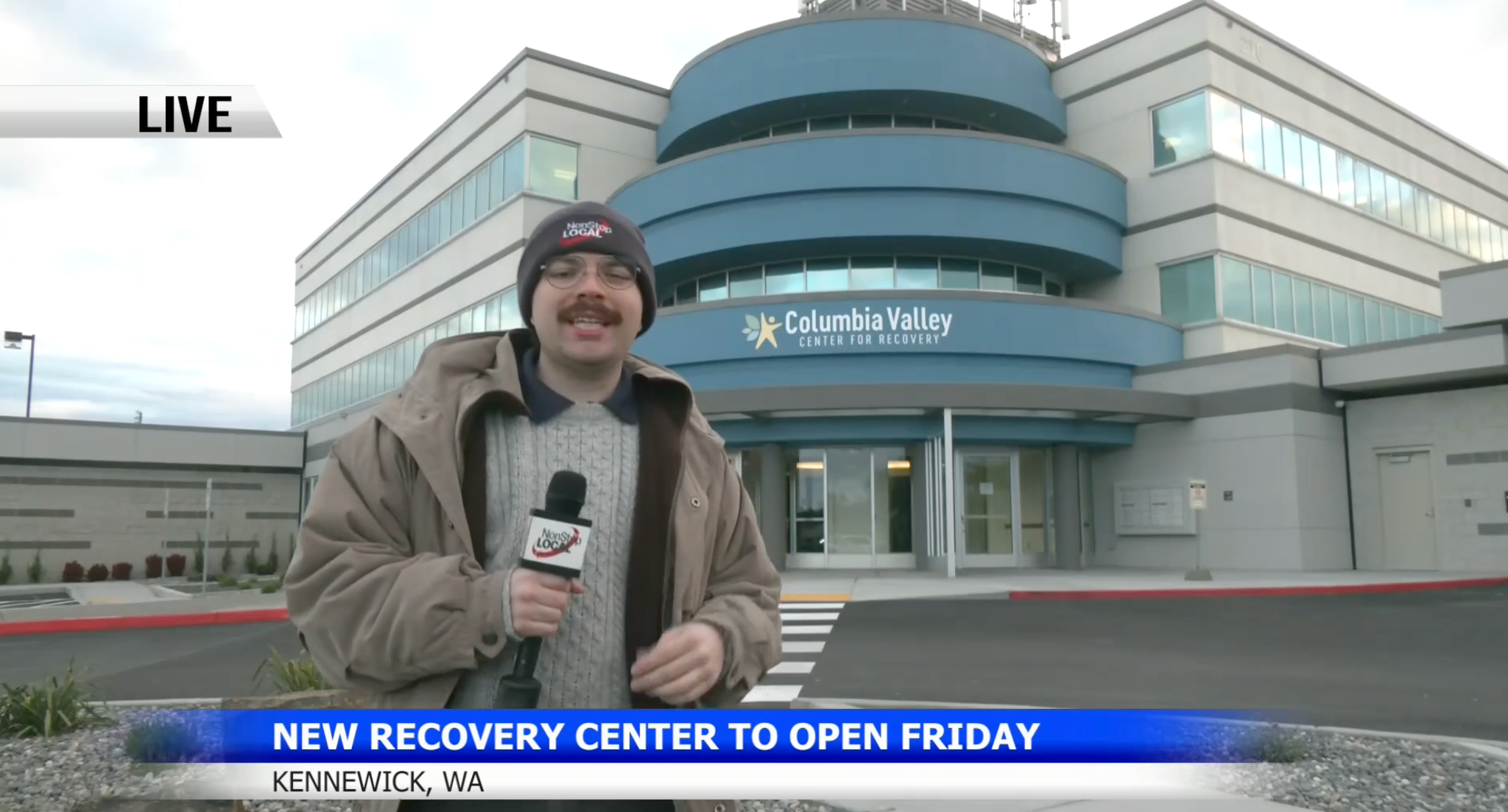
- In Kennewick, Washington, New Center To Offer “Another Option Beyond A Jail Cell Or The Emergency Room.” For NBC News, Christopher Wright reports on Kennewick’s opening of the Columbia Valley Center for Recovery with a “no-wrong-door, 24/7 approach” for people facing addiction and behavioral health crises. The first phase includes “a mental health unit, a voluntary unit, an involuntary unit, crisis stabilization, and on-location healthcare staff.” County leaders said the goal is to give residents “another option beyond a jail cell or the emergency room. Michele Gerber, president of the Benton Franklin Recovery Coalition which oversees the facility, explained to the news station that the project was inspired by “personal loss and years of watching [her son] struggle… ‘my son developed addiction as a teenager and he was in addiction for more than 20 years… [so] the philosophy here is that addiction is a disease. It’s not a disgrace. It’s not a moral issue. It’s a medical issue… People have to be given a chance to have hope and a new beginning, not just punishment.’”
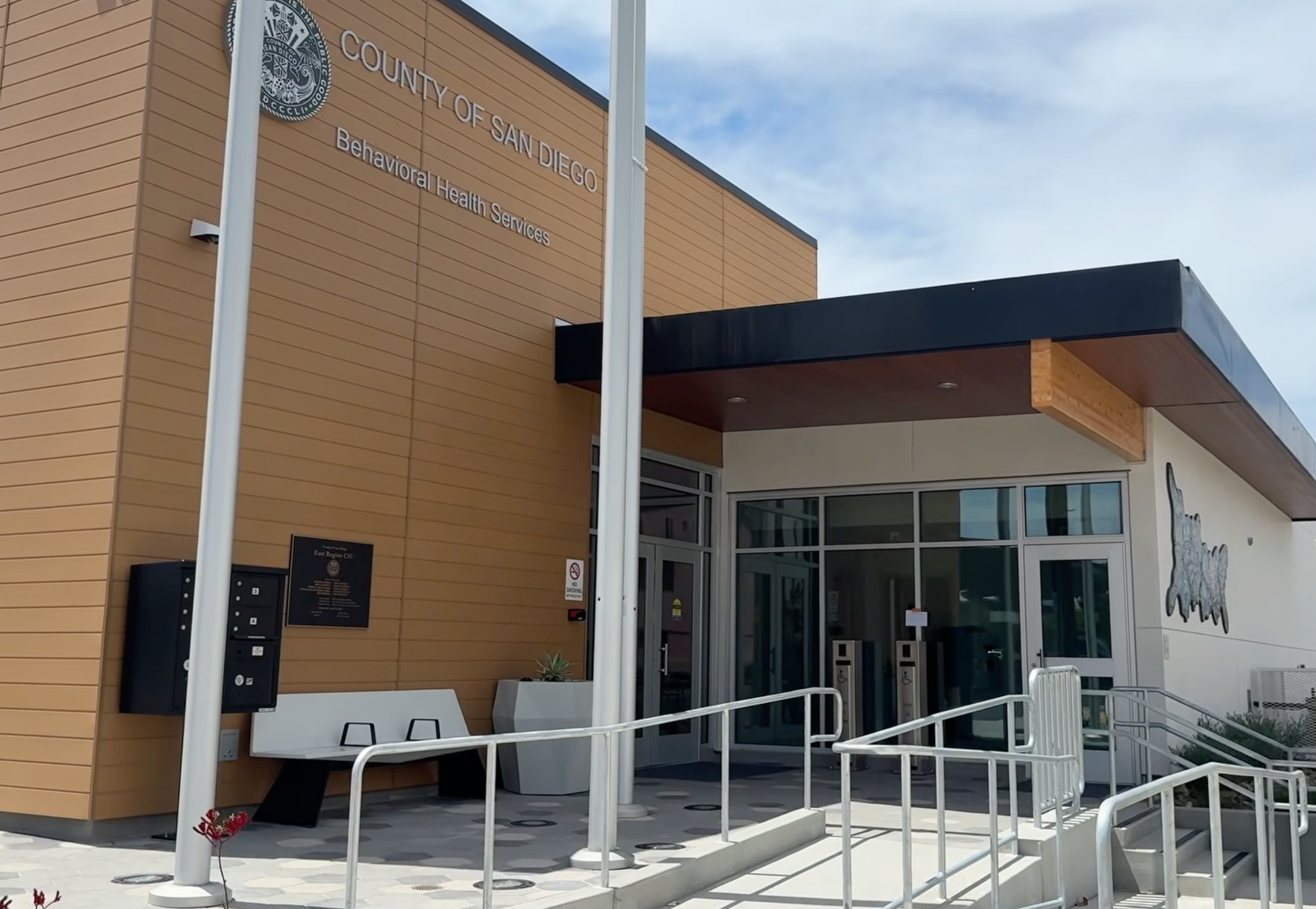
- San Diego County Opens First East County Crisis Stabilization Unit As A “More Effective Option” Than Hospitals And Jails. For San Diego County News Center, Anita Lightfoot reports that San Diego County is opening its newest Crisis Stabilization Unit in El Cajon—the first located in East County. The new 14,000-square-foot facility offers “24/7 support and treatment for people experiencing a psychiatric or substance use emergency,” providing “a calm, safe environment” where residents can receive immediate care and connect with ongoing services. As Lightfoot notes, this center is part of an ongoing effort to establish more crisis stabilization centers across the county with this new $28 million center in El Cajon being the eighth CSU county leaders have launched, with the goal of offering “a more effective option for urgent behavioral health care than emergency departments, hospitals or jails.”