A new study published in the Journal of Community Health by researchers from New York University School of Global Public Health and Brown University surveyed 100 business employees and service providers in Rhode Island overdose hotspots to understand attitudes toward police involvement in overdose response. The researchers found respondents highly valued police for general safety, but were far less likely to view them as effective for overdose response functions. The full study is worth your time, but here are the toplines:
- Police Presence May Deter Life-Saving Help: The study notes that “police presence at overdose scenes can deter life-saving help-seeking behaviors due to fear of legal consequences,” and that when police arrive, life-saving interventions occur “in the context of potential arrest and incarceration of overdose survivors and their networks.” Researchers say this creates “a core discrepancy” between public health–focused overdose response and traditional enforcement approaches, helping explain why respondents viewed health-focused responders as better suited for these incidents.
- Opportunity For Specialized Response Teams To Improve Effectiveness: The researchers found that “there may be appetite to modify the role of police to focus more on public safety in overdose response or social services linkages,” and that “substantially lower share of individuals who believe police presence potentiates overdose prevention and service linkage demonstrates there is a receptive audience for testing alternatives.” The authors emphasize that clinicians, outreach workers, and harm-reduction professionals are best suited to lead overdose response to improve outcomes.
- Businesses In Overdose Hotspots Are Providing Narcan Training To Staff. Researchers report “48% reported that some or all staff at their workplace had received [Narcan] training,” while “35% indicated their organization had measures or protocols in place for overdose prevention and response.” Additionally, “37% reported that an overdose had occurred at their workplace location at some point,” underscoring the frequency of these incidents and highlighting the strong need for dedicated, specialized response teams equipped to handle overdose emergencies quickly and effectively.
Spotlight On Cities With Overdose Responder Teams:
- In Caldwell County, North Carolina, PORT Overdose Response Team Combines “Paramedics And Certified Peer Support Specialists” To Respond To 911 Overdose Calls. As the county describes, the “paramedic renders clinical care, if needed, and the peer support specialist offers support and guidance to the individual.” The team then follows-up with anyone who has experienced an overdose within 72 hours of the incident to make sure they are stable and provide additional treatment or connection to services.
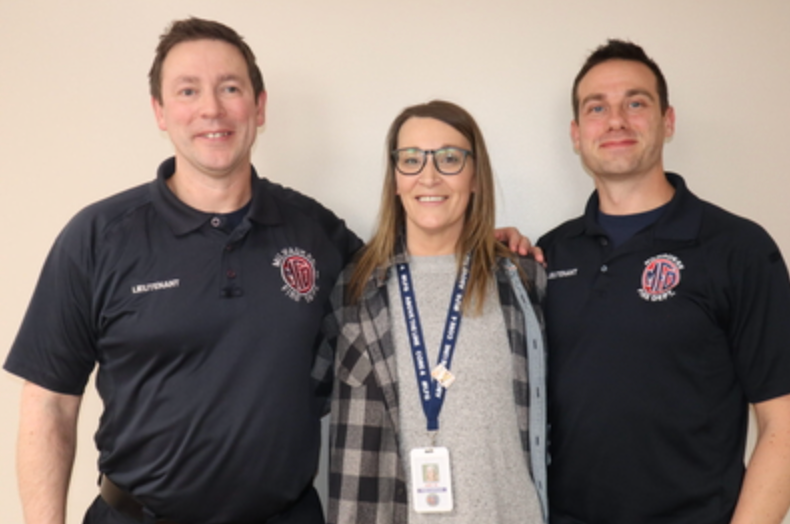
- In Milwaukee, Wisconsin, Overdose Response Team Part Of Effort That “Reduced Overdose Deaths To Their Lowest Numbers In A Decade.” For News From The States, Isiah Holmes reports on the city’s overdose response team, which launched in 2019, and has become a core piece of the city’s public safety infrastructure, providing better outcomes for people experiencing overdoses, and reducing strain on law enforcement and other first responders. Housed in the Fire Department, and composed of fire department medics and addiction peer support specialists who respond to 911 calls for service around overdoses, the team will respond to acute overdoses and then follow up with people who “had survived an overdose within the last 24-48 hours.” From there, the overdose team “regularly works to get people into treatment programs… [as well as] getting someone clothes, food, providing them with narcan” and other support and connection to services.
In Albuquerque, New Mexico, Community Safety Department And Fire Department Collaborate On Overdose Response Team. The program pairs firefighters and behavioral health responders to deliver “medication for Opioid Use Disorder… as quickly as possible, followed by transport to local treatment facilities,” helping “reduce the risk of repeat overdoses and support long-term recovery,” the city announced. In a recent response, firefighters administered Narcan and buprenorphine on scene, while behavioral health responders provided follow-up support and transportation to treatment. The team “helps stabilize patients in crisis, reduces unnecessary emergency department transports, and improves connections to follow-up care, benefiting both individuals and the broader healthcare system.”