- In Newark, New Jersey, State’s First Crisis Stabilization Center Set To Open “For People In Mental Health, Drug Crisis.” For The New Jersey Monitor, Lilo Stainton reports on New Jersey’s first crisis stabilization center, a partnership between the state and Rutgers University, where people experiencing a mental health or substance use crisis “can get medication, professional and peer support, and a comfortable place to rest for up to 24 hours.” The center is a “final link” in the modernization of both Newark’s and New Jersey’s public safety infrastructure that Governor Mikie Sherrill and Newark Mayor Ras Baraka have been instrumental in the effort to build, as Safer Cities has previously covered. The center—which will “save taxpayer money by reducing the burden on more costly options, like emergency rooms and correctional facilities”—will “be open 24 hours every day, is designed to be a less stressful alternative to a hospital emergency room and features private clinical rooms and comfortable lounge chairs… is open to all, regardless of anyone’s ability to pay.” The center adds to a comprehensive suite of expanded public safety services including an Office of Violence Prevention that takes a public health lens to gun violence reduction, a longstanding community-based and hospital-based violence intervention; homelessness outreach; and mental health mobile crisis responder team.
Stephen Cha, the commissioner of the state’s Department of Human Services, explained the importance of the center as a core component of the state’s services: “People need somewhere to call. People need someone to respond, but also people need somewhere to go, and that’s what this place is here.” This is the first of five centers opening in the state, with four more planned for Morris, Bergen, Monmouth, and Camden counties.
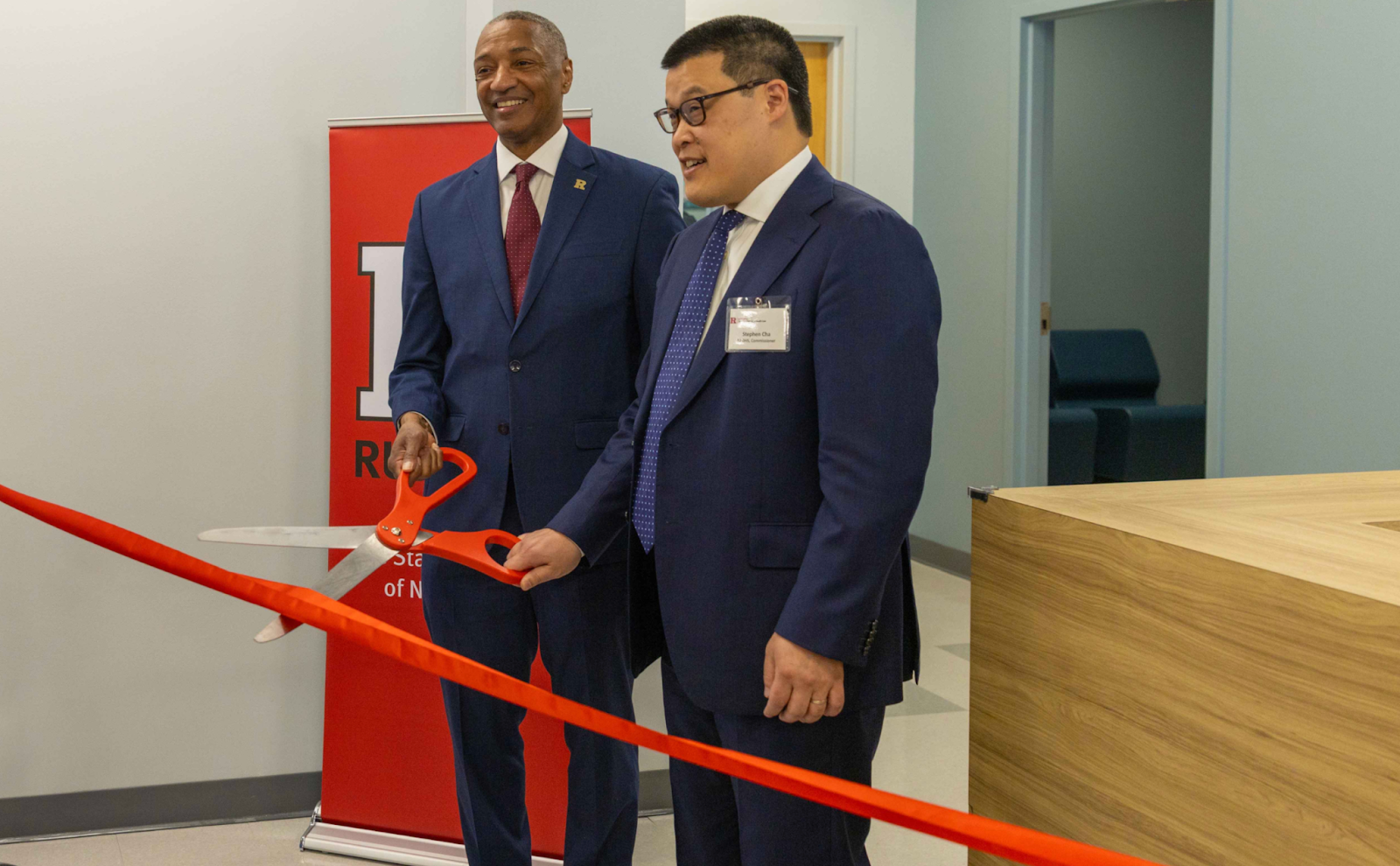
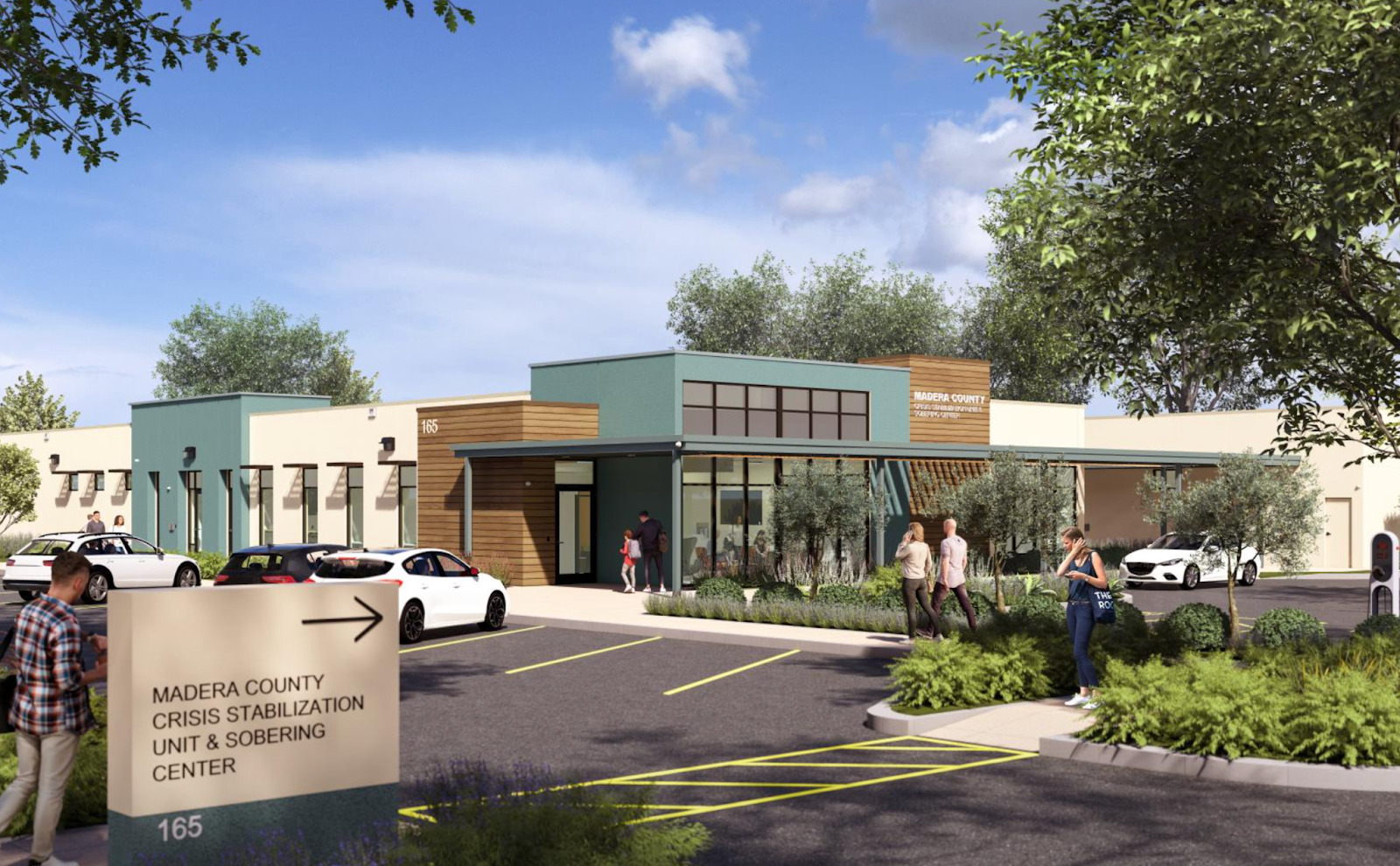
- Madera County, California, “Breaks Ground On New Crisis Stabilization And Sobering Center… An Alternative To Jail, Overcrowded Emergency Rooms.” For Fox 26 News, Dania Romero reports on the new $27 million facility that is “designed to provide immediate care for individuals experiencing mental health or substance use emergencies… an alternative to [being taken to a] jail or overcrowded emergency rooms… to reduce strain on first responders, and provide more appropriate treatment options for people in crisis.” The facility, which is expected to open next year, will include “dedicated mental health treatment rooms and … beds for individuals receiving care for substance use disorders… [and] also help tackle related issues such as homelessness.”
- Spokane County, Washington Breaks Ground On New Crisis Stabilization Center,
“Considered ‘Beacon Of Hope’ In Combating Addiction, Mental Health Crises.” For The Spokesman Review, Nick Gibson reports on the $21 million, 17,000 square foot facility that will provide a suite of treatment “services for mental health and drug addiction” including “crisis relief, sobering, stabilization, withdrawal management and co-occurring treatment,” while also reducing strain on jails and hospitals. The new facility, expected to open next year, will be a significant expansion of available mental health and addiction treatment beds in the region, which local leaders explained to the paper remain at maximum capacity. Justin Johnson, director of the county’s community services department, explained the important function this facility will play for increasing public safety and improve treatment outcomes: “When an individual is in crisis, they often get lost in a complex system… either in the criminal, legal system, or they find themselves in an overburdened ER. What we’re trying to do here is address that [ensuring people] receive care, when they need it, in one location.”